Learn how to stay safe during safari river crossings. Our guide covers the risks, vehicle safety, walking safaris, and responsible tourism for your African adventure.
''' River crossings are one of the most dramatic and memorable spectacles of an African safari. Whether it's a herd of elephants guiding their young through a deep channel or the chaotic frenzy of the Great Migration, these moments are the pinnacle of a wildlife adventure. But with this drama comes inherent risk. Understanding the dynamics of river crossings—for both wildlife and safari-goers—is essential for a safe and rewarding experience. This guide will walk you through the different types of river crossings you might encounter, the potential dangers involved, and how to ensure your safari remains a safe and ethical adventure.
Understanding the Risks: Why River Crossings Are Dangerous
River crossings in the African bush are uncontrolled, natural events. There are no bridges, no warning signs, and no lifeguards. The environment is wild and unpredictable, which is precisely what makes it so exciting. However, this unpredictability also presents a unique set of challenges and dangers that both animals and humans must navigate with caution.
For Wildlife: A Fight for Survival
For the animals, a river crossing is a life-or-death calculation. The primary dangers they face include:
- Predators: Rivers are prime hunting grounds for crocodiles, which lie in wait for vulnerable prey. Lions and leopards also patrol riverbanks, knowing that animals are exposed and often exhausted after a crossing.
- Strong Currents: A river's current can be deceptively powerful, especially for young or weakened animals. Flash floods can turn a gentle stream into a raging torrent in minutes, sweeping away even the strongest swimmers.
- Steep and Unstable Banks: Getting in and out of the river is often as dangerous as the crossing itself. Steep, muddy banks can collapse, causing animals to fall and become trapped or injured. The panic of a herd can lead to stampedes and trampling.
For Travelers: A Test of Trust and Preparation
For safari travelers, the risks are different but no less real. Your safety during a river crossing depends almost entirely on the expertise of your guide and the capability of your vehicle. The main concerns include:
- Vehicle Issues: Engine stalling, getting stuck in soft mud, or being swept downstream are all potential vehicle-related risks. A flooded engine in the middle of a crocodile-infested river is a scenario everyone wants to avoid.
- Flash Floods: The weather in Africa can change in an instant. A storm miles upstream can cause a sudden surge of water that can catch a vehicle mid-crossing.
- Unpredictable Wildlife: While the goal is to see animals, getting too close during a river crossing can be dangerous. A panicked herd of elephants or buffalo can easily damage a vehicle or pose a direct threat to its occupants.
The Ultimate Spectacle: The Great Migration River Crossings
The most famous river crossings in Africa are undoubtedly those of the Great Migration, where over a million wildebeest, zebra, and gazelle cross the Mara and Grumeti Rivers in Tanzania and Kenya. This is nature at its most raw and dramatic, but it comes with its own set of rules and considerations.
The Mara and Grumeti Rivers
The Grumeti River in Tanzania's Serengeti National Park is the first major obstacle for the migrating herds, typically crossed between May and July. The river is known for its large crocodile population, and the crossings are often chaotic and intense. Later in the year, between July and October, the herds face the Mara River, which forms the border between the Serengeti and Kenya's Maasai Mara National Reserve. The Mara River crossings are legendary for their scale and drama, attracting visitors from all over the world.
The Role of Predators and Patience
Witnessing a Great Migration crossing requires immense patience. The herds can gather at the river's edge for hours, even days, before one brave individual takes the plunge and the rest follow. This hesitation is a survival instinct. The animals are acutely aware of the dangers lurking in the water. As a visitor, you must be prepared to wait. Your guide will position the vehicle at a safe and strategic distance, and then it's a waiting game. Rushing the experience or trying to get too close will only disturb the animals and could prevent a crossing from happening at all.
Planning a safari?
Start the Safari Planning System →Safari Vehicle River Crossing Safety: Trusting Your Guide and Vehicle
Aside from the Great Migration, you will likely encounter smaller river and stream crossings on any given safari. In these situations, your safety is in the hands of your guide and the quality of your equipment. This is where choosing a reputable safari operator makes all the difference.
The Importance of a Well-Maintained 4x4 Vehicle
A proper safari vehicle is a specialized piece of equipment. It should be a robust 4x4, such as a Toyota Land Cruiser or Land Rover, with a high air intake (snorkel) to prevent the engine from flooding. The vehicle should be regularly serviced, and the tires should be in excellent condition. A well-maintained vehicle is your first line of defense against getting stuck or breaking down in a dangerous situation.
Your Guide's Experience and Training
An experienced safari guide is the single most important safety factor during a river crossing. A good guide will:
- Assess the Risk: They will check the water depth, current, and the riverbed for soft sand or rocks before attempting a crossing.
- Know the Area: They will be familiar with the local rivers and know the safest crossing points.
- Communicate with You: They will tell you what to expect and what to do during the crossing. Listen to their instructions carefully.
What to Do Inside the Vehicle
During a crossing, your job is to stay calm and follow your guide's lead. Keep your arms and head inside the vehicle. Avoid sudden movements or loud noises that could distract the driver. Trust that your guide has done this hundreds of times and knows how to navigate the situation safely. The thrill of the crossing is part of the adventure, so sit back and enjoy the ride.
River Crossings on Foot: Safety for Walking Safaris
Walking safaris offer a more intimate and adventurous way to experience the bush, but they also require a higher level of caution, especially when it comes to river crossings. On a walking safari, you are no longer a passive observer; you are a participant in the environment.
Assessing the Crossing Point
Your armed walking guide will be an expert at reading the river. They will look for a crossing point that is wide, shallow, and has a gentle current. They will also scan the banks for any signs of dangerous wildlife. Never attempt to cross a river on foot without the guidance of a professional.
Proper Technique for Crossing
If your guide deems it safe to cross, they will give you specific instructions. Generally, you should:
- Keep Your Boots On: This will protect your feet from sharp rocks and other hazards.
- Face Upstream: This allows you to see what's coming and helps you maintain your balance.
- Use a Stick or Pole: A sturdy stick can provide a third point of contact and help you probe the riverbed for obstacles.
- Shuffle Your Feet: Don't lift your feet high out of the water. Instead, shuffle them along the bottom to maintain your footing.
The Human Factor: Responsible Tourism at River Crossings
Unfortunately, the popularity of events like the Great Migration has led to some negative impacts. Overcrowding of vehicles at river crossings can be dangerous for both wildlife and people. It can block migration routes, cause stampedes, and create a stressful and unpleasant experience for everyone.
The Impact of Vehicle Overcrowding
In recent years, there have been numerous reports of dozens, even hundreds, of vehicles swarming a single crossing point. This not only disturbs the animals but also goes against the principles of ethical wildlife viewing. It turns a natural event into a circus.
Choosing Ethical Operators
As a traveler, you have the power to make a difference. Choose safari operators who prioritize responsible tourism. Ask about their policies on vehicle numbers at sightings and their commitment to conservation. A good operator will always put the welfare of the wildlife first.
Following Park Rules and Guide Instructions
Always respect the rules of the park and the instructions of your guide. This includes not pressuring your guide to get closer to the animals or to stay longer than is appropriate. The goal is to observe nature, not to interfere with it.
Conclusion
Safari river crossings are a powerful reminder of the untamed beauty of the African wilderness. They are moments of high drama, excitement, and sometimes, real danger. By understanding the risks, trusting your guide, and practicing responsible tourism, you can ensure that your river crossing experiences are not only thrilling but also safe and respectful of the incredible wildlife you have come to see. It is in these moments, poised on the edge of the unknown, that the true spirit of safari comes to life. '''
Explore Related Topics
Recommended Reading
 Additional Safari Topics
River Crossing Safaris
Planning a river crossing safari? Our expert guide covers the best times and places to witness the Great Migration.
7 min read Safari Planning Guides
How to Plan a Safari for River Crossings
Learn about how to plan a safari for river crossings in this comprehensive safari guide covering key insights and practical advice.
6 min read Safari Safety
Is African Safari Safe for Travelers?
Is an African safari safe? Our expert guide covers the real risks, safety measures, and practical advice to help you plan a secure and unforgettable journey.
6 min readSafari SafetySafari Safety Tips for First-Time Visitors
Planning your first African safari? Our expert guide provides essential safari safety tips for a worry-free adventure, from wildlife encounters to health advice.
8 min readSafari SafetyWildlife Safety on Safari
Planning an African safari? Our guide to wildlife safety provides essential tips for staying safe around wild animals, from game drives to walking safaris.
7 min read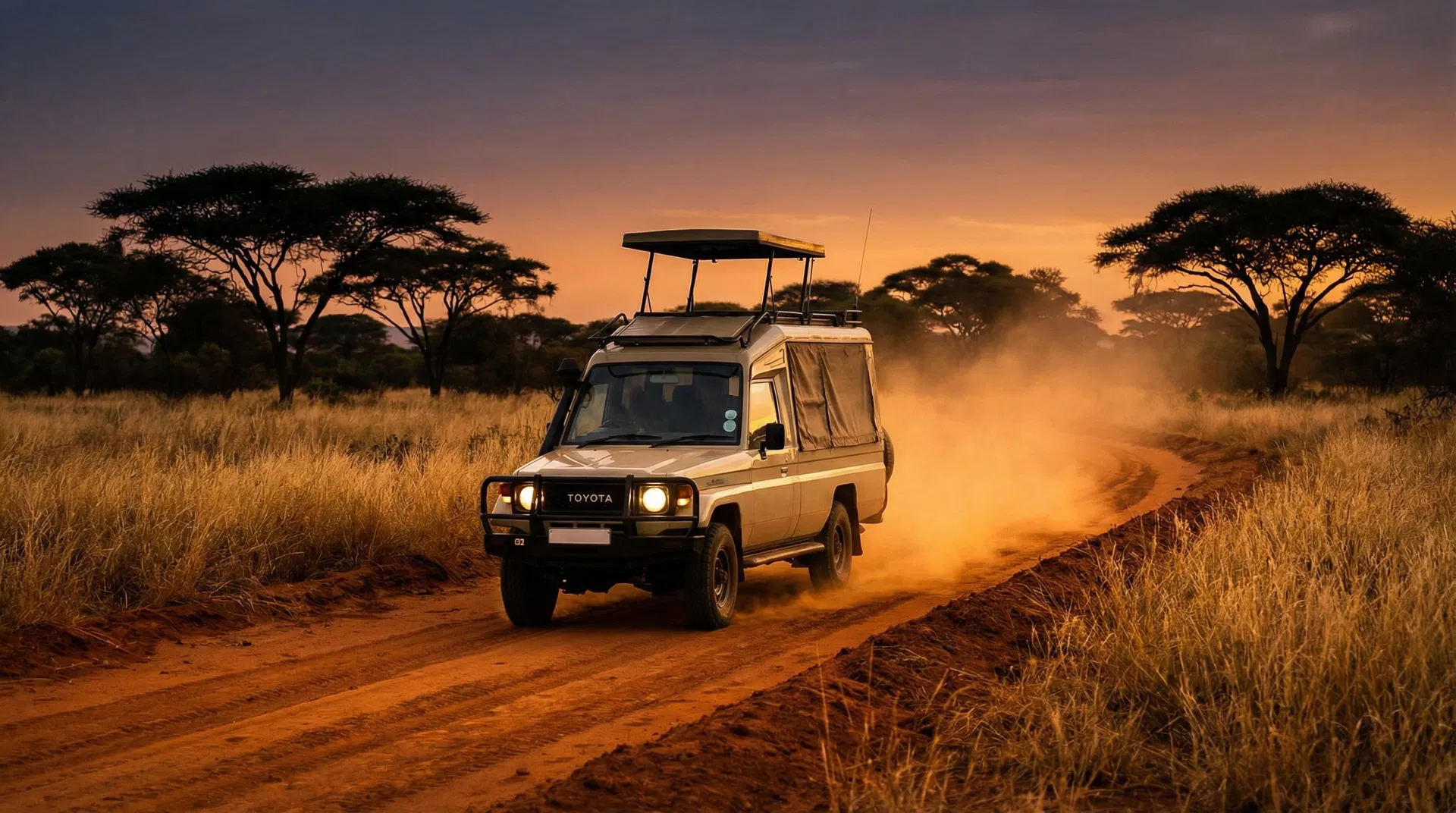 Travel Logistics
Safari Flash Flood Safety
A comprehensive guide to Safari Flash Flood Safety. Learn everything you need to know for your safari adventure.
3 min read