Planning a Great Migration safari? Our expert guide covers the annual cycle, top destinations, and essential tips for witnessing this incredible wildlife spectacle.
'''The Great Migration is one of nature's most unforgettable spectacles. A continuous, circular journey of over two million wildebeest, zebras, and gazelles across the vast plains of the Serengeti in Tanzania and the Maasai Mara in Kenya, it is a dramatic, raw, and awe-inspiring display of the natural world in motion. This ancient pilgrimage is driven by the relentless search for fresh grazing and water, creating a constantly moving drama of survival, birth, and renewal. For safari travelers, witnessing the Great Migration is often considered the ultimate wildlife experience, offering a front-row seat to one of the most remarkable events on the planet. Planning a safari around this phenomenon, however, requires careful timing and a deep understanding of its complex, year-long cycle. This guide provides the expert knowledge you need to plan a successful Great Migration safari.## What is the Great Migration?The Great Migration is the largest overland migration of mammals in the world. It involves approximately 1.5 million blue wildebeest, 500,000 Thomson's gazelles, 200,000 Burchell's zebras, and a smaller number of elands. These vast herds move in a clockwise direction, following the seasonal rains to find fresh, nutrient-rich grasses. This journey is fraught with peril, as predators such as lions, leopards, cheetahs, hyenas, and crocodiles lie in wait, turning the migration into a constant struggle for survival. The sheer scale of the herds is difficult to comprehend, with columns of animals stretching for miles across the open savanna. It is not a single, unified movement but a dispersed and continuous flow of life, with different groups moving at their own pace.### The Serengeti and Maasai Mara EcosystemThe migration unfolds across the Serengeti-Mara ecosystem, a vast and protected wilderness area that spans approximately 30,000 square kilometers (12,000 square miles). This ecosystem encompasses Tanzania's Serengeti National Park, the Ngorongoro Conservation Area, and several smaller game reserves, as well as Kenya's Maasai Mara National Reserve. The health of this ecosystem is vital for the survival of the migration, as the animals depend on its seasonal patterns of rainfall and grass growth. The two main rivers the herds must cross, the Grumeti River in the Serengeti and the Mara River between the Serengeti and the Maasai Mara, present some of the most dramatic and dangerous obstacles of their journey.## The Annual Migration Cycle: A Month-by-Month GuideTiming is everything when it comes to planning a Great Migration safari. The herds are constantly on the move, and their location depends on the time of year and the availability of grazing. While the exact timing can vary slightly from year to year based on rainfall patterns, the general cycle remains consistent.### January - March: The Calving Season in the Southern SerengetiThe year begins with the herds concentrated on the short-grass plains of the southern Serengeti and the Ngorongoro Conservation Area. This is the calving season, a period of incredible renewal and vulnerability. From late January to March, over 500,000 wildebeest calves are born within a few weeks of each other. This synchronized birthing is a survival strategy; the sheer number of newborns overwhelms predators, increasing the chances of survival for the majority of the calves. The open plains offer excellent visibility, making this a fantastic time for game viewing. The abundance of young, vulnerable animals attracts a high concentration of predators, leading to dramatic scenes of hunts and survival.### April - May: The Journey NorthThe long rains typically begin in April, signaling the start of the northward journey. The herds begin to move from the depleted southern plains towards the fresh grasses of the Serengeti's Western Corridor. This is a transitional period, and the migration can be more dispersed. The heavy rains can make some roads impassable, and some lodges may close during this time. However, for the adventurous traveler, this can be a rewarding time to visit, with lush green landscapes and fewer crowds.### June - July: The Grumeti River CrossingAs the herds continue their trek north, they face their first major obstacle: the Grumeti River. Located in the Serengeti's Western Corridor, the Grumeti is home to some of Africa's largest crocodiles, which lie in wait for the migrating animals. The river crossings are intense and dramatic, as the wildebeest and zebras plunge into the water, battling strong currents and lurking predators. This is a prime time for witnessing the raw power of the migration, and the Grumeti region offers excellent game viewing opportunities.### August - October: The Mara River and the Maasai MaraFrom late July or early August, the herds reach the northern Serengeti and begin to cross the Mara River into Kenya's Maasai Mara National Reserve. The Mara River crossings are perhaps the most famous and sought-after spectacle of the Great Migration. The river is deep, its currents are strong, and it is infested with crocodiles. The scenes of chaos, panic, and survival as thousands of animals brave the crossing are what many travelers come to see. The herds will spend these months grazing on the lush plains of the Maasai Mara, constantly moving and crossing the river back and forth in search of the best pastures. This is considered peak season, and the Maasai Mara can be busy, but the wildlife viewing is unparalleled.### November - December: The Return SouthAs the short rains begin in the south around November, the herds start their journey back towards the Serengeti. They move down through the eastern Serengeti, a less-visited but beautiful part of the park. By December, they are arriving back on the southern plains, where the grasses are once again green and nutritious, and the cycle begins anew. This is another excellent time for game viewing, with the herds gathering in large numbers and the landscape transformed by the rains.## Where to Stay to Witness the MigrationChoosing the right accommodation is crucial for a successful Great Migration safari. The best lodges and camps are strategically located to offer prime access to the herds at different times of the year.### Mobile Camps: Following the HerdsFor the most immersive experience, consider staying in a mobile or semi-permanent tented camp. These camps move several times a year to follow the migration, ensuring that you are always in the heart of the action. They offer a classic safari experience, with comfortable tents, excellent service, and a sense of being close to nature. Some of the best mobile camps include &Beyond Serengeti Under Canvas, Asilia's Ubuntu Migration Camp, and Nomad's Serengeti Safari Camp.### Permanent Lodges: Strategic LocationsThere are also many excellent permanent lodges located in key migration areas. In the southern Serengeti, lodges like Ndutu Safari Lodge and Kusini Kopjes offer great access to the calving season. In the Western Corridor, Grumeti Serengeti Tented Camp and Mbalageti Serengeti are well-positioned for the Grumeti River crossings. In the northern Serengeti, lodges such as Sayari Camp and Lamai Serengeti provide superb access to the Mara River crossings. In the Maasai Mara, Governors' Camp and Angama Mara are iconic properties with stunning views and prime locations.## Planning Your Great Migration SafariA Great Migration safari requires careful planning and booking well in advance, especially for the peak season (July to October). Here are some practical tips to help you plan your trip.### Book EarlyThe most popular lodges and camps can be fully booked a year or more in advance. To secure your preferred accommodation and dates, it is essential to start planning early. This is particularly true for the Mara River crossing season.### Choose the Right Time and PlaceWork with a knowledgeable safari advisor to determine the best time to travel based on your interests. If you want to see the calving season, plan for February. If your heart is set on the dramatic river crossings, aim for August or September. Be aware that the migration is a natural event and its timing can never be guaranteed, but a good advisor can help you maximize your chances.### Consider a Private GuideFor the ultimate flexibility and a more in-depth experience, consider hiring a private guide and vehicle. A private guide can tailor each day's activities to your interests, whether it's waiting patiently for a river crossing or searching for a specific predator.### Be Prepared for the CostA Great Migration safari is a premium experience, and prices reflect that. Park fees, accommodation, and logistics all contribute to the cost. Expect to pay a premium for lodges in prime migration areas, especially during the peak season.## Beyond the Migration: What Else to SeeWhile the migration is the main attraction, the Serengeti-Mara ecosystem offers incredible wildlife viewing year-round. The resident populations of predators, including lions, leopards, and cheetahs, are always present. The Ngorongoro Crater, a short drive from the southern Serengeti, is a self-contained ecosystem with a high density of wildlife, including the rare black rhino. Tarangire National Park, known for its large elephant herds and baobab trees, is another excellent addition to a northern Tanzania safari itinerary. In Kenya, you can combine the Maasai Mara with other parks like Amboseli, known for its large elephants and views of Mount Kilimanjaro, or Samburu, home to unique northern species.The Great Migration is more than just a journey; it is the lifeblood of the Serengeti-Mara ecosystem. It is a powerful reminder of the rhythms of nature and the incredible resilience of wildlife. To witness it is to witness one of the last great wonders of the natural world, an experience that will stay with you for a lifetime. By planning carefully and working with experts, you can ensure that your Great Migration safari is everything you dreamed it would be and more.'''
Explore Related Topics
Recommended Reading
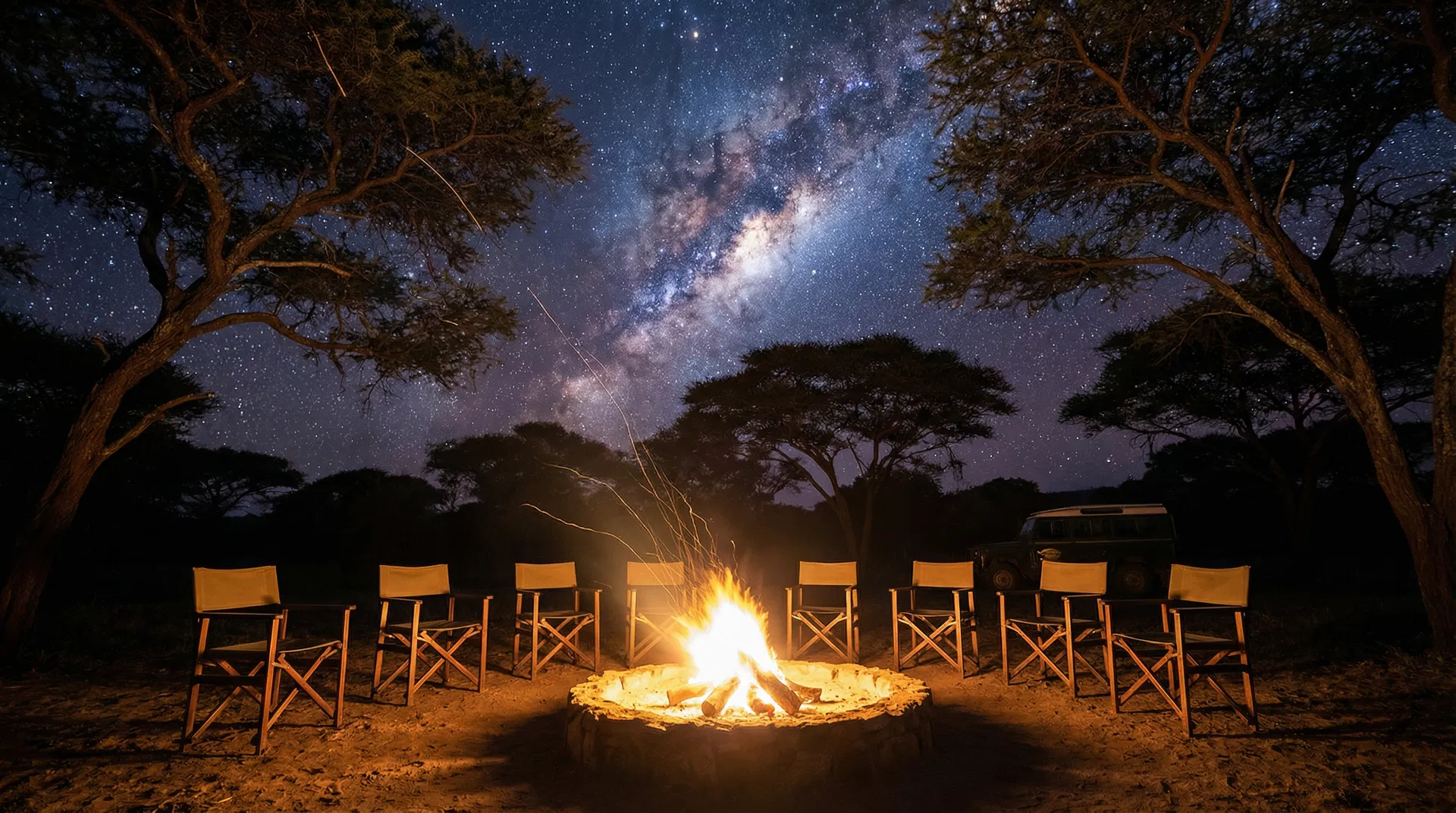 Additional Safari Topics
Serengeti Migration Map Guide
Planning a Serengeti safari? Our guide to the Great Migration map helps you understand the herds' movements and choose the best time and place for your trip.
6 min read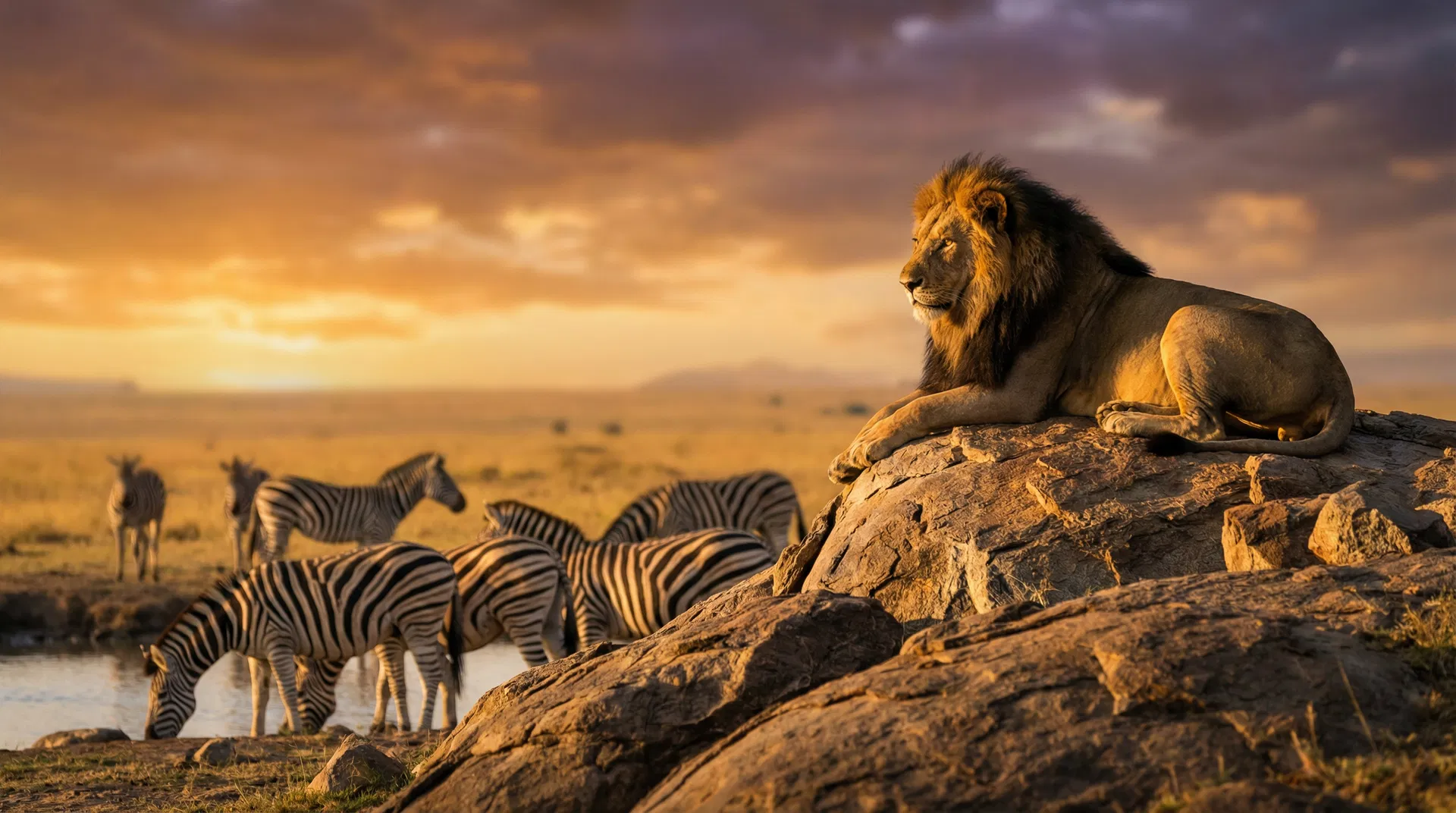 Wildlife Guides
Complete Guide to Zebra Migration Patterns
Learn all about Complete Guide to Zebra Migration Patterns in this comprehensive guide. Discover the best time to go, what to see, and how to plan your trip.
6 min readWildlife GuidesComplete Guide to Wildebeest Migration Biology
Learn all about Complete Guide to Wildebeest Migration Biology in this comprehensive guide. Discover the best time to go, what to see, and how to plan your trip.
6 min read Safari Planning Guides
How to Plan a Safari Around the Great Migration
Discover how to plan your dream safari with our expert guide on How to Plan a Safari Around the Great Migration. Get tips on destinations, costs, and more.
8 min read Safari Cost Guides
Cost of a Great Migration Safari
Planning a safari? Learn about cost of a great migration safari. Get expert advice and insights from Safari Intelligence to plan your perfect trip.
8 min read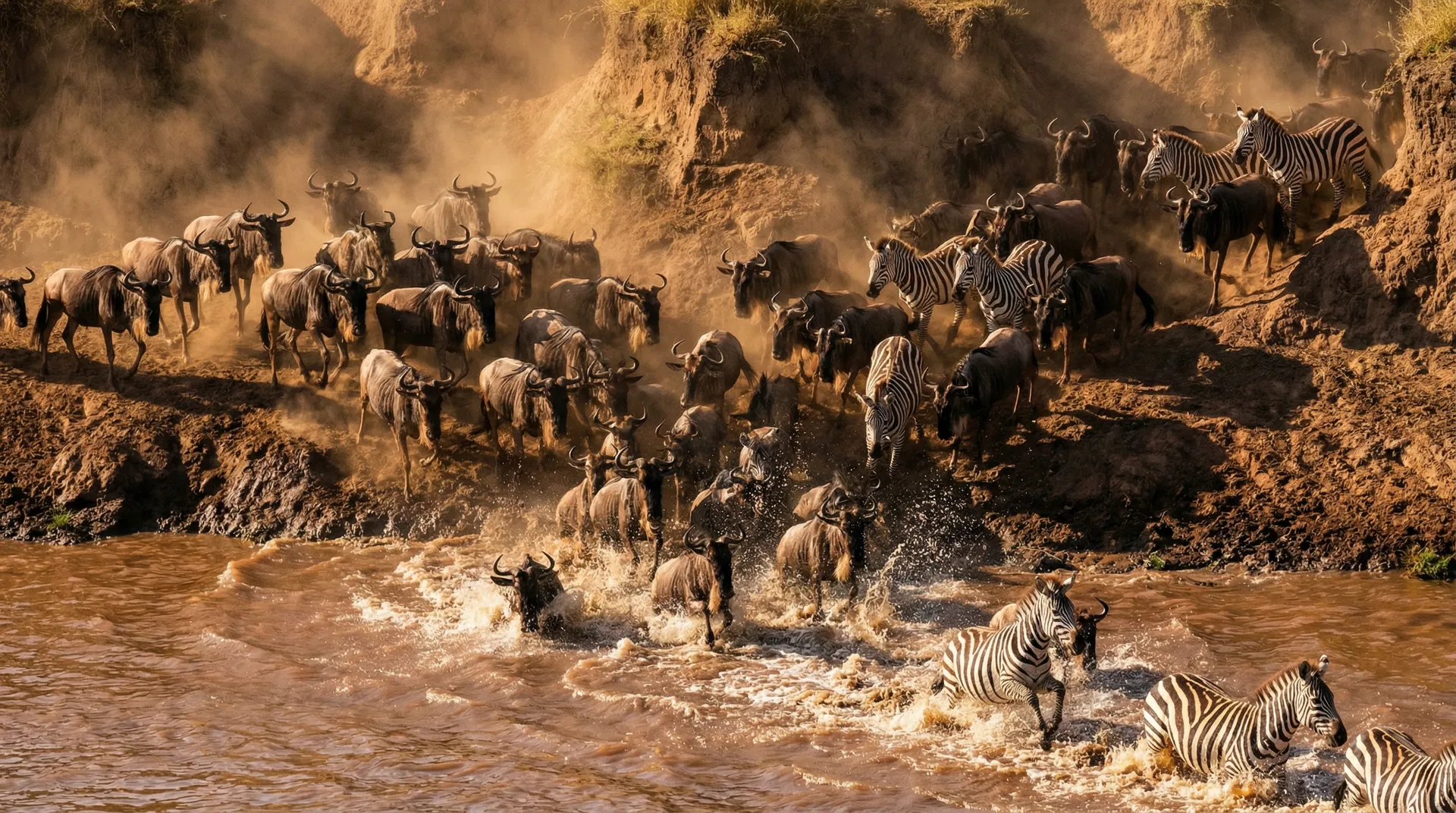 Season & Timing Guides
Best Time to See the Great Migration in Serengeti
Expert guide on best time to see the great migration in serengeti with month-by-month conditions, pricing, and planning recommendations for safari travelers.
11 min read