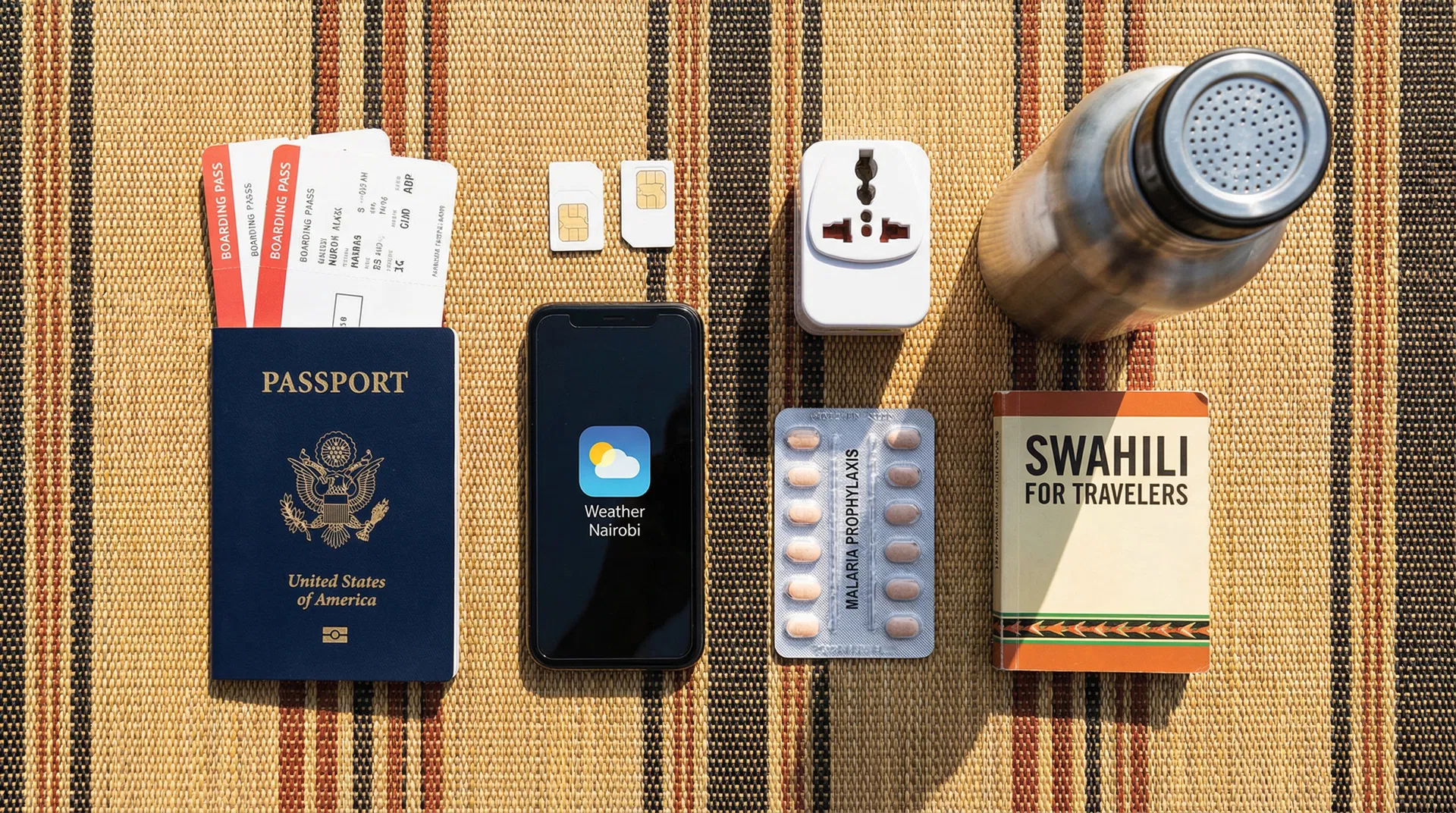
Our comprehensive safari travel insurance guide explains why it's essential, what to look for in a policy, and how to choose the right coverage for your trip.
An African safari is an adventure of a lifetime, a journey into the heart of the wild that promises breathtaking landscapes and unforgettable wildlife encounters. But with this great adventure comes a unique set of risks that you won't find on a typical city break. From the remote locations of safari camps to the unpredictability of wildlife, it's essential to be prepared for the unexpected. This is where a comprehensive safari travel insurance policy becomes your most important travel companion. It's not just about protecting your financial investment; it's about ensuring your health and safety in environments where medical facilities can be hours away. Many reputable safari operators across Africa, from the vast plains of the Serengeti in Tanzania to the Okavango Delta in Botswana, will insist on proof of adequate travel insurance before you even set foot in their vehicles. This isn't just a box-ticking exercise; it's a fundamental requirement for responsible and safe travel in the African bush.
Why is Travel Insurance Essential for a Safari?
Imagine this: you're on a game drive deep in the Maasai Mara in Kenya, and you suddenly fall ill. The nearest clinic is a small, basic facility, and you need urgent medical attention at a modern hospital. A medical evacuation by air is the only option, and the cost can easily run into tens of thousands of dollars. Without travel insurance, this financial burden would fall squarely on your shoulders. This is the stark reality of why safari travel insurance is not just a recommendation but a necessity. It's a safety net that protects you from a range of potential mishaps, from medical emergencies and trip cancellations to lost luggage and travel delays. In a world of uncertainty, it provides the peace of mind you need to fully immerse yourself in the magic of your safari.
Understanding the Risks
The risks associated with an African safari are varied. Medical emergencies are the most significant concern, as you'll often be in remote areas with limited access to advanced medical care. A twisted ankle on a walking safari or a severe allergic reaction can quickly escalate into a serious situation. Beyond health concerns, there are other logistical and financial risks. Your international flight could be canceled, causing you to miss the start of your pre-paid safari. Your luggage with all your specialized safari gear and clothing could be lost in transit. Or, a family emergency back home could force you to cut your trip short. These are not just inconveniences; they can result in significant financial losses. A robust travel insurance policy is designed to mitigate these risks, ensuring that a single unfortunate event doesn't derail your entire adventure.
What to Look for in a Safari Travel Insurance Policy
Choosing the right travel insurance policy for your safari requires careful consideration. A standard, one-size-fits-all policy is unlikely to provide the specific coverage you need for the unique challenges of safari travel. You need a policy that is tailored to the realities of being in the African wilderness. Here are the essential components to look for in a comprehensive safari travel insurance policy:
Medical and Emergency Evacuation Coverage
This is the non-negotiable cornerstone of any safari insurance policy. Your policy should offer a high limit for medical expenses, ideally at least $100,000, to cover any potential medical treatments, from a course of antibiotics to emergency surgery. However, the most critical element is emergency medical evacuation coverage. This covers the cost of transporting you from a remote location to the nearest appropriate medical facility. Given the vast distances in many safari destinations, this is often done by air and can be incredibly expensive. Ensure your policy covers evacuation to a major hospital within the country you're visiting, and ideally, repatriation to your home country if your condition is serious enough to warrant it.
Trip Cancellation and Interruption Coverage
Life is unpredictable, and sometimes, despite months of planning, you may have to cancel your trip. Trip cancellation coverage reimburses you for your pre-paid and non-refundable trip costs if you have to cancel for a covered reason. These reasons typically include the unforeseen illness or death of you, a traveling companion, or a close family member. Trip interruption coverage is equally important. It applies if you have to end your safari early for a covered reason. It will reimburse you for the unused portion of your trip and may also cover the additional costs of last-minute travel arrangements to get you home.
Baggage and Personal Effects Coverage
Losing your luggage is a nightmare scenario for any traveler, but it can be particularly disruptive on a safari. Your bags will contain essential items like prescription medications, specialized clothing, and expensive camera equipment. Baggage and personal effects coverage provides reimbursement if your luggage is lost, stolen, or damaged. Pay close attention to the per-item limit and the total coverage amount to ensure it's sufficient for your valuables. It's also wise to choose a policy that includes coverage for baggage delays. This provides you with a daily allowance to purchase essential items like toiletries and a change of clothes while you wait for your delayed bags to catch up with you.
Hazardous Activities Coverage
Many standard travel insurance policies exclude coverage for what they deem to be "hazardous" or "adventure" activities. On a safari, these can include activities like walking safaris, hot air ballooning, or gorilla trekking in the dense forests of Uganda or Rwanda. It is crucial to read the policy wording carefully and ensure that all the activities you plan to participate in are covered. If they are not included in the standard policy, you will likely need to purchase an adventure sports or hazardous activities add-on to be fully protected.
Planning a safari?
Start the Safari Planning System →How Much Does Safari Travel Insurance Cost?
The cost of safari travel insurance is a small price to pay for the comprehensive protection it provides. As a general rule, you can expect to pay between 4% and 10% of your total, non-refundable trip cost. The final premium will depend on a variety of factors:
- Your Age: Older travelers are considered to be at a higher risk of medical issues, so their premiums are typically higher.
- The Total Cost of Your Trip: The more expensive your safari, the higher the potential financial loss, and therefore, the higher the insurance premium.
- The Level of Coverage: Policies with higher coverage limits, lower deductibles, and more included benefits will cost more.
- Your Destination: The perceived risks and the cost of medical care in your chosen safari destination can influence the premium.
- Optional Add-ons: Choosing to add coverage like "Cancel for Any Reason" will increase the cost of your policy.
| Trip Cost | Estimated Insurance Cost (4-10%) | | :--- | :--- | | $5,000 | $200 - $500 | | $10,000 | $400 - $1,000 | | $20,000 | $800 - $2,000 |
When to Buy Safari Travel Insurance
The golden rule of travel insurance is to buy it as soon as you make your first non-refundable payment towards your trip. This is typically your deposit for your safari lodges or your international flights. The reason for this is simple: trip cancellation coverage begins from the day you purchase your policy. If you wait to buy insurance and an unforeseen event forces you to cancel your trip, you will not be covered for any of the money you have already spent. Don't think of it as a last-minute purchase; think of it as an integral part of the booking process.
Understanding "Cancel for Any Reason" (CFAR) Coverage
For the ultimate in travel flexibility and peace of mind, you may want to consider a "Cancel for Any Reason" (CFAR) upgrade. As the name suggests, this optional add-on allows you to cancel your trip for any reason that is not covered by your standard policy and receive a partial refund of your non-refundable trip costs, typically between 50% and 75%. This could be anything from a change of heart about traveling to a work commitment that you can't get out of. CFAR coverage is more expensive and must be purchased within a strict timeframe, usually 10 to 21 days from your initial trip deposit. It's a premium product, but for those who want the highest level of protection against the unexpected, it can be a worthwhile investment.
Final Thoughts on Safari Travel Insurance
In the grand scheme of your safari planning, travel insurance might not be the most exciting topic, but it is undoubtedly one of the most important. It's the invisible shield that protects you, your finances, and your well-being. By investing in a comprehensive policy that is tailored to the specific demands of safari travel, you are free to embrace every moment of your African adventure with confidence and peace of mind. So, as you dream of the Serengeti's endless plains and the majestic wildlife of the Kruger National Park, make sure that a robust travel insurance policy is at the very top of your safari checklist.
Explore Related Topics
Recommended Reading
 Luxury Safari Content
Luxury Safari Travel Insurance Guide
Discover the essentials of luxury safari travel insurance guide for an unforgettable African safari adventure.
8 min read Safari Planning
Travel Insurance for African Safaris
Learn why travel insurance is essential for your African safari. Our guide covers medical emergencies, trip cancellations, and choosing the right policy for you.
7 min read Safari Cost Guides
Safari Travel Insurance Costs Explained
Planning a safari? Learn about safari travel insurance costs explained. Get expert advice and insights from Safari Intelligence to plan your perfect trip.
8 min read Safari Operator Articles
Safari Operator Travel Insurance Requirements
Learn about safari operator travel insurance requirements and how it can impact your safari experience. Get expert advice and start planning your dream safari today.
8 min read Travel Logistics
Safari Medical and Travel Insurance
Travel insurance is essential for any safari. Our guide to medical and travel insurance will help you choose the right policy and travel with peace of mind.
5 min read Safari Advisor Content
How a Safari Advisor Helps With Travel Insurance
Discover the essentials of how a safari advisor helps with travel insurance for an unforgettable African safari adventure.
8 min read