Learn why travel insurance is essential for your African safari. Our guide covers medical emergencies, trip cancellations, and choosing the right policy for you.
Why Travel Insurance Is Essential for Safari Travel
Travel insurance is not optional for an African safari. It is an absolute necessity. Safari destinations are often remote, medical facilities may be limited, and the cost of emergency medical evacuation can exceed $50,000. Comprehensive travel insurance provides financial protection and peace of mind, allowing you to focus on enjoying your wildlife experience.
Many safari operators and lodges require proof of travel insurance before confirming bookings. This requirement reflects the genuine risks associated with remote travel and the importance of being properly covered.
Types of Coverage You Need
Medical Coverage
Medical coverage is the most critical component of your safari travel insurance. Look for policies that provide at least $100,000 in emergency medical coverage, though $250,000 or more is recommended for African travel.
Your policy should cover:
- Emergency medical treatment at local facilities
- Medical evacuation to the nearest appropriate hospital
- Repatriation to your home country if necessary
- Ongoing treatment for injuries or illnesses sustained during travel
Emergency Evacuation
Emergency evacuation coverage is particularly important for safari travelers. Many safari camps and lodges are located in remote areas accessible only by light aircraft or rough roads. If you require urgent medical attention, evacuation by air ambulance may be necessary.
Ensure your policy covers evacuation from remote locations to the nearest appropriate medical facility, as well as repatriation to your home country. Some policies distinguish between medical evacuation and repatriation, so read the fine print carefully.
Trip Cancellation and Interruption
Safari trips represent significant financial investments, often costing thousands of dollars. Trip cancellation insurance protects your investment if you need to cancel before departure due to illness, family emergency, or other covered reasons.
Trip interruption coverage is equally important, protecting you if your trip is cut short after departure. This can cover unused portions of your trip and additional transportation costs to return home.
Not Sure Where to Start?
Start HereChoosing the Right Policy
When selecting travel insurance for your safari, compare policies from multiple providers. Key factors to evaluate include:
- Maximum coverage amounts for medical expenses and evacuation
- Coverage for pre-existing medical conditions
- Adventure activity coverage, including game drives and walking safaris
- Political evacuation coverage for unstable regions
- 24/7 emergency assistance hotline availability
- Claims process simplicity and provider reputation
Some standard travel insurance policies exclude certain activities common on safaris, such as light aircraft flights, walking safaris, or gorilla trekking. Verify that your specific safari activities are covered before purchasing a policy.
Recommended Insurance Providers
Several insurance providers specialize in adventure and safari travel coverage. World Nomads, Allianz Global Assistance, and IMG Global are popular choices among safari travelers. Some safari operators partner with specific insurance providers and can recommend appropriate coverage.
Consider purchasing insurance from a provider with experience in African travel claims. Providers familiar with the logistics of medical evacuation from remote African locations are better equipped to handle emergencies efficiently.
Filing Claims
Understanding the claims process before you travel is important. Keep all receipts, medical records, and documentation related to any incident. Most insurers require notification within a specific timeframe, so contact your provider as soon as an issue arises.
Photograph all relevant documents and store copies digitally in case originals are lost. Having your policy number and emergency contact information easily accessible during your trip is essential.
Cost of Safari Travel Insurance
Travel insurance for an African safari typically costs between 5% and 10% of your total trip cost. For a $5,000 safari, expect to pay $250 to $500 for comprehensive coverage. While this may seem like an additional expense, it is a small price for the protection it provides.
The cost of insurance is insignificant compared to the potential costs of an uninsured medical emergency in a remote African location. A single emergency evacuation flight can cost more than your entire safari, making insurance one of the smartest investments in your trip planning.
Explore Related Topics
Recommended Reading
 Safari Planning
Vaccinations Needed for African Safari Travel
Learn about the required and recommended vaccinations for your African safari. Our guide covers Yellow Fever, Malaria, and other health precautions for your trip.
5 min read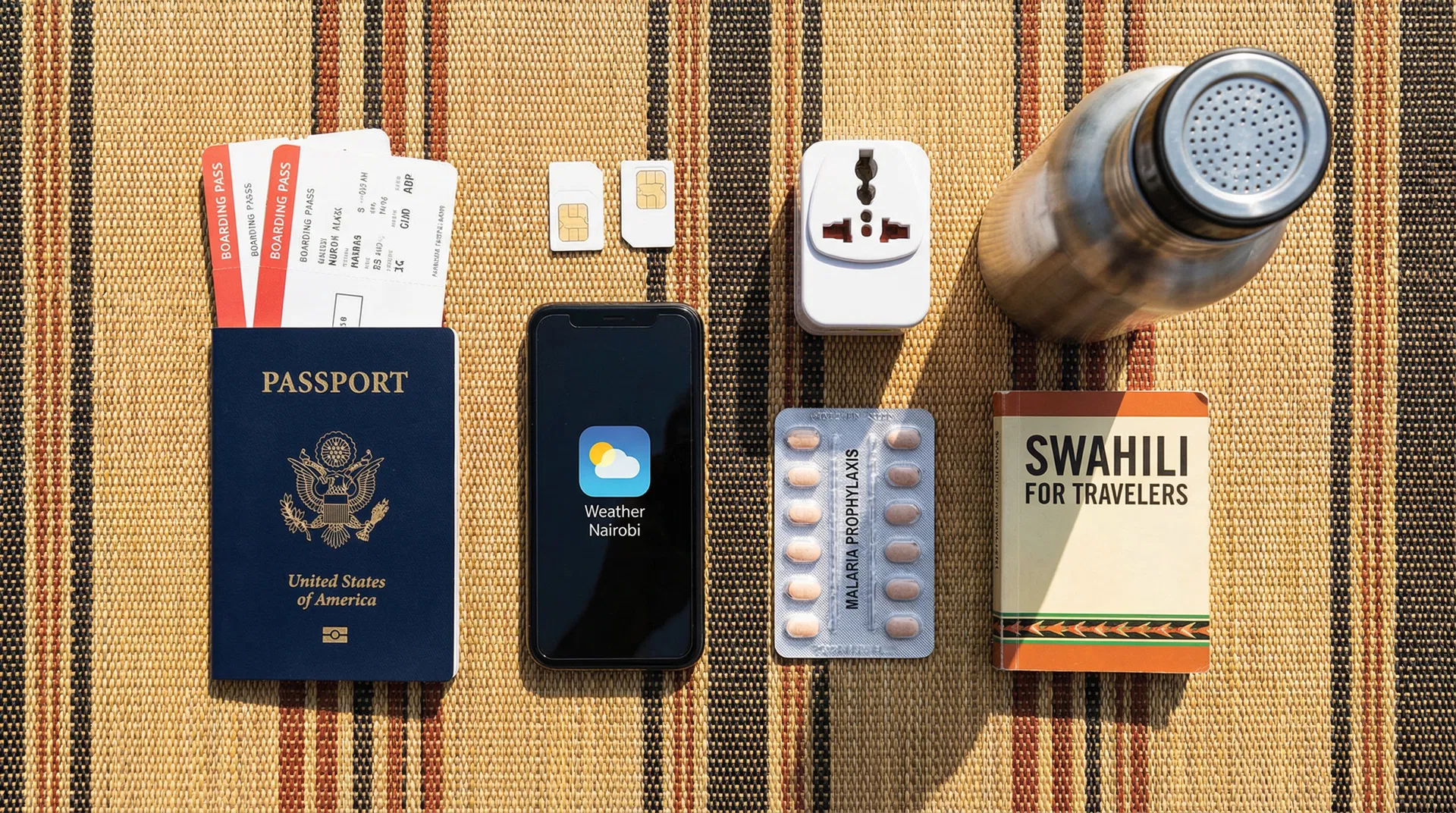 Safari Travel Tips
Safari Travel Insurance Guide
Our comprehensive safari travel insurance guide explains why it\
8 min read Travel Logistics
Safari Medical and Travel Insurance
Travel insurance is essential for any safari. Our guide to medical and travel insurance will help you choose the right policy and travel with peace of mind.
5 min read Luxury Safari Content
Luxury Safari Travel Insurance Guide
Discover the essentials of luxury safari travel insurance guide for an unforgettable African safari adventure.
8 min read Safari Safety
Is African Safari Safe for Travelers?
Is an African safari safe? Our expert guide covers the real risks, safety measures, and practical advice to help you plan a secure and unforgettable journey.
6 min read Safari Cost Guides
Safari Travel Insurance Costs Explained
Planning a safari? Learn about safari travel insurance costs explained. Get expert advice and insights from Safari Intelligence to plan your perfect trip.
8 min readSafari Planning System
Follow our free 7-step interactive system with 50+ action items to plan your safari.