Planning a safari? Our expert guide to travel health covers essential vaccinations, malaria prevention, and food safety tips to ensure a safe and healthy adventure.
''' A safari in Africa is the trip of a lifetime, offering unparalleled wildlife encounters and breathtaking landscapes. To fully enjoy this extraordinary experience, however, it is essential to prioritize your health and well-being. Proactive health planning not only protects you from potential risks but also provides peace of mind, allowing you to immerse yourself in the adventure. From vaccinations and malaria prevention to food and water safety, understanding the health considerations of your destination is a non-negotiable part of your safari preparation. This guide provides practical, actionable advice to help you stay healthy and safe while exploring the wonders of Africa.
Pre-Travel Health Preparations
Your journey to a healthy safari begins long before you board the plane. Proper preparation is the first and most critical step in safeguarding your health. This involves consulting with medical professionals, ensuring you have adequate insurance coverage, and addressing any personal health needs before you travel.
Visit a Travel Health Clinic
At least four to six weeks before your departure, schedule an appointment with a travel health specialist or a clinic specializing in travel medicine. Unlike a general practitioner, a travel doctor has up-to-date information on health risks and vaccination requirements for specific countries. During your consultation, be prepared to discuss your detailed itinerary, including the countries and parks you will be visiting, the duration of your stay, and the types of activities you will be undertaking. This information will allow the specialist to provide personalized recommendations for vaccinations, malaria prophylaxis, and other preventative measures. It is also an excellent opportunity to ask any questions you may have about staying healthy on safari.
Review Your Health Insurance
Before you travel, carefully review your existing health insurance policy to understand what it covers for international travel. Many domestic plans offer limited or no coverage for medical expenses incurred abroad. Therefore, it is highly recommended to purchase a comprehensive travel insurance policy that includes medical evacuation coverage. In the unlikely event of a serious illness or injury in a remote safari location, medical evacuation by air may be necessary, and the costs can be exorbitant. Ensure your policy covers emergency medical treatment, hospitalization, and repatriation.
Pre-Travel Check-ups
Consider scheduling a routine check-up with your primary care physician and dentist before your trip. Addressing any underlying health issues or completing dental work before you leave can prevent complications while you are away. If you take any prescription medications, ensure you have a sufficient supply to last the entire duration of your trip, along with a copy of your prescription and a letter from your doctor. It is also wise to carry your medications in their original packaging in your carry-on luggage.
Essential Vaccinations for Your Safari
Vaccinations are a cornerstone of travel health, providing crucial protection against a range of infectious diseases. The specific vaccinations you need will depend on your destination, your immunization history, and your personal health. A travel health specialist will provide the most accurate advice, but here are some of the most common vaccinations to consider for an African safari.
Routine Vaccinations
First and foremost, ensure that all your routine vaccinations are up to date. These include the measles-mumps-rubella (MMR) vaccine, diphtheria-tetanus-pertussis vaccine, varicella (chickenpox) vaccine, and your annual flu shot. These diseases can be more prevalent in some parts of the world, and being up to date on your immunizations is a simple yet effective way to protect yourself.
Required and Recommended Vaccinations
Some countries require proof of vaccination for certain diseases, such as Yellow Fever, for entry. Others are highly recommended for your own protection.
- Yellow Fever: This is a mosquito-borne viral disease found in parts of sub-Saharan Africa and South America. Some countries, like Uganda and Rwanda, require all travelers to show proof of Yellow Fever vaccination upon arrival. Even if not required, the vaccination is recommended for travel to many safari destinations.
- Hepatitis A and B: Hepatitis A is a viral liver disease that can be contracted through contaminated food or water, while Hepatitis B is transmitted through infected bodily fluids. Both are preventable with highly effective vaccines.
- Typhoid: This is a bacterial infection spread through contaminated food and water. The vaccination is recommended for travelers to many parts of Africa, especially those who plan to visit smaller cities or rural areas.
- Tetanus: A booster for tetanus is recommended every 10 years. If you are injured while on safari, this vaccination will protect you from a serious bacterial infection.
Malaria Prevention: A Non-Negotiable Priority
Malaria is a serious and sometimes fatal disease transmitted by the bite of an infected female Anopheles mosquito. It is a significant health risk in many popular safari destinations, including the Greater Kruger National Park in South Africa, the Serengeti in Tanzania, the Okavango Delta in Botswana, and Queen Elizabeth National Park in Uganda. However, with the right precautions, the risk of contracting malaria can be significantly reduced.
Antimalarial Medication
Consult with your travel doctor about the most appropriate antimalarial medication (prophylaxis) for your destination. Common options include Atovaquone/Proguanil (Malarone), Doxycycline, and Mefloquine. Your doctor will recommend the best choice based on your itinerary, your medical history, and the resistance patterns of the local malaria parasites. It is crucial to take the medication exactly as prescribed—before, during, and after your trip—to ensure its effectiveness.
Preventing Mosquito Bites
In addition to taking antimalarial medication, the most effective way to prevent malaria is to avoid being bitten by mosquitoes. The Anopheles mosquito is most active from dusk until dawn, so take extra precautions during these hours.
- Use Insect Repellent: Apply an insect repellent containing DEET, picaridin, or oil of lemon eucalyptus to all exposed skin.
- Wear Protective Clothing: Wear long-sleeved shirts, long pants, socks, and shoes in the evenings and early mornings.
- Sleep Under a Mosquito Net: Most reputable safari lodges and camps provide insecticide-treated mosquito nets over the beds. Ensure there are no holes and that the net is tucked securely under the mattress.
Staying Healthy on Safari: Food, Water, and Sun Safety
Beyond vaccinations and malaria prevention, practicing good hygiene and being mindful of what you eat and drink are essential for staying healthy. The African sun can also be intense, so sun protection is another key consideration.
Food and Water Safety
Traveler's diarrhea is a common ailment, but it can usually be avoided by following a few simple guidelines.
- Drink Bottled or Purified Water: Never drink tap water. Stick to bottled, boiled, or purified water, and avoid ice in your drinks unless you are certain it was made from purified water. Most safari lodges provide safe drinking water.
- Be Cautious with Food: At reputable safari lodges, the food is generally prepared to high standards and is safe to eat. Be more cautious with street food or in local markets. As a general rule, eat food that is cooked to order and served hot. Peel all fruits and vegetables yourself.
Sun Protection
The sun in Africa can be incredibly strong, even on overcast days. Sunburn can happen quickly and can be severe.
- Use High-SPF Sunscreen: Apply a broad-spectrum sunscreen with a high SPF (30 or higher) to all exposed skin and reapply it regularly, especially after swimming.
- Wear a Hat and Sunglasses: A wide-brimmed hat will protect your face, neck, and ears, while sunglasses will protect your eyes from harmful UV rays.
- Stay Hydrated: Drink plenty of water throughout the day to stay hydrated, especially during game drives or walking safaris.
Your Safari Medical Kit: What to Pack
While your safari lodge will have a basic first-aid kit, it is always a good idea to bring your own small medical kit with essentials and any personal medications you need. This ensures you have what you need, when you need it, especially in remote locations.
Essential Items for Your Kit
- Pain Relievers: Ibuprofen or acetaminophen for headaches or minor aches and pains.
- Antihistamines: For allergic reactions or to relieve itching from insect bites.
- Antidiarrheal Medication: Such as loperamide (Imodium).
- Antiseptic Wipes and Hand Sanitizer: For cleaning minor cuts and scrapes and for hand hygiene.
- Band-Aids and Blister Treatment: For minor injuries.
- Personal Medications: Any prescription or over-the-counter medications you take regularly.
By taking these travel health tips to heart, you are making a wise investment in your safari experience. A little preparation goes a long way in ensuring that your African adventure is remembered for its incredible wildlife and stunning scenery, not for a preventable health issue. So, consult your doctor, get your vaccinations, pack your medical kit, and get ready for the journey of a lifetime. '''
Explore Related Topics
Recommended Reading
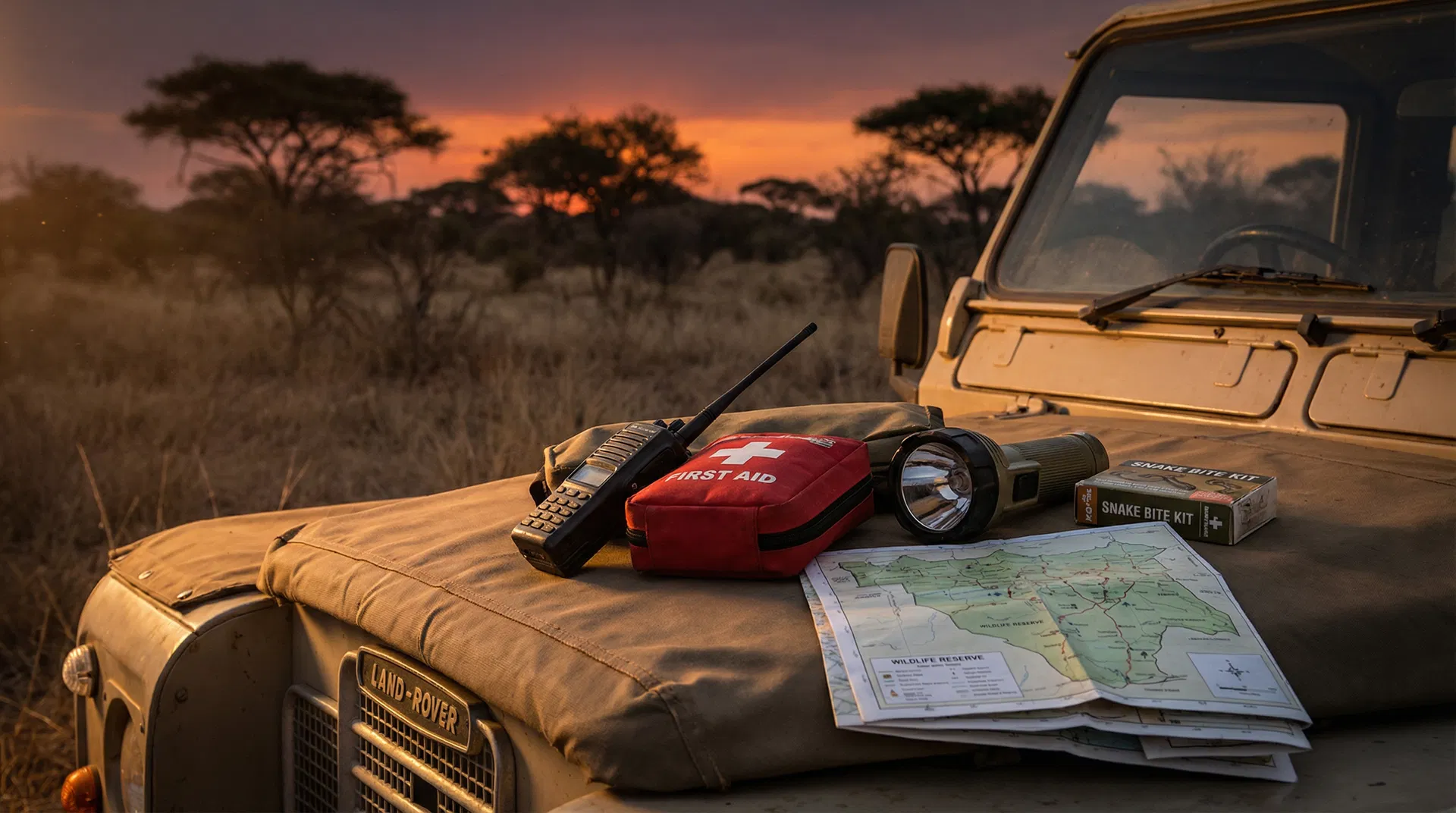 Safari Safety
Health Precautions for Safari Travelers
Planning a safari? Our guide to health precautions for safari travelers covers vaccinations, malaria prevention, and food safety for a safe African adventure.
7 min read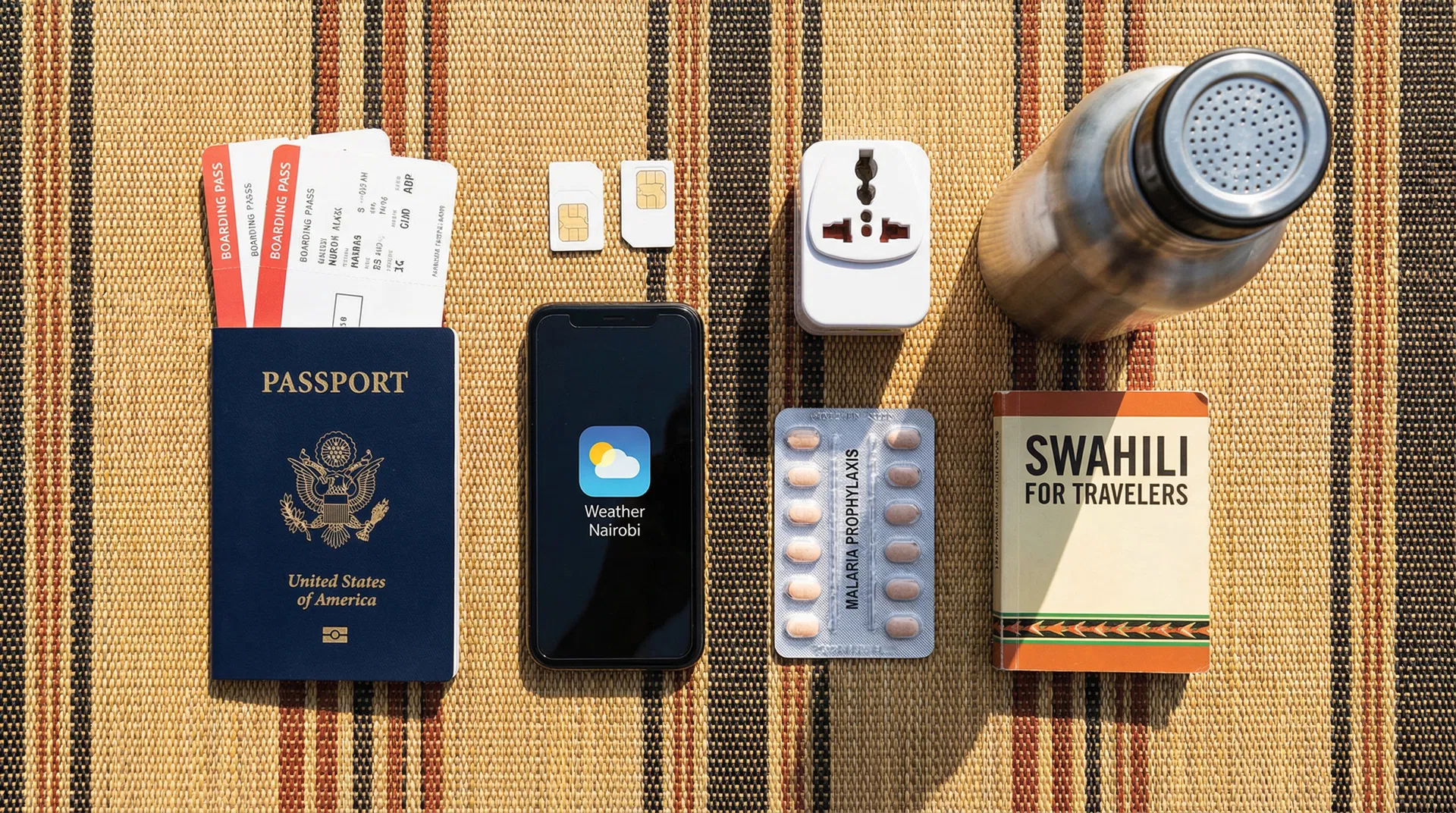 Safari Travel Tips
Safari Travel Insurance Guide
Our comprehensive safari travel insurance guide explains why it's essential, what to look for in a policy, and how to choose the right coverage for your trip.
8 min read Safari Planning
Vaccinations Needed for African Safari Travel
Learn about the required and recommended vaccinations for your African safari. Our guide covers Yellow Fever, Malaria, and other health precautions for your trip.
5 min readSafari PlanningTravel Insurance for African Safaris
Learn why travel insurance is essential for your African safari. Our guide covers medical emergencies, trip cancellations, and choosing the right policy for you.
7 min readSafari PlanningSafari Itinerary Planning Tips
Learn how to plan the perfect African safari itinerary with our expert tips on choosing destinations, balancing travel time, and finding the best time to go.
6 min read Country Guides
South Africa Safari Health and Safety Overview
A guide to staying healthy and safe on a South African safari, from malaria prevention and vaccinations to wildlife encounters and personal security.
6 min read