Discover the best time of year to go on an African safari. Learn about the wet and dry seasons, and find out the ideal months to visit top destinations.
When planning an African safari, one of the most important decisions you'll make is choosing the right time of year to travel. The timing of your trip can dramatically impact everything from wildlife viewing opportunities to pricing and availability. While there is no single "best" time to go on safari that applies to all destinations, understanding the seasonal patterns of different regions will help you plan a truly unforgettable experience.
Africa's vast and diverse landscapes are governed by distinct wet and dry seasons, which dictate the movement of animals and the overall safari experience. This guide will walk you through the key factors to consider when deciding on the best time for your safari adventure, ensuring you are in the right place at the right time.
Understanding Africa's Safari Seasons
Most safari destinations in East and Southern Africa have two main seasons: the Dry season and the Wet season. Each offers a unique experience with its own set of advantages and disadvantages.
The Dry Season: Peak Wildlife Viewing
The Dry season, which typically runs from June to October in most of East and Southern Africa, is widely considered the best time for wildlife viewing. During these months, the vegetation is sparse, and water sources are limited, causing animals to congregate around rivers and waterholes. This makes them easier to spot and creates incredible opportunities for dramatic wildlife encounters.
Advantages of the Dry Season:
- Excellent Wildlife Viewing: Animals are more concentrated and easier to see.
- Pleasant Weather: You can expect sunny, clear skies and very little rain.
- Fewer Mosquitoes: The dry conditions mean fewer insects.
Disadvantages of the Dry Season:
- Higher Prices: This is the peak tourist season, so expect higher costs for accommodation and tours.
- Crowds: Popular parks can be more crowded with safari vehicles.
The Wet Season: Lush Landscapes and New Life
The Wet season, also known as the "Green season," varies by region but generally occurs from November to May. This period is characterized by afternoon thundershowers that transform the landscape into a lush, green paradise. It's the time of year when many animals give birth, offering heartwarming scenes of baby wildlife.
Advantages of the Wet Season:
- Lower Prices: You can often find better deals on lodges and safaris.
- Fewer Crowds: Enjoy a more exclusive safari experience with fewer other travelers.
- Stunning Scenery: The vibrant green landscapes are a photographer's dream.
- Birdwatching: This is the best time for birding, as migratory birds are present.
Disadvantages of the Wet Season:
- Wildlife is More Dispersed: Animals are harder to spot in the dense vegetation.
- Rain: Afternoon showers can sometimes disrupt activities.
- Accessibility: Some roads may become impassable in more remote areas.
Best Time to Go on Safari by Destination
While the general seasonal patterns are a good starting point, the best time to visit can vary significantly between different countries and even parks within the same country. Here's a breakdown of the best times to visit some of Africa's top safari destinations.
Tanzania: Home of the Great Migration
Tanzania is famous for the Serengeti National Park and the incredible spectacle of the Great Wildebeest Migration. The timing of your visit should align with the movement of the herds.
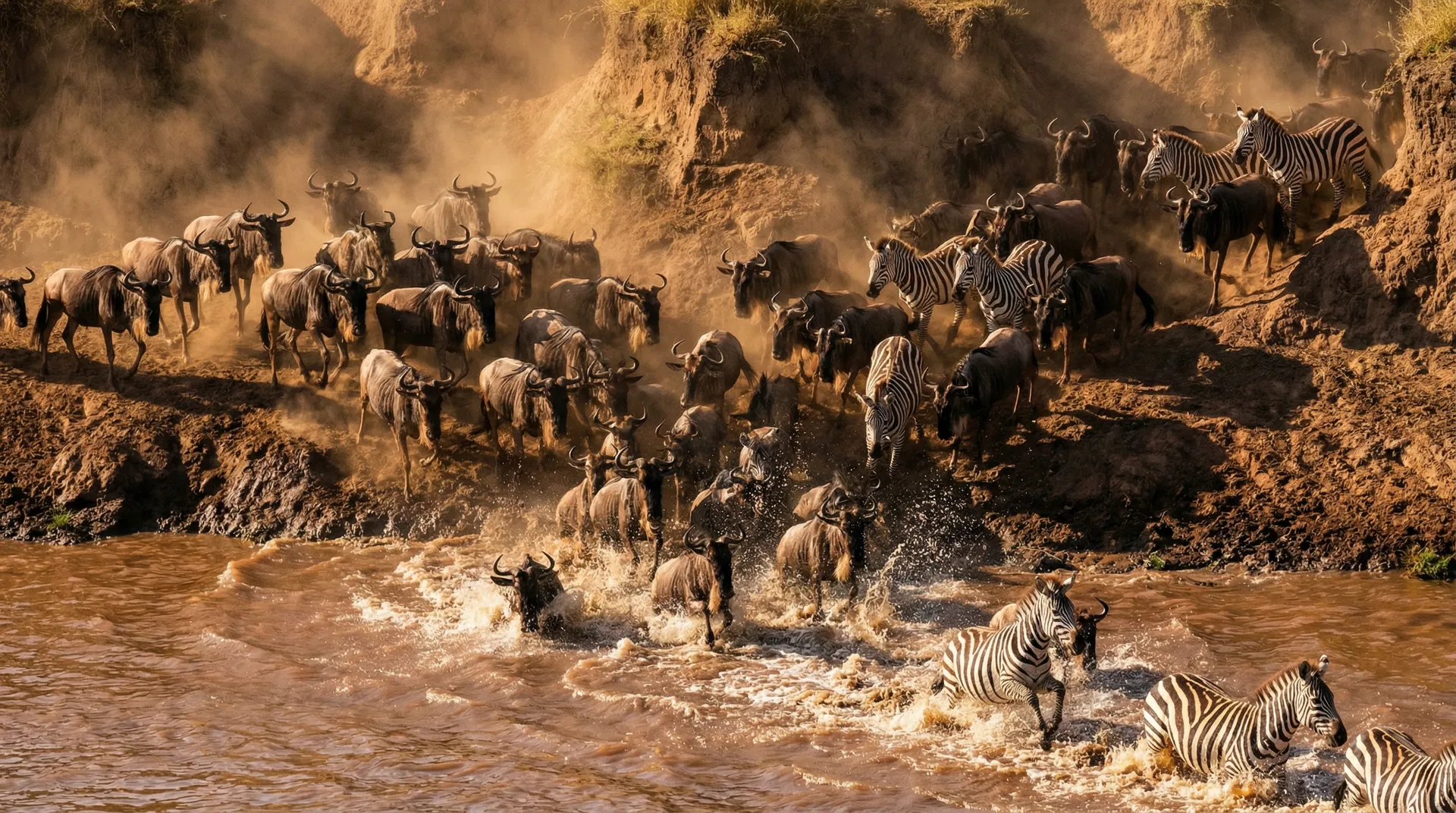
- June to October (Dry Season): This is the best time to see the dramatic river crossings of the Grumeti and Mara Rivers in the Western and Northern Serengeti.
- January to March (Calving Season): Head to the Southern Serengeti to witness thousands of wildebeest giving birth. This is also a great time to see predators in action.
Kenya: The Maasai Mara and Beyond
Kenya's Maasai Mara National Reserve is the other stage for the Great Migration. The best time to visit the Mara is from July to October, when the wildebeest herds have crossed over from the Serengeti.
Beyond the Mara, parks like Amboseli and Samburu are excellent year-round destinations, but the dry months of June to October and January to February offer the most reliable wildlife viewing.
Uganda and Rwanda: Gorilla Trekking Adventures
For those dreaming of a face-to-face encounter with mountain gorillas, the best time to visit Uganda's Bwindi Impenetrable Forest and Rwanda's Volcanoes National Park is during the two dry seasons:
- June to September: Long dry season with ideal trekking conditions.
- December to February: Short dry season, also excellent for gorilla trekking.
While you can track gorillas year-round, the trails are much more challenging and slippery during the wet seasons.
Botswana: The Okavango Delta and Chobe
Botswana offers a unique safari experience, with much of its wildlife concentrated around the Okavango Delta. The best time to visit is during the local winter, from May to October.
During these months, the Okavango Delta is flooded with seasonal waters, creating a stunning wetland paradise that attracts animals from all over the region. This is the perfect time for a mokoro (traditional canoe) safari. Chobe National Park is also at its best during the dry season, with huge herds of elephants congregating along the Chobe River.
Not Sure Where to Start?
Start HereThe "Shoulder" Seasons: A Smart Compromise
If you're looking for a balance between good wildlife viewing, pleasant weather, and lower prices, consider traveling during the "shoulder" seasons. These are the months that fall between the peak and off-peak seasons, such as April, May, and November.
During the shoulder seasons, you can often enjoy the benefits of both the wet and dry seasons. The landscapes are still relatively green, wildlife is active, and you'll encounter fewer crowds than in the peak months. This can be a smart choice for budget-conscious travelers who still want a high-quality safari experience.
Making Your Decision
Ultimately, the best time of year to go on safari depends on your priorities. If your main goal is to see as much wildlife as possible, the dry season is your best bet. If you're a keen photographer or birder, or if you're looking for a more affordable and less crowded experience, the wet season has its own unique appeal.
By understanding the seasonal dynamics of your chosen destination, you can plan a safari that aligns perfectly with your interests and expectations. No matter when you choose to go, an African safari is a journey that will stay with you for a lifetime.
Explore Related Topics
Recommended Reading
 Safari Planning
Best Countries for First-Time Safari Travelers
Discover the best countries for a first-time safari. Our expert guide compares Tanzania, Kenya, South Africa, and more to help you plan your dream African adventure.
 Season & Timing Guides
Best Time to Visit South Africa for Safari
Expert guide on best time to visit south africa for safari with month-by-month conditions, pricing, and planning recommendations for safari travelers.
Season & Timing GuidesBest Time to Visit Tanzania for Safari
Expert guide on best time to visit tanzania for safari with month-by-month conditions, pricing, and planning recommendations for safari travelers.
Season & Timing GuidesBest Time to Visit Kenya for Safari
Expert guide on best time to visit kenya for safari with month-by-month conditions, pricing, and planning recommendations for safari travelers.
Safari PlanningSafari Planning Timeline – When to Book Your Trip
Learn the ideal safari planning timeline for booking your African adventure. Our guide covers when to book for the best lodges, prices, and experiences.
 Safari Safety
Safari Safety Tips for First-Time Visitors
Planning your first African safari? Our expert guide provides essential safari safety tips for a worry-free adventure, from wildlife encounters to health advice.