Master your safari photography with our expert tips on cameras, lenses, settings, and composition. Learn how to capture stunning wildlife photos in Africa.
''' An African safari is a journey of a lifetime, offering incredible opportunities to witness and photograph the world's most iconic wildlife in its natural habitat. From the vast plains of the Serengeti to the waterways of the Okavango Delta, every moment presents a new photographic challenge and reward. Capturing these moments requires more than just a good camera; it demands an understanding of your equipment, the environment, and the animals themselves. This guide provides practical safari photography tips to help you move beyond simple snapshots and create truly stunning images that do justice to your incredible experience.
Choosing the Right Camera and Lenses
Your camera gear is the foundation of your safari photography. While you don't need the most expensive professional setup, having the right tools will significantly impact the quality of your photos. The key is to balance capability with portability, as you'll be traveling and shooting from a vehicle.
Camera Body: DSLR vs. Mirrorless
Both DSLR and mirrorless cameras are excellent choices for a safari. DSLRs are known for their robust build and long battery life, which is a major advantage in remote locations with limited charging opportunities. Mirrorless cameras, on the other hand, are lighter and more compact, a significant benefit when dealing with luggage weight restrictions. Many modern mirrorless cameras also offer features like silent shooting, which is ideal for not disturbing wildlife.
The Essential Safari Lens: Telephoto Zoom
If you invest in only one piece of gear, make it a quality telephoto zoom lens. Wildlife is often further away than you expect, and a good zoom allows you to fill the frame without disturbing the animals. A lens with a focal range of 100-400mm or 200-500mm is ideal for most safari situations. This versatility allows you to capture a close-up portrait of a lion in one moment and a wider shot of an elephant herd the next, all without changing lenses.
A Second Lens for Landscapes and Lodge Shots
While wildlife is the main event, don't forget to capture the stunning landscapes and beautiful lodges that are part of the safari experience. A wide-angle or standard zoom lens, such as a 24-70mm or 18-55mm, is perfect for this. It will allow you to photograph the vast, sweeping savannas of the Maasai Mara, the dramatic skies over the Namib Desert, or the intricate details of your safari camp.
Essential Camera Settings for Safari
Mastering a few key camera settings will transform your photography. While "Auto" mode can be tempting, taking control of your camera's settings will allow you to adapt to the challenging and rapidly changing conditions of a safari.
Shutter Speed: Freezing the Action
Animals are constantly moving, and a fast shutter speed is crucial to capture sharp, blur-free images. As a general rule, aim for a shutter speed of at least 1/1000th of a second for moving animals. For birds in flight, you may need to go as high as 1/2500s. In lower light, you can get away with a slower shutter speed for stationary animals, but always be mindful of camera shake.
Aperture: Controlling Depth of Field
Aperture controls how much of your image is in focus. For classic wildlife portraits where the animal is sharp and the background is softly blurred, use a wide aperture (a low f-number like f/2.8 or f/4). This helps your subject stand out. If you want to capture an animal within its environment and keep both the subject and the background sharp, you will need to use a narrower aperture (a higher f-number like f/8 or f/11).
ISO: Mastering Low-Light Situations
Game drives often happen in the early morning and late afternoon when the light is beautiful but low. Your ISO setting controls the camera's sensitivity to light. Don't be afraid to increase your ISO to 800, 1600, or even higher to maintain a fast shutter speed in low light. While a higher ISO can introduce some grain or "noise" into your photos, a slightly noisy but sharp image is always better than a blurry one.
Drive Mode: Continuous Shooting is Key
Set your camera to its continuous shooting or "burst" mode. This allows you to take a rapid series of photos by holding down the shutter button. This is essential for capturing action sequences, like a cheetah sprinting or an eagle taking off. It dramatically increases your chances of getting that one perfect shot with the ideal posture and composition.
Composition Tips for Stunning Wildlife Photos
Great wildlife photography is about more than just a sharp image of an animal. Composition is how you arrange the elements within your frame to create a visually appealing and impactful photograph.
The Rule of Thirds
Imagine your frame is divided into a 3x3 grid. The rule of thirds suggests placing your subject on one of the intersecting lines rather than directly in the center. This simple technique creates a more balanced and dynamic composition. Also, try to have the animal looking or moving into the empty space in the frame.
Eye Level is Everything
Getting down to eye level with your subject creates a powerful and intimate connection. While on a safari vehicle, this isn't always possible, but be mindful of your angle. Use a beanbag to stabilize your camera on the vehicle's door frame to get a lower perspective. When photographing smaller animals, this makes a huge difference.
Tell a Story: Include the Environment
Don't just zoom in as tight as possible on every animal. Pull back and include the environment to tell a more complete story. A photo of an elephant herd crossing the plains of Amboseli with Mount Kilimanjaro in the background is far more compelling than a simple close-up. Show the animal in its habitat to give a sense of place and scale.
Look for Leading Lines and Framing
Use natural elements to guide the viewer's eye toward your subject. A dirt road, a riverbank, or a fallen tree can act as a leading line. You can also use branches or foliage to create a natural frame around your subject, which adds depth and draws attention to the animal.
Preparing for Your Photographic Safari
Proper preparation before you leave home will ensure you and your gear are ready for the demands of a safari.
Pack Smart: Dust Protection and Extra Batteries
The African bush can be a dusty environment, so protecting your gear is essential. Bring a dust-proof camera bag and avoid changing lenses in the open. A simple dust blower and lens cloths are invaluable. Power can be limited in camps, so bring at least two or three extra batteries and charge them whenever you have the chance. Similarly, bring multiple high-capacity memory cards; you will take more photos than you think.
Practice Before You Go
Your safari is not the time to be learning how to use a new camera. Spend time practicing with your gear before you travel. Visit a local park or zoo to practice tracking moving subjects and adjusting your settings quickly. The more comfortable you are with your camera, the more you can focus on the experience.
Understand Animal Behavior
Research the animals you are likely to see. Understanding their behavior will help you anticipate their movements and be ready for the shot. Knowing that a leopard is likely to climb a tree after a kill or that a lilac-breasted roller performs a courtship flight will prepare you to capture those special moments.
On the Game Drive: Making the Most of Your Time
Your time in the safari vehicle is where all your preparation comes together. A few simple practices will help you maximize your photographic opportunities.
Communicate with Your Guide
Your safari guide is your greatest asset. They are experts on the area and the wildlife. Talk to them about your photographic goals. Let them know you are interested in photography, and they will often be able to position the vehicle for the best light and angles. They can also anticipate animal behavior, giving you a heads-up before the action happens.
Be Patient and Ready
Wildlife photography is a game of patience. There will be times when nothing seems to be happening. Use this downtime to check your settings and be ready. The action can happen in a split second, and the prepared photographer is the one who gets the shot. Keep your camera on your lap, not in your bag.
Don't Forget the Details
While it's tempting to focus only on the "Big Five," don't overlook the smaller details of the bush. The intricate pattern on a giraffe's coat, the vibrant colors of a bird's feathers, or the texture of an elephant's skin can all make for compelling photographs. Look for these abstract shots to add variety to your safari portfolio.
Capturing the magic of an African safari through photography is a deeply rewarding experience. By understanding your equipment, mastering key settings, and composing your shots thoughtfully, you can create images that will transport you back to the plains of Africa for years to come. Remember to be present in the moment and enjoy the incredible privilege of witnessing these animals in their natural world. Your best photos will come from a place of patience, respect, and a genuine connection with the wild. '''
Explore Related Topics
Recommended Reading
 Safari Travel Tips
Safari Photography Equipment Guide
Planning a safari? Our comprehensive guide to safari photography equipment covers everything you need to know about cameras, lenses, and accessories.
6 min readSafari Travel TipsSafari Luggage Tips
Master the art of safari packing with our expert guide. Learn what to bring, what to leave behind, and why soft-sided luggage is essential for your African adventure.
7 min readSafari Travel TipsTravel Health Tips for Safari
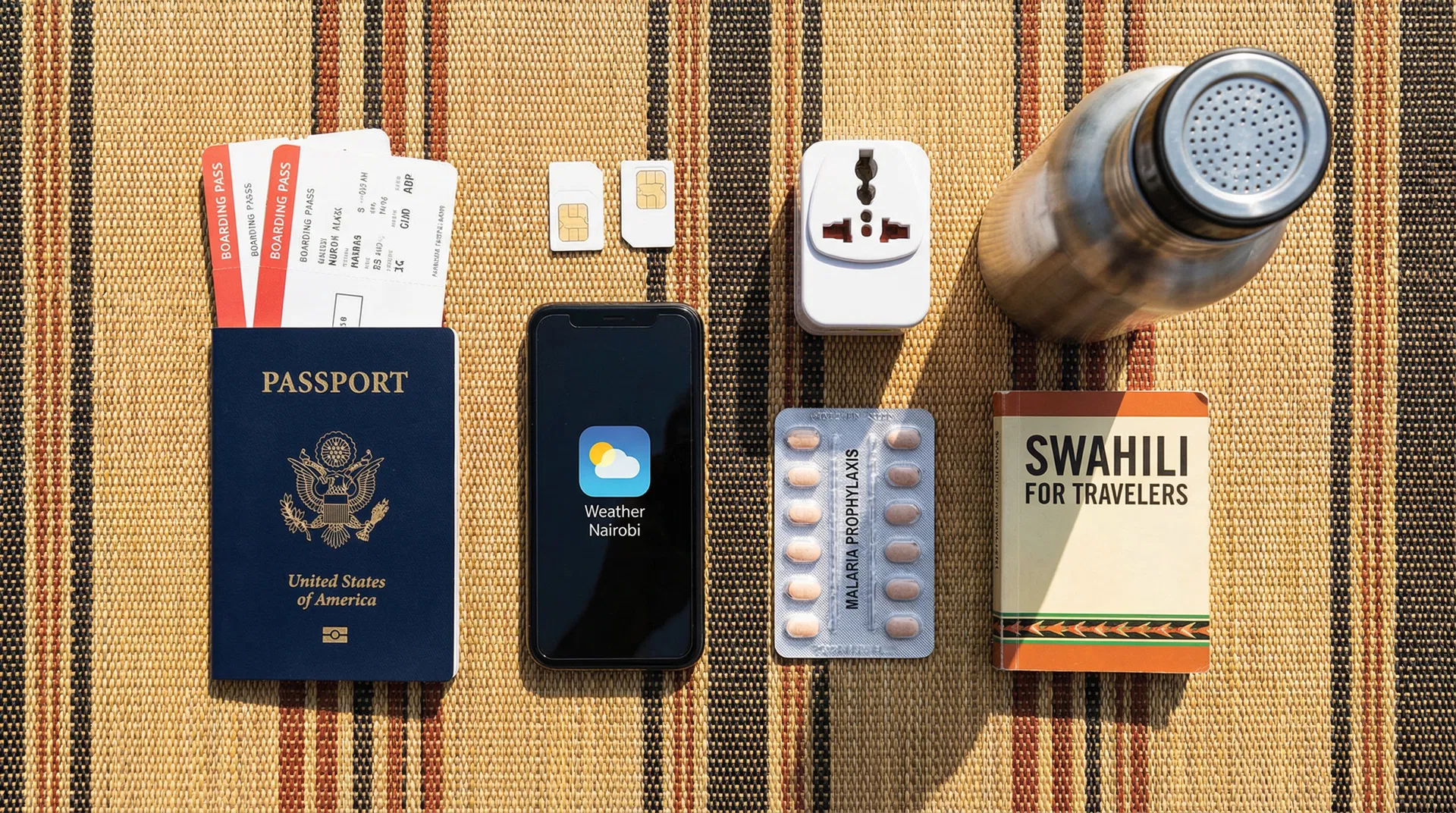
Planning a safari? Our expert guide to travel health covers essential vaccinations, malaria prevention, and food safety tips to ensure a safe and healthy adventure.
7 min read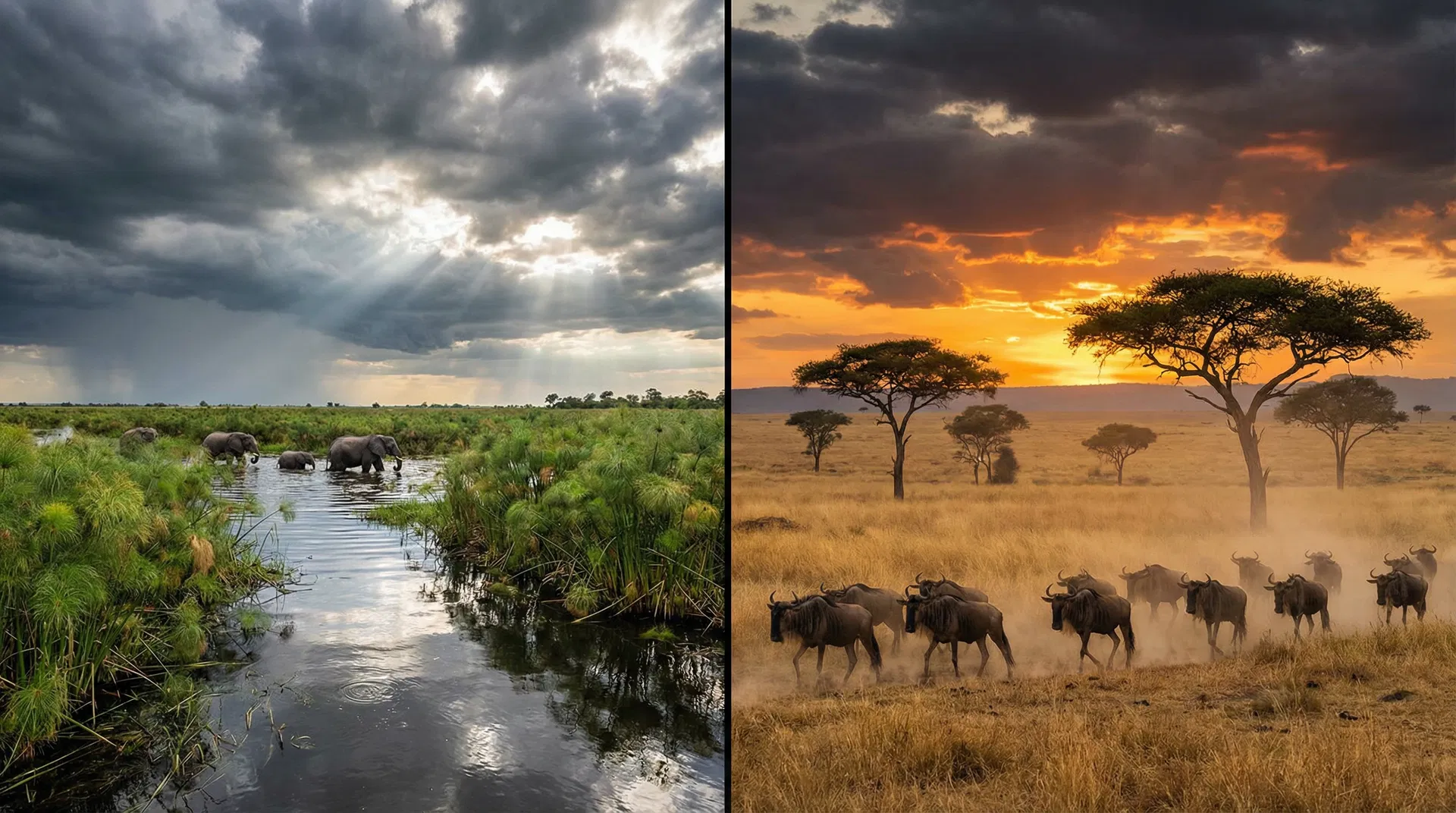 Safari Comparison Articles
Photography Safari vs General Safari
An in-depth comparison of Photography Safari vs General Safari to help you choose the perfect safari experience. Explore the pros, cons, and key differences to
2 min read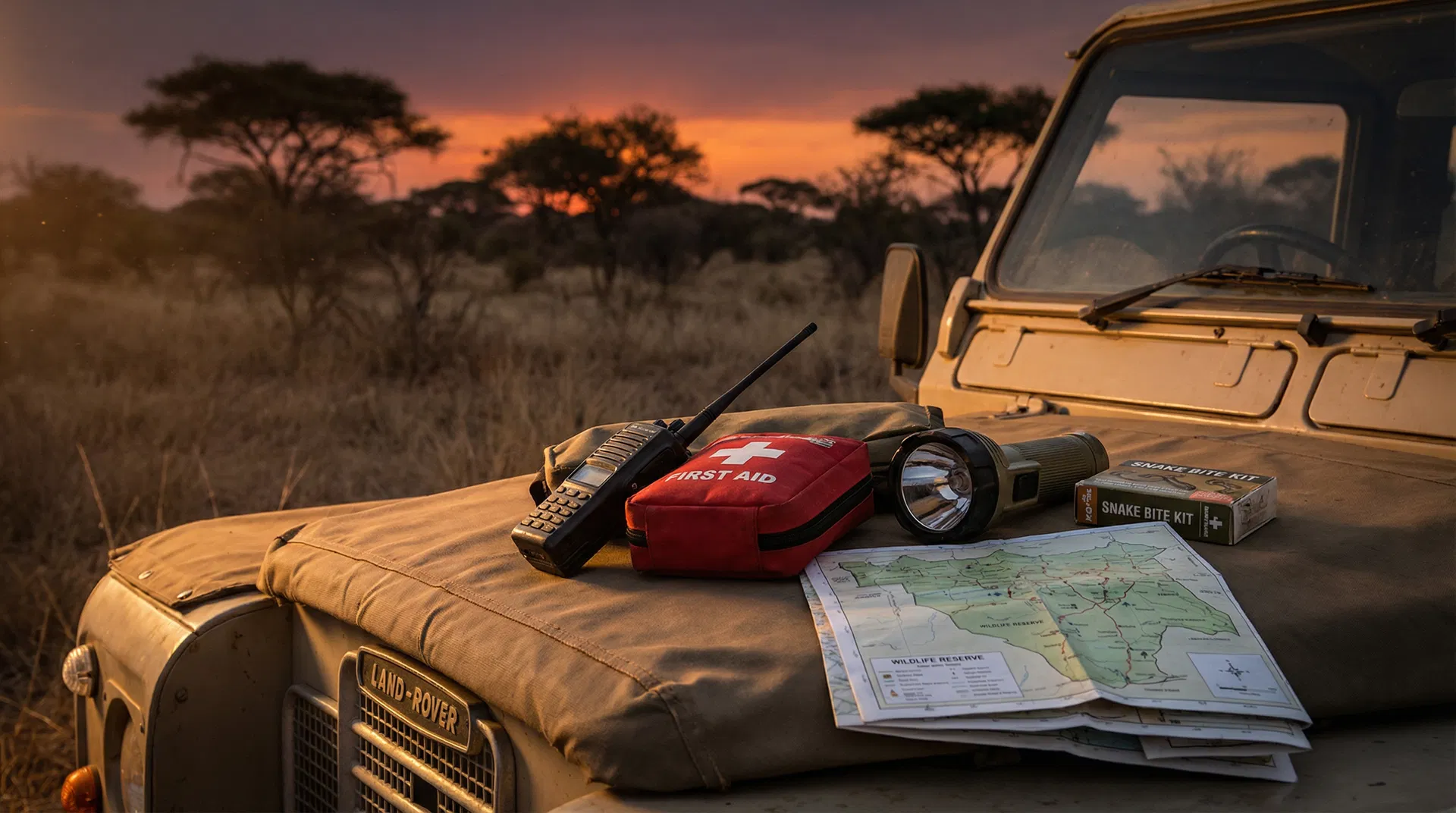 Safari Safety
Safari Photography Safety
Learn how to practice safe safari photography with our expert guide. Discover essential tips for protecting your gear, respecting wildlife, and taking great photos.
8 min read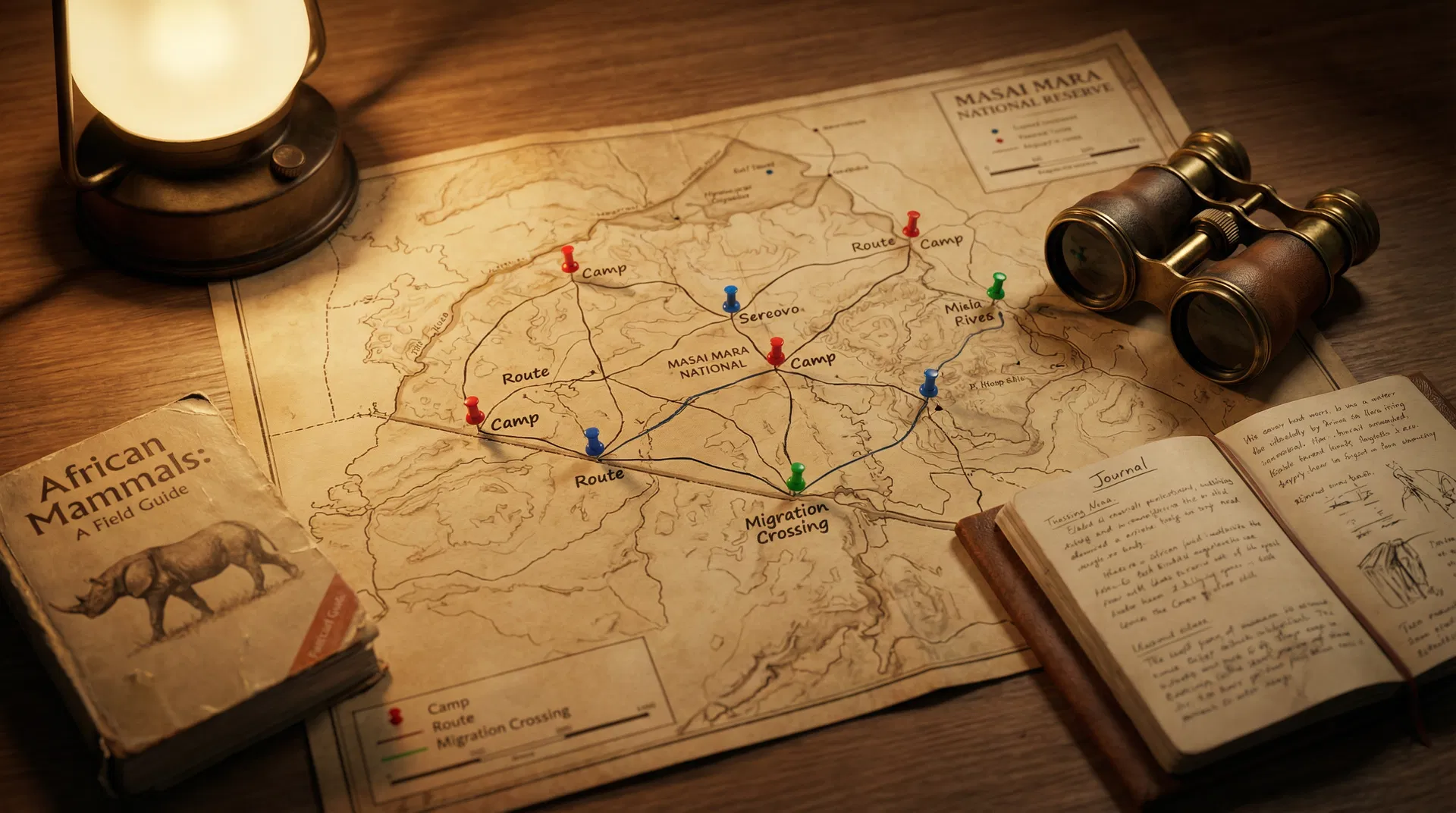 Safari Planning
Safari Itinerary Planning Tips
Learn how to plan the perfect African safari itinerary with our expert tips on choosing destinations, balancing travel time, and finding the best time to go.
6 min read