Learn how to stay safe on a walking safari with our expert tips. Discover the importance of your guide, what to wear, and how to act in the African bush.
'''A walking safari is one of the most intimate and thrilling ways to experience the African bush. Unlike the confines of a 4x4 vehicle, being on foot awakens your senses to the subtle sounds, smells, and textures of the wild. It's a chance to connect with nature on a profound level, guided by an expert who can interpret the language of the landscape. However, this incredible experience comes with a responsibility to prioritize safety. While the idea of walking in areas inhabited by lions, elephants, and other large animals can be intimidating, it is a remarkably safe activity when conducted with professional operators and a clear understanding of the rules. This guide will walk you through the essential safety tips to ensure your walking safari is both a memorable and a safe adventure.## The Critical Role of Your Safari GuideYour guide is the single most important factor in the safety and success of your walking safari. These individuals are not just knowledgeable naturalists; they are highly trained and accredited professionals with extensive experience in animal behavior, tracking, and wilderness safety.### Trust in Their ExpertiseWalking safari guides undergo rigorous training and assessment. In renowned walking safari destinations like Zambia's South Luangwa National Park or Zimbabwe's Mana Pools National Park, guides are often required to have several years of experience leading vehicle-based safaris before they can even begin to train for walking safaris. They learn to read the subtle cues of the bush—the flick of an ear, the call of a bird, the direction of the wind—to anticipate and avoid potentially dangerous encounters. Your guide's primary responsibility is your safety, and every decision they make is based on a deep understanding of the environment.### The Pre-Walk Safety BriefingBefore you take your first step into the bush, your guide will conduct a thorough safety briefing. This is not a formality; it is a critical component of the experience. Pay close attention, as this briefing will cover the ground rules for the walk. Topics will include: Hand Signals: Guides use hand signals for silent communication. These may indicate "stop," "get down," "look," or "danger." Walking Formation: You will be instructed to walk in a single file line. This minimizes your group's visual impact and allows the guide to maintain control. Encounter Protocol: The guide will explain exactly what to do if you encounter a dangerous animal. The universal rule is to never run. General Rules: This includes instructions on maintaining silence, not smoking, and what to do if you need to stop for any reason.### Following Instructions is Non-NegotiableThe most important rule on a walking safari is to listen to your guide and follow their instructions without hesitation. If your guide tells you to stop, you stop immediately. If they tell you to crouch down, you do so quietly. There is no room for debate or discussion in a potentially tense situation. Your guide is constantly assessing the risk, and their commands are designed to keep the entire group safe. Arguing or hesitating can endanger everyone.## Dressing for a Safe and Successful WalkYour choice of clothing and gear plays a significant role in your safety and comfort on a walking safari. The goal is to blend into the environment and be prepared for the conditions.### Clothing: The Art of Blending InAnimals in the African bush are highly attuned to colors that stand out. Bright colors, especially white, can signal alarm and cause animals to either flee or become agitated. Neutral Colors are Essential: Wear clothing in neutral, earthy tones such as khaki, green, brown, and beige. These colors help you blend in with the landscape, allowing for closer and more natural wildlife sightings. Avoid Brights and Darks: Leave brightly colored clothing at the lodge. Dark colors like black and dark blue can attract tsetse flies in some regions, so it
's best to avoid them. Layering is Key: Mornings can be cool, so it's wise to dress in layers that you can remove as the day warms up. A lightweight fleece or jacket over a long-sleeved shirt is a good combination.### Footwear: Your Connection to the EarthYou will be walking over uneven terrain, so comfortable and sturdy footwear is crucial. Comfortable Walking Shoes: Broken-in hiking boots or trail shoes with good ankle support are ideal. Avoid brand-new shoes, as they can cause blisters. Quiet Soles: Shoes with soft, quiet soles are preferable to those with hard, noisy ones. The quieter you are, the less likely you are to disturb wildlife.## Behavior on the Walk: Your Role in a Safe ExperienceWhile your guide is the leader, your behavior on the walk is just as important for ensuring a safe and rewarding experience. The key is to be a quiet and respectful observer.### Walk in Single File and Stay TogetherThe single-file formation is a non-negotiable rule on walking safaris. This formation presents a smaller, more unified shape to animals, which is less threatening than a scattered group. It also allows the lead guide to have a clear line of sight and the rear guide to keep everyone together. Never wander off from the group, and always maintain the pace set by your guide.### The Power of SilenceThe African bush is a symphony of sounds, and silence allows you to tune into it. More importantly, silence is a safety measure. Talking loudly can alert animals to your presence from a distance, potentially causing them to become stressed or aggressive. It can also prevent you from hearing the subtle sounds that your guide is listening for—a breaking twig, a warning call, or the rustle of a nearby animal. Whisper if you need to communicate, but for the most part, let the sounds of the bush be your soundtrack.### No Sudden MovementsAnimals are highly sensitive to movement. Sudden, jerky movements can be interpreted as a threat. Move slowly and deliberately. If you need to raise your binoculars or camera, do so with a slow, smooth motion. If your guide signals for you to get down, do so quietly and without any sudden drops.### The Cardinal Rule: Never RunThe instinct to run when faced with a perceived threat is a powerful one, but it is the single worst thing you can do on a walking safari. Running triggers a predator's chase instinct. To a lion or leopard, a running human looks like prey. Your guide is trained to handle close encounters, and they will stand their ground. Your job is to stand your ground with them. It may feel counterintuitive, but your safety depends on it.## Understanding Animal BehaviorYour guide will be an expert in interpreting animal behavior, but having a basic understanding can enhance your experience and your appreciation for the safety protocols.### The Concept of Flight and Fight ZonesAnimals have a "flight zone" and a "fight zone." The flight zone is the area around an animal where it feels safe. If you enter this zone, the animal will likely move away. The fight zone is a much smaller area, and if you enter it, the animal may feel threatened and become aggressive. The goal of a walking safari is to observe animals from a safe distance, respecting their flight zone and never entering their fight zone.### Reading the SignsYour guide will constantly be reading the signs of the bush to understand what is happening around you. This includes: Tracks and Scat: Fresh tracks and scat can tell your guide what animals are in the area and how recently they passed through. Alarm Calls: The alarm calls of birds and other animals can signal the presence of a predator. Wind Direction: Your guide will always try to keep you downwind of animals so that your scent does not give you away.## Choosing a Reputable Walking Safari OperatorThe quality and safety of your walking safari experience depend heavily on the operator you choose. Not all safari operators are created equal, and it's essential to do your research.### Look for SpecializationChoose an operator that specializes in walking safaris and has a long-standing reputation for safety and quality. Destinations like Zambia, Zimbabwe, and northern Tanzania have a strong culture of walking safaris, and operators in these regions are often among the best in Africa.### Ask About Guide Training and QualificationsDon't be afraid to ask about the training and qualifications of the guides. Reputable operators will be happy to share this information. Look for operators who invest in ongoing training for their guides and who have a clear set of safety standards.### Check for Armed GuidesIn most areas where walking safaris are conducted in big game country, the lead guide will be armed with a high-caliber rifle. This is a safety precaution that is rarely needed but is essential to have. The presence of a rifle is a sign of a professional and responsible operation.## Conclusion: An Unforgettable and Safe AdventureA walking safari is an experience that will stay with you for a lifetime. It is a chance to step out of the vehicle and into the heart of the African wilderness. By choosing a reputable operator, trusting your guide, and following the safety rules, you can ensure that your walking safari is not only a thrilling adventure but also a safe and deeply rewarding one. The bush is a place of immense beauty and power, and by approaching it with respect and awareness, you will be rewarded with an experience that is truly unforgettable.
Explore Related Topics
Recommended Reading
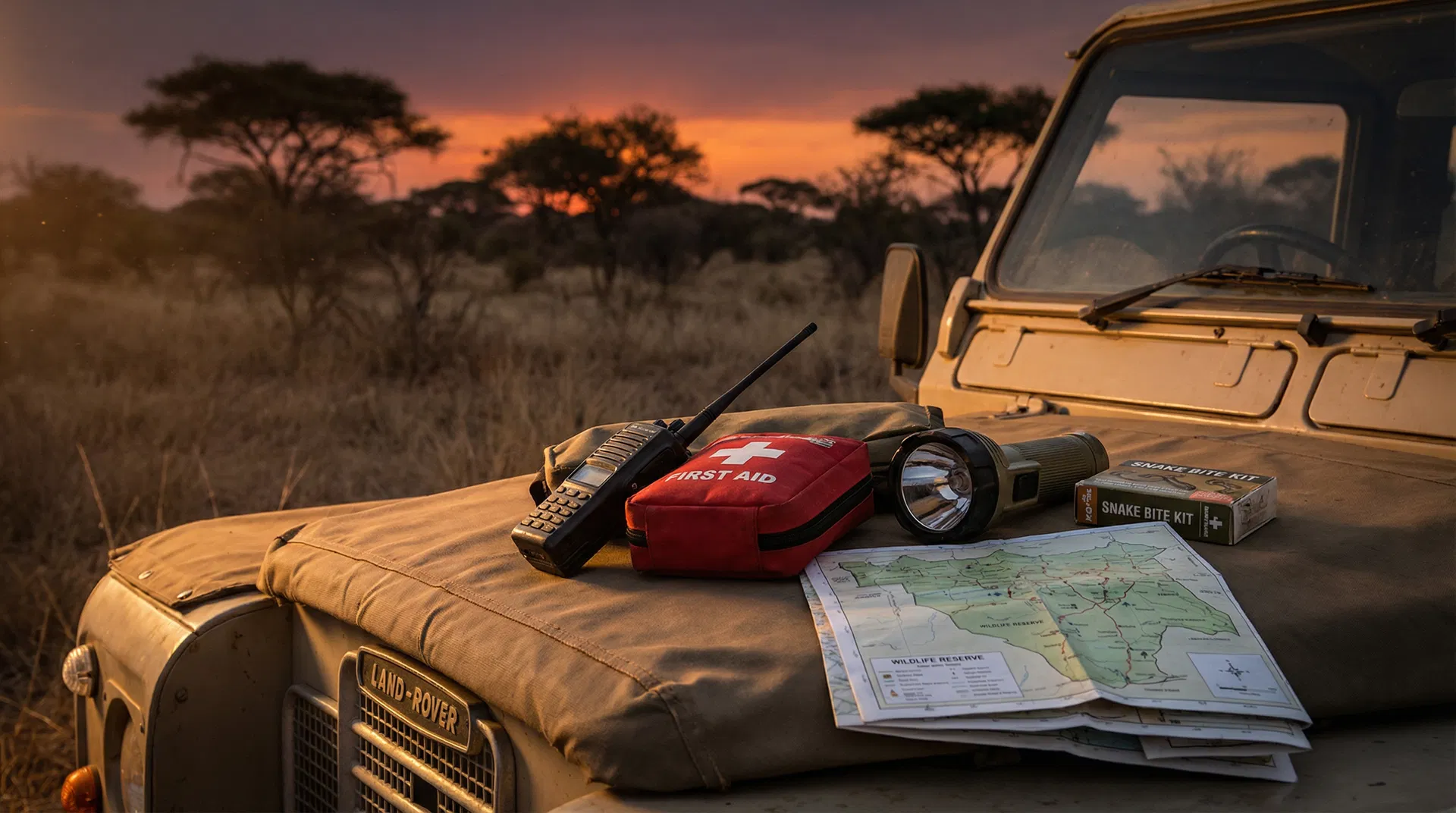 Safari Safety
Safari Safety Tips for First-Time Visitors
Planning your first African safari? Our expert guide provides essential safari safety tips for a worry-free adventure, from wildlife encounters to health advice.
8 min read Travel Logistics
Safari Road Transfer Safety Tips
Learn about safari road transfer safety tips and how it can impact your safari experience. Get expert advice and start planning your dream safari today.
8 min readSafari SafetyWildlife Safety on Safari
Planning an African safari? Our guide to wildlife safety provides essential tips for staying safe around wild animals, from game drives to walking safaris.
7 min readSafari SafetySafari Vehicle Safety Explained
Learn the essentials of safari vehicle safety, from vehicle design and guide expertise to choosing a safe operator for your African safari adventure.
7 min read Safari Operator Articles
Safari Operators That Specialize in Walking Safaris
A guide to choosing a safari operator that specializes in walking safaris for an immersive and thrilling wildlife experience.
10 min read Safari Intelligence Insights
Safari Vehicle Safety Standards
Learn about safari vehicle safety standards, from vehicle types and modifications to driver expertise and regulations. Plan a safe and memorable African safari.
6 min read