Planning a night safari? Our guide covers essential safety tips, what to wear, and the best destinations for nocturnal wildlife encounters in Africa.
''' A night safari is one of the most thrilling experiences you can have in the African bush. As the sun sets and the daytime animals retire, a whole new world of nocturnal creatures emerges. The sounds of the night, the incredible star-filled sky, and the suspense of searching for elusive animals in the dark create an atmosphere of pure magic. However, this unique environment also comes with its own set of rules and safety considerations. Understanding and respecting these guidelines is crucial for ensuring your adventure is not only memorable but also completely safe for you, your guide, and the wildlife you are there to observe.
Understanding the Night Safari Environment
The African bush transforms completely after dark. The air cools, the sounds change, and the landscape that seemed familiar by day becomes mysterious and new. This transformation is driven by the behavior of nocturnal animals and the simple fact of limited visibility. Many of Africa's most iconic predators, including lions, leopards, and hyenas, are most active at night. They use the cover of darkness to hunt and patrol their territories. A night safari offers a unique window into this active part of their lives. Your own senses will be both heightened and limited during a night drive. Your hearing might seem sharper, but your vision will be almost entirely dependent on the guide's spotlight. This reliance on a single, moving light source can be disorienting at first, but it is important to trust your guide, who is trained to interpret the sounds and signs of the bush.
Essential Safety Rules for Night Game Drives
Safety on a night safari is a shared responsibility. While your guide is an expert, your adherence to a few simple but critical rules is paramount. These rules are not meant to limit your experience but to ensure the safety of everyone in the vehicle and the well-being of the animals.
Stay in the Vehicle at All Times
This is the single most important rule of any game drive, but it is especially critical at night. The safari vehicle is your safe zone—a "hide" that animals are accustomed to. They see the vehicle as a single, non-threatening entity and generally ignore it. If you stand up, lean far out, or get out of the vehicle, you break that shape and become a human figure, which can be perceived as a threat or prey. Never exit the vehicle during a night drive unless your guide has explicitly chosen a safe, open area and given you permission.
Keep Noise to a Minimum
Sound travels far in the quiet of the night. Loud conversations or sudden noises can startle a nervous animal or alert a predator to your presence, causing it to disappear. Whispering is the best way to communicate. This not only prevents you from disturbing the wildlife but also enhances your own experience, allowing you to become fully immersed in the sounds of the African night.
The Importance of a Professional Guide and Spotter
Your guide and spotter are your most critical safety assets. A qualified guide has extensive training in animal behavior, tracking, and operating a vehicle safely in low-light conditions. Many night safaris also include a spotter, who sits at the front of the vehicle and operates the main spotlight, scanning the darkness for the reflection of eyes. Trust their expertise and listen to their instructions.
The Right Gear and Etiquette for a Night Safari
Being prepared with the right clothing and understanding the etiquette of using lights and cameras will make your night safari more comfortable and respectful to the wildlife. The goal is to observe without disrupting the natural behavior of the animals.
What to Wear: Dressing for the Night
Even in hot climates, temperatures can drop significantly after sunset. It is always a good idea to bring warm layers. A fleece jacket, a warm hat, and even a scarf can make a huge difference. Most reputable lodges will provide blankets in the vehicle, but having your own warm clothing is essential.
Using Spotlights and Red Filters
Your guide will use a powerful spotlight to scan for animals. However, shining a bright white light directly into an animal's eyes can be stressful for them. Professional guides are trained in proper spotlight etiquette. They will typically locate an animal with the main beam and then either shift the beam to the side to illuminate it indirectly or use a red filter. Red light is less harsh and less likely to affect the animal's night vision.
Camera and Flash Photography
Using a flash is strictly prohibited on a night safari. The sudden, bright burst of light can temporarily blind an animal, causing it stress and making it vulnerable. If you want to take photos, you will need a camera with good low-light capabilities, a wide aperture lens, and a high ISO setting. Be prepared for your photos to have some "noise" or graininess; this is a natural part of shooting in low light.
Common Night Safari Destinations
While many safari destinations offer night drives, some are particularly famous for their nocturnal sightings. These drives are typically conducted within private conservancies or national parks that permit them.
South Africa: Sabi Sands and Kruger Private Reserves
South Africa is arguably one of the best destinations for night safaris. The private reserves bordering Kruger National Park, such as the Sabi Sand Game Reserve, have a well-established culture of night drives. Leopard sightings are particularly common here, and the guides are experts at tracking them.
Zambia: The Birthplace of the Walking Safari
Zambia, particularly the South Luangwa National Park, is another premier destination for night drives. This park has a high density of leopards and is known for its exceptional guiding. Night drives in South Luangwa often yield fantastic sightings of everything from lions and hyenas to genets and porcupines.
Botswana: Okavango Delta and Linyanti
Many private concessions in Botswana's Okavango Delta and the Linyanti Wildlife Reserve offer excellent night safaris. The diverse habitats support a wide range of nocturnal species. Here, you might be lucky enough to spot rarer animals like the aardvark or aardwolf.
What to Do in an Emergency
While emergencies are extremely rare on professionally guided safaris, it is always wise to be prepared. The most important thing you can do in any unusual situation is to remain calm and listen carefully to your guide's instructions.
Trust Your Guide's Instructions
Your guide is trained to handle a variety of situations, from vehicle breakdowns to unexpected animal encounters. They carry a radio to communicate with the lodge and other vehicles. If a potentially dangerous animal approaches the vehicle, remain still and quiet. Do not make any sudden movements. Your guide will know how to de-escalate the situation.
Vehicle Breakdowns
It is not uncommon for a safari vehicle to get a flat tire or have a minor mechanical issue. Guides are well-prepared for this. They will choose a safe, open spot with good visibility before they attempt any repairs. You will be instructed to stay in the vehicle while they work. This is for your safety.
By following these safety guidelines and putting your trust in your professional guide, you can fully enjoy the magic of the African bush at night. A night safari is a journey into a different world, a world of sound and shadow, of predator and prey. It is an experience that will stay with you long after you have returned home. '''
The African Safari Planning Blueprint — Your Complete Guide
80+ Pages of Expert Knowledge in One Place
The comprehensive guide that replaces weeks of scattered research. 80+ pages of expert insights, decision frameworks, and insider knowledge.
Helpful Guides for Your Safari Planning
Optional planning guides built from real safari industry experience. Use them alongside our free knowledge center to plan your trip.
Need Expert Safari Guidance?
Our safari advisors can help you plan the perfect itinerary based on your interests, budget, and travel dates. Get personalized recommendations from experts who have lived and worked across Africa.
Explore Related Topics
Recommended Reading
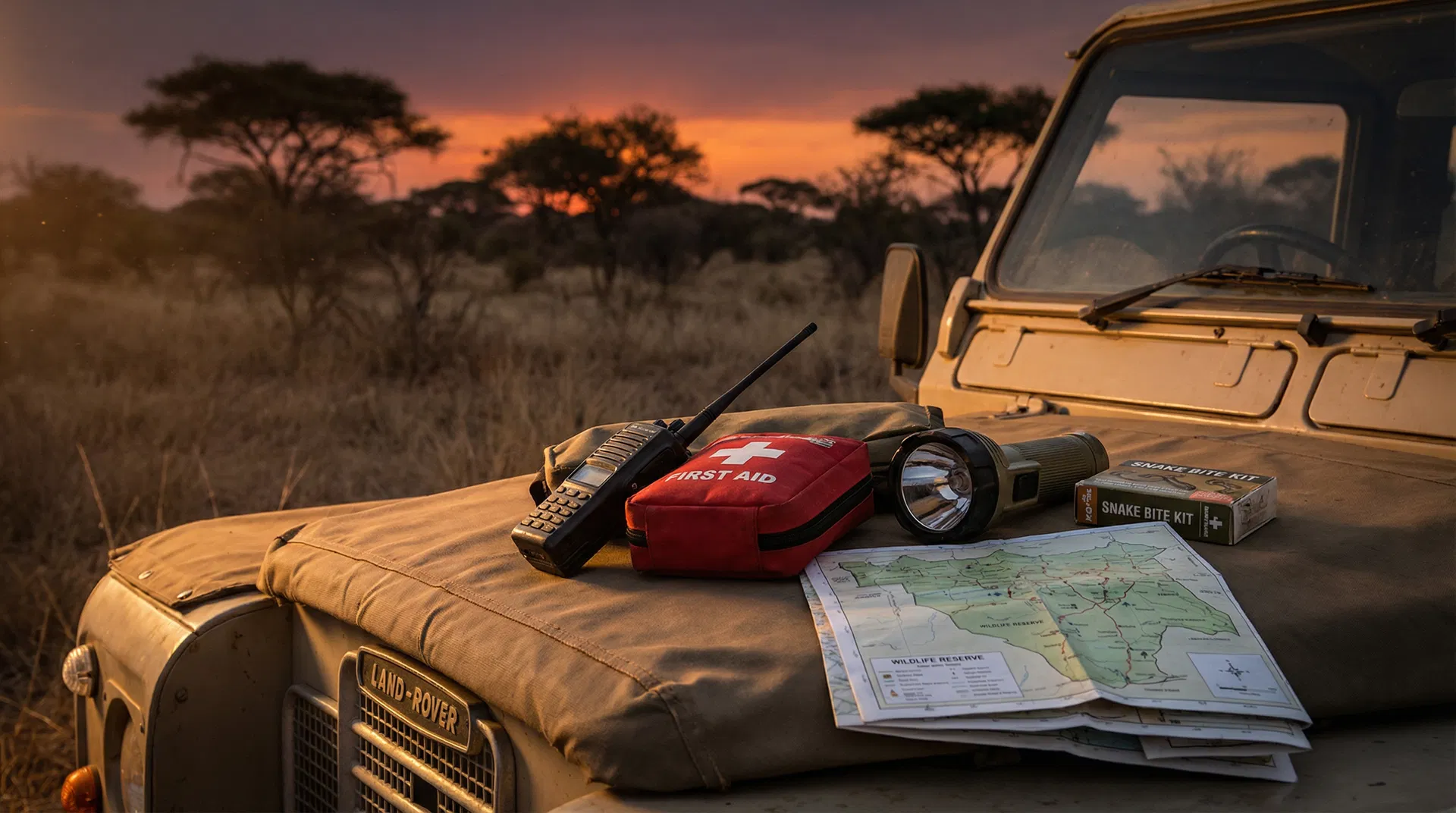 Safari Safety
Wildlife Safety on Safari
Planning an African safari? Our guide to wildlife safety provides essential tips for staying safe around wild animals, from game drives to walking safaris.
7 min readSafari SafetySafari Vehicle Safety Explained
Learn the essentials of safari vehicle safety, from vehicle design and guide expertise to choosing a safe operator for your African safari adventure.
7 min readSafari SafetySafari Camp Safety Guidelines
Learn essential safari camp safety guidelines for a secure and unforgettable African adventure. Our expert tips help you stay safe in the wild.
7 min read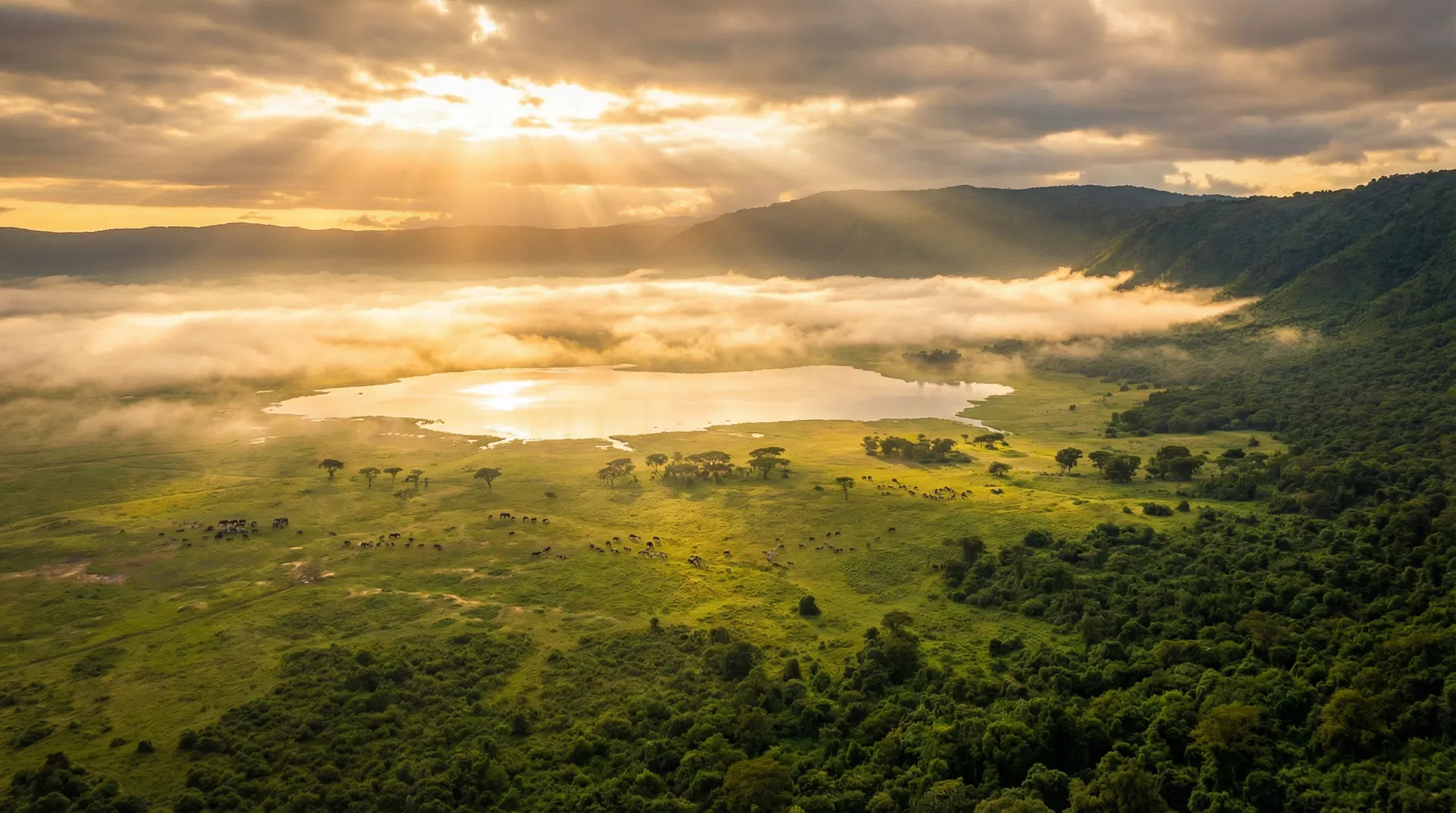 Destination Guides
Best Safari Destinations for Night Drives
Discover everything you need to know about Best Safari Destinations for Night Drives. From wildlife and landscapes to lodges and activities, this guide covers i
5 min read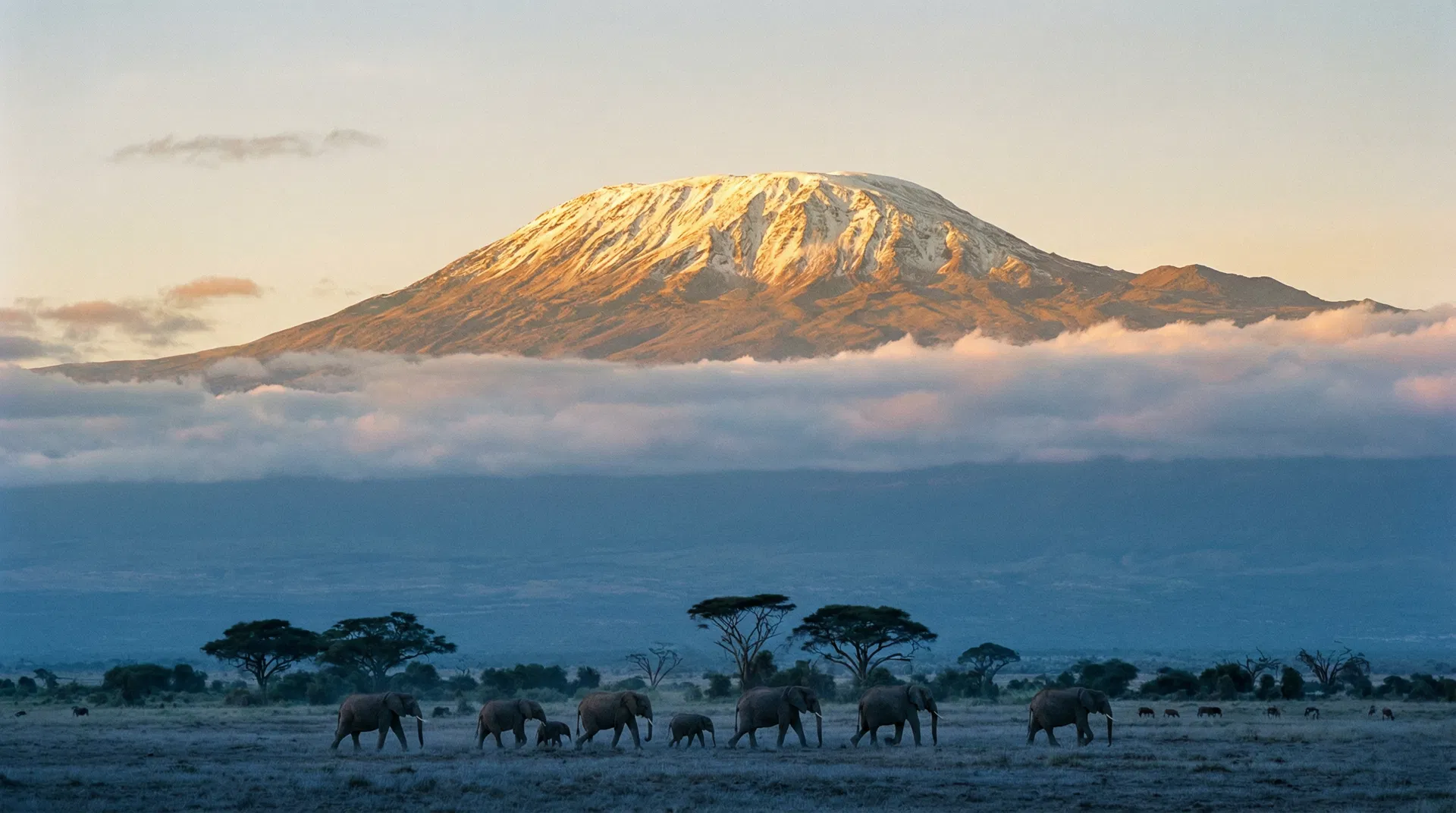 Country Guides
South Africa Safari Health and Safety Overview
A guide to staying healthy and safe on a South African safari, from malaria prevention and vaccinations to wildlife encounters and personal security.
6 min read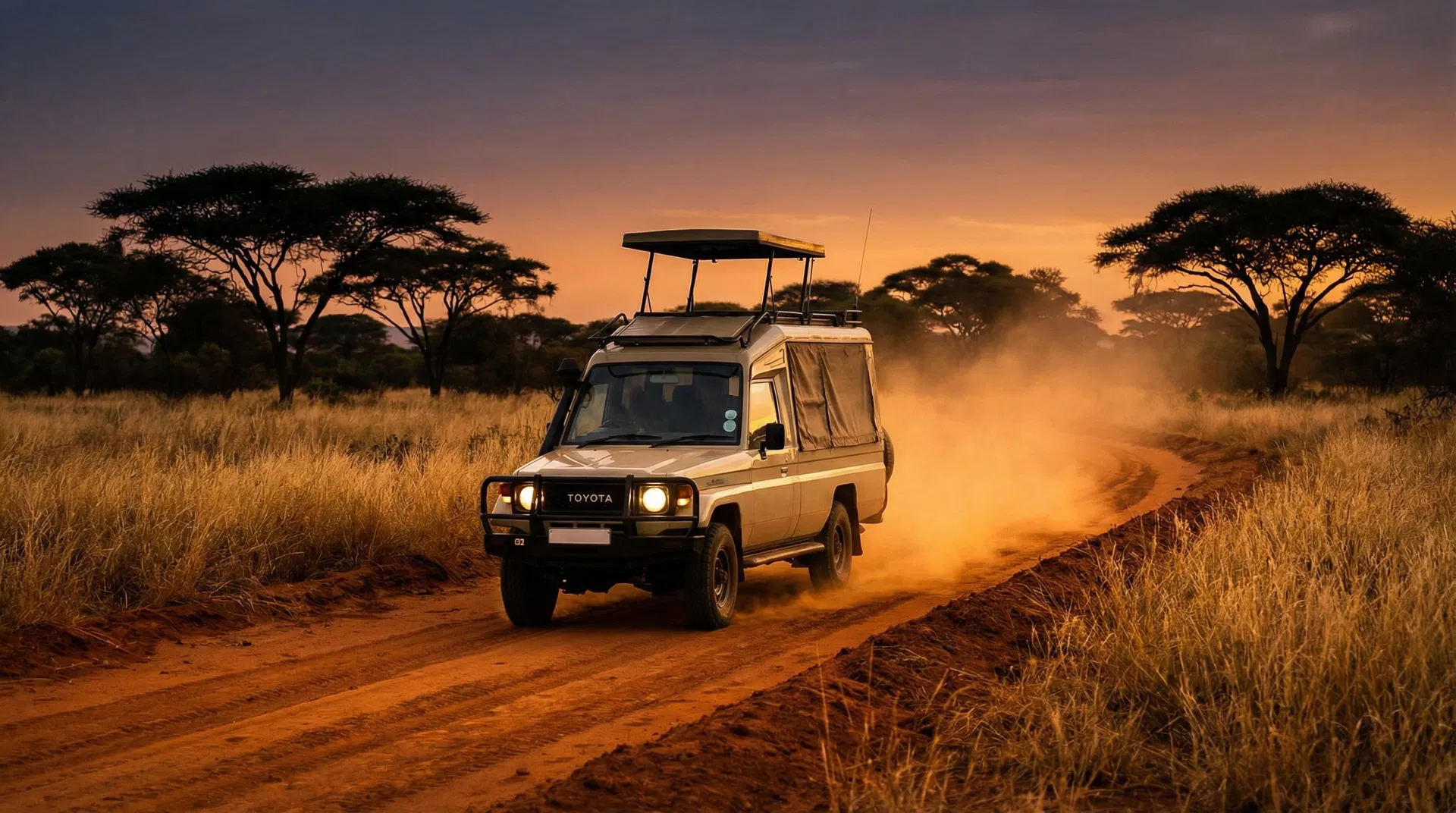 Travel Logistics
Safari Noise and Wildlife at Night
A comprehensive guide to Safari Noise and Wildlife at Night. Learn everything you need to know for your safari adventure.
3 min read