Discover the ultimate guide to Kruger National Park. Learn about its incredible wildlife, the best time to visit, and how to plan your dream safari adventure.
Kruger National Park is a name that resonates with safari enthusiasts worldwide, and for good reason. As one of Africa's largest and most iconic game reserves, it offers a wildlife experience that is both accessible and profoundly wild. Spanning nearly two million hectares of diverse ecosystems in northeastern South Africa, Kruger is a world-class destination for observing the continent's incredible fauna and flora. Whether you are a seasoned safari-goer or a first-time visitor to Africa, this guide will provide you with the essential information needed to plan an unforgettable Kruger National Park safari.
A Park of Immense Scale and Diversity
To truly appreciate Kruger National Park, one must first understand its sheer scale. The park stretches for 360 kilometers (220 miles) from north to south and covers an area of 19,485 square kilometers (7,523 square miles), making it larger than some countries. This vast expanse encompasses a remarkable variety of habitats, from the dense acacia woodlands of the south to the open savanna of the central regions and the mopane-dominated landscapes of the north. This ecological diversity supports an astonishing array of life, cementing Kruger's reputation as a premier wildlife destination.
The Big Five and Beyond
Kruger is famously home to the "Big Five" – the lion, leopard, elephant, rhinoceros (both black and white), and Cape buffalo. The park's robust populations of these magnificent creatures offer visitors a high probability of encountering them during their stay. However, the wildlife experience in Kruger extends far beyond these five species. The park is a sanctuary for 147 species of mammals, including cheetahs, wild dogs, giraffes, zebras, and a wide variety of antelope. With over 500 species of birds recorded within its boundaries, Kruger is also a paradise for birdwatchers. The park's rivers and waterholes are teeming with crocodiles and hippos, while 114 species of reptiles and 49 species of fish contribute to its incredible biodiversity.
Planning Your Kruger Safari
A successful Kruger safari begins with careful planning. From choosing the right time to visit to deciding on your accommodation and mode of transport, a little research will go a long way in ensuring a smooth and rewarding experience.
When to Visit
The best time to visit Kruger National Park for wildlife viewing is during the dry winter season, which runs from May to September. During these months, the vegetation is less dense, making it easier to spot animals. Furthermore, as water sources become scarce, wildlife tends to congregate around rivers and waterholes, increasing your chances of memorable sightings. The weather during the dry season is also pleasant, with warm, sunny days and cool nights. The wet summer season, from October to April, brings lush green landscapes and is the best time for birdwatching, as migratory birds arrive in the park. However, the thicker vegetation can make wildlife viewing more challenging, and the weather is hot and humid, with frequent afternoon thunderstorms.
Getting There
Kruger National Park is easily accessible by both air and road. The park has its own airport, Skukuza Airport (SZK), which receives daily flights from Johannesburg and Cape Town. Several other airports are located near the park's various entrance gates, including Kruger Mpumalanga International Airport (MQP) near Nelspruit, and Hoedspruit Eastgate Airport (HDS). From these airports, you can rent a car or arrange for a transfer to your accommodation. For those who prefer to drive, Kruger is approximately a four- to five-hour drive from Johannesburg. The park has a well-maintained network of tarred and gravel roads, making it suitable for self-drive safaris.
Accommodation Options
Kruger offers a wide range of accommodation options to suit every budget and travel style. The park is renowned for its public rest camps, which are managed by South African National Parks (SANParks). These camps offer a variety of lodging, from simple campsites and bungalows to spacious family cottages and guesthouses. The main rest camps, such as Skukuza, Lower Sabie, and Satara, are like small villages, with restaurants, shops, and swimming pools. For a more intimate experience, you can opt for one of the smaller bushveld camps or satellite camps. In addition to the public camps, there are numerous private luxury lodges located in concessions within the park. These lodges offer an all-inclusive safari experience, with guided game drives, gourmet meals, and luxurious accommodations.
Planning a safari?
Start the Safari Planning System →The Kruger Wildlife Experience
There are two primary ways to experience the wildlife of Kruger National Park: on a self-drive safari or with a guided safari. Each option offers a unique perspective and a different set of advantages.
Self-Drive vs. Guided Safaris
A self-drive safari in Kruger is a popular and affordable option that offers flexibility and independence. You can explore the park at your own pace, spending as much time as you like at each sighting. The park's excellent road network and clear signage make it easy to navigate. However, a self-drive safari requires more planning and a good understanding of animal behavior. A guided safari, on the other hand, puts you in the hands of an experienced and knowledgeable guide who can enhance your wildlife viewing experience. Guides are experts at tracking animals and can provide fascinating insights into their behavior and the park's ecology. Most private lodges offer guided game drives in open safari vehicles, which provide an elevated and unobstructed view.
Beyond the Game Drive
While game drives are the cornerstone of the Kruger experience, there are many other activities that allow you to explore the park from a different perspective. Guided bush walks are a thrilling way to experience the wilderness on foot, learning about the smaller creatures and plants that are often missed from a vehicle. Night drives offer the opportunity to see nocturnal animals, such as leopards, genets, and owls. For a truly immersive experience, you can embark on a multi-day wilderness trail, sleeping in rustic bush camps and exploring remote areas of the park. Birdwatching is another popular activity, with numerous hides and waterholes providing excellent opportunities to spot a wide variety of birdlife.
Exploring the Different Regions of Kruger
Kruger National Park can be broadly divided into three regions, each with its own unique character and wildlife viewing opportunities.
- Southern Kruger: The southern region is the most popular and accessible part of the park, with the highest density of wildlife. The landscape is characterized by rolling hills and acacia woodlands, and it is an excellent area for spotting the Big Five.
- Central Kruger: The central region is known for its open grasslands, which support large herds of grazers such as zebra, wildebeest, and buffalo. This, in turn, attracts a high concentration of predators, making it a prime location for lion and cheetah sightings.
- Northern Kruger: The northern region is the most remote and least crowded part of the park. The landscape is dominated by mopane woodland and is home to unique species such as the eland and the tsessebe. The north is also a fantastic area for birdwatching, with numerous rare and localized species.
Kruger's Cultural and Historical Significance
Beyond its natural wonders, Kruger National Park has a rich cultural and historical heritage. The park is home to over 250 known cultural heritage sites, including ancient San (Bushman) rock art paintings that date back thousands of years. These intricate paintings provide a glimpse into the spiritual beliefs and daily lives of the region's earliest inhabitants. The park also contains important archaeological sites, such as Masorini and Thulamela, which are the remains of late Iron Age settlements. These sites offer a fascinating insight into the history of trade and social organization in the region long before the park was established.
In conclusion, Kruger National Park is a truly exceptional safari destination that offers something for every type of traveler. Its vast landscapes, abundant wildlife, and rich cultural history make it a place of endless discovery. Whether you choose to explore the park on a self-drive adventure or indulge in the luxury of a private lodge, a safari in Kruger is an experience that will stay with you for a lifetime. With careful planning and a spirit of adventure, you are sure to create memories that will last forever.
Explore Related Topics
Recommended Reading
 National Park Guides
South Luangwa National Park Guide
Discover the ultimate guide to South Luangwa National Park, the birthplace of walking safaris. Learn about its incredible wildlife, top activities, and best time to visit.
6 min readNational Park GuidesSerengeti National Park Guide
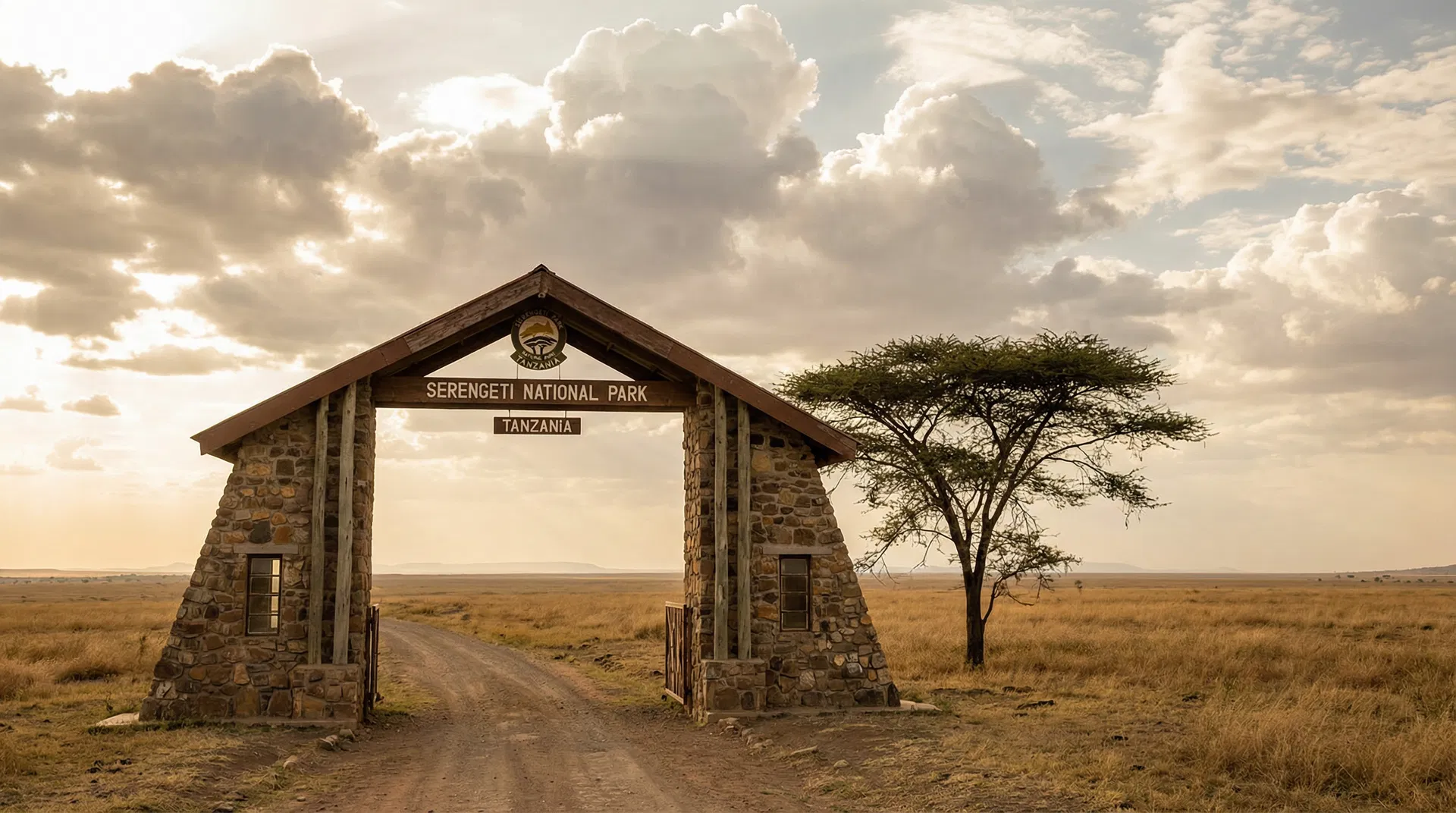
Explore the wonders of Serengeti National Park with our expert guide. Learn about the Great Migration, wildlife, and planning your unforgettable Tanzanian safari.
8 min readNational Park GuidesChobe National Park Guide
Discover the ultimate guide to Chobe National Park, Botswana's elephant paradise. Plan your dream safari with our expert tips on wildlife, when to visit, and more.
5 min read Destination Guides
Complete Guide to Table Mountain National Park
A complete guide to Complete Guide to Table Mountain National Park. Learn about the wildlife, activities, and best time to visit this amazing destination.
5 min readDestination GuidesComplete Guide to Mana Pools National Park
Learn about complete guide to mana pools national park in this comprehensive safari guide.
5 min readDestination GuidesComplete Guide to Nyerere National Park
Learn about complete guide to nyerere national park in this comprehensive safari guide.
5 min read