Discover the Big Five animals of Africa. This guide explains the history of the term and offers tips on where to see lions, leopards, elephants, rhinos, and buffalo.
The Big Five: More Than Just a Name
The term "Big Five" was originally coined by big-game hunters in the 19th and early 20th centuries. It doesn't refer to the five largest animals in Africa, but rather the five most difficult and dangerous animals to hunt on foot. These animals were known for their ferocity and the danger they posed to hunters. Today, the term has been reclaimed by the safari industry and conservationists. For modern safari-goers, spotting the Big Five—the African lion, the African leopard, the African elephant, the rhinoceros (both black and white), and the Cape buffalo—is often a highlight of their trip. It has become a checklist of sorts for wildlife enthusiasts, a quest to witness these magnificent creatures in their natural habitats.
The African Lion (Panthera leo)
The King of the Savannah
Lions are the most social of all big cats, living in groups called prides. A pride can consist of up to 40 individuals, including related females, their offspring, and a few adult males. The females are the primary hunters, working together to stalk and take down prey. Lions are not jungle dwellers, as the "king of the jungle" nickname might suggest. They prefer open savannas and grasslands, where they can more easily spot their prey. A male lion's roar is one of the most iconic sounds of the African bush, a powerful declaration of territory that can be heard up to five miles away.
Where to See Lions
Lions are found in many of Africa's major national parks and game reserves. Some of the best places to see them include:
- Serengeti National Park, Tanzania: Famous for its vast plains and the Great Migration, the Serengeti is home to a large and healthy lion population.
- Maasai Mara National Reserve, Kenya: Adjoining the Serengeti, the Maasai Mara offers incredible lion sightings, especially during the wildebeest migration.
- Kruger National Park, South Africa: One of Africa's oldest and largest parks, Kruger is renowned for its reliable lion sightings.
- Okavango Delta, Botswana: Here, you can witness lions that have adapted to a semi-aquatic environment, sometimes even hunting in the water.
The African Leopard (Panthera pardus)
The Elusive Hunter
The leopard is the most elusive and adaptable of the Big Five. These solitary cats are masters of camouflage, with their rosette-patterned coats providing excellent cover in the dappled light of the bush. Leopards are incredibly strong, capable of dragging prey heavier than themselves up into trees to keep it safe from scavengers like lions and hyenas. They are primarily nocturnal hunters, which can make them challenging to spot during the day. Look for them resting in the branches of sausage trees or acacia trees, or on rocky outcrops.
Where to See Leopards
Leopards have a wide distribution across Africa, but their secretive nature makes them a prized sighting. Some of the best locations for leopard sightings are:
- Sabi Sands Game Reserve, South Africa: This private reserve, bordering Kruger National Park, is arguably the best place in the world to see leopards. The leopards here are habituated to vehicles, allowing for exceptionally close encounters.
- South Luangwa National Park, Zambia: Known for its excellent walking safaris and night drives, South Luangwa offers fantastic opportunities to see leopards in their element.
- Moremi Game Reserve, Botswana: The diverse habitats of Moremi, from floodplains to forests, provide a perfect environment for leopards.
The African Elephant (Loxodonta africana)
The Gentle Giant
The African elephant is the world's largest land animal, a truly awe-inspiring sight. These intelligent and highly social animals live in complex matriarchal societies. Herds are led by the oldest and most experienced female, who guides her family to water and food sources. Elephants communicate using a variety of sounds, including low-frequency rumbles that can travel for miles through the ground. Their trunks are incredibly versatile, used for everything from drinking and smelling to picking up a single blade of grass.
Where to See Elephants
Large herds of elephants can be seen in many parts of Africa. Some of the top destinations include:
- Chobe National Park, Botswana: Chobe is famous for having one of the largest concentrations of elephants in Africa, especially during the dry season when they congregate along the Chobe River.
- Amboseli National Park, Kenya: Known for its stunning views of Mount Kilimanjaro, Amboseli is home to large elephant herds that are often seen against this iconic backdrop.
- Hwange National Park, Zimbabwe: Hwange is another elephant stronghold, with a massive population that thrives thanks to the park's numerous waterholes.
The Rhinoceros
A Prehistoric Survivor
Africa is home to two species of rhinoceros: the black rhino (Diceros bicornis) and the white rhino (Ceratotherium simum). The names are misleading, as both are grey in color. The primary difference between them is the shape of their lips. The white rhino has a wide, square lip, adapted for grazing on grasses, while the black rhino has a pointed, prehensile upper lip for browsing on leaves and bushes. Both species are under severe threat from poaching for their horns, making a rhino sighting a particularly special and poignant experience.
Where to See Rhinos
Due to the poaching crisis, rhino populations are carefully protected. Some of the best places to see them are:
- Ol Pejeta Conservancy, Kenya: This conservancy is a model for rhino conservation and is home to the last two northern white rhinos in the world, as well as a healthy population of black rhinos.
- Hluhluwe-iMfolozi Park, South Africa: This park is credited with saving the white rhino from extinction and is one of the best places in the world to see both black and white rhinos.
- Etosha National Park, Namibia: The floodlit waterholes in Etosha provide excellent opportunities for night-time rhino viewing.
The Cape Buffalo (Syncerus caffer)
The Black Death
The Cape buffalo, also known as the African buffalo, is a large, formidable bovid. Often referred to as the "Black Death," the buffalo has a reputation for being one of the most dangerous animals in Africa. They are known for their unpredictable nature and their tendency to charge when threatened. Buffalo live in large herds, which can number in the thousands. This collective strength provides protection against predators like lions. Their most distinctive feature is their massive, curved horns, which fuse together in the middle to form a solid shield known as a "boss."
Where to See Cape Buffalo
Cape buffalo are widespread in Africa and can be found in a variety of habitats. Some of the best places to see large herds include:
- Katavi National Park, Tanzania: During the dry season, massive herds of buffalo congregate around the remaining water sources in Katavi, offering incredible viewing opportunities.
- Chobe National Park, Botswana: Like elephants, large herds of buffalo are drawn to the Chobe River, especially in the dry season.
- Kruger National Park, South Africa: Buffalo are a common sight throughout Kruger, often seen grazing in the open savannas.
The Big Five Today
While the term "Big Five" has its roots in a dark chapter of Africa's history, it has been transformed into a symbol of conservation and the incredible biodiversity of the continent. Seeing the Big Five is a thrilling goal for any safari-goer, but it is important to remember that every animal, from the smallest insect to the tallest giraffe, plays a vital role in the intricate web of life in the African bush. A safari is about more than just a checklist; it is about immersing yourself in the wild and appreciating the beauty and complexity of nature.
The African Safari Planning Blueprint — Your Complete Guide
80+ Pages of Expert Knowledge in One Place
The comprehensive guide that replaces weeks of scattered research. 80+ pages of expert insights, decision frameworks, and insider knowledge.
Helpful Guides for Your Safari Planning
Optional planning guides built from real safari industry experience. Use them alongside our free knowledge center to plan your trip.
Need Expert Safari Guidance?
Our safari advisors can help you plan the perfect itinerary based on your interests, budget, and travel dates. Get personalized recommendations from experts who have lived and worked across Africa.
Explore Related Topics
Recommended Reading
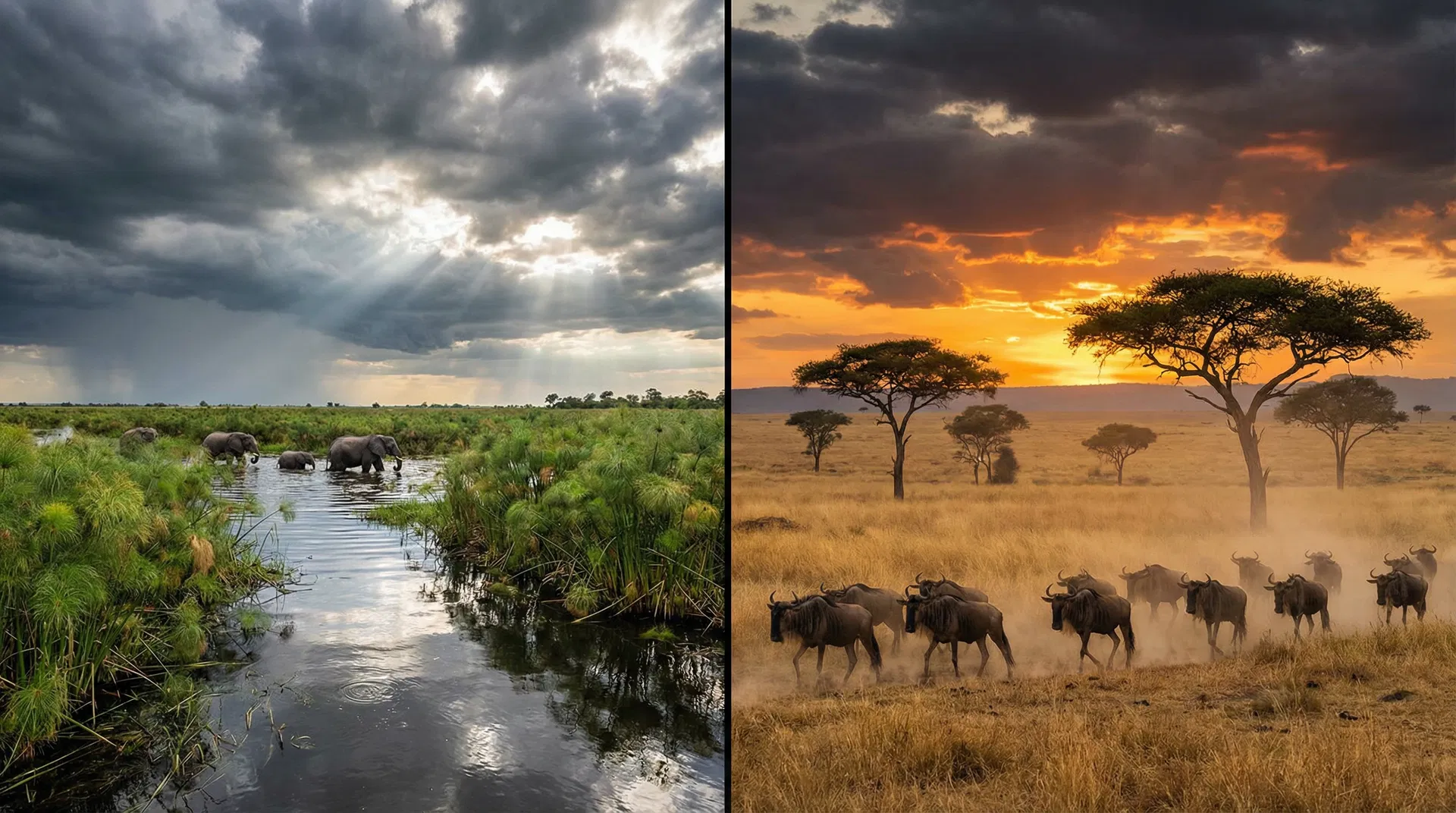 Safari Comparison Articles
Big Five Safari vs Big Cat Safari
An in-depth comparison of Big Five Safari vs Big Cat Safari to help you choose the perfect safari experience. Explore the pros, cons, and key differences to mak
2 min read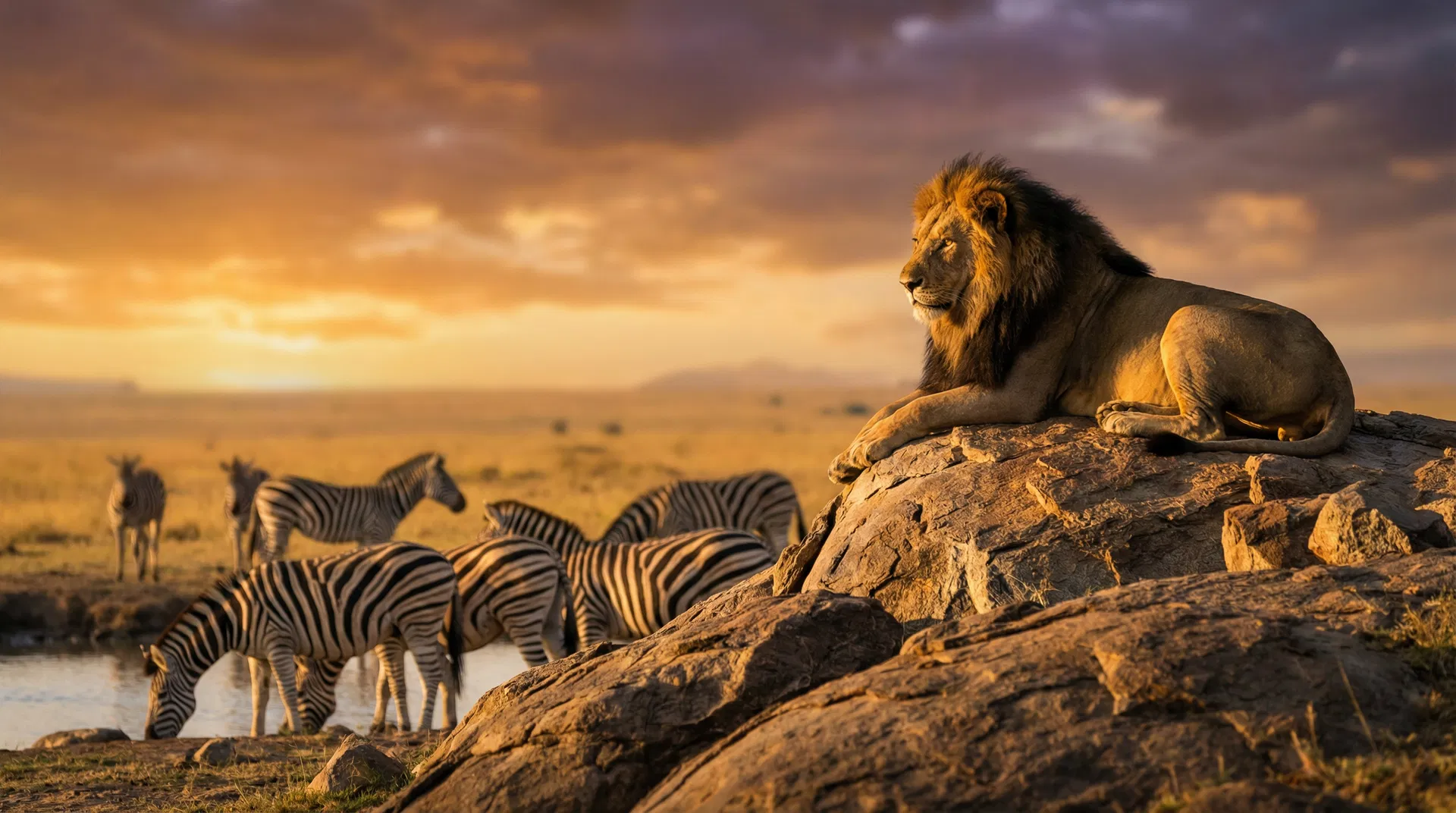 Wildlife Guides
Animal Migration Patterns Across Africa
A comprehensive guide to Animal Migration Patterns Across Africa. Learn about its habitat, behavior, diet, and conservation status.
8 min read Safari Cost Guides
Cost of a Big Five Safari
Planning a safari? Learn about cost of a big five safari. Get expert advice and insights from Safari Intelligence to plan your perfect trip.
8 min readWildlife GuidesNocturnal Animals of Africa
Discover the hidden world of Africa's nocturnal animals. This guide explores the best places for night safaris and the elusive creatures you might see.
7 min readWildlife GuidesHow Animals Adapt to African Dry Seasons
A comprehensive guide to How Animals Adapt to African Dry Seasons. Learn about its habitat, behavior, diet, and conservation status.
8 min read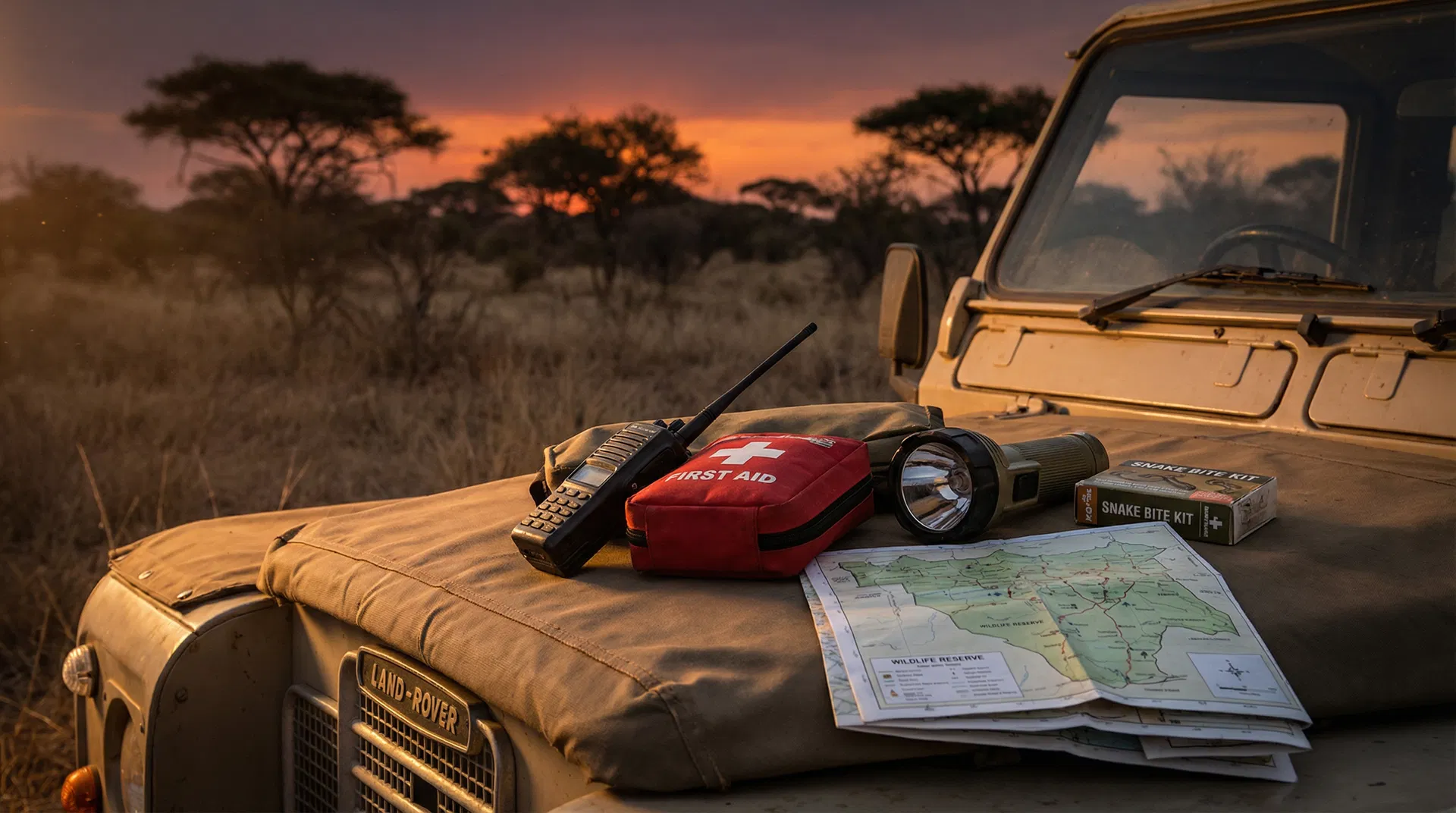 Safari Safety
Safari Vehicle Safety Explained
Learn the essentials of safari vehicle safety, from vehicle design and guide expertise to choosing a safe operator for your African safari adventure.
7 min read