Learn about the behavior and habitat of African lions. This guide covers their social structure, hunting techniques, and the best places to see them in Africa.
''' African lions are the most social of all big cats, living in groups called prides. This social structure is a fascinating and complex system that is key to their survival in the African savanna. Understanding their behavior and habitat is not only interesting but also enriches the safari experience, allowing you to appreciate these magnificent predators on a deeper level. This guide will take you through the intricacies of lion society, their hunting techniques, where they live, and the best places to see them in their natural environment.
The Social Heart of the Savannah: Understanding the Lion Pride
The pride is the center of a lion's world. It's a family unit that can range from just a few individuals to as many as 40 lions. These prides are not just random groupings; they have a defined structure and hierarchy that ensures their collective success.
Pride Composition and Hierarchy
A typical pride consists of several related lionesses and their offspring, along with a few adult males. The number of males can vary, but a coalition of two to four is common. This social arrangement is crucial for hunting, defending territory, and raising cubs. Within the pride, there isn't a strict, linear hierarchy as seen in some other animal societies, but the males are dominant over the females, and the lionesses have a more egalitarian social structure among themselves.
The Role of Male Lions
The primary role of male lions is to protect the pride and its territory from rival males. A pride's territory can be vast, spanning up to 100 square miles (260 square kilometers), and is fiercely defended. Male lions will patrol their territory, marking it with urine and roaring to warn off intruders. Their impressive manes not only make them look larger and more intimidating to rivals but also offer some protection during fights.
The Sisterhood of Lionesses
Lionesses are the heart of the pride. They are a close-knit group of related females who often stay with the pride for their entire lives. This strong bond is essential for cooperative hunting and raising cubs. Lionesses hunt together, using teamwork to bring down large prey that would be difficult for a single lion to kill. They also share the responsibility of raising their cubs, even nursing each other's young.
A Lion's Kingdom: Habitat and Distribution
Lions are adaptable and can be found in a variety of habitats across Africa, although they have a clear preference for certain environments. They are most at home in grasslands, savannas, and open woodlands.
Preferred Environments
These open environments provide the perfect balance of cover for hunting and open space to spot prey. Lions are not typically found in dense forests, as the thick vegetation makes it difficult to hunt. They are also absent from deserts, although some desert-adapted lions can be found in the Namib Desert in Namibia.
Historical and Current Range
Historically, lions roamed across most of Africa and even parts of Asia and Europe. Today, their range has been drastically reduced. The majority of Africa's lions are now found in sub-Saharan Africa, with strongholds in countries like Tanzania, Kenya, Botswana, and South Africa. Their populations are most concentrated in protected areas like national parks and game reserves.
Not Sure Where to Start?
Start HereThe Hunt: A Masterclass in Teamwork
Lions are apex predators, and their hunting strategies are a testament to their power and intelligence. While a single lion is a formidable hunter, their greatest strength lies in their ability to hunt as a team.
Cooperative Hunting Strategies
Lionesses do the majority of the hunting for the pride. They often hunt at night or during the cooler parts of the day. Using the available cover, they will stalk their prey, getting as close as possible before launching a coordinated attack. Different lionesses may take on different roles in the hunt, with some driving the prey towards others who are waiting in ambush.
Common Prey
Lions have a broad diet and will hunt a wide variety of animals. Their most common prey includes wildebeest, zebra, buffalo, and warthog. However, they are opportunistic and will also hunt smaller animals like birds and reptiles, and even scavenge from other predators.
Where to Witness the Majesty of African Lions
An African safari offers the incredible opportunity to see lions in their natural habitat. Certain destinations are renowned for their large and visible lion populations, making them ideal for a lion-focused safari.
Tanzania: The Serengeti and Ngorongoro Crater
Tanzania is arguably the best country in Africa for seeing lions. The Serengeti National Park is home to an estimated 3,000 lions, making it one of the largest populations on the continent. The vast plains of the Serengeti provide excellent visibility, and the annual Great Migration of wildebeest and zebra offers a constant source of prey. The Ngorongoro Crater, a UNESCO World Heritage Site, is another fantastic location, with a dense population of lions in a stunningly beautiful setting.
Kenya: The Maasai Mara
Adjacent to the Serengeti, Kenya's Maasai Mara National Reserve is another world-class destination for lion sightings. The Mara is famous for its large prides and the dramatic river crossings of the Great Migration. The open grasslands of the Mara make it relatively easy to spot and photograph lions.
Botswana: The Okavango Delta
The Okavango Delta in Botswana offers a unique safari experience, with lions that have adapted to a semi-aquatic environment. Here, you can witness lions hunting in the water, a behavior not commonly seen elsewhere. The Moremi Game Reserve, within the Okavango Delta, is particularly well-known for its lion population.
South Africa: Kruger National Park
Kruger National Park in South Africa is another excellent choice for a lion safari. The park's diverse habitats support a large and healthy lion population. The southern part of the park is particularly rewarding for lion sightings, with numerous prides in a relatively small area.
The Future of the African Lion
While lions are a symbol of wild Africa, they face numerous threats to their survival. Habitat loss, human-wildlife conflict, and disease have all contributed to a decline in their populations. Conservation efforts are underway across the continent to protect these magnificent animals and their habitats.
By choosing to go on a safari with a reputable operator that supports conservation, you are contributing to the protection of lions and other wildlife. Your visit not only provides a once-in-a-lifetime experience but also helps to ensure that future generations will be able to witness the majesty of the African lion.
In conclusion, the African lion is a complex and fascinating animal. Their social behavior, hunting strategies, and adaptability make them a truly remarkable species. Seeing them in their natural habitat is an unforgettable experience that offers a glimpse into the intricate web of life in the African savanna. '''
Ready to Plan Your Safari?
Use our step-by-step safari planning system to turn your research into a real trip. From choosing destinations to selecting trusted operators, we guide you through every decision.
Connect with professional safari advisors for personalized planning guidance.
Find an AdvisorBrowse 11,000+ safari operators across Africa, filtered by country and specialty.
View Operator DirectoryExplore Related Topics
Recommended Reading
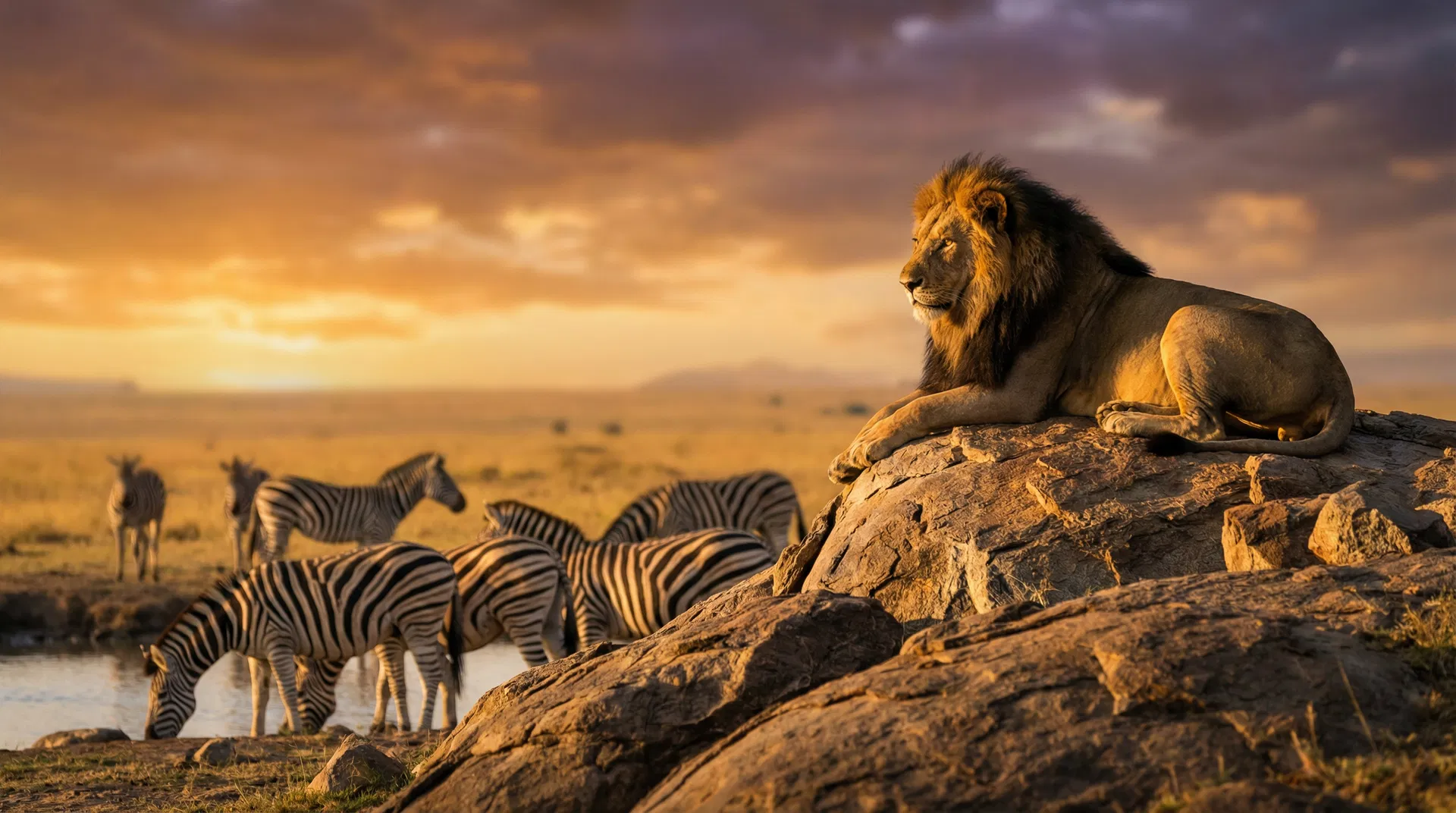 Wildlife Guides
Complete Guide to African Lion Behavior
Delve into the complex social structure, hunting techniques, and communication methods of the African lion. Understand the king of the savanna with this in-depth guide.
Wildlife GuidesComplete Guide to African Elephant Social Structure
Learn about complete guide to african elephant social structure in this comprehensive safari guide.
Wildlife GuidesBest Places to See Lions
Discover the best places to see lions in Africa, from the Serengeti to the Okavango Delta. This expert guide helps you plan your ultimate lion safari adventure.
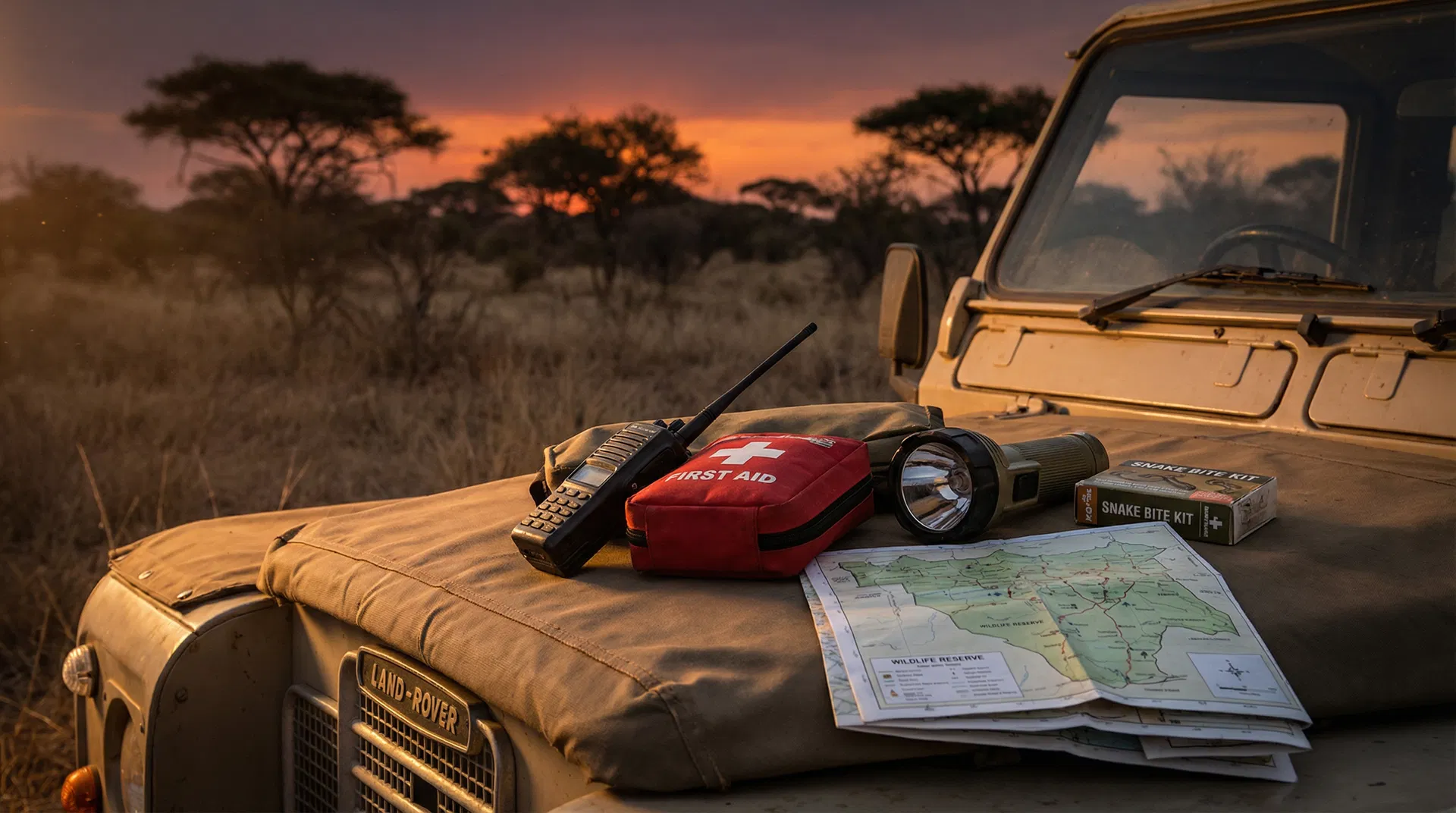 Safari Safety
Is African Safari Safe for Travelers?
Is an African safari safe? Our expert guide covers the real risks, safety measures, and practical advice to help you plan a secure and unforgettable journey.
Safari SafetyTravel Safety in East Africa
Travel safely in East Africa with our expert tips. This guide covers health, urban safety, and wildlife precautions for your safari in Kenya, Tanzania, and beyond.
Safari SafetyTravel Safety in Southern Africa
Learn how to travel safely in Southern Africa with our expert guide. Get practical tips on urban safety, safari precautions, and health preparations for your trip.