Is an African safari safe? Our expert guide covers the real risks, safety measures, and practical advice to help you plan a secure and unforgettable journey.
An African safari is a dream for many travelers, offering a unique opportunity to witness incredible wildlife in its natural habitat. However, for first-time visitors, the question of safety is often a primary concern. The idea of being in close proximity to wild animals, combined with unfamiliar destinations, can feel intimidating. The good news is that African safaris are overwhelmingly safe when planned with reputable operators and when travelers follow sensible guidelines. This article will break down the real risks, explain the safety measures in place, and provide practical advice to ensure your journey is both thrilling and secure.
Understanding Safari Safety: Perception vs. Reality
When we think of safari risks, our minds often jump to dramatic images of predator-prey encounters. While wildlife is certainly a factor to respect, the most common safety issues are far more mundane. Understanding the distinction between perceived dangers and actual risks is the first step toward a safe and enjoyable safari experience. The reality is that safari operators have decades of experience managing wildlife encounters, and their protocols are designed to protect both you and the animals.
The Role of Professional Guides
A professional safari guide is your most important safety asset. These individuals are highly trained experts in animal behavior, conservation, and first aid. They know how to read animal signals, anticipate their movements, and maintain a safe distance. A qualified guide will never put you in a dangerous situation. They are trained to recognize when an animal is stressed or agitated and will reposition the vehicle or calmly retreat to de-escalate any potential conflict. Their expertise is the foundation of a safe wildlife viewing experience.
Reputable Lodges and Camps
Established safari lodges and camps are built with safety as a top priority. In unfenced camps, which offer a more immersive wilderness experience, you will be escorted to and from your tent after dark by a staff member. Tents are designed to be secure, and animals generally see them as solid structures to be avoided. The camp staff will provide a thorough safety briefing upon your arrival, outlining the rules and procedures designed to keep you safe. These protocols are time-tested and effective, allowing you to sleep soundly with the sounds of the African bush around you.
Wildlife Encounters: Respect and Common Sense
Seeing a lion, elephant, or buffalo up close is a breathtaking experience. These moments are the highlights of any safari, and they are managed with strict safety protocols. The key to safe wildlife viewing is respecting the animals and their space. Your guide will ensure you never get too close to threaten or disturb them. It is crucial to listen to your guide at all times and follow their instructions without question.
In the Safari Vehicle
The safari vehicle is your safe space while on a game drive. Animals see the vehicle as a single, non-threatening entity and will generally ignore it. It is essential to stay inside the vehicle at all times, unless your guide specifically tells you it is safe to get out. Never hang your arms or legs outside the vehicle, and avoid making loud noises or sudden movements that could startle an animal. By remaining calm and quiet, you can enjoy incredibly close encounters without posing a threat or putting yourself at risk.
Walking Safaris and Gorilla Trekking
Walking safaris and gorilla trekking offer a more intimate way to experience the wilderness, and they come with their own set of safety guidelines. These activities are always led by armed, expert rangers and guides who are trained to handle any situation. During a walking safari, you will learn to read tracks and signs, and your guide will maintain a safe distance from large animals. For gorilla trekking in destinations like Uganda's Bwindi Impenetrable Forest or Rwanda's Volcanoes National Park, the rules are strictly enforced to protect both the gorillas and the visitors. You will be required to maintain a specific distance and follow a clear code of conduct.
Not Sure Where to Start?
Start HereHealth and Medical Precautions
Health risks are a more practical concern than wildlife on an African safari. However, with proper preparation, these risks can be easily managed. It is essential to consult with your doctor or a travel clinic 4-6 weeks before your departure to get the necessary vaccinations and medical advice for your chosen destination.
Vaccinations and Malaria
Depending on which countries you visit, certain vaccinations may be required or recommended. Yellow Fever is a common requirement for entry into countries like Tanzania and Uganda. Your doctor will also advise on other routine vaccinations such as Tetanus and Hepatitis A. Malaria is present in many safari destinations, and you will likely need to take anti-malarial medication. Your doctor will prescribe the best option for you. Using insect repellent containing DEET, wearing long sleeves and pants in the evenings, and sleeping under a mosquito net are also effective ways to prevent mosquito bites.
General Health on Safari
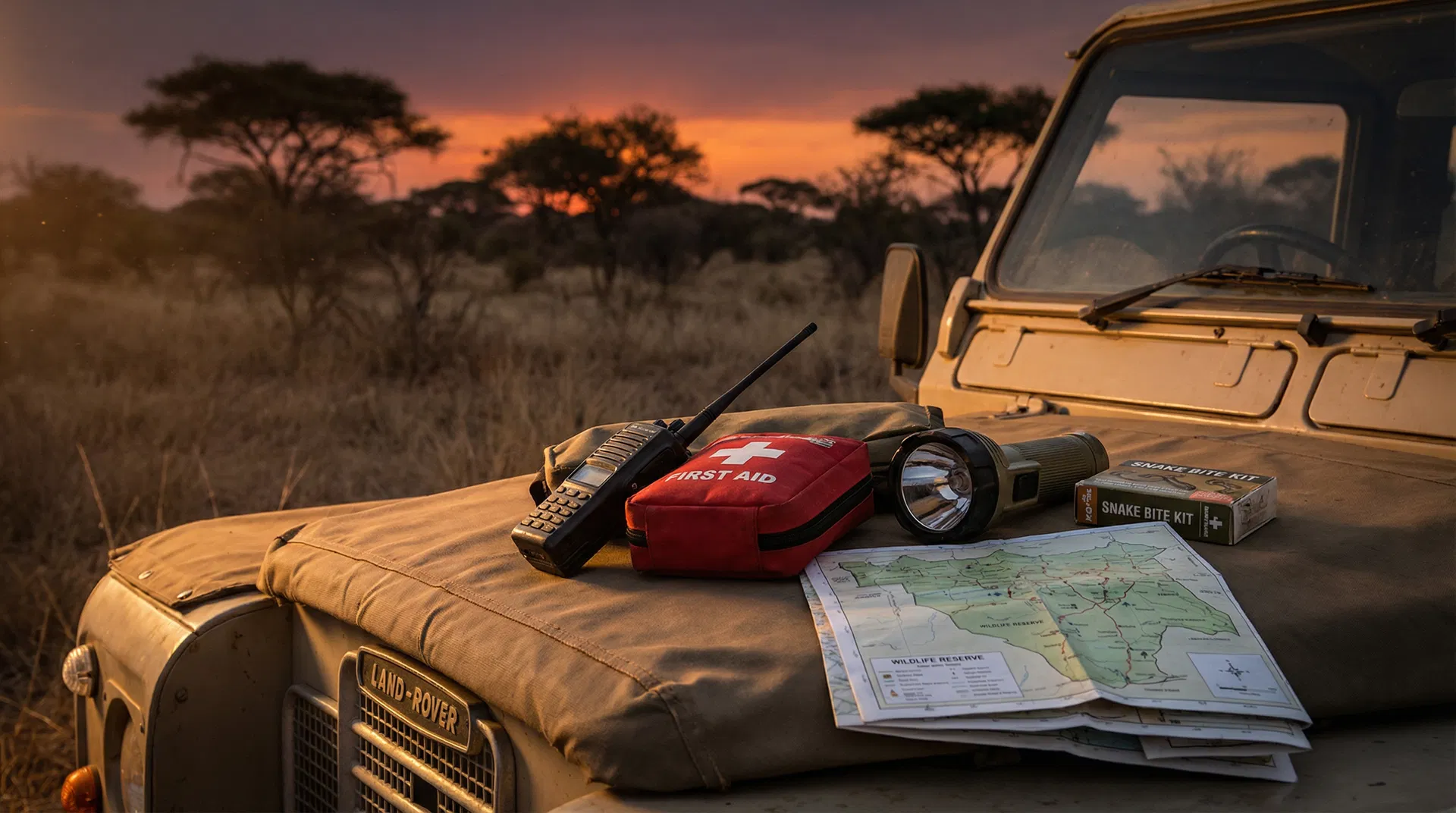
Staying hydrated is crucial in the African heat. Always drink bottled or purified water, which will be readily available at all lodges and camps. The food at reputable safari lodges is prepared to the highest standards, so you can enjoy the delicious cuisine without worry. It is always a good idea to bring a small medical kit with essentials like pain relievers, antiseptic wipes, and any personal medications you require. Finally, be sure to have comprehensive travel insurance that includes medical evacuation coverage, just in case of an emergency.
Choosing a Safe Safari Destination
Africa is a vast continent, and safety can vary significantly from one country to another. Reputable safari destinations like Tanzania, Kenya, Botswana, Namibia, Rwanda, and Zambia have well-established tourism industries and are considered very safe for travelers. These countries have dedicated tourism police and highly professional operators who prioritize guest safety.
Political Stability and Local Security
It is wise to check your government's travel advisories before booking your trip. These advisories provide up-to-date information on political stability and any local security concerns. However, remember that these advisories often apply to entire countries, while safari destinations are typically located in remote, secure wilderness areas far from any urban unrest. A professional safari advisor can provide context and help you understand the situation on the ground in the specific areas you plan to visit.
The Value of a Trusted Operator
The single most important decision you will make for your safety is choosing a reputable safari operator. A trusted operator will have a proven track record, excellent reviews, and a deep commitment to safety. They will only work with lodges and guides that meet the highest standards. While it may be tempting to choose a budget operator, this is not the place to cut corners. Your safety and the quality of your experience depend on the professionalism and expertise of the company you choose.
In conclusion, an African safari is a remarkably safe and rewarding travel experience. By choosing a reputable operator, listening to your expert guides, and taking sensible health precautions, you can confidently immerse yourself in the magic of the African wilderness. The memories you make will last a lifetime, and you will return home with a newfound appreciation for the incredible wildlife and landscapes of this beautiful continent.
Explore Related Topics
Recommended Reading
 Safari Safety
Travel Safety in East Africa
Travel safely in East Africa with our expert tips. This guide covers health, urban safety, and wildlife precautions for your safari in Kenya, Tanzania, and beyond.
Safari SafetyTravel Safety in Southern Africa
Learn how to travel safely in Southern Africa with our expert guide. Get practical tips on urban safety, safari precautions, and health preparations for your trip.
 Safari Planning
Vaccinations Needed for African Safari Travel
Learn about the required and recommended vaccinations for your African safari. Our guide covers Yellow Fever, Malaria, and other health precautions for your trip.
Safari PlanningTravel Insurance for African Safaris
Learn why travel insurance is essential for your African safari. Our guide covers medical emergencies, trip cancellations, and choosing the right policy for you.
 Country Guides
South Africa Safari Health and Safety Overview
A guide to staying healthy and safe on a South African safari, from malaria prevention and vaccinations to wildlife encounters and personal security.
Safari PlanningStep-by-Step Guide to Planning an African Safari
Learn how to plan your first African safari with our step-by-step guide. We cover everything from choosing a destination to booking your trip and packing.