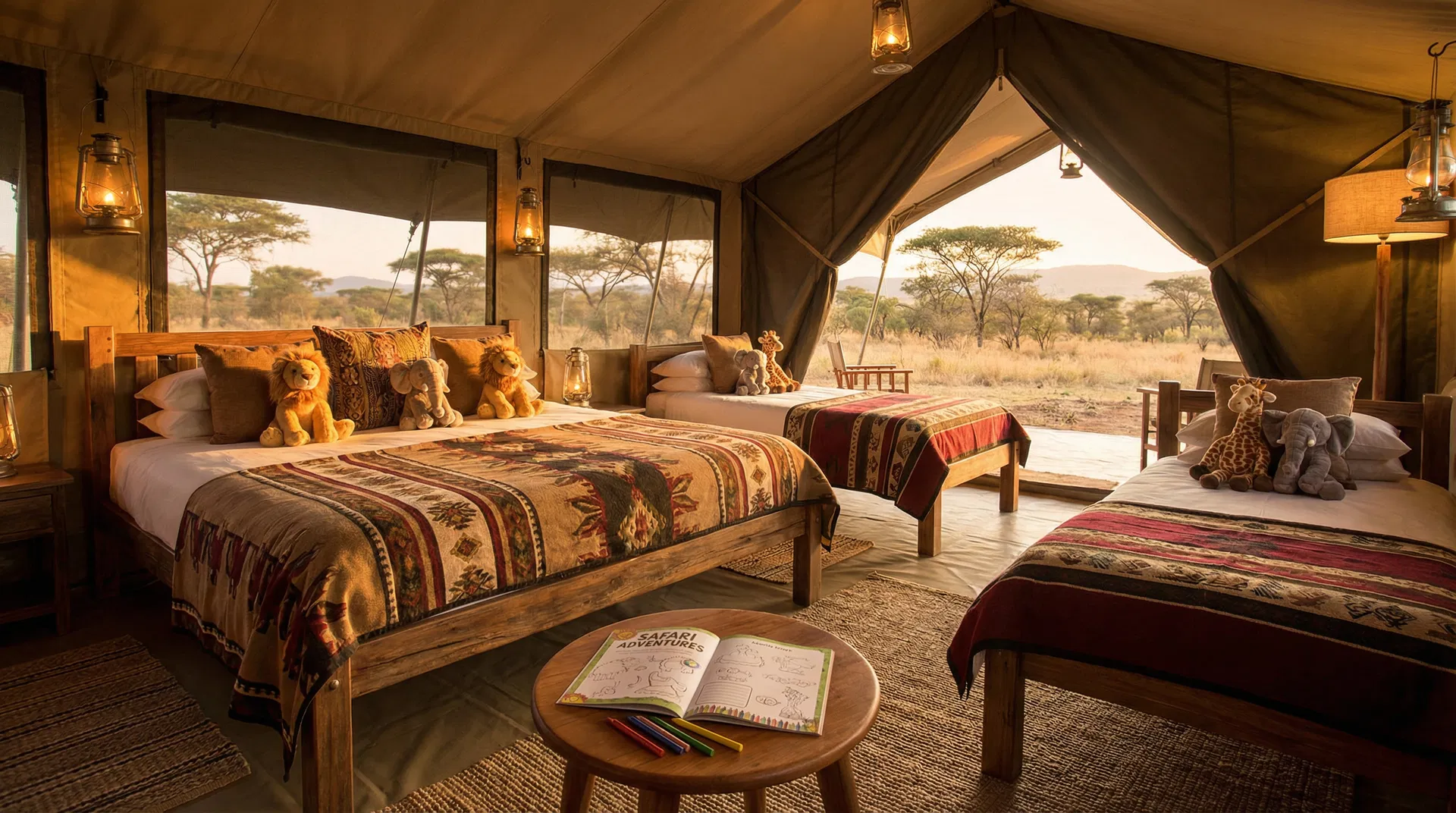
Planning a safari with kids? Our guide covers the best family-friendly destinations, lodges, and activities to help you create an unforgettable African adventure.
Taking your children on an African safari is an opportunity to create lifelong memories and instill in them a deep appreciation for wildlife and conservation. Watching their eyes light up at the sight of a giraffe, a herd of elephants, or a playful lion cub is an experience that transcends any classroom lesson. However, a safari with kids requires careful planning to ensure it is safe, engaging, and enjoyable for the entire family. This guide will walk you through everything you need to know, from choosing the right destinations and lodges to planning age-appropriate activities that will keep your children captivated.
Is a Safari with Kids a Good Idea?
Many parents wonder if an African safari is a suitable vacation for children. The answer is a resounding yes, provided you plan it thoughtfully. A family safari is more than just a vacation; it's a chance to connect with nature and each other, away from the distractions of daily life. It offers a unique blend of adventure, education, and relaxation. For children, it's a powerful sensory experience—the sounds of the bush at night, the scent of wild sage, and the thrill of tracking animals in their natural habitat. It fosters curiosity, resilience, and a global perspective that will stay with them long after they return home.
Of course, there are valid considerations, such as safety, long travel days, and keeping children engaged. The key is to tailor the experience to your family's needs. Opt for shorter game drives, choose lodges with family-friendly amenities, and build plenty of downtime into your itinerary. With the right approach, a safari can be one of the most rewarding and memorable trips you ever take as a family.
Best Safari Destinations for Families
Choosing the right destination is the first step to a successful family safari. Some countries and parks are better suited for children due to their accessibility, malaria-free status, and abundance of family-oriented lodges. Here are some of the top choices for a safari with kids.
South Africa: Kruger National Park and Malaria-Free Reserves
South Africa is arguably the most popular destination for family safaris, and for good reason. The country offers a wide range of malaria-free game reserves in the Eastern Cape, such as Madikwe and Shamwari, which are perfect for families with young children. These reserves provide exceptional wildlife viewing without the health concerns associated with malaria. The world-renowned Kruger National Park also has malaria-free areas and offers excellent infrastructure, including paved roads that make for smoother game drives.
Tanzania: Serengeti and Ngorongoro Crater
Tanzania is home to some of Africa's most iconic parks, including the Serengeti and the Ngorongoro Crater. While it is a malaria area, it is an excellent choice for families with older children and teenagers. The sheer density of wildlife is breathtaking, and the annual Great Migration in the Serengeti is a spectacle that will awe travelers of all ages. Many lodges and camps in Tanzania welcome children and offer family tents or interconnected rooms.
Kenya: Maasai Mara National Reserve
Kenya's Maasai Mara is another fantastic option, famous for its large lion population and its role in the Great Migration. The Mara offers a rich cultural component, with opportunities to visit local Maasai villages, which can be a profound learning experience for children. The landscape is vast and open, making wildlife easy to spot, which helps keep younger travelers engaged. Many camps in private conservancies bordering the main reserve offer exclusive and flexible safari experiences for families.
Botswana: The Okavango Delta and Chobe National Park
Botswana is a premier safari destination known for its pristine wilderness and focus on low-impact tourism. While it is generally considered a more high-end destination, it offers incredible family safari experiences, particularly for those with older children. The Okavango Delta provides unique water-based activities like mokoro (traditional canoe) excursions, which offer a different perspective on the ecosystem. Chobe National Park is famous for its enormous elephant herds, and a river cruise on the Chobe River is a highlight for any family.
Choosing the Right Family-Friendly Lodge
Your choice of accommodation can make or break a family safari. A lodge that welcomes and caters to children will ensure a more relaxed and enjoyable experience for everyone. Here are the key factors to consider when selecting a family-friendly safari lodge.
Age Restrictions
Many safari lodges have minimum age restrictions, often starting at six or eight years old for regular game drives and sometimes older for walking safaris. However, a growing number of lodges specialize in family travel and welcome children of all ages. Always confirm a lodge's age policy before booking. Some may offer private game drive vehicles for families with very young children, allowing for more flexibility.
Family Tents and Villas
Space and privacy are essential for families. Look for lodges that offer family suites, interconnected tents, or private villas. These configurations allow you to be close to your children while still having your own space. A private villa often comes with its own guide and vehicle, giving you complete control over your daily schedule—a significant advantage when traveling with kids.
Kids' Programs and Activities
The best family lodges go beyond simply accommodating children; they actively engage them. Many offer specialized kids' programs, often called "Young Rangers" or "Mini-Trackers" clubs. These programs are led by trained guides who teach children about tracking, bushcraft, and conservation in a fun and interactive way. Activities may include guided nature walks, animal track molding, and learning about the local culture.
Health and Safety on a Family Safari
Africa is a safe travel destination, but it's important to take sensible precautions, especially when traveling with children. Your safari advisor and lodge staff will provide detailed safety briefings, but here are some essential points to consider during the planning phase.
Vaccinations and Malaria Prevention
Consult your doctor or a travel clinic at least a few months before your trip to discuss necessary vaccinations and malaria prevention. If you are traveling to a malaria area, your doctor will likely prescribe antimalarial medication for the whole family. Using insect repellent containing DEET, wearing long-sleeved shirts and pants in the evenings, and sleeping under mosquito nets are also effective preventive measures.
Wildlife Safety Briefings
Upon arrival at your lodge, you will receive a thorough safety briefing. It is crucial that both you and your children listen carefully and adhere to the rules. These typically include not running inside the camp, never walking around unaccompanied at night, and keeping quiet when approaching wildlife. These rules are in place to ensure the safety of both guests and the animals.
What to Pack
Packing the right gear is essential for a comfortable and safe safari. In addition to neutral-colored clothing, be sure to include a well-stocked first-aid kit with any personal medications, antihistamines for insect bites, and pain relievers. Sun protection is vital, so pack high-SPF sunscreen, wide-brimmed hats, and sunglasses for everyone. Binoculars for each family member, including child-friendly pairs, can greatly enhance the experience.
Safari Activities for Children
While game drives are the cornerstone of any safari, children often have shorter attention spans. The best family safaris incorporate a variety of activities to keep things interesting and fun.
Shorter Game Drives
Instead of a full-day game drive, consider breaking it up into shorter morning and afternoon excursions. This prevents fatigue and keeps children from getting restless. A private vehicle offers the flexibility to return to camp whenever your kids have had enough, without disrupting other guests.
Bush Walks and Nature Scavenger Hunts
Many family-friendly lodges offer guided bush walks around the camp, focusing on the smaller wonders of the ecosystem—insects, plants, and animal tracks. This is a fantastic way for children to stretch their legs and learn about the environment up close. Some guides will organize nature scavenger hunts, adding an element of fun and competition.
Cultural Visits
Visiting a local village or school can be one of the most impactful parts of a family safari. It provides a valuable cultural exchange and helps children understand different ways of life. These visits are often arranged in partnership with the community, ensuring they are authentic and respectful.
A safari with your children is an investment in their education and your family's shared memories. By planning carefully and choosing the right partners, you can create a journey that is as enriching as it is exciting. It's a chance to witness the magic of the wild through their eyes and inspire a new generation of conservationists.
The African Safari Planning Blueprint — Your Complete Guide
80+ Pages of Expert Knowledge in One Place
The comprehensive guide that replaces weeks of scattered research. 80+ pages of expert insights, decision frameworks, and insider knowledge.
Helpful Guides for Your Safari Planning
Optional planning guides built from real safari industry experience. Use them alongside our free knowledge center to plan your trip.
Need Expert Safari Guidance?
Our safari advisors can help you plan the perfect itinerary based on your interests, budget, and travel dates. Get personalized recommendations from experts who have lived and worked across Africa.
Explore Related Topics
Recommended Reading
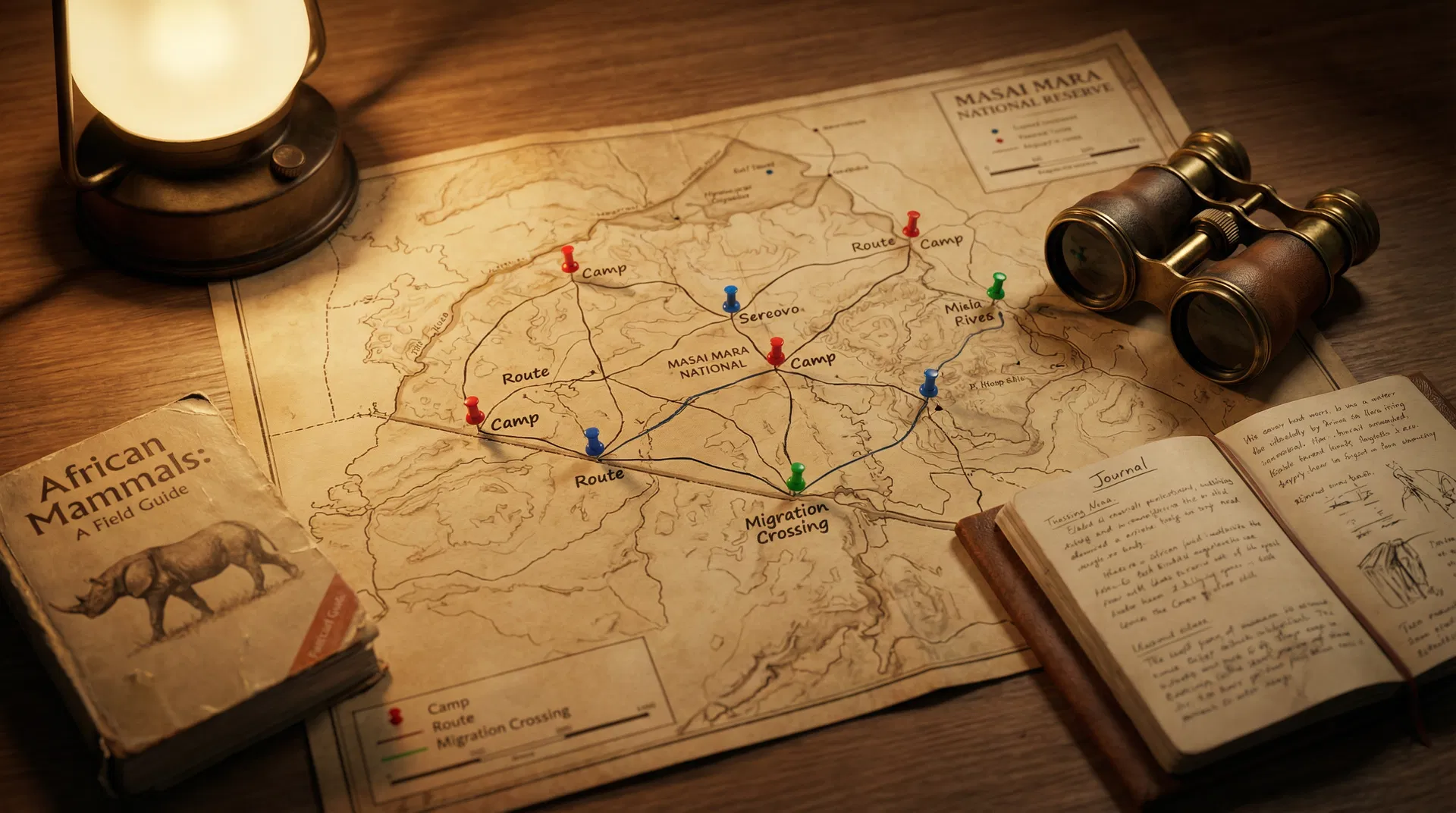 Safari Planning
Step-by-Step Guide to Planning an African Safari
Learn how to plan your first African safari with our step-by-step guide. We cover everything from choosing a destination to booking your trip and packing.
6 min read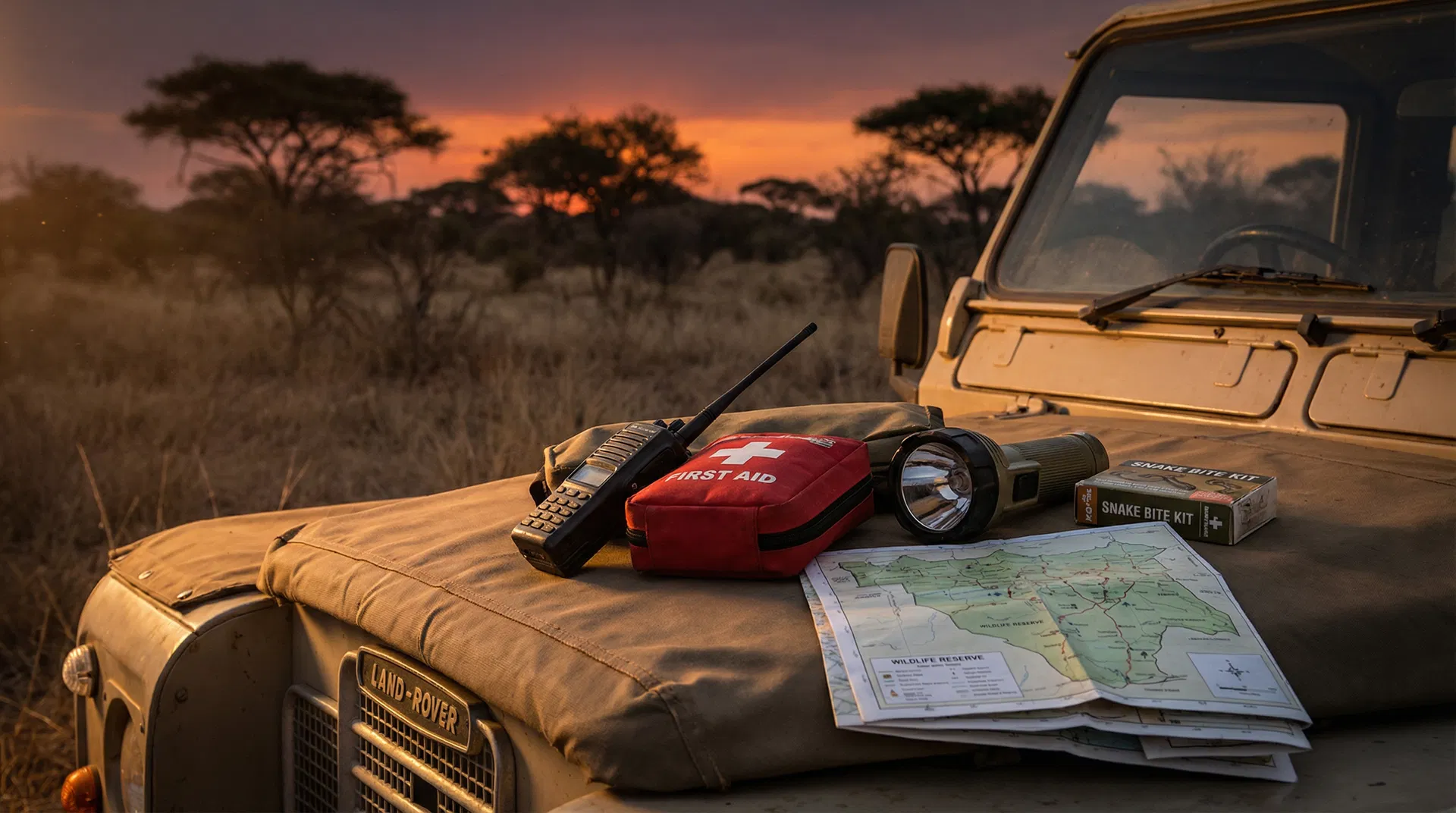 Safari Safety
How Safari Guides Keep Guests Safe
Learn how expert safari guides keep you safe in the African bush. Discover the rigorous training, field protocols, and wildlife expertise that ensure a secure and unforgettable safari experience.
6 min read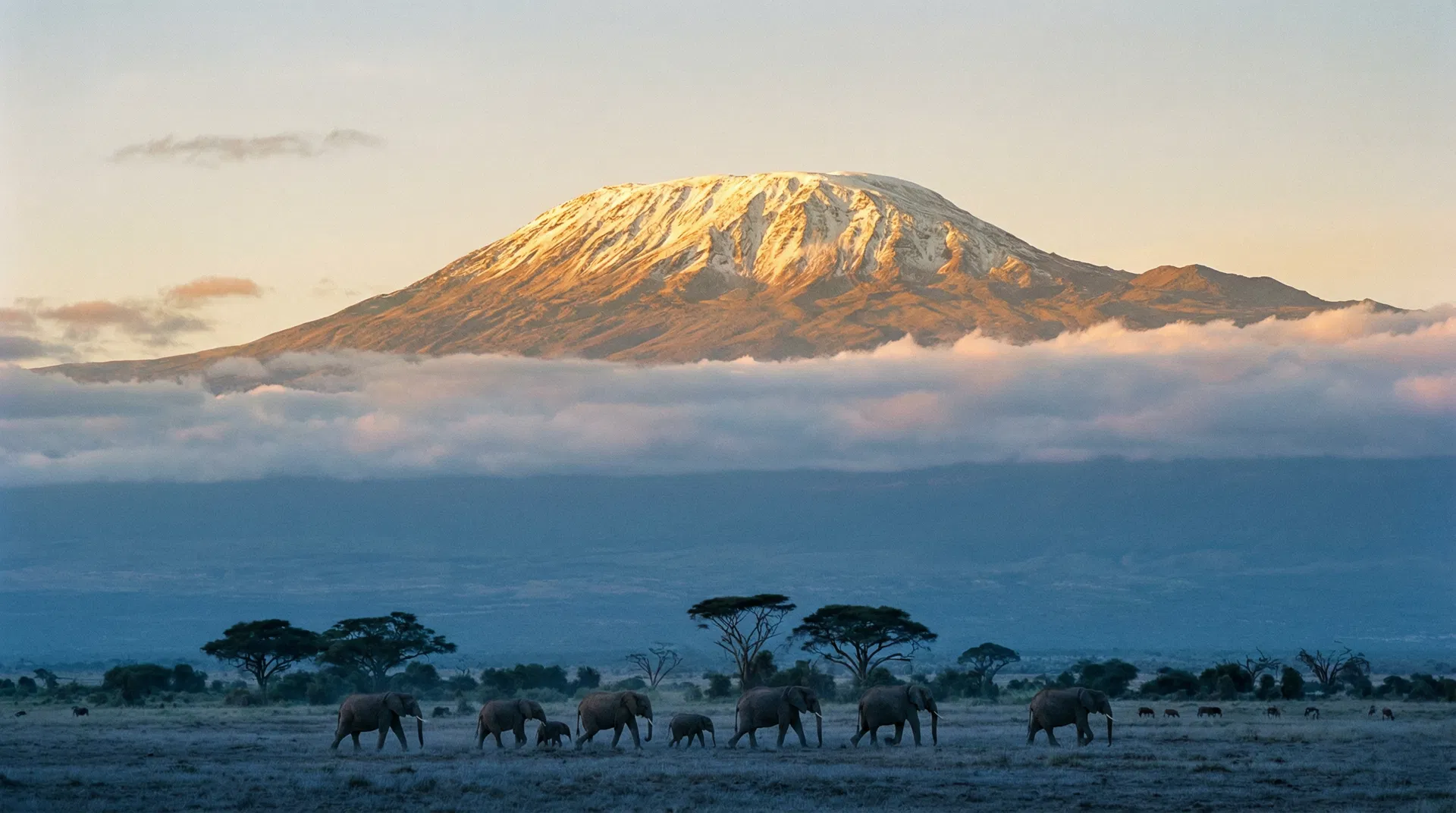 Country Guides
Complete Safari Guide to South Africa
Your complete guide to Complete Safari Guide to South Africa. Find the best destinations, planning tips, and more for your next safari adventure.
0 min read Safari Comparison Articles
Guided Safari vs Self-Drive Safari in South Africa
An in-depth comparison of Guided Safari vs Self-Drive Safari in South Africa to help you choose the perfect safari experience. Explore the pros, cons, and key d
2 min readSafari PlanningSelf-Drive Safari vs Guided Safari
Deciding between a self-drive safari and a guided safari? This guide breaks down the pros, cons, costs, and key differences to help you choose the right trip.
9 min read Safari Costs
Private Safari Cost Guide
Discover the factors that influence private safari costs in Africa. This guide breaks down expenses for destinations like Tanzania, Kenya, and Botswana.
5 min read