Learn how expert safari guides keep you safe in the African bush. Discover the rigorous training, field protocols, and wildlife expertise that ensure a secure and unforgettable safari experience.
''' When you picture an African safari, you likely imagine close encounters with incredible wildlife in stunning landscapes. What you may not consider is the immense responsibility and skill required to make those moments happen safely. Your safari guide is the single most important factor in ensuring your well-being in the wild. They are far more than just drivers or wildlife spotters; they are highly trained professionals whose primary job is to manage risk and keep you secure while delivering a life-changing experience.
But how, exactly, do they do it? The safety of a safari depends on a deep-rooted system of training, experience, and constant vigilance. From understanding animal behavior to handling vehicle mechanics and first aid, a guide's expertise is the invisible shield that allows you to immerse yourself in the magic of the African bush without worry.
The Foundation: Rigorous Training and Certification
A professional safari guide doesn't just happen. They are the product of extensive and demanding training programs. In renowned safari countries like South Africa, Kenya, Tanzania, and Botswana, guides must be certified, and this certification is a testament to their competence. Organizations like the Field Guides Association of Southern Africa (FGASA) set the gold standard for guide qualifications.
What Guides Learn
The curriculum is vast and covers multiple disciplines essential for bush safety:
- Animal Behavior: This is the cornerstone of safari safety. Guides spend hundreds of hours learning to interpret animal vocalizations, body language, and track patterns. They know the difference between a relaxed elephant and one that feels threatened. They can read the signs of a leopard on a kill or a nervous herd of buffalo. This knowledge allows them to predict an animal's next move and maintain a safe distance, ensuring the encounter is respectful and non-disruptive.
- Vehicle Operation and Mechanics: A safari vehicle is your mobile sanctuary in the wild. Guides are expert drivers, capable of navigating treacherous terrain, from muddy tracks in Uganda's Bwindi Impenetrable Forest to the sandy riverbeds of Botswana's Okavango Delta. They are also skilled bush mechanics, able to handle common issues like flat tires or engine trouble far from any workshop.
- Wilderness First Aid: Medical emergencies can happen anywhere. Guides are trained in advanced wilderness first aid and are equipped to handle injuries, illnesses, and allergic reactions until further help can arrive. They know how to stabilize a patient and coordinate an evacuation if necessary.
- Firearm Proficiency (for Walking Safaris): On walking safaris, where you are most vulnerable, guides are often armed. This is a last resort, and the primary goal is to avoid a dangerous encounter altogether. Guides undergo rigorous firearms training and are licensed to carry rifles for guest protection in specific situations, particularly in areas with high concentrations of predators or large mammals like buffalo and elephant.
In the Field: Proactive Safety Management
Training is the foundation, but it is in the field where a guide's skill truly shines. Safety on safari is not about reacting to danger; it's about proactively preventing it. This is achieved through a combination of established protocols and dynamic risk assessment.
The Safety Briefing
Every safari activity, whether a game drive or a bush walk, begins with a comprehensive safety briefing. This is not just a formality. Your guide will explain the rules of the wild—rules designed entirely for your protection. These include:
- Staying in the Vehicle: In parks like the Serengeti or Kruger National Park, the vehicle acts as a "hide." Animals are accustomed to vehicles and generally see them as non-threatening parts of the landscape. As long as you remain seated and don't make sudden movements, you are perfectly safe.
- No Loud Noises or Shouting: Sudden, loud noises can startle wildlife and may be interpreted as a threat, causing an animal to flee or, in a worst-case scenario, become defensive.
- Never Feed the Animals: Feeding wildlife is strictly prohibited. It alters their natural behavior, makes them dependent on humans, and can lead to aggressive encounters.
Reading the Environment
A guide is constantly "reading" the bush. Their senses are on high alert, scanning the horizon for movement, listening for alarm calls from birds or monkeys, and even smelling the air for signs of a nearby predator. This constant situational awareness allows them to anticipate potential risks long before they become a threat. They know which areas to avoid at certain times of day and understand the territorial boundaries of different species.
Managing Wildlife Encounters
The most thrilling part of a safari is seeing animals up close, and guides are masters at facilitating these encounters safely. Their approach is built on a deep respect for the animals and an intimate understanding of their behavior.
Maintaining a Respectful Distance
Your guide knows the "comfort zone" of each animal. They will position the vehicle in a way that gives you a fantastic view without encroaching on the animal's space or blocking its path. The goal is to observe without disturbing. In a modern safari vehicle, which is typically an open-sided Land Cruiser, you are often surprisingly close to wildlife. However, because you are part of the vehicle's silhouette and remain quiet, animals do not perceive you as a threat.
Handling a Charge
In the rare event that an animal, such as an elephant or a buffalo, displays aggressive behavior or makes a mock charge, your guide is trained to respond calmly and effectively. They know when to stand their ground and when to slowly back away. Panicking is the worst possible reaction, and a guide's steady confidence is reassuring and critical in de-escalating the situation. Their knowledge of animal behavior tells them whether the charge is a bluff—a warning to back off—or something more serious.
Safety at the Lodge and in Camp
Your safety doesn't end when the game drive is over. In unfenced lodges and camps, which offer the most authentic wilderness experience, wildlife can and does wander through the property. Here too, guides and camp staff play a crucial role.
Escorts After Dark
At night, you will always be escorted to and from your tent or room by a guide or a Maasai warrior. Animals like hippos, which graze on land at night, or predators on the move, can be dangerous to encounter on foot. Your escort is trained to scan the area with a powerful flashlight and ensure your path is clear.
Camp Briefing and Rules
Upon arrival at a lodge, you will receive another safety briefing specific to the camp. This includes rules like keeping your tent zipped up at all times to prevent curious monkeys or other small animals from entering. You will be shown how to use the provided air horn or radio to call for help in an emergency.
In conclusion, the safety and success of your African safari rest squarely on the shoulders of your guide. Their rigorous training, deep understanding of the wild, and unwavering commitment to your well-being are what make it possible to experience the continent's magnificent wildlife with confidence and peace of mind. When you choose a reputable operator with qualified guides, you are investing in a professional who has dedicated their life to mastering the art of safari—an art where safety is always the highest priority. '''))
The African Safari Planning Blueprint — Your Complete Guide
80+ Pages of Expert Knowledge in One Place
The comprehensive guide that replaces weeks of scattered research. 80+ pages of expert insights, decision frameworks, and insider knowledge.
Helpful Guides for Your Safari Planning
Optional planning guides built from real safari industry experience. Use them alongside our free knowledge center to plan your trip.
Need Expert Safari Guidance?
Our safari advisors can help you plan the perfect itinerary based on your interests, budget, and travel dates. Get personalized recommendations from experts who have lived and worked across Africa.
Explore Related Topics
Recommended Reading
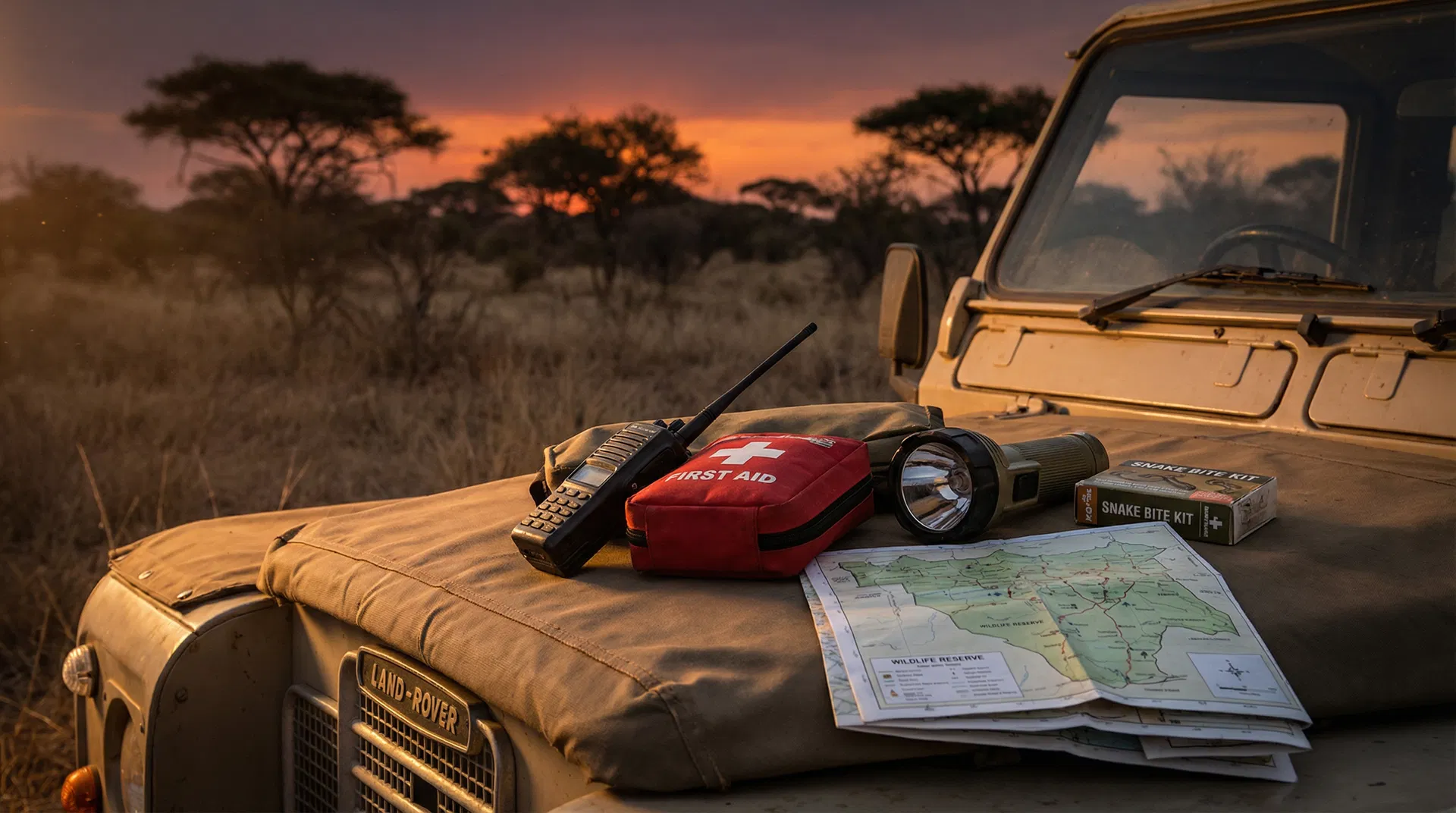 Safari Safety
Wildlife Safety on Safari
Planning an African safari? Our guide to wildlife safety provides essential tips for staying safe around wild animals, from game drives to walking safaris.
7 min readSafari SafetySafari Vehicle Safety Explained
Learn the essentials of safari vehicle safety, from vehicle design and guide expertise to choosing a safe operator for your African safari adventure.
7 min readSafari SafetyNight Safari Safety
Planning a night safari? Our guide covers essential safety tips, what to wear, and the best destinations for nocturnal wildlife encounters in Africa.
6 min read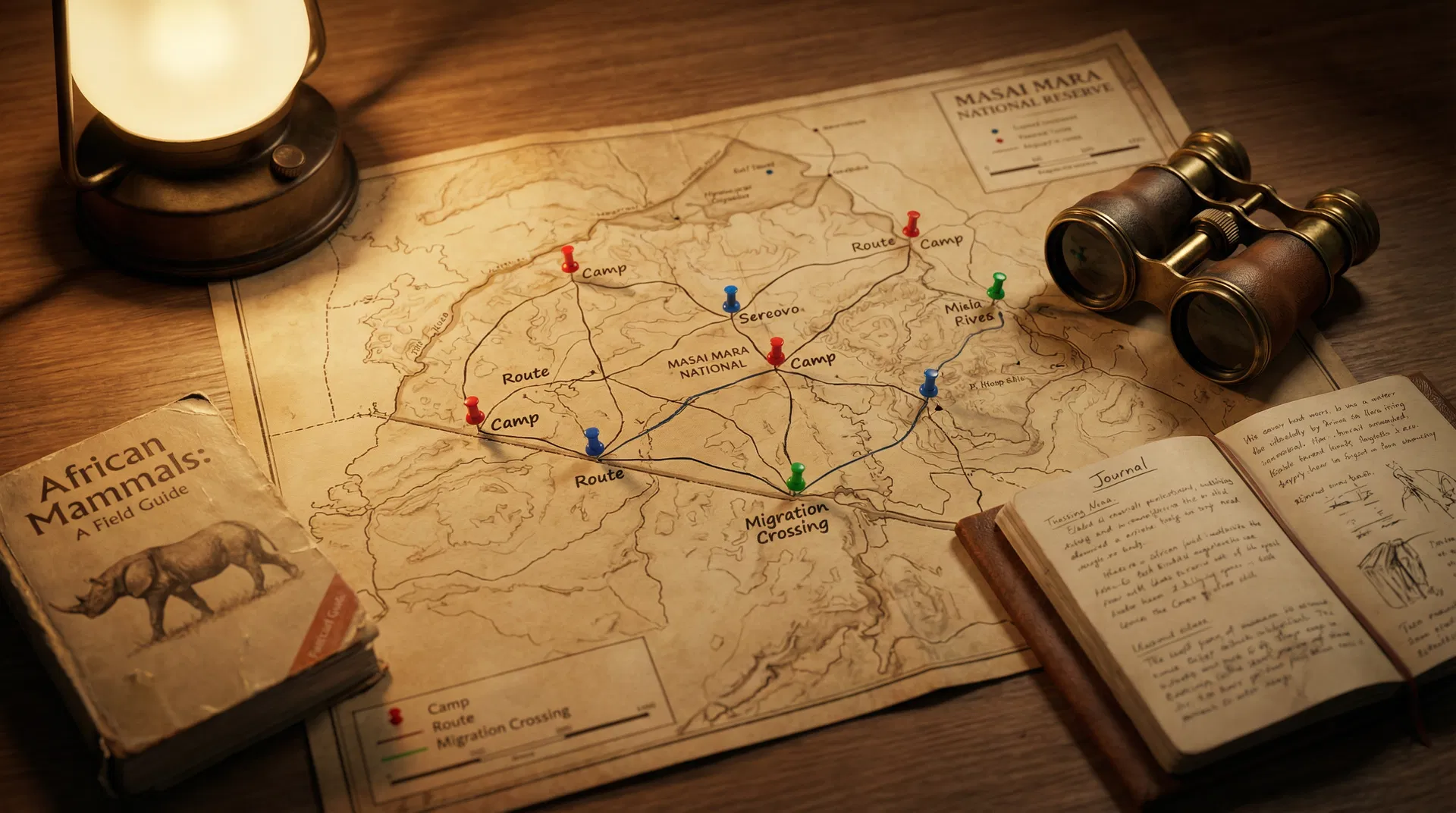 Safari Planning
Step-by-Step Guide to Planning an African Safari
Learn how to plan your first African safari with our step-by-step guide. We cover everything from choosing a destination to booking your trip and packing.
6 min read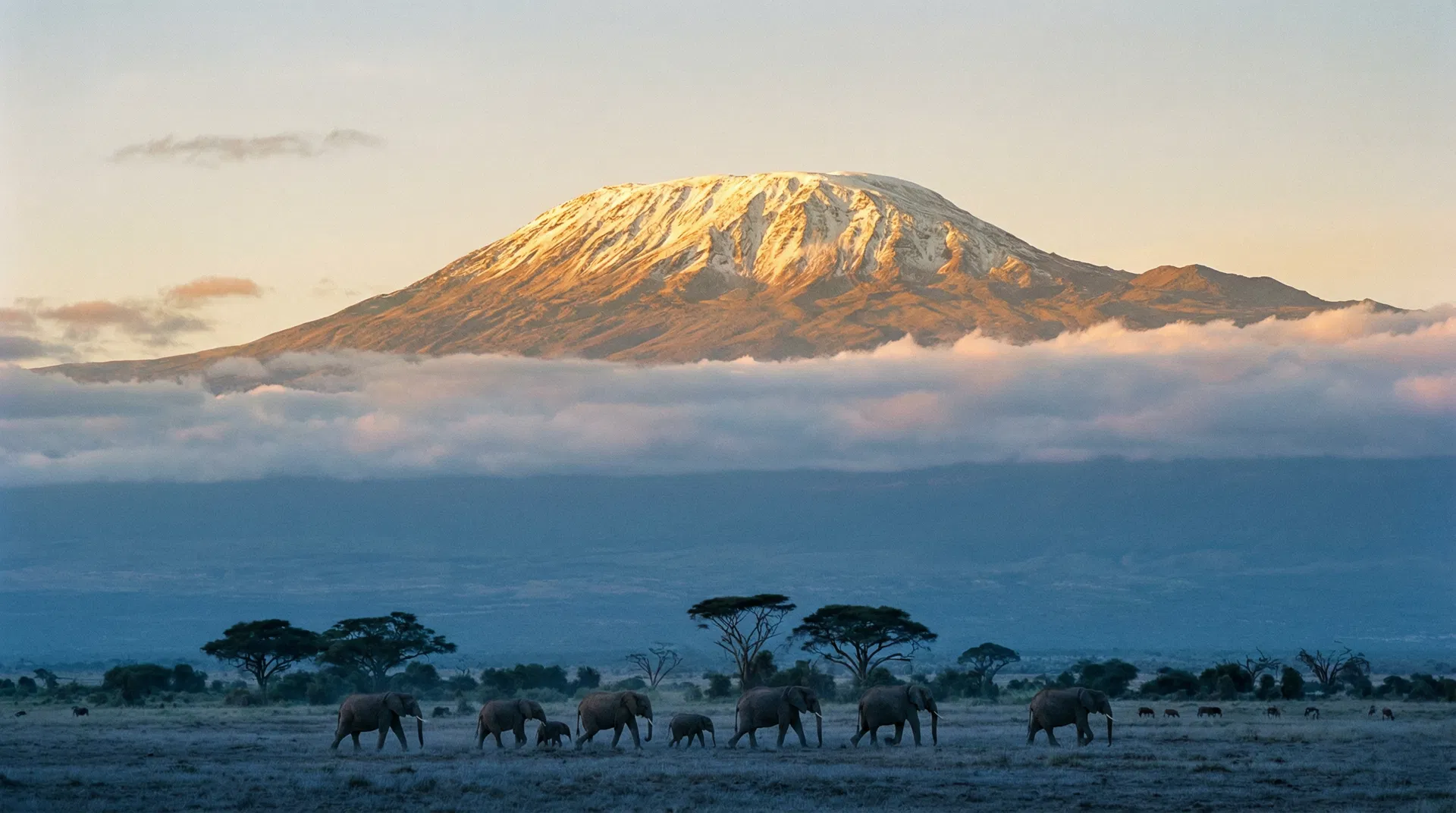 Country Guides
South Africa Safari Language and Communication Guide
A comprehensive guide to South Africa Safari Language and Communication Guide. Learn everything you need to know for your next safari adventure.
6 min read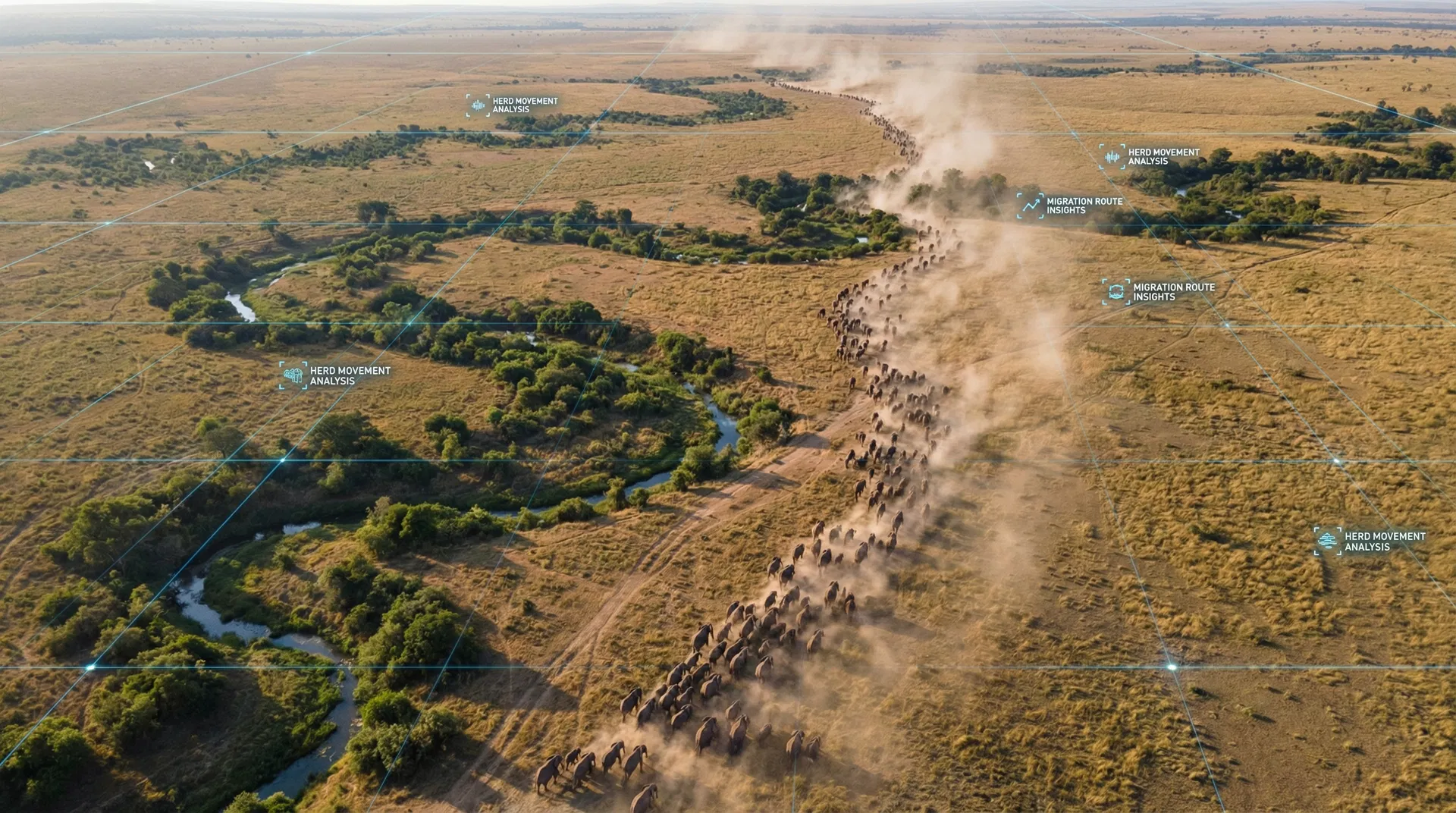 Safari Intelligence Insights
Safari Guest Experience Design
Discover the art of safari guest experience design. Learn how expert advisors craft seamless, personalized journeys by understanding travelers and balancing pace.
7 min read