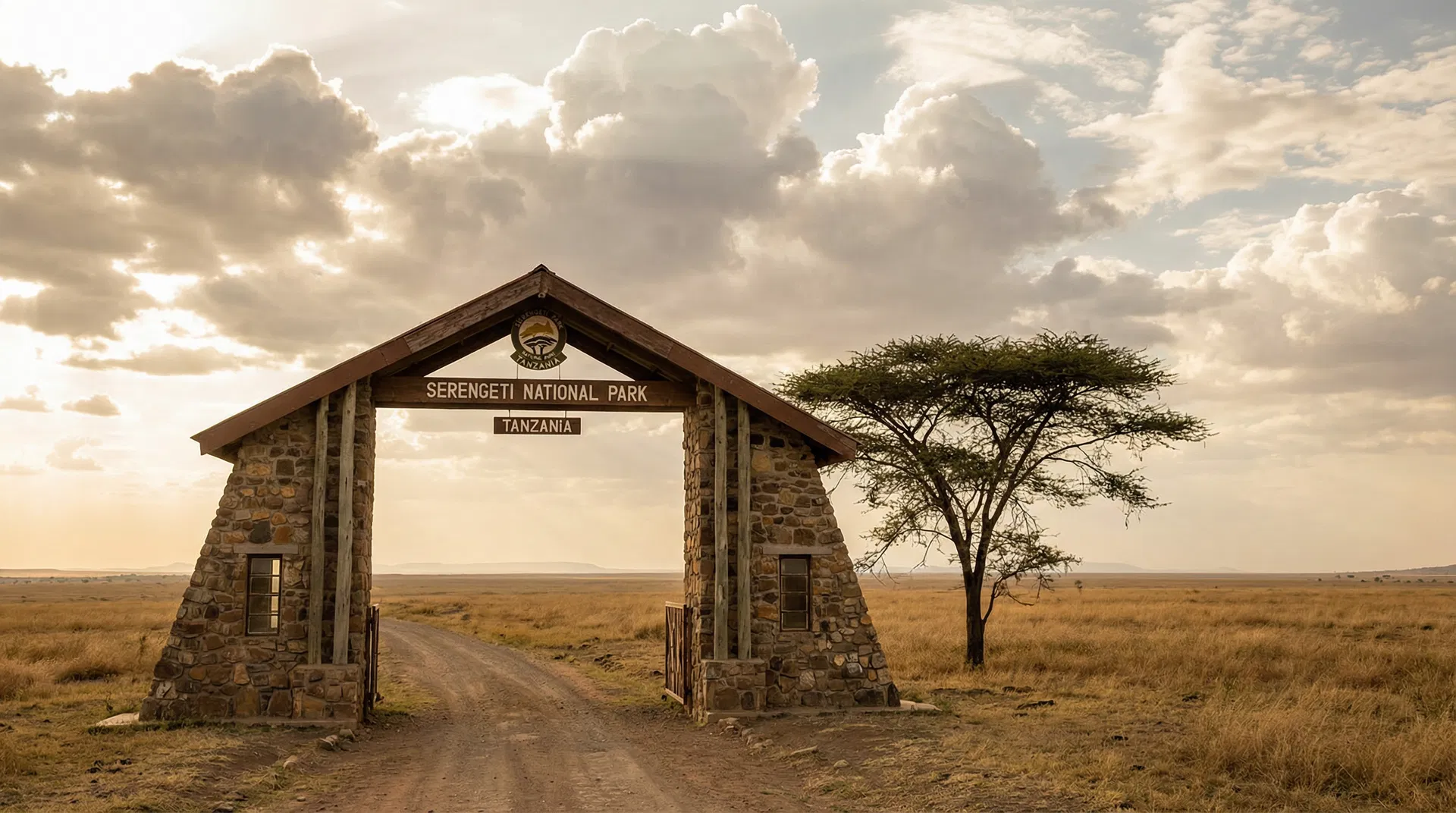
Plan the perfect Masai Mara safari with our expert guide. Discover the best time to visit, what to do, and how to choose the right safari for you.
'''The Masai Mara is a destination that captures the imagination of safari travelers worldwide. Located in southwestern Kenya, it is a land of vast, rolling plains, abundant wildlife, and the iconic Maasai people. A safari here is not just a trip; it is an immersion into a world where nature is still in charge. The Mara is the northern extension of Tanzania's Serengeti National Park, and together they form one of the most important and famous wildlife ecosystems on the planet. Whether you are a first-time safari-goer or a seasoned traveler, the Masai Mara offers an unparalleled wildlife experience that will leave you with a lifetime of memories. This guide will provide you with the essential information you need to plan your own unforgettable Masai Mara safari. From understanding the ecosystem to choosing the best time to visit and planning your activities, we will cover everything you need to know to make your dream safari a reality.## Understanding the Masai Mara EcosystemThe Masai Mara is not a single, uniform entity. It is a complex landscape made up of the Masai Mara National Reserve and a collection of surrounding private wildlife conservancies. Understanding the difference between the two is key to planning a successful safari.### The Masai Mara National ReserveThe National Reserve is the core of the ecosystem, a 1,510-square-kilometer protected area managed by the local government. It is open to the public and is where most visitors experience the Mara. The reserve is famous for its high density of predators, including lions, leopards, and cheetahs, as well as the annual Great Migration of wildebeest and zebra. However, its popularity means that it can get crowded, especially during the peak season.### The Private Wildlife ConservanciesSurrounding the National Reserve are a number of private conservancies, which are owned by the local Maasai communities and leased to safari operators. These conservancies offer a more exclusive and intimate safari experience, with a limited number of camps and vehicles allowed. In the conservancies, you can enjoy activities that are not permitted in the National Reserve, such as night game drives, guided bush walks, and off-road driving to get closer to the wildlife. While a safari in a conservancy is generally more expensive, the quality of the experience is often worth the extra cost.## When to Visit the Masai MaraThe Masai Mara is a year-round destination, but the best time to visit depends on your interests. The climate is generally mild, with warm days and cool nights. The year is divided into two main seasons: the dry season and the wet season.### The Dry Season (June to October)The dry season is the most popular time to visit the Masai Mara. The weather is pleasant, with sunny days and little rain. The vegetation is sparse, making it easier to spot wildlife. This is also the time of the Great Migration, when millions of wildebeest, zebra, and other herbivores cross the Mara River from the Serengeti in search of fresh grazing. The river crossings are a dramatic spectacle and a major draw for visitors.### The Wet Season (November to May)The wet season is characterized by afternoon showers and lush, green landscapes. While the rain can sometimes disrupt game drives, it also brings new life to the Mara. This is the "green season," when the plains are covered in a carpet of wildflowers and many animals give birth to their young. The wet season is a great time for birdwatching, as many migratory birds arrive in the Mara. It is also a good time to visit if you want to avoid the crowds and take advantage of lower prices.## Wildlife Viewing in the MaraThe Masai Mara is one of the best places in Africa for wildlife viewing. It is home to an incredible diversity of animals, including the "Big Five" (lion, leopard, elephant, buffalo, and rhino).### The Big FiveThe Mara is famous for its large lion population, and you are almost guaranteed to see them on a safari. Leopards are more elusive, but they are often spotted in the riverine forests. Elephants and buffalo are abundant throughout the reserve. Black rhinos are critically endangered, but a small population can be found in the Mara Triangle.### The Great MigrationThe Great Migration is one of the most spectacular wildlife events on the planet. Every year, from July to October, millions of wildebeest and zebra migrate from the Serengeti to the Masai Mara in search of fresh grass. The herds must cross the treacherous Mara River, where they face the threat of crocodiles and other predators. Witnessing a river crossing is a truly unforgettable experience.### Other WildlifeIn addition to the Big Five and the Great Migration, the Masai Mara is home to a wide variety of other animals. You can expect to see giraffes, hippos, cheetahs, hyenas, and a variety of antelope species. The Mara is also a paradise for birdwatchers, with over 500 species of birds recorded.## Planning Your Masai Mara SafariPlanning a Masai Mara safari can be a daunting task, but with a little research and preparation, you can create the perfect trip.### Safari ActivitiesThe main activity on a Masai Mara safari is the game drive. Game drives are typically conducted in open-sided 4x4 vehicles, which offer excellent visibility for wildlife viewing. Most camps offer morning and afternoon game drives, which last for about three to four hours. In the private conservancies, you can also go on night game drives, which offer a chance to see nocturnal animals.### AccommodationThe Masai Mara offers a wide range of accommodation options, from budget-friendly campsites to luxurious safari lodges. The choice of accommodation will depend on your budget and preferences. In the National Reserve, you will find a mix of large lodges and smaller tented camps. The private conservancies are home to a number of exclusive, high-end camps that offer a more intimate and personalized experience.### TransportationThe Masai Mara is located about 270 kilometers from Nairobi, the capital of Kenya. The easiest way to get to the Mara is by a short domestic flight from Wilson Airport in Nairobi. The flight takes about 45 minutes and lands at one of the many airstrips in the Mara. Alternatively, you can drive from Nairobi, which takes about five to six hours.## Beyond the Game Drive: Other Activities in the MaraWhile game drives are the main attraction, there are a number of other activities that you can enjoy on a Masai Mara safari.### Hot Air Balloon SafarisA hot air balloon safari is a truly magical experience. You will float silently over the plains as the sun rises, enjoying a bird's-eye view of the wildlife below. The flight is followed by a champagne breakfast in the bush.### Cultural VisitsThe Masai Mara is the ancestral home of the Maasai people, and a visit to a local village is a great way to learn about their culture and traditions. You will have the opportunity to meet the villagers, see their homes, and learn about their way of life.### Walking SafarisIn the private conservancies, you can go on a guided bush walk with a Maasai warrior. This is a great way to experience the Mara from a different perspective and to learn about the smaller creatures and plants that you might miss from a vehicle.## ConclusionA safari in the Masai Mara is an experience that will stay with you for a lifetime. It is a place of breathtaking beauty, incredible wildlife, and rich culture. Whether you are witnessing the drama of the Great Migration, tracking lions on a game drive, or learning about the Maasai way of life, the Mara will leave you with a deep appreciation for the natural world. By planning your trip carefully and choosing the right safari for you, you can ensure that your Masai Mara adventure is everything you have ever dreamed of and more.'''
The African Safari Planning Blueprint — Your Complete Guide
80+ Pages of Expert Knowledge in One Place
The comprehensive guide that replaces weeks of scattered research. 80+ pages of expert insights, decision frameworks, and insider knowledge.
Helpful Guides for Your Safari Planning
Optional planning guides built from real safari industry experience. Use them alongside our free knowledge center to plan your trip.
Need Expert Safari Guidance?
Our safari advisors can help you plan the perfect itinerary based on your interests, budget, and travel dates. Get personalized recommendations from experts who have lived and worked across Africa.
Explore Related Topics
Recommended Reading
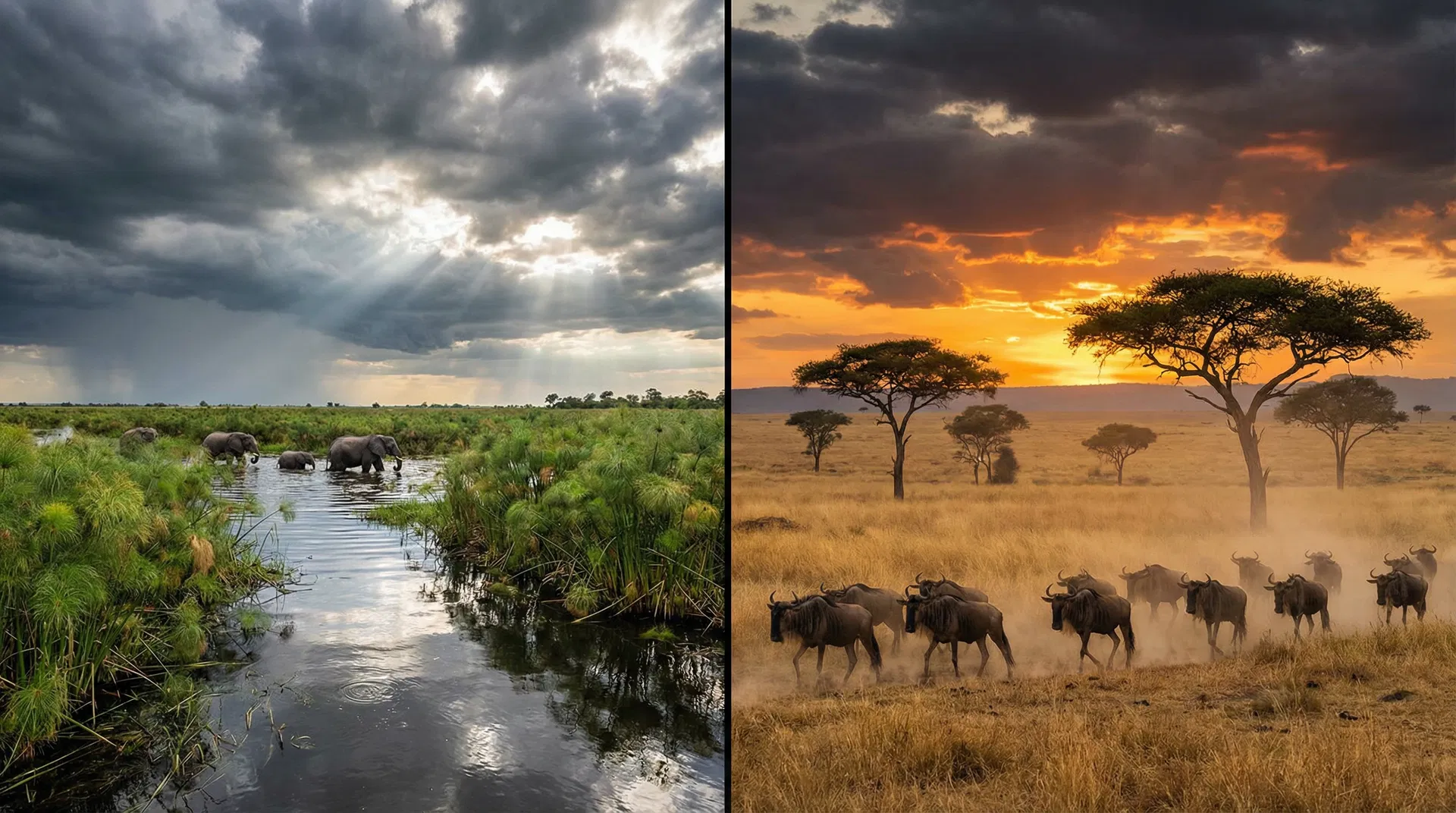 Safari Comparison Articles
Serengeti vs Masai Mara – Which Is Better for Safari
Learn about serengeti vs masai mara – which is better for safari in this comprehensive safari guide covering key insights and practical advice.
5 min read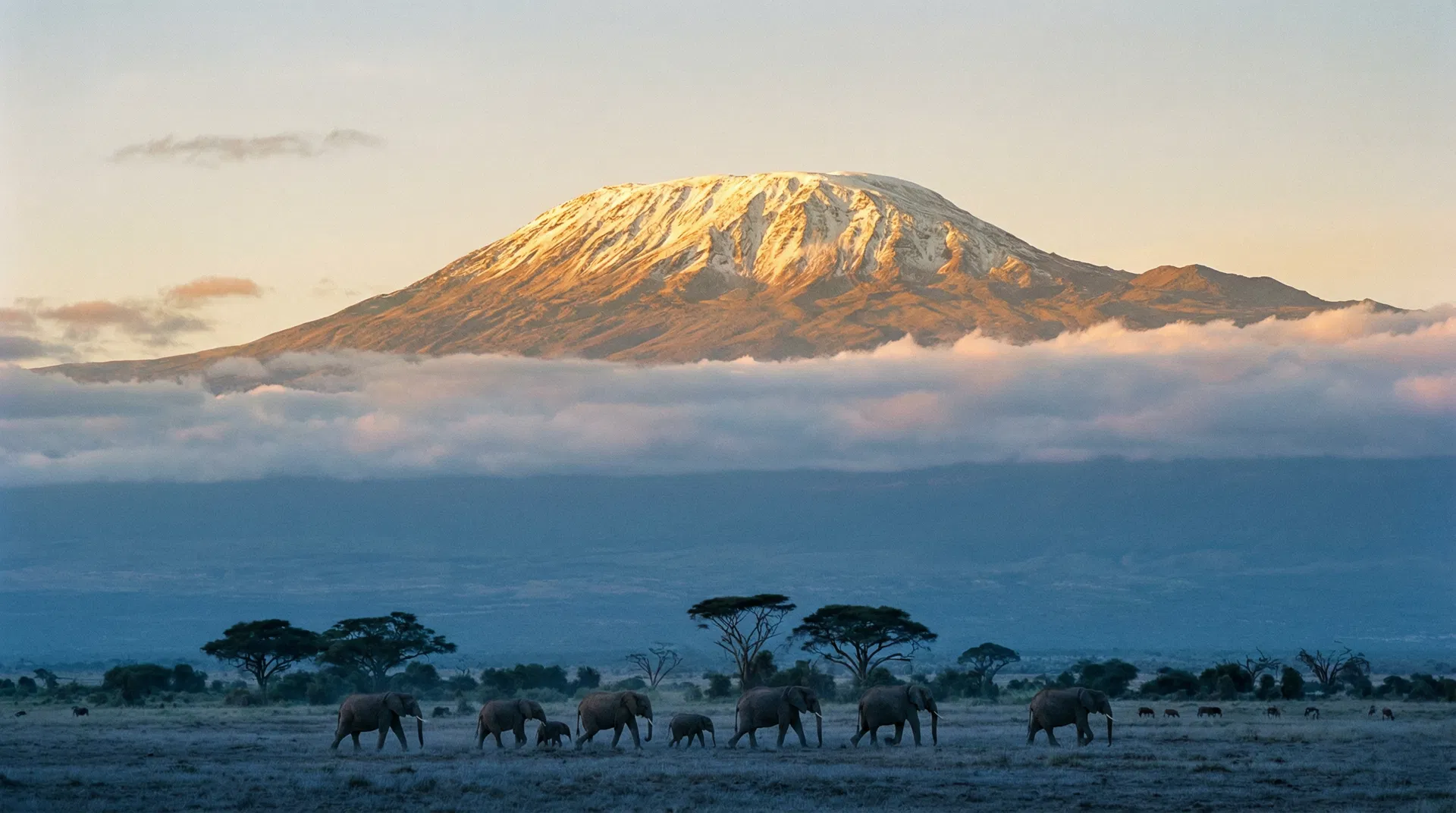 Country Guides
South Africa Safari Domestic Flights Guide
A comprehensive guide to South Africa Safari Domestic Flights Guide. Learn everything you need to know for your next safari adventure.
5 min readSafari Comparison ArticlesGuided Safari vs Self-Drive Safari in South Africa
An in-depth comparison of Guided Safari vs Self-Drive Safari in South Africa to help you choose the perfect safari experience. Explore the pros, cons, and key d
2 min read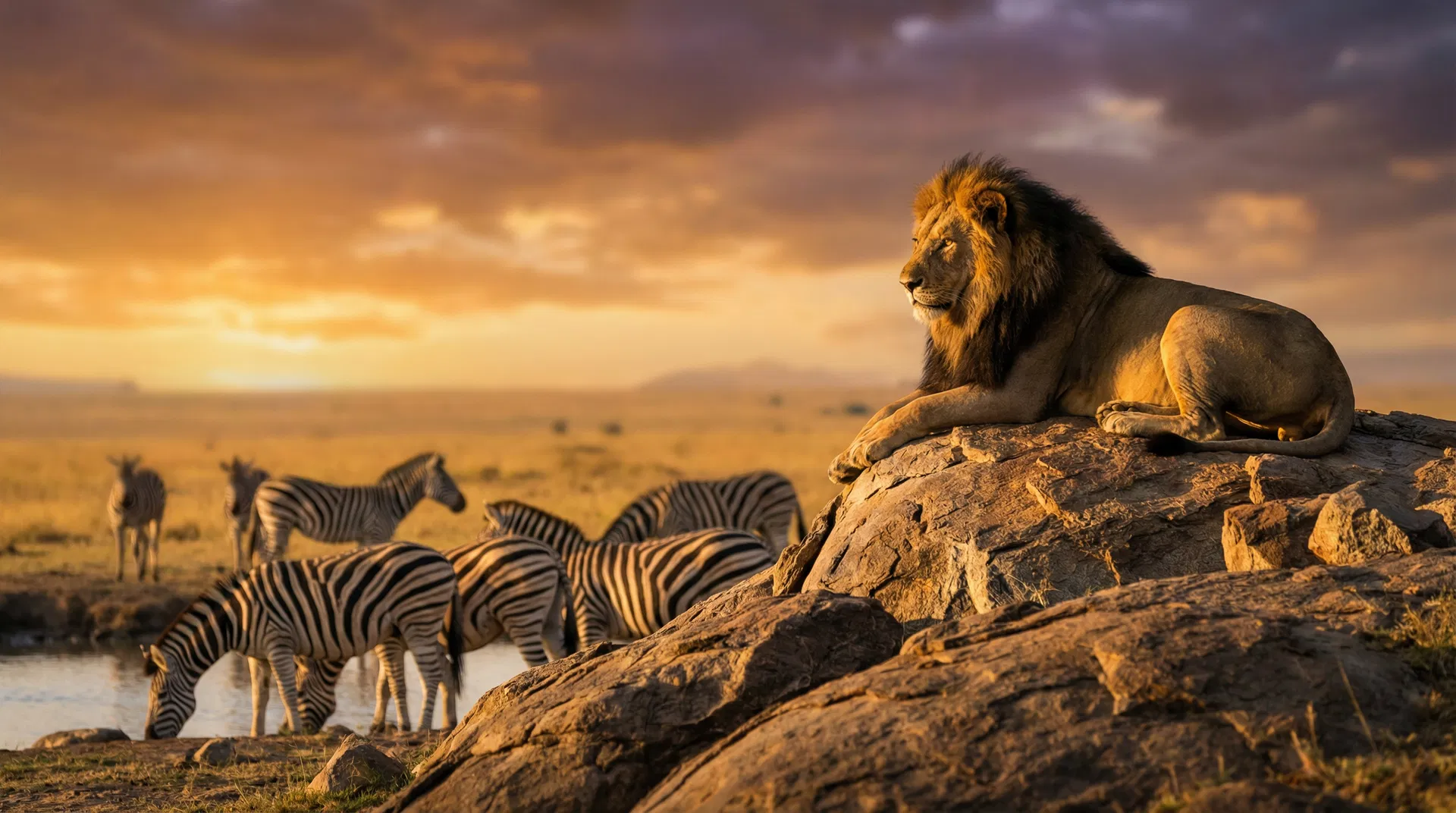 Wildlife Guides
Complete Guide to Safari Ant Species
A comprehensive guide to Complete Guide to Safari Ant Species. Learn about its habitat, behavior, diet, and conservation status.
8 min readWildlife GuidesComplete Guide to Butterfly Species on Safari
A comprehensive guide to Complete Guide to Butterfly Species on Safari. Learn about its habitat, behavior, diet, and conservation status.
8 min read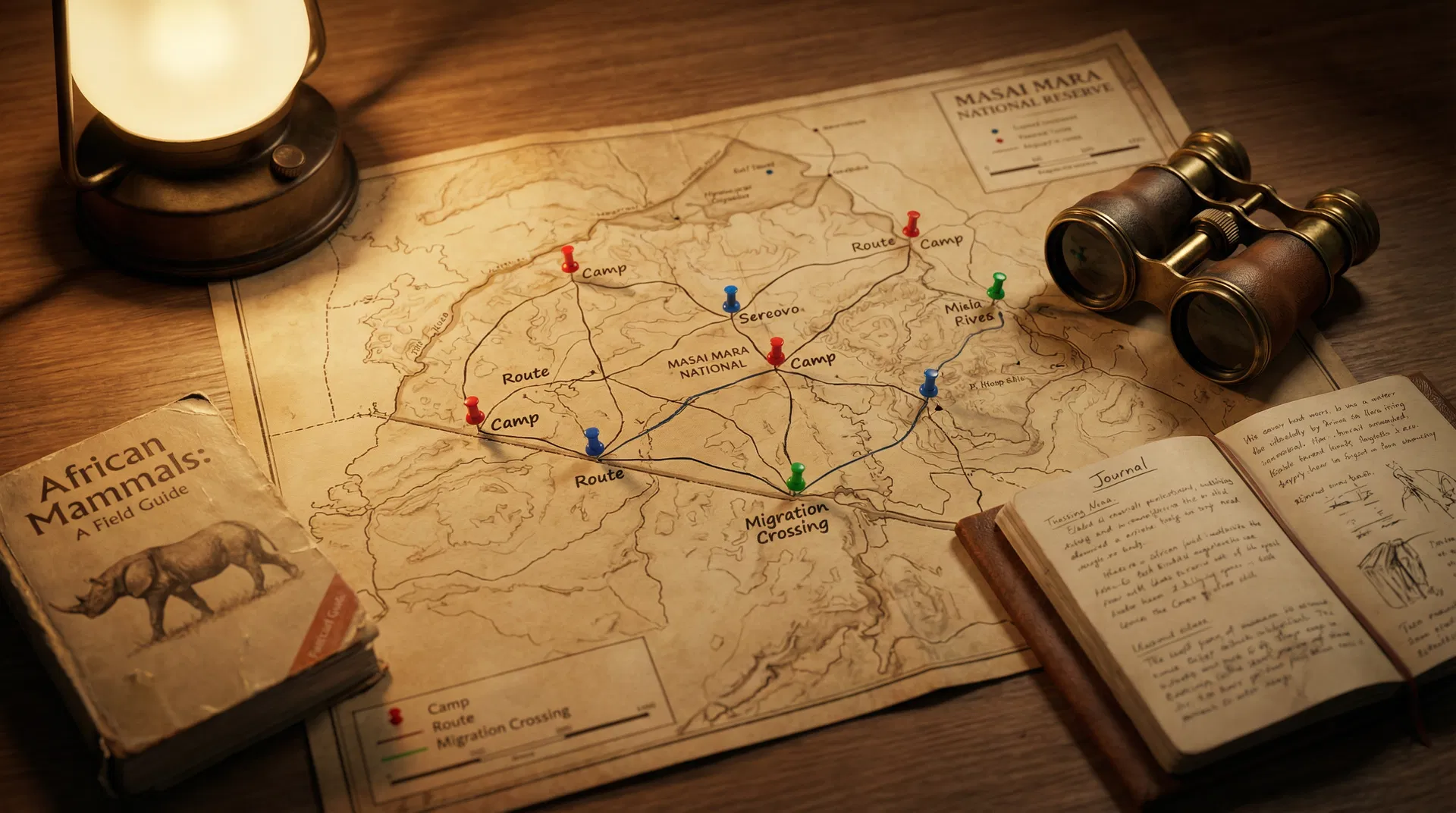 Safari Planning
Step-by-Step Guide to Planning an African Safari
Learn how to plan your first African safari with our step-by-step guide. We cover everything from choosing a destination to booking your trip and packing.
6 min read