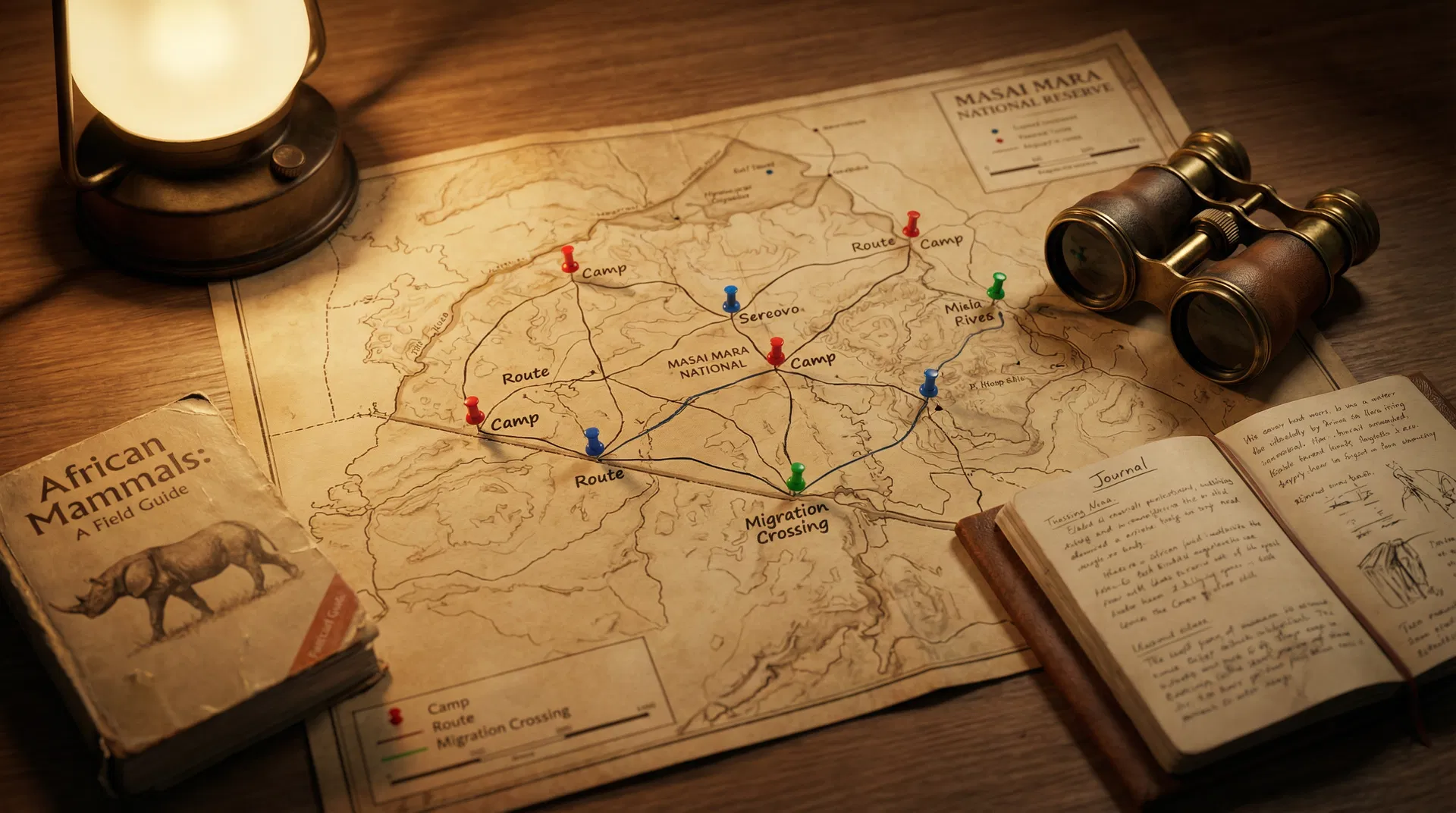
Learn how to choose a reputable African safari operator with our expert guide. We cover vetting companies, questions to ask, and understanding safari costs.
Choosing the right safari operator is the most critical decision you will make when planning your African safari. Your operator determines the quality of your guide, the reliability of your vehicle, your safety in the bush, and the overall smoothness of your journey. A great operator can turn a good trip into a life-changing experience, while a poor one can lead to disappointment and frustration. With hundreds of companies to choose from, how do you find a reputable and professional safari operator that you can trust? This guide will walk you through the essential steps to vet and select the perfect partner for your African adventure.
Local Expertise vs. International Agencies
When you start your search, you will encounter two main types of safari companies: local operators based in Africa and international agencies based in your home country. Understanding the difference is key to choosing the right fit for your needs.
The Benefits of Local Operators
Local safari operators are on the ground in Africa, living and breathing the safari business every day. They have intimate knowledge of the national parks, wildlife movements, and local cultures. Because they own their vehicles and employ their own guides, they have direct control over the quality of your safari. By booking with a local company, you are also supporting the local economy and ensuring that your money directly benefits the communities you visit. These operators can often offer more flexibility and better value for your money.
Understanding International Agencies
International safari agencies are typically based in North America, Europe, or other parts of the world. While they can offer the convenience of booking in your own currency and time zone, it is important to understand their role. Many of these companies are travel agencies that subcontract your safari to a local operator in Africa. This means they are middlemen, and you may not know who is actually running your safari until you arrive. While some international agencies have deep partnerships with specific local operators, others may simply choose the cheapest option. If you are considering an international agency, be sure to ask who their ground operator is and research that company as well.
Key Qualities of a Reputable Safari Operator
Regardless of whether you choose a local or international company, there are several key qualities that every reputable safari operator should possess. These are the non-negotiables that will make or break your safari experience.
Professional Guides
Your safari guide is the single most important person on your trip. They are your wildlife interpreter, your driver, your storyteller, and your connection to the African bush. A great guide has an encyclopedic knowledge of flora and fauna, a passion for conservation, and a sixth sense for finding wildlife. Look for operators that invest in their guides through continuous training and certification. In Kenya, for example, guides are rated by the Kenya Professional Safari Guides Association (KPSGA), with Bronze, Silver, and Gold levels. An operator that employs Silver or Gold-rated guides is a sign of quality.
Quality of Safari Vehicles
You will spend a significant amount of your safari in a vehicle, so its quality and comfort are paramount. A reliable safari vehicle is a well-maintained 4x4 Toyota Land Cruiser or similar, customized for wildlife viewing. Key features to look for include a pop-up roof for 360-degree views, comfortable seats, charging ports for your camera and phone, and a refrigerator to keep your drinks cold. The last thing you want is to be stranded in the middle of the Serengeti with a broken-down vehicle.
Safety and Emergency Protocols
Your safety should be a top priority for any safari operator. Inquire about their safety record, emergency procedures, and whether their guides are trained in first aid. Reputable operators will have established protocols for dealing with any situation, from a flat tire to a medical emergency. A good indicator of a company's commitment to safety is their subscription to a service like the AMREF Flying Doctors, which provides air ambulance services in remote areas.
How to Vet a Safari Operator
Once you have a shortlist of potential safari operators, it is time to do your due diligence. This is where you separate the wheat from the chaff and find a company that you can trust with your dream trip.
Online Reviews and Testimonials
In today's digital age, it is easier than ever to research a company's reputation. Websites like SafariBookings, TripAdvisor, and Trustpilot are invaluable resources for reading reviews from past clients. Look for operators with a high number of recent, detailed, and consistently positive reviews. Pay attention to how the company responds to both positive and negative feedback, as this can be a good indicator of their customer service.
Check for Licenses and Registrations
Legitimate safari operators will be registered and licensed with the local tourism authorities. In Tanzania, for example, operators should be registered with the Tanzania Tourist Board (TTB) and be a member of the Tanzania Association of Tour Operators (TATO). In Kenya, look for membership in the Kenya Association of Tour Operators (KATO). These organizations have codes of conduct and can provide a level of recourse if something goes wrong.
Communication and Responsiveness
The way a company communicates with you from the very first email is a strong indicator of their professionalism. A reputable operator will be prompt, polite, and knowledgeable in their responses. They should be able to answer your questions in detail and be willing to customize an itinerary to your interests and budget. If a company is slow to respond, evasive with their answers, or pressures you into making a quick decision, it is a red flag.
Questions to Ask a Potential Safari Operator
To help you in your vetting process, here are some essential questions to ask any potential safari operator before you book.
Itinerary and Inclusions
- What is included and excluded in the safari price?
- Are park fees, conservation fees, and taxes included?
- Are all meals and drinks included?
- What activities are included in the itinerary?
Group Size and Vehicle Type
- What is the maximum number of people in a vehicle?
- Will you have a private vehicle or be sharing with other travelers?
- Can you guarantee a window seat for every passenger?
Guide Experience
- How many years of experience do your guides have?
- Are your guides certified by any professional organizations?
- Can you provide a profile of the guide who will be leading our safari?
Understanding Safari Costs and Value
Safari prices can vary dramatically, from a few hundred dollars a day to several thousand. Understanding what drives these costs will help you evaluate the value of a safari and choose an operator that fits your budget.
What Drives Safari Pricing?
The main factors that influence the cost of a safari are the level of accommodation, the time of year you travel, the duration of your trip, and the destinations you visit. Luxury lodges and tented camps will be significantly more expensive than budget-friendly options. Traveling during the peak season, such as the Great Migration in the Serengeti, will also command a higher price. Private safaris will cost more than group tours, and flying between parks is more expensive than driving.
Budget vs. Luxury Operators
It is important to understand that in the safari industry, you generally get what you pay for. Budget operators may cut corners on guide quality, vehicle maintenance, and accommodation. While a low price may be tempting, it can lead to a subpar experience. Mid-range operators offer a good balance of quality and value, with comfortable lodging and experienced guides. Luxury operators provide the highest level of service, with exclusive accommodations, top-rated guides, and all the bells and whistles. When comparing safari quotes, look beyond the price and consider the overall value and quality of the experience.
Ethical and Sustainable Safari Operators
As a responsible traveler, it is important to choose a safari operator that is committed to ethical and sustainable tourism. This means supporting companies that protect wildlife, empower local communities, and minimize their environmental impact.
Supporting Conservation
Look for operators that have a strong conservation ethic and actively support wildlife protection efforts. This may include partnerships with conservation organizations, funding for anti-poaching initiatives, or using a portion of their profits to support local conservation projects. A company that is truly committed to conservation will be proud to share their efforts with you.
Community-Owned and Eco-Lodges
Choose an operator that uses lodges and camps that are environmentally friendly and benefit local communities. This may include properties that are owned by the local Maasai community, employ local staff, or source their food from local farmers. By supporting these types of accommodations, you are ensuring that your tourism dollars have a positive impact on the people and places you visit.
Conclusion
Choosing the right safari operator is the foundation of a successful and memorable African safari. By doing your research, asking the right questions, and looking for the key qualities of a reputable company, you can find a partner that you can trust to deliver the trip of a lifetime. Remember that a great safari is an investment, and choosing a quality operator is the best way to ensure a return on that investment. With the right operator by your side, you can relax and immerse yourself in the magic of the African bush, knowing that you are in good hands.
The African Safari Planning Blueprint — Your Complete Guide
80+ Pages of Expert Knowledge in One Place
The comprehensive guide that replaces weeks of scattered research. 80+ pages of expert insights, decision frameworks, and insider knowledge.
Helpful Guides for Your Safari Planning
Optional planning guides built from real safari industry experience. Use them alongside our free knowledge center to plan your trip.
Need Expert Safari Guidance?
Our safari advisors can help you plan the perfect itinerary based on your interests, budget, and travel dates. Get personalized recommendations from experts who have lived and worked across Africa.
Explore Related Topics
Recommended Reading
 Safari Advisor Content
How a Safari Advisor Helps You Choose the Right Operator
Discover the essentials of how a safari advisor helps you choose the right operator for an unforgettable African safari adventure.
8 min read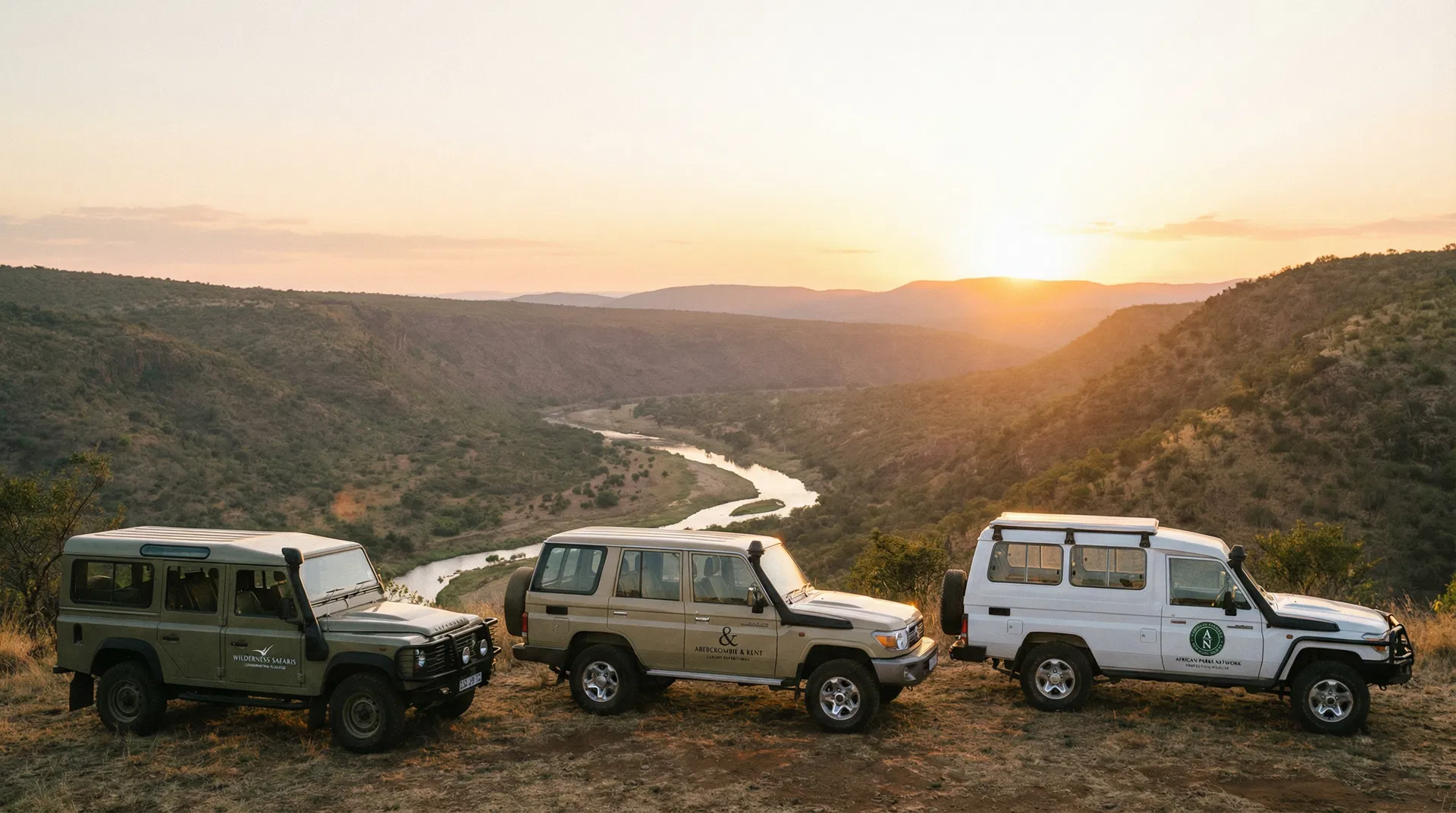 Safari Operator Articles
How to Choose a Safari Operator in Tanzania
Learn how to select the best safari operator in Tanzania for your dream trip to the Serengeti, Ngorongoro Crater, and other iconic parks.
9 min readSafari Operator ArticlesHow to Choose a Safari Operator in Kenya
Discover how to choose the right safari operator in Kenya for an unforgettable experience in the Maasai Mara, Amboseli, and other famous reserves.
10 min readSafari Operator ArticlesHow to Choose a Safari Operator in South Africa
A guide to selecting the best safari operator in South Africa for a memorable trip to Kruger National Park, Sabi Sands, and other world-class reserves.
10 min read Safari Planning Guides
How to Choose Between a Lodge Safari and Camping Safari
Discover how to plan your dream safari with our expert guide on How to Choose Between a Lodge Safari and Camping Safari. Get tips on destinations, costs, and more.
8 min readSafari Planning GuidesHow to Choose Between Flying and Driving on Safari
Discover how to plan your dream safari with our expert guide on How to Choose Between Flying and Driving on Safari. Get tips on destinations, costs, and more.
8 min read