Prepare for your first African safari with our expert guide. Learn what to expect from game drives, accommodations, wildlife viewing, and daily safari life.
An African safari is a journey of a lifetime, a chance to witness the raw beauty of nature and encounter wildlife in its natural habitat. But for a first-time traveler, the prospect of a safari can be as daunting as it is exciting. What exactly happens on a typical day? Where will you sleep? What will you eat? This guide is designed to answer those questions and give you a clear picture of what to expect on your first safari, helping you prepare for an unforgettable adventure.
The Rhythm of a Safari Day
A safari has a distinct daily rhythm, dictated by the movement of the animals. Wildlife is most active during the cooler hours of the early morning and late afternoon, and your days will be structured around maximizing these viewing opportunities.
Early Morning Game Drives
Your day will start early, often before sunrise. You'll be woken with a gentle call and a hot cup of coffee or tea. After a light snack, you'll head out in a specialized 4x4 safari vehicle with your guide for your morning game drive. This is a magical time to be in the African bush. The air is cool and fresh, the light is soft and golden, and the animals are on the move. You might see a pride of lions on the prowl, a herd of elephants making their way to a waterhole, or a graceful giraffe silhouetted against the rising sun. Morning game drives typically last for three to four hours.
Midday at the Lodge
By mid-morning, as the African sun climbs higher and the temperature rises, the animals seek shade and become less active. This is your cue to return to the lodge for a hearty brunch or lunch. The middle of the day is your time to relax and recharge. You can take a nap in your room, cool off with a dip in the pool, read a book on your veranda, or simply sit and watch the wildlife that may wander through the camp. Many lodges are situated near waterholes, offering fantastic armchair safari viewing.
Afternoon and Evening Activities
After a few hours of downtime, you'll gather for afternoon tea and snacks before heading out for your second game drive of the day. The late afternoon light is once again ideal for photography, and as the day cools, the animals become more active again. This is a great time to spot nocturnal animals beginning to stir. As the sun sets, your guide will find a scenic spot for a classic safari tradition: the "sundowner." You'll enjoy drinks and snacks while watching the spectacular African sunset. After dark, you'll return to the lodge for a delicious dinner, often served under the stars.
Your Safari Accommodation
Safari accommodation is an integral part of the experience, and there is a wide range of options to suit different tastes and budgets. The two most common types of accommodation are tented camps and safari lodges.
Tented Camps vs. Lodges
Don't let the word "tent" fool you. Safari tents are a far cry from your typical camping gear. These are spacious, permanent structures with solid floors, comfortable beds, and en-suite bathrooms with flushing toilets and hot showers. Tented camps offer an immersive experience, allowing you to feel closer to nature. Safari lodges, on the other hand, are more like traditional hotels, with solid walls, thatched roofs, and often more extensive facilities like larger pools and spas. The choice between a tented camp and a lodge often comes down to personal preference.
What to Expect from Your Room
Whether you choose a tented camp or a lodge, you can expect a comfortable and well-appointed room. Most rooms will have twin or double beds with high-quality linens, a sitting area, and a private veranda with views of the surrounding landscape. Electricity is usually available, although it may be turned off during certain hours of the day to conserve power. You'll also find amenities like insect repellent, bottled water, and often a flashlight or headlamp for getting around at night.
Camp/Lodge Facilities and Atmosphere
The main areas of a safari camp or lodge are designed to be social and relaxing spaces. There is typically a central dining area, a lounge with comfortable sofas and a library of books, and a bar. Many lodges have a swimming pool, and some may offer spa treatments. The atmosphere is generally relaxed and informal. You'll have the opportunity to socialize with other guests and share stories of your wildlife sightings, but there is also plenty of space for quiet reflection.
The Wildlife Experience
The heart of any safari is the wildlife. The thrill of seeing iconic African animals in their natural environment is an experience that will stay with you forever.
The "Big Five" and Beyond
The term "Big Five" was originally coined by hunters to refer to the five most difficult and dangerous animals to hunt on foot: the lion, leopard, elephant, rhino, and Cape buffalo. Today, it's a term used by safari-goers to refer to these five iconic species. While seeing the Big Five is a highlight for many, there is so much more to see on safari. From the elegant giraffe and the speedy cheetah to the comical warthog and the countless species of birds, the diversity of African wildlife is astounding.
The Role of Your Guide
A knowledgeable and experienced guide is the key to a successful safari. Your guide is not just a driver; they are an expert tracker, a naturalist, and a storyteller. They will be able to identify the animals and birds you see, interpret their behavior, and share fascinating insights into the local ecosystem. A good guide will transform your safari from a simple sightseeing trip into a rich and educational experience. Don't be afraid to ask questions and tap into their wealth of knowledge.
Patience and Observation are Key
Wildlife viewing is not like a trip to the zoo. The animals are wild and free-roaming, and sightings are never guaranteed. Patience is essential. There will be times when you drive for a while without seeing much, and then suddenly, you'll round a corner and find yourself in the middle of a herd of elephants. The more time you spend in the bush, the more you will see. It's also important to take the time to observe the smaller details – the tracks in the sand, the alarm calls of the birds, the way a giraffe moves. These are all part of the rich tapestry of the African wilderness.
Food, Drinks, and Socializing
Safari lodges and camps are known for their excellent cuisine and warm hospitality. Mealtimes are a social affair, a time to relax and share the day's adventures.
What is the Food Like?
You can expect delicious and freshly prepared meals throughout your safari. Breakfast is often a continental buffet with the option of a cooked breakfast to order. Lunch is usually a light and healthy affair, with salads, sandwiches, and fresh fruit. Dinner is a three-course meal, often served in a beautiful setting, such as by the campfire or on a candlelit veranda. The food is typically a mix of international and local dishes, with an emphasis on fresh, local ingredients. Dietary requirements can almost always be catered for with advance notice.
Sundowners and Evening Drinks
The sundowner is a cherished safari ritual. As the sun begins to dip below the horizon, your guide will find a scenic spot to stop for drinks and snacks. It's a magical time to reflect on the day's sightings and soak in the beauty of the African sunset. In the evening, before and after dinner, you can enjoy drinks at the bar. Most lodges offer a good selection of local and imported beers, wines, and spirits.
Socializing with Other Guests
A safari is a wonderful opportunity to meet like-minded people from all over the world. Mealtimes are often communal, and you'll have plenty of opportunities to chat with other guests and share your experiences. However, if you prefer a more private experience, many lodges can arrange private dining. The choice is yours.
Practicalities and Logistics
A little bit of planning and preparation will help ensure that your first safari is a smooth and enjoyable experience.
Getting Around: Safari Vehicles and Bush Flights
The primary mode of transport on safari is a specially designed 4x4 vehicle. These vehicles are either open-sided or have a pop-up roof to allow for optimal wildlife viewing and photography. For longer distances between parks, you may take a small bush plane. These flights are an adventure in themselves, offering incredible aerial views of the vast African landscapes.
Connectivity and "Digital Detox"
While most safari lodges and camps have Wi-Fi, it is often slow and may only be available in the main areas. Cell phone reception is also likely to be patchy or non-existent. A safari is a great opportunity to disconnect from the digital world and immerse yourself in nature. Embrace the "digital detox" and enjoy being present in the moment.
Safety and Health on Safari
Your safety is the number one priority on safari. Always listen to your guide's instructions and follow the rules of the camp. Never get out of the vehicle without your guide's permission, and don't wander around the camp at night without an escort. Before you travel, you should consult your doctor about recommended vaccinations and antimalarial medication. It's also a good idea to pack a small first-aid kit with any personal medication you may need.
Conclusion
A safari is more than just a vacation; it's an experience that will touch your soul and leave you with memories that will last a lifetime. By understanding what to expect, you can relax and fully embrace the adventure that awaits you. From the thrill of the game drives to the tranquility of the bush, your first safari is sure to be an unforgettable journey into the heart of Africa.
Explore Related Topics
Recommended Reading
 Safari Planning
How to Plan Your First African Safari
Learn how to plan your first African safari with expert tips on destinations, timing, costs, and choosing the right operator.
8 min readSafari PlanningBest Countries for First-Time Safari Travelers
Discover the best countries for a first-time safari. Our expert guide compares Tanzania, Kenya, South Africa, and more to help you plan your dream African adventure.
7 min read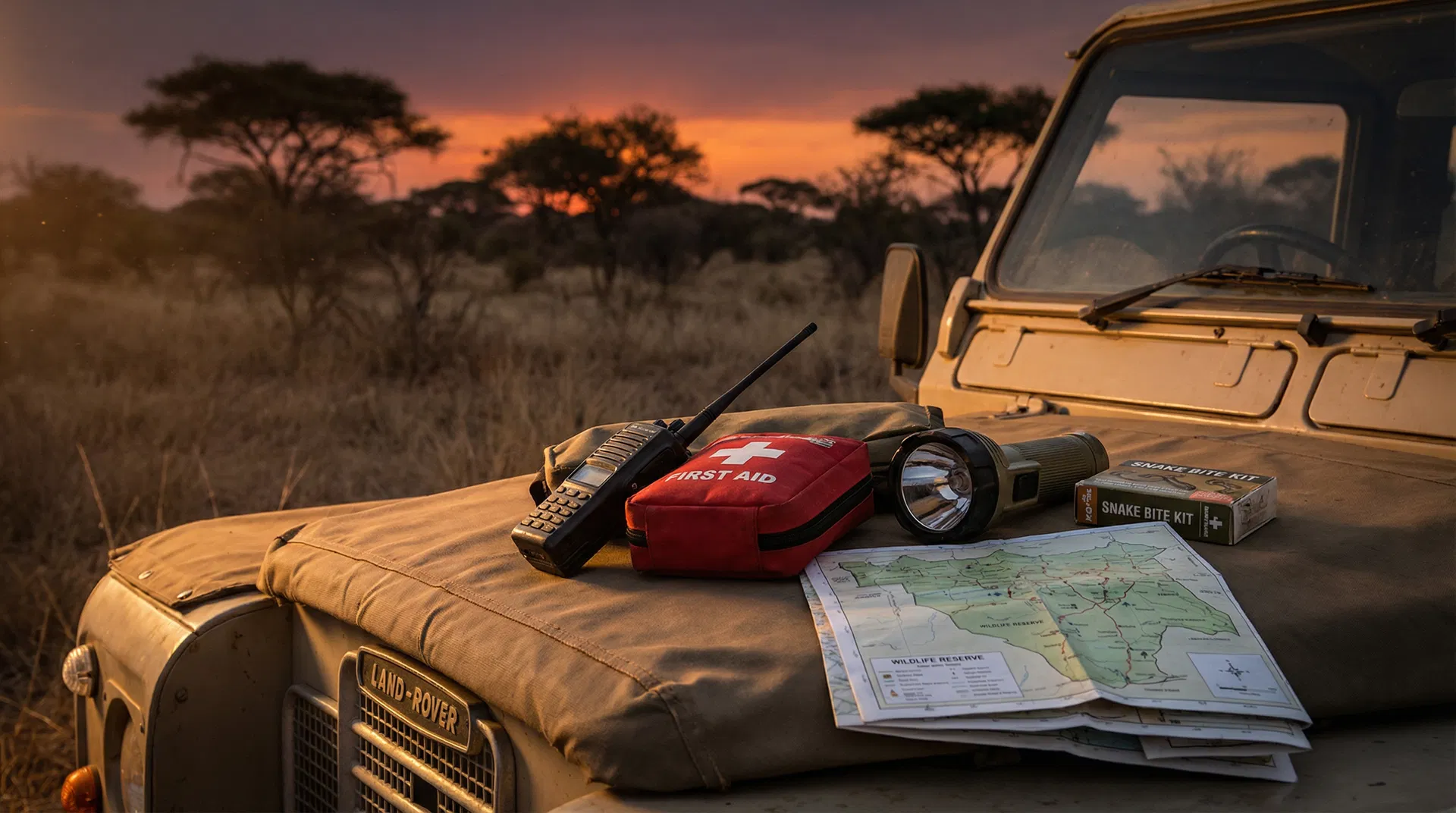 Safari Safety
Safari Safety Tips for First-Time Visitors
Planning your first African safari? Our expert guide provides essential safari safety tips for a worry-free adventure, from wildlife encounters to health advice.
8 min read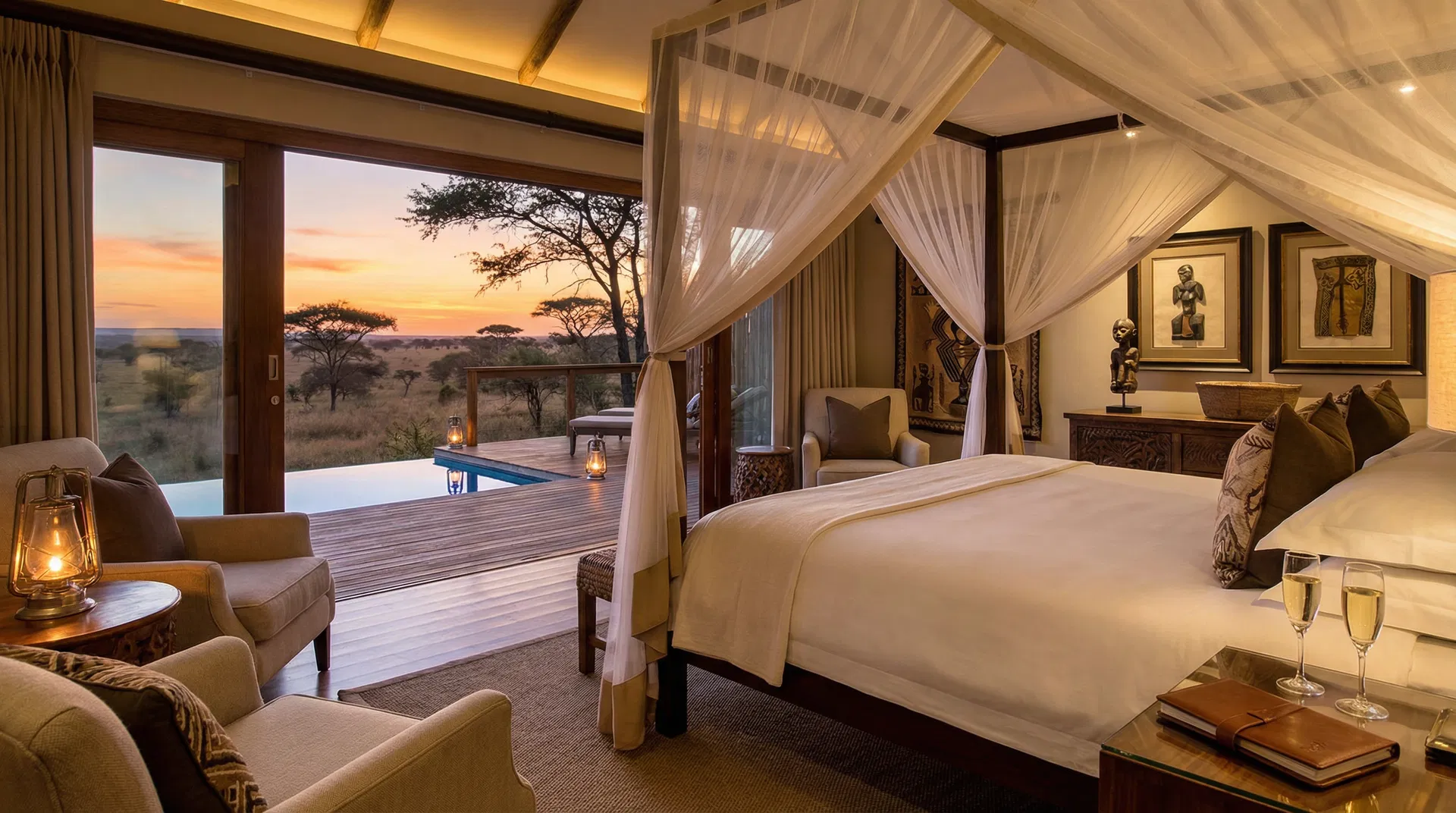 Luxury Safari Content
Luxury Safari Lodge Amenities to Expect
A comprehensive guide to Luxury Safari Lodge Amenities to Expect. Learn everything you need to know for your safari adventure.
3 min read Safari Planning Guides
How to Plan a Safari for the First Time Without an Agent
Discover how to plan your dream safari with our expert guide on How to Plan a Safari for the First Time Without an Agent. Get tips on destinations, costs, and more.
8 min readSafari Planning GuidesSafari Planning Checklist for First-Time Travelers
Discover how to plan your dream safari with our expert guide on Safari Planning Checklist for First-Time Travelers. Get tips on destinations, costs, and more.
8 min read