Learn the ideal safari planning timeline for booking your African adventure. Our guide covers when to book for the best lodges, prices, and experiences.
Planning an African safari is an exciting journey, but it's also a significant investment of time and money. One of the most common questions we receive is, "When should I book my safari?" The answer depends on several factors, including your destination, the time of year you want to travel, and the specific experiences you're hoping to have. Booking too late can lead to disappointment, while booking too early might not be necessary. This guide will walk you through the ideal safari planning timeline to help you secure the perfect trip without the stress.
The Sweet Spot: 9 to 12 Months in Advance
For the best selection of lodges, guides, and experiences, we recommend booking your African safari 9 to 12 months before your intended travel dates. This is the sweet spot for safari planning. It gives you enough time to research your options, craft the perfect itinerary with your safari advisor, and secure your preferred accommodations before they get booked up. This is especially true if you plan to travel during the peak season, which typically falls between June and October in most East and Southern African destinations.
Booking this far in advance is crucial for several reasons. First, the most popular and highly-rated safari lodges, especially smaller, more intimate camps, have limited availability and fill up quickly. Second, if your itinerary includes activities like gorilla trekking in Uganda or Rwanda, you need to secure permits well in advance. These permits are limited in number and can sell out more than a year ahead of time. Finally, booking early often gives you access to better flight prices and availability for international and domestic air travel.
Key Advantages of Booking 9-12 Months Out:
- Best choice of lodges and camps: You'll have your pick of the best accommodations in the most sought-after locations.
- Guaranteed permit availability: Secure your gorilla or chimpanzee trekking permits without worry.
- More itinerary flexibility: Craft your ideal journey without compromising on dates or locations.
- Ample time for research: Thoroughly plan your trip and make informed decisions.
Planning 6 to 9 Months Ahead: Still a Great Option
If you've missed the 9-to-12-month window, don't worry. Booking your safari 6 to 9 months in advance is still a very viable option. You will likely find good availability for lodges and flights, although you may need to be slightly more flexible with your dates or accommodation choices. The most exclusive or popular lodges might already be full, but a knowledgeable safari advisor can help you find excellent alternatives.
At this stage, it's important to be decisive. Once you have an itinerary you're happy with, it's best to book it promptly to avoid losing availability. This timeframe is still suitable for most safari destinations, including the Serengeti in Tanzania, the Maasai Mara in Kenya, and Kruger National Park in South Africa. However, for highly specialized trips or those requiring gorilla permits, you might face some challenges.
Planning a safari?
Start the Safari Planning System →Last-Minute Safari Planning: 3 to 6 Months Before Travel
Booking a safari less than six months in advance is considered last-minute planning. While it is certainly possible, it requires a high degree of flexibility. Your choice of lodges will be limited, and you may need to adjust your travel dates to fit availability. Itineraries will need to be built around what is still available rather than being designed from scratch to your exact preferences.
Last-minute planning is often more successful during the shoulder or low seasons when there is less demand. If you have your heart set on a peak-season safari, booking this late will be challenging and may require significant compromises. Gorilla trekking permits will almost certainly be sold out, so if that is a must-do activity, you will need to plan much further ahead. However, for standard wildlife safaris in major parks, a good safari advisor can often find surprisingly good options even at the last minute.
Factors That Influence Your Booking Timeline
Your ideal booking window is not just about the time of year; it's also influenced by the specifics of your trip.
Destination and Season
Peak season travel always requires more advance planning. For example, if you want to witness the Great Migration river crossings in the northern Serengeti or Maasai Mara from July to September, you should book at least a year in advance. Similarly, travel during the Christmas and New Year holidays is extremely popular and requires early booking. If you are traveling during the low or "green" season, you can often get away with booking closer to your travel dates, around 6 months out.
Gorilla and Chimpanzee Trekking Permits
As mentioned, gorilla trekking in Uganda's Bwindi Impenetrable Forest or Rwanda's Volcanoes National Park requires a permit. These permits are strictly limited and are often booked 12 to 18 months in advance. If seeing mountain gorillas is a non-negotiable part of your trip, you must plan further ahead than for a standard wildlife safari.
Lodge Size and Popularity
Small, boutique lodges and exclusive-use safari villas have very few rooms and are in high demand. Renowned properties in prime wildlife viewing areas like the Ngorongoro Crater or the private conservancies of the Maasai Mara are often the first to fill up. If you have specific lodges in mind, early booking is essential.
Your Group Size
A couple or solo traveler will have an easier time finding last-minute availability than a large family or group. If you are traveling with a group of six or more people, you will need to book far in advance—ideally over a year ahead—to secure enough rooms at the same lodge and seats on the same flights.
A Step-by-Step Safari Planning Timeline
To make the process more manageable, here is a simple step-by-step timeline:
12+ Months Out: Research and Budgeting
This is the time for initial research. Decide which countries you want to visit, what wildlife you want to see, and what your approximate budget is. This is the exploratory phase of your planning.
9-12 Months Out: Finalize Itinerary and Book
Work with your safari advisor to refine your itinerary, select your lodges, and confirm your booking. This is when you will pay your deposit to secure your trip.
6-9 Months Out: Book International Flights
Once your safari is booked, you can purchase your international flights. Booking this far out usually ensures good prices and seat selection.
3-6 Months Out: Visas, Vaccinations, and Insurance
Check visa requirements for your destination countries and apply if necessary. Consult your doctor about required or recommended vaccinations and malaria prophylaxis. This is also the time to purchase comprehensive travel insurance.
1-3 Months Out: Final Preparations
Your final payment for the safari is typically due around 60-90 days before travel. You should also start thinking about packing, purchasing any necessary gear, and arranging for currency.
Conclusion
While it is sometimes possible to book a last-minute safari, the best experiences are reserved for those who plan ahead. By booking your trip 9 to 12 months in advance, you give yourself the best chance of securing the lodges, guides, and experiences that will make your African safari an unforgettable adventure. A well-planned trip is a stress-free trip, allowing you to focus on the incredible wildlife and landscapes that await you.
Explore Related Topics
Recommended Reading
 Safari Planning Guides
How to Plan a Safari for the First Time Without an Agent
Discover how to plan your dream safari with our expert guide on How to Plan a Safari for the First Time Without an Agent. Get tips on destinations, costs, and more.
8 min readSafari Planning GuidesSafari Planning Mistakes That Ruin Trips
Discover how to plan your dream safari with our expert guide on Safari Planning Mistakes That Ruin Trips. Get tips on destinations, costs, and more.
8 min read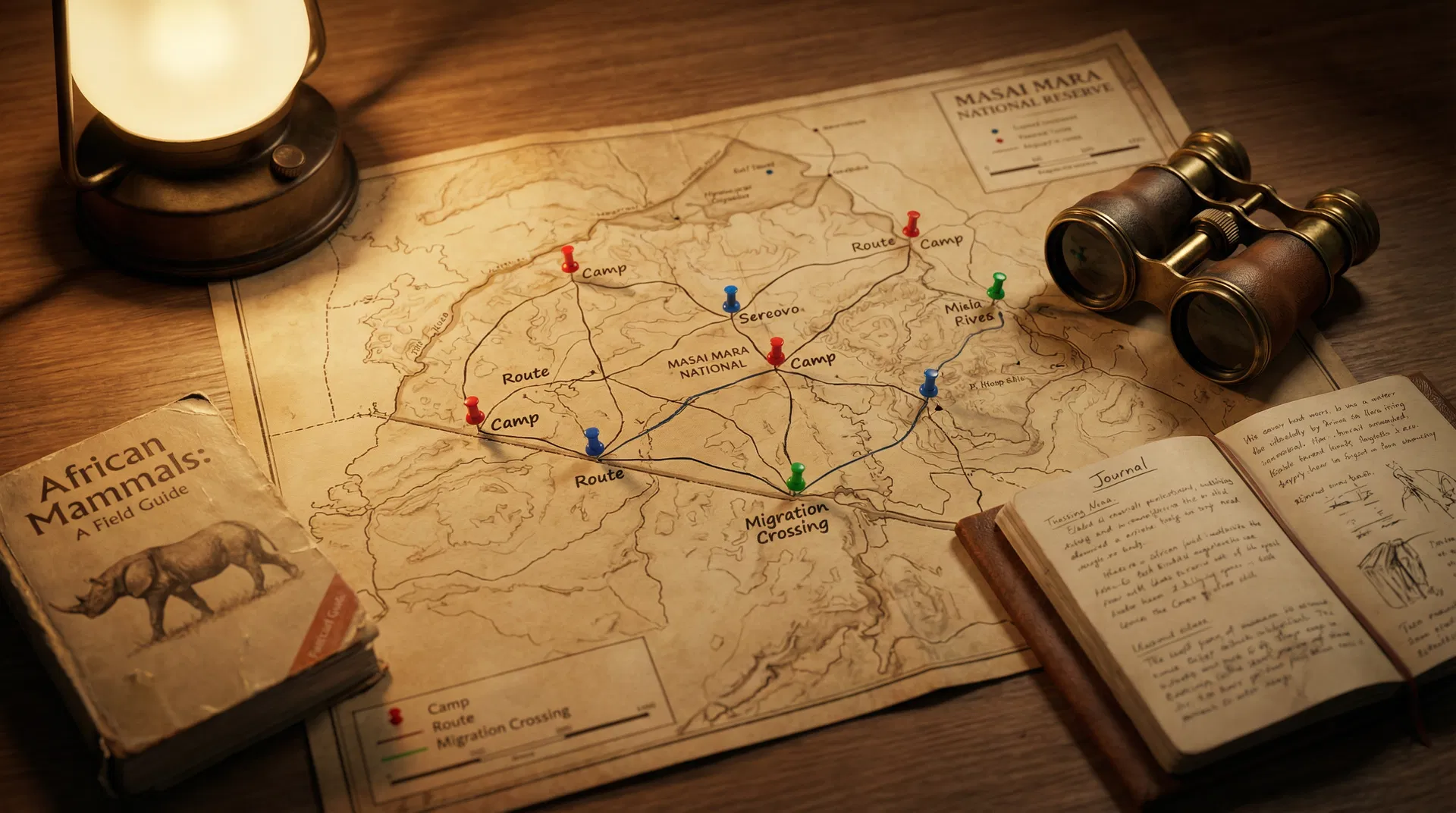 Safari Planning
Step-by-Step Guide to Planning an African Safari
Learn how to plan your first African safari with our step-by-step guide. We cover everything from choosing a destination to booking your trip and packing.
6 min readSafari Planning GuidesHow to Plan a Safari for a University Study Trip
Discover how to plan your dream safari with our expert guide on How to Plan a Safari for a University Study Trip. Get tips on destinations, costs, and more.
8 min read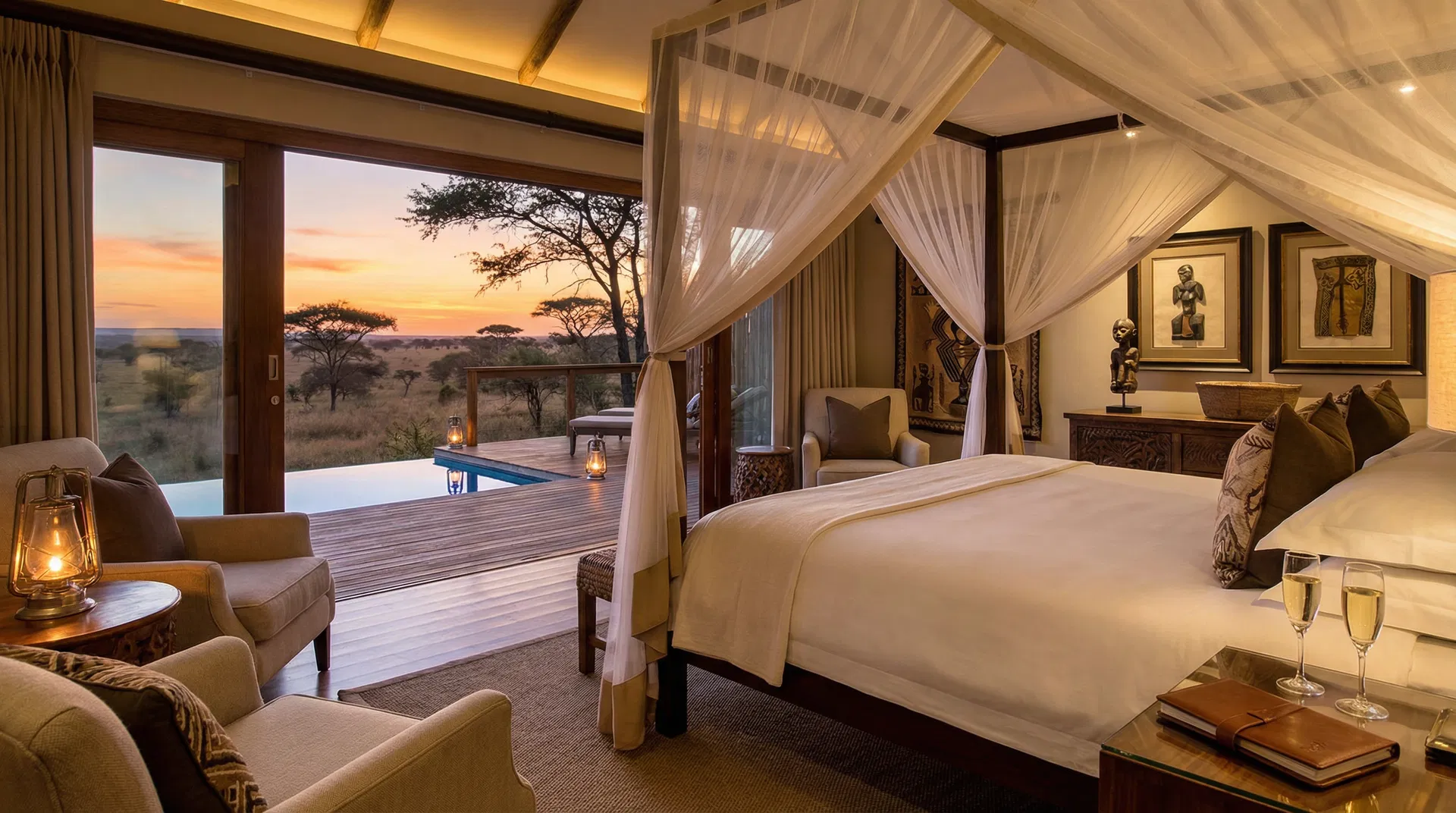 Luxury Safari Content
How to Plan a Luxury Safari Anniversary Trip
A comprehensive guide to How to Plan a Luxury Safari Anniversary Trip. Learn everything you need to know for your safari adventure.
3 min readSafari PlanningHow to Plan Your First African Safari
Learn how to plan your first African safari with expert tips on destinations, timing, costs, and choosing the right operator.
8 min read