Master your safari packing with our expert checklist. Learn what to wear, essential gear to bring, and what to leave behind for your African adventure.
Packing for an African safari is unlike preparing for any other trip. It requires careful consideration of the environment, activities, and luggage restrictions. A well-thought-out safari packing checklist is the first step toward a successful and comfortable adventure. With the right gear, you can focus on the incredible wildlife and landscapes without worrying about being unprepared. This guide will walk you through everything you need to pack, from clothing and essential gear to important documents, ensuring you are ready for the journey of a lifetime.
Clothing: What to Wear on Safari
Choosing the right clothing is crucial for your comfort and safety on safari. The key is to pack lightweight, versatile pieces that can be layered to adapt to changing temperatures throughout the day. Early mornings and evenings can be cool, especially in open safari vehicles, while midday can be quite warm. Destinations like the Ngorongoro Crater in Tanzania or the high-altitude regions of Kenya can experience significant temperature drops, making layers essential.
Lightweight Layers are Key
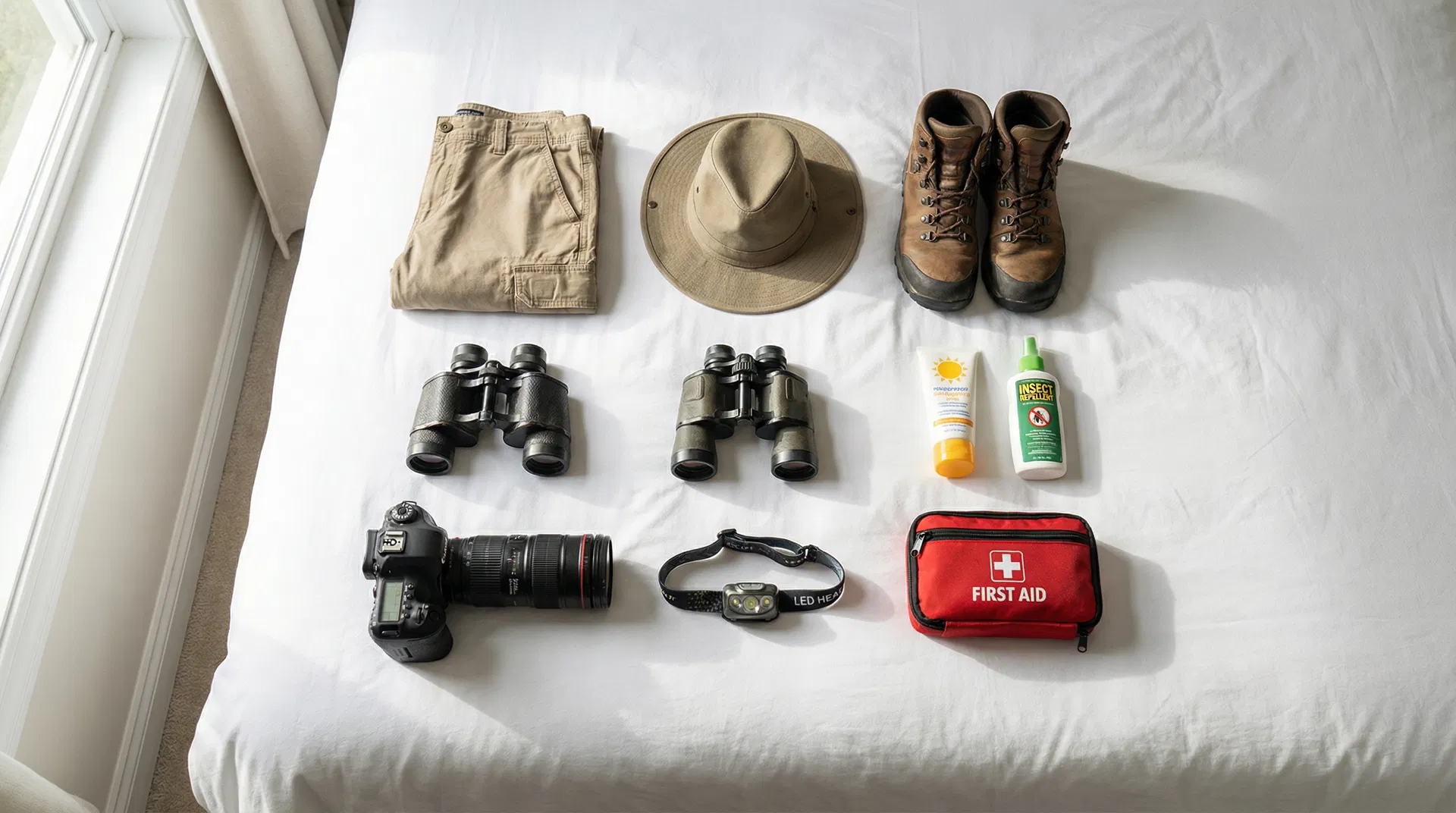
Your safari wardrobe should be built around a system of layers. Start with a comfortable base layer, such as a t-shirt or long-sleeved shirt, and add a fleece or warm jacket for cooler temperatures. A waterproof and windproof outer layer is also recommended, particularly if you are traveling during the rainy season in destinations like the Serengeti or Maasai Mara. Convertible pants with zip-off legs are a practical option, allowing you to switch between pants and shorts as the temperature changes.
For a typical 7 to 10-day safari, we recommend packing:
- 4-5 t-shirts or polo shirts
- 2-3 long-sleeved shirts for sun protection and cooler evenings
- 1-2 pairs of comfortable safari pants or chinos
- 1 pair of shorts (optional)
- 1 warm fleece or jacket
- 1 lightweight waterproof jacket
- Comfortable, closed-toe walking shoes are a must for bush walks and general wear.
- A pair of sandals or flip-flops for relaxing at the lodge.
Neutral Colors are Essential
When it comes to color, think neutral. Shades of khaki, beige, olive, and brown are ideal for safari as they blend in with the natural environment and are less likely to distract wildlife. These colors also help to conceal dust and dirt, which are an inevitable part of the safari experience. Bright colors, such as red and yellow, can be alarming to animals, while dark colors like black and blue are known to attract tsetse flies in certain regions of Tanzania and Zambia.
White clothing is also best avoided as it will quickly show dirt. While camouflage patterns might seem like a good idea, they are illegal for civilians to wear in some African countries, so it is best to leave them at home. By sticking to a neutral color palette, you will not only enhance your wildlife viewing opportunities but also show respect for the local environment and regulations.
What to Avoid Packing
Just as important as what to pack is what to leave behind. Avoid packing anything too valuable or sentimental that you would be devastated to lose. Formal wear is generally not necessary unless you are staying at a high-end city hotel before or after your safari. Most safari lodges and camps have a relaxed dress code, even for dinner.
Heavy boots, high heels, and dress shoes are impractical for the safari environment. Stick to comfortable, practical footwear. Finally, as mentioned, avoid bright, dark, or white clothing, as well as camouflage patterns. Packing light is essential, especially if your itinerary includes internal flights on small bush planes, which have strict luggage weight and size restrictions.
Essential Safari Gear and Equipment
Beyond clothing, a few key pieces of gear will significantly enhance your safari experience. From getting a closer look at distant wildlife to capturing those once-in-a-lifetime moments, the right equipment can make all the difference.
Binoculars: A Must-Have for Wildlife Viewing
A good pair of binoculars is arguably the most important piece of equipment on your safari packing checklist. While your guide will have a pair, having your own means you will not miss out on any of the action. Binoculars allow you to get up close and personal with wildlife from a safe distance, whether it is a leopard lounging in a distant tree in the Serengeti or a colorful lilac-breasted roller perched on a branch in Botswana's Okavango Delta.
We recommend a pair with a magnification of 8x42 or 10x42. This provides a good balance between magnification and field of view, making it easier to spot and track animals. Investing in a quality pair of binoculars will transform your safari from a great experience into an unforgettable one.
Camera Gear for Capturing Memories
While smartphone cameras have improved dramatically, a dedicated camera with a good zoom lens will allow you to capture high-quality images of the incredible wildlife you will encounter. A DSLR or mirrorless camera with a lens that has at least a 200mm or 300mm focal length is ideal. This will allow you to get frame-filling shots of animals without disturbing them.
Remember to bring extra batteries and memory cards, as you will likely take more photos than you expect. A dust-proof and waterproof camera bag is also a good idea to protect your equipment from the elements. Even if you are not a professional photographer, having a decent camera will allow you to bring home stunning images that will serve as a lasting reminder of your African adventure.
Power Bank and Adapters
Access to electricity can be limited in some remote safari camps, which often run on generators that are only switched on for a few hours each day. A portable power bank is essential for keeping your phone, camera, and other electronics charged. A universal travel adapter is also a must, as plug sockets vary between countries. South Africa, for example, uses a different plug type from Kenya and Tanzania.
Not Sure Where to Start?
Start HereHealth and Safety Items
Your health and safety are paramount on safari. While your safari operator will have a comprehensive first-aid kit, it is always a good idea to bring a small personal kit with your own essentials.
Personal First-Aid Kit
Your personal first-aid kit should include basics like pain relievers, antihistamines for allergic reactions, antiseptic wipes, bandages, and any personal prescription medications you require. It is also a good idea to include medication for stomach upsets, which can sometimes occur when traveling. Be sure to carry enough of your prescription medication for the entire duration of your trip, along with a copy of your prescription.
Insect Repellent
Insect repellent is a crucial item on your safari packing checklist, particularly for protection against mosquitoes, which can transmit malaria in many parts of Africa. Choose a repellent that contains DEET for the most effective protection. Apply it in the evenings and early mornings, and consider treating your clothing with permethrin before you travel for an extra layer of defense.
Sun Protection
The African sun can be intense, even on overcast days. A wide-brimmed hat, sunglasses, and high-SPF sunscreen are essential for protecting yourself from the sun's harmful rays. A lip balm with SPF is also a good idea to prevent chapped lips. Sun protection is not just about comfort; it is about preventing sunburn and reducing your risk of long-term skin damage.
Documents and Money
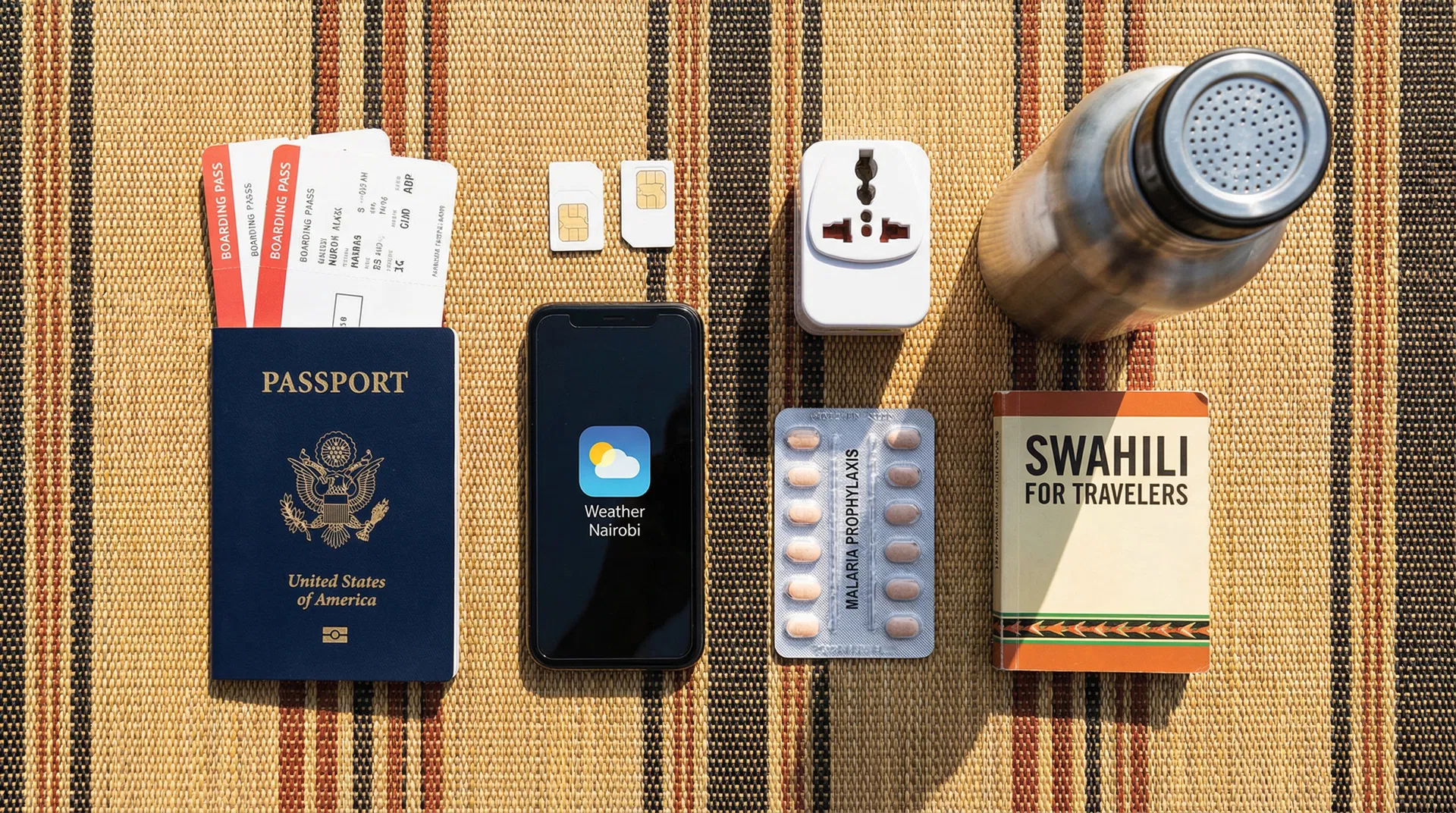
Proper documentation is essential for a smooth and hassle-free journey. Make sure you have all your necessary documents in order well in advance of your departure.
Passports, Visas, and Travel Insurance
Your passport must be valid for at least six months beyond your intended date of departure and have at least two blank pages. Check the visa requirements for the countries you will be visiting, as some may require you to obtain a visa in advance. It is also highly recommended to have comprehensive travel insurance that covers medical emergencies, trip cancellations, and lost or stolen luggage.
Keep digital and physical copies of your important documents, including your passport, visas, flight tickets, and travel insurance policy, in a separate place from the originals.
Cash and Cards
While major credit cards are accepted at most lodges and hotels, it is a good idea to carry some cash in US dollars for tipping and small purchases. Smaller denominations are particularly useful for tipping your guide, tracker, and lodge staff. Inform your bank of your travel plans to avoid any issues with your cards being blocked.
Luggage and Bags
Finally, consider the type of luggage you will be bringing. The right bag can make a big difference, especially when it comes to internal flights on small aircraft.
Soft-Sided Duffel Bags
If your safari itinerary includes any flights on small bush planes, such as those that fly into the Maasai Mara or the Okavango Delta, you will be restricted to a soft-sided duffel bag with a maximum weight of 15 kg (33 lbs), including your carry-on. This is because these aircraft have small luggage compartments, and hard-sided suitcases will not fit.
Daypack for Daily Essentials
A small, comfortable daypack is essential for carrying your daily essentials on game drives. This should be large enough to hold your camera, binoculars, sunscreen, insect repellent, a warm layer, and any other personal items you might need. Having a daypack keeps your essentials organized and easily accessible, so you are always prepared for whatever the day may bring.
By following this safari packing checklist, you can rest assured that you will have everything you need for a comfortable, safe, and unforgettable African safari. With the right preparation, you can immerse yourself in the magic of the African bush and create memories that will last a lifetime.
Explore Related Topics
Recommended Reading
 Packing & Preparation
Ultimate Safari Packing List for Rainy Season
This is a dummy meta description for Ultimate Safari Packing List for Rainy Season.
6 min readPacking & PreparationUltimate Safari Packing List for East Africa
This is a dummy meta description for Ultimate Safari Packing List for East Africa.
5 min readPacking & PreparationUltimate Safari Packing List for Southern Africa
This is a dummy meta description for Ultimate Safari Packing List for Southern Africa.
5 min read Safari Planning
Packing for a Safari Adventure
Packing for a safari? Our guide covers everything from the best luggage and clothing to essential gear and health precautions for your African adventure.
7 min read Safari Operator Articles
How to Check Safari Operator Insurance
A guide to understanding and verifying the insurance coverage of a safari operator to ensure you are protected in case of an emergency.
9 min read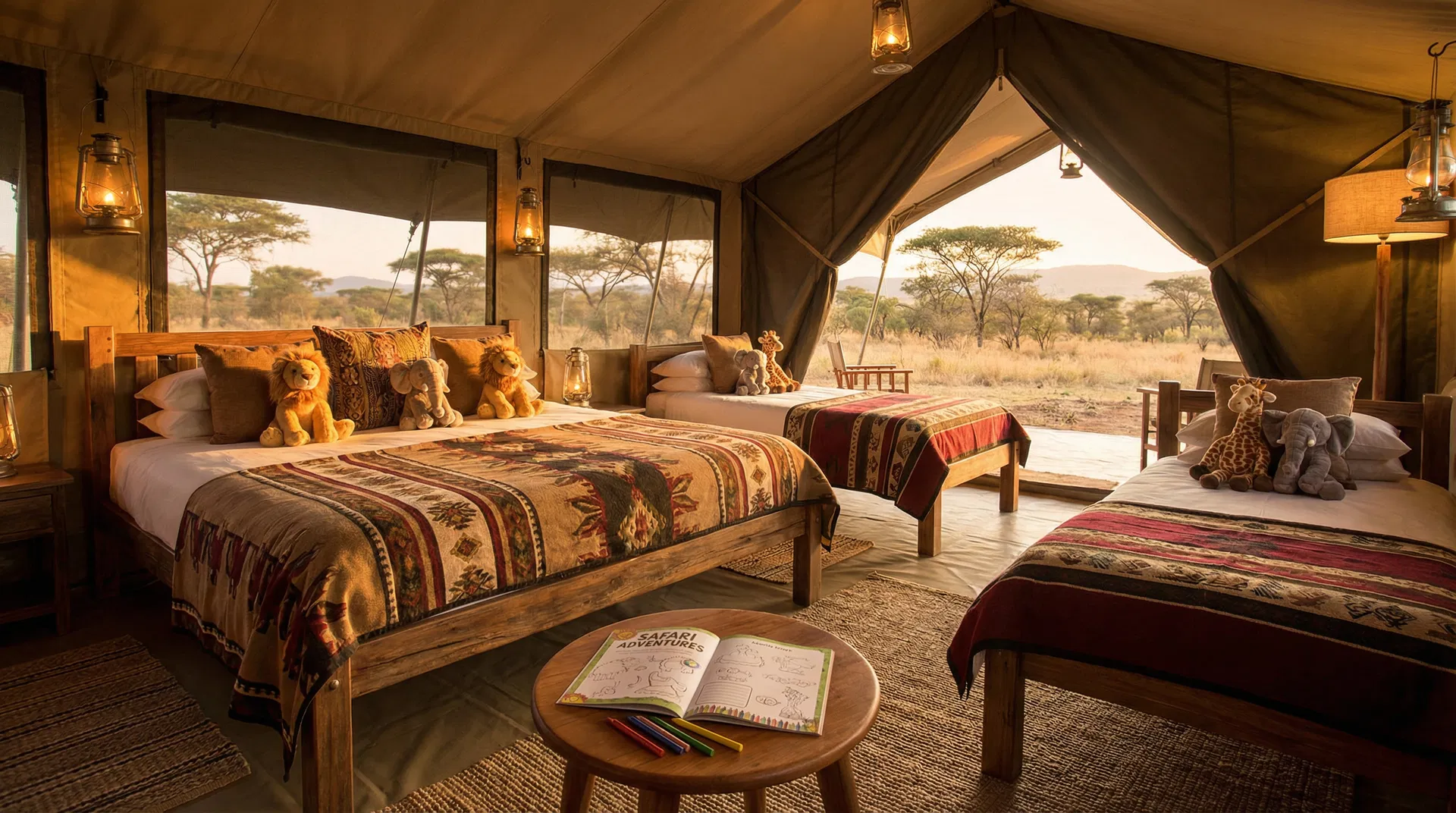 Family Safaris
Family Safari Packing Tips
Planning a family safari? Our expert guide covers essential packing tips for clothing, footwear, health, and kids' gear to ensure a comfortable and safe adventure.
6 min read