Planning your first African safari? Our expert guide provides essential safari safety tips for a worry-free adventure, from wildlife encounters to health advice.
An African safari is a dream trip for many, offering a front-row seat to the world's most incredible wildlife spectacles. But for first-time visitors, the prospect of close encounters with wild animals in remote locations can also bring a sense of apprehension. The good news is that safaris are exceptionally safe, especially when you travel with reputable operators and follow the guidance of your expert guides. This article provides a comprehensive overview of essential safari safety tips to ensure your journey is not only breathtaking but also safe and worry-free.
Health and Medical Precautions
Your health and well-being are paramount on any international trip, and a safari is no exception. Proactive medical planning is a critical first step in ensuring a safe and enjoyable experience in Africa.
Consult Your Doctor and Get Vaccinated
Well before you pack your bags, schedule a consultation with your doctor or a travel medicine specialist, ideally 4-6 weeks before your departure. They will provide personalized advice based on your health history and specific travel itinerary. Recommended vaccinations for many safari destinations include Tetanus, Hepatitis A, and Hepatitis B. Some countries have specific entry requirements; for instance, a Yellow Fever vaccination certificate is mandatory for entry into Uganda and Rwanda. Your doctor will provide the necessary documentation, which you should carry with you.
Malaria Prevention is Key
Malaria is a serious concern in many parts of Africa, but it is also preventable. Your doctor will likely prescribe antimalarial medication, such as Malarone or Doxycycline, which you should start taking before your trip and continue as prescribed. Beyond medication, diligent mosquito avoidance is crucial. Use an insect repellent containing DEET, especially during dawn and dusk when mosquitoes are most active. Wear long-sleeved shirts and trousers in the evenings, and always make use of the mosquito nets provided at your lodge or camp.
Don't Forget Comprehensive Travel Insurance
Comprehensive travel insurance is non-negotiable for an African safari. Given the remote nature of many safari destinations, medical emergencies often require air evacuation to a well-equipped hospital, which can be extraordinarily expensive. Ensure your policy includes robust medical evacuation coverage, as well as provisions for trip cancellation, interruption, and lost or delayed baggage. This is a small investment for significant peace of mind.
Staying Safe Around Wildlife
The thrill of a safari lies in its unpredictability and the raw beauty of its wildlife. Understanding how to behave in the presence of wild animals is fundamental to your safety and the well-being of the animals themselves.
In the Safari Vehicle: Your Mobile Hide
Your safari vehicle is more than just transportation; it's a mobile hide that keeps you safe and allows for incredible close-up wildlife viewing. Animals generally perceive the vehicle as a single, large, non-threatening entity. To maintain this illusion, it is vital to follow your guide's instructions. This means staying seated, keeping your entire body—including arms, hands, and camera lenses—inside the vehicle at all times, and avoiding loud noises or sudden movements. It's not uncommon for a lion to stroll past your vehicle in the Serengeti or for a herd of elephants to surround you in Amboseli; remaining calm and quiet ensures these magical moments remain peaceful.
At the Lodge or Camp: You Are in Their Home
Many safari lodges and camps are unfenced, allowing wildlife to move freely through the property. This creates a wonderfully immersive experience, but it also requires a high degree of caution. Animals that may seem habituated are still wild and unpredictable. The golden rule is to never walk around the camp unescorted after dark. Whether you are heading to the main lodge for dinner or returning to your tent, a staff member or guide will always accompany you. This is especially true in areas like the Okavango Delta, where hippos—one of Africa's most dangerous animals—often graze around lodges at night.
On Walking Safaris: An Intimate Experience
A walking safari is an exhilarating way to experience the bush, offering a completely different perspective from a vehicle. It is also an activity that demands your full attention and adherence to safety protocols. On a walking safari, you will be led by a highly trained and armed guide. Always walk in single file, with the guide at the front and often a second guide or tracker at the rear. Listen intently to your guide's instructions, remain quiet, and never, ever run if you encounter an animal. Running can trigger a predator's chase instinct. Destinations like Zambia's South Luangwa National Park and Tanzania's Selous Game Reserve are renowned for their exceptional walking safaris, offering a safe yet thrilling way to connect with nature on foot.
General Safety at Your Accommodation
Your safari lodge or camp is your sanctuary in the wild. Reputable establishments prioritize guest safety, but a few simple practices will further ensure your well-being.
Your Guide is Your Lifeline
If there is one safari safety rule to remember above all others, it is this: always listen to your guide. Your guide is not just a wildlife expert but a trained professional responsible for your safety. They have an intimate understanding of animal behavior and the local environment. Their instructions are based on years of experience and are designed to keep you safe. If your guide tells you to be quiet, to stay in the vehicle, or to move away from a certain area, do so without question. Their expertise is your greatest safety asset.
Food and Water Safety
Reputable safari lodges and camps maintain high standards of hygiene. The food served is generally of excellent quality and safe to eat, including fresh salads and fruits. The water provided for drinking is always bottled or purified. It is advisable to avoid drinking tap water. While exploring cities and towns, be cautious about eating from street vendors unless they are recommended by a trusted local guide. Sticking to bottled beverages and well-cooked foods is a sensible precaution.
Securing Your Valuables
While theft is not a common problem on safari, it is always wise to take precautions. Use the safe provided in your room or tent to store your passport, cash, and other valuables. It's also a good idea to carry a digital or physical copy of your passport with you. When in urban areas, be discreet with expensive cameras and jewelry, and avoid carrying large amounts of cash.
Navigating Your Destination Safely
Your safari adventure may begin or end in one of Africa's vibrant cities. A few common-sense safety measures will help you navigate these urban environments with confidence.
In Cities and Towns
In major safari gateway cities like Nairobi, Arusha, or Johannesburg, it is advisable to take the same precautions you would in any large city. Avoid walking alone at night, be mindful of your surroundings, and use reputable taxi or ride-sharing services arranged by your hotel or a trusted operator. Your safari consultant can provide specific safety advice for the cities on your itinerary.
Road Travel and Transfers
Travel between parks and lodges often involves driving on roads that can be rough and unpredictable. Reputable safari operators use well-maintained 4x4 vehicles and employ experienced, professional driver-guides. For longer distances, consider a fly-in safari, which minimizes time on the road and offers spectacular aerial views of the landscape. This is a popular option in vast countries like Tanzania and Botswana.
Essential Items for a Safe Safari
Packing the right gear can also contribute to a safer and more comfortable safari experience.
A Well-Stocked Personal First-Aid Kit
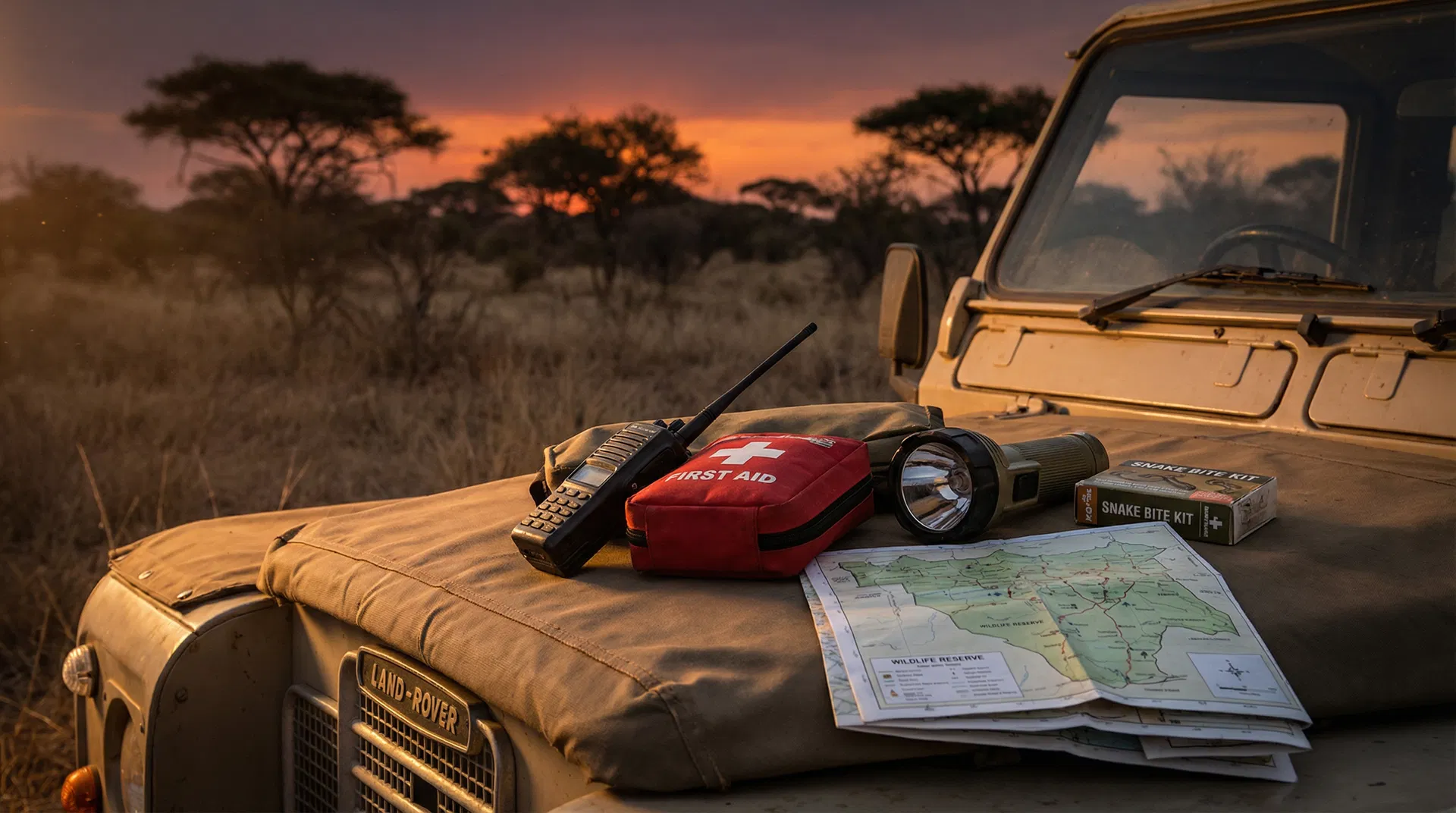
While your guide and lodge will have comprehensive first-aid kits, it is essential to carry a personal kit with your own basic supplies. This should include antiseptic wipes, bandages, pain relievers, antihistamines for insect bites, motion sickness medication if you are prone to it, and a sufficient supply of any personal prescription medications.
The Right Clothing and Gear
Your choice of clothing can enhance both your safety and your safari experience. Neutral-colored clothing in shades of khaki, green, and brown will help you blend in with the environment and are less likely to attract insects. Sturdy, closed-toe shoes are essential for all safari activities. Don't forget to pack a wide-brimmed hat, sunglasses, and a high-SPF sunscreen to protect you from the strong African sun.
Conclusion
An African safari is a journey of a lifetime, and with a little preparation and a lot of respect for the wild, it is an incredibly safe one. By choosing a reputable operator, listening to your expert guides, and following these fundamental safety principles, you can relax and immerse yourself in the magic of the African bush. A well-planned safari is not just an adventure; it's a transformative experience that will stay with you forever.
The African Safari Planning Blueprint — Your Complete Guide
80+ Pages of Expert Knowledge in One Place
The comprehensive guide that replaces weeks of scattered research. 80+ pages of expert insights, decision frameworks, and insider knowledge.
Helpful Guides for Your Safari Planning
Optional planning guides built from real safari industry experience. Use them alongside our free knowledge center to plan your trip.
Need Expert Safari Guidance?
Our safari advisors can help you plan the perfect itinerary based on your interests, budget, and travel dates. Get personalized recommendations from experts who have lived and worked across Africa.
Explore Related Topics
Recommended Reading
 Safari Safety
Walking Safari Safety Tips
Learn how to stay safe on a walking safari with our expert tips. Discover the importance of your guide, what to wear, and how to act in the African bush.
8 min read Safari Planning Guides
How to Plan a Safari for First-Time Visitors to Africa
Learn about how to plan a safari for first-time visitors to africa in this comprehensive safari guide covering key insights and practical advice.
6 min read Season & Timing Guides
Best Time to Visit South Africa for Safari
Expert guide on best time to visit south africa for safari with month-by-month conditions, pricing, and planning recommendations for safari travelers.
10 min readSeason & Timing GuidesBest Time to Visit Tanzania for Safari
Expert guide on best time to visit tanzania for safari with month-by-month conditions, pricing, and planning recommendations for safari travelers.
10 min readSeason & Timing GuidesBest Time to Visit Botswana for Safari
Expert guide on best time to visit botswana for safari with month-by-month conditions, pricing, and planning recommendations for safari travelers.
11 min read Travel Logistics
Safari Road Transfer Safety Tips
Learn about safari road transfer safety tips and how it can impact your safari experience. Get expert advice and start planning your dream safari today.
8 min read