Learn how to travel safely in Southern Africa with our expert guide. Get practical tips on urban safety, safari precautions, and health preparations for your trip.
Southern Africa is a dream destination for many travelers, offering some of the most spectacular wildlife viewing, dramatic landscapes, and vibrant cultures on the planet. From the thundering Victoria Falls to the vast wilderness of the Okavango Delta and the iconic Kruger National Park, the region promises unforgettable adventures. However, for first-time visitors, the question of safety often looms large. News headlines can paint a picture of high crime rates, leading to understandable concern. The truth is, while risks do exist—as they do anywhere in the world—millions of tourists enjoy safe and incident-free trips to Southern Africa every year. The key is to be informed, prepared, and to travel with a mindset of sensible caution. This guide is designed to provide practical, no-nonsense advice to help you navigate your journey with confidence, ensuring your focus remains on the incredible experiences that await.
Understanding the Safety Landscape
When discussing safety in Southern Africa, it's crucial to distinguish between different environments. The safety concerns in a major city like Johannesburg are vastly different from those in a remote safari lodge in Botswana or a coastal town in Namibia. While countries like South Africa do have high crime statistics, these are often concentrated in specific urban and township areas, away from the typical tourist circuits. Safari destinations, national parks, and game reserves are generally very secure, with a strong focus on guest safety. These areas are often privately managed and have dedicated security and highly trained staff. Therefore, it's less about whether the region as a whole is "safe" and more about understanding the specific risks associated with each part of your itinerary and taking appropriate precautions.
Country-Specific Considerations
- South Africa: Poses the most complex safety profile. Major cities like Johannesburg and Cape Town require a high degree of vigilance regarding street crime, such as muggings and carjackings. However, the primary tourist areas, including the Garden Route and the safari parks, are significantly safer.
- Botswana & Namibia: Widely regarded as two of the safest countries in Africa. They are politically stable, sparsely populated, and have a strong focus on high-end, low-impact tourism. The main risks here are related to self-driving in remote areas and wildlife encounters.
- Zambia & Zimbabwe: Generally safe for tourists, especially in the core safari areas around Victoria Falls, Hwange National Park, and the Lower Zambezi. Economic instability, particularly in Zimbabwe, can lead to a rise in opportunistic crime in urban centers, but it rarely affects tourists in the parks.
Practical Safety in Urban Environments
When visiting cities, adopting a few key behaviors can dramatically reduce your risk of becoming a target for crime. The goal is not to be fearful, but to be aware and project confidence.
Be Aware of Your Surroundings
Situational awareness is your most effective tool. Avoid walking alone at night, especially in poorly lit areas. Keep your valuables, such as cameras and phones, out of sight as much as possible—don't flash expensive jewelry or large amounts of cash. It's wise to make copies of important documents like your passport and keep them separate from the originals. When walking, move with purpose and be mindful of who is around you. If you feel uncomfortable in a situation, remove yourself from it promptly.
Smart Transportation Choices
How you get around is a major safety consideration. In South Africa, it is generally not recommended to use public minibus taxis. Instead, rely on reputable app-based services like Uber, which have driver and vehicle tracking, or pre-booked private transfers arranged by your hotel or travel advisor. When driving a rental car, keep doors locked and windows closed, especially at intersections in busy cities. Never leave valuables visible inside a parked car; always store them in the trunk.
Secure Your Accommodation
Choose your accommodation wisely. Reputable hotels, guesthouses, and Airbnb properties in well-regarded neighborhoods are your best bet. Ensure your room has a secure lock and use the safe provided for your passport, extra cash, and other valuables. Be cautious about who you invite back to your room and don't leave your door unlocked or ajar.
Not Sure Where to Start?
Start HereStaying Safe on Safari
Safety in the bush is a different ballgame, with the focus shifting from human-related risks to the natural environment and its wild inhabitants. Here, the rules are simple but non-negotiable.
Respect the Wildlife
Remember that you are a guest in the animals' home. Never approach a wild animal on foot, and always maintain a safe distance, even when in a vehicle. The instructions of your safari guide are paramount—they are highly trained professionals who understand animal behavior. Do not talk loudly, make sudden movements, or stand up in the safari vehicle, as this can startle the animals and provoke a defensive reaction. When at an unfenced safari lodge, you will often be escorted to and from your room after dark. This is not for show; it is a critical safety measure.
Listen to Your Guide
Your safari guide is your lifeline in the bush. Their primary job is to keep you safe while providing an incredible wildlife experience. Follow their instructions without question. If they tell you to be quiet, stay seated, or not use a camera flash, there is a very good reason for it. They are constantly reading the environment and the behavior of the animals to anticipate and avoid potentially dangerous situations. Trust their expertise.
Health and Hydration
Being in a remote wilderness area means being prepared. The African sun can be intense, so it's essential to stay hydrated by drinking plenty of bottled or purified water throughout the day. Use high-SPF sunscreen, wear a wide-brimmed hat, and protect yourself from insect bites by using repellent and wearing long-sleeved shirts and pants in the evenings. This is your first line of defense against mosquito-borne illnesses like malaria.
Common Scams to Avoid
Like any popular tourist destination, Southern Africa has its share of scams targeting unwary travelers. Being aware of them is the best way to steer clear.
ATM and Credit Card Fraud
Be vigilant when using ATMs. Only use machines located inside banks or in well-lit, secure areas. Be wary of anyone offering to "help" you with your transaction, as this is a common tactic to skim your card details or steal your cash. Cover the keypad when entering your PIN. Similarly, when paying with a credit card at a restaurant, ask for the portable machine to be brought to your table rather than letting your card be taken out of your sight.
Impersonation Scams
Criminals may pose as "tourist police" and ask to see your documents or invent a minor infraction for which they demand an on-the-spot "fine." Official police officers should be able to present identification. If you are unsure, you can offer to accompany them to the nearest police station. Never hand over cash. Another common tactic involves overly friendly individuals who strike up a conversation to distract you while an accomplice picks your pocket.
Essential Health and Medical Preparations
Staying healthy is a key part of travel safety. A few pre-trip preparations can prevent most common health issues.
Vaccinations and Malaria
Consult your doctor or a travel clinic 4-6 weeks before your departure to get the latest advice on required and recommended vaccinations for your specific destinations. Malaria is a serious concern in certain parts of Southern Africa, including Kruger National Park, Zambia, and northern Botswana. Your doctor will advise on the best prophylactic medication for your itinerary. Prevention is key, so use insect repellent and sleep under a mosquito net where provided.
Comprehensive Travel Insurance
Travel insurance is non-negotiable for a trip to Southern Africa. Ensure your policy includes comprehensive medical coverage, emergency evacuation, and repatriation. Medical facilities in major cities are generally excellent, but in remote safari areas, any serious incident will require an expensive airlift to a hospital. Check that your policy covers activities you plan to undertake, such as walking safaris or adventure sports.
In conclusion, traveling safely in Southern Africa is entirely achievable. It requires a blend of pre-trip research and on-the-ground common sense. By understanding the real risks, preparing accordingly, and maintaining a healthy level of awareness, you can put your mind at ease and fully immerse yourself in the magic of this extraordinary region. A well-planned safari, especially when organized with a trusted advisor, is one of the safest and most rewarding travel experiences you can have.
Not Sure Where to Start?
Take our guided safari quiz and get a personalized starting point based on your interests, budget, and travel style.
Ready to plan? Use our step-by-step system to turn your research into a real safari trip.
Start the Safari Planning SystemExplore Related Topics
Recommended Reading
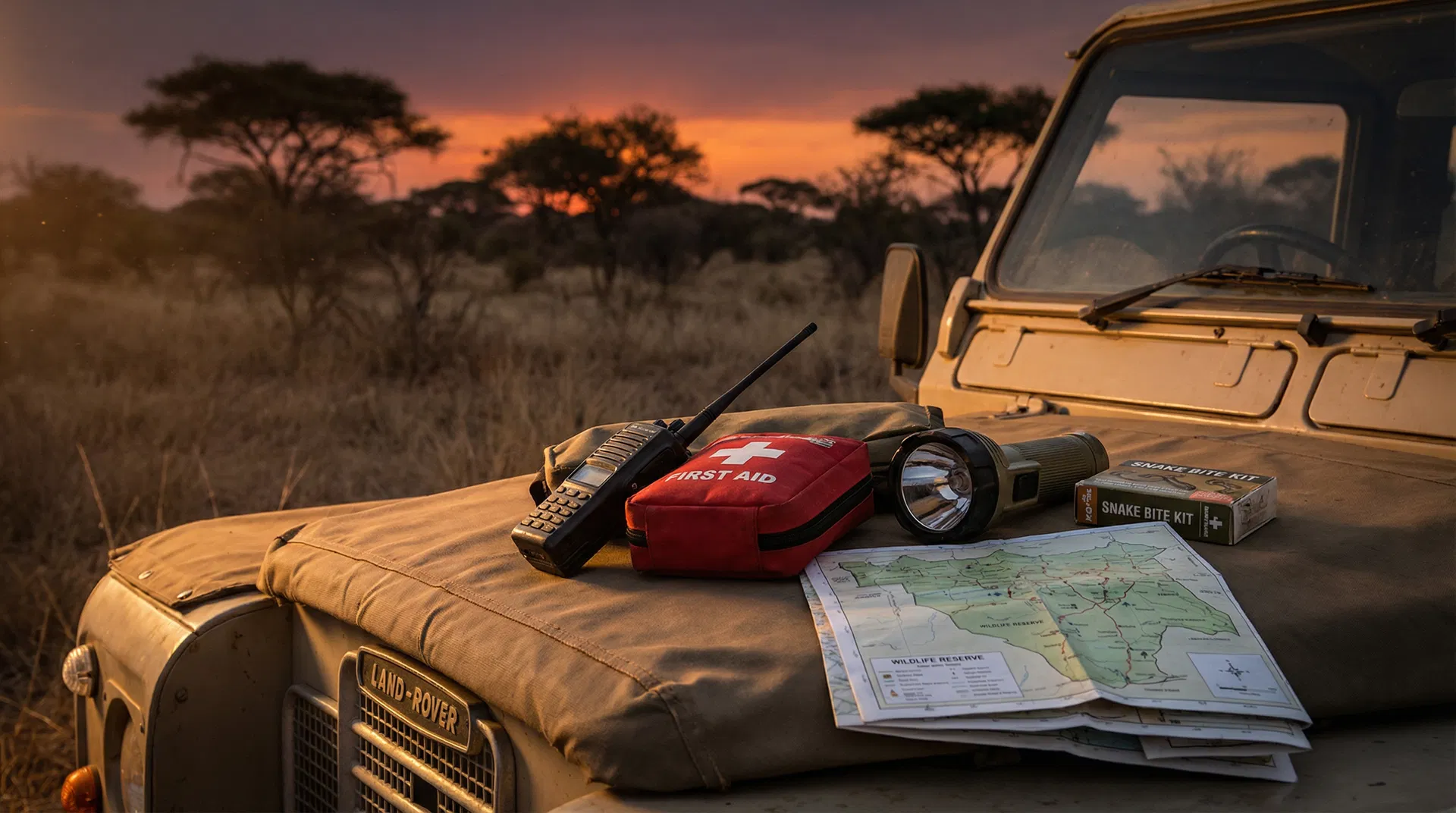 Safari Safety
Travel Safety in East Africa
Travel safely in East Africa with our expert tips. This guide covers health, urban safety, and wildlife precautions for your safari in Kenya, Tanzania, and beyond.
 Country Guides
South Africa Safari Health and Safety Overview
A guide to staying healthy and safe on a South African safari, from malaria prevention and vaccinations to wildlife encounters and personal security.
Safari SafetyIs African Safari Safe for Travelers?
Is an African safari safe? Our expert guide covers the real risks, safety measures, and practical advice to help you plan a secure and unforgettable journey.
 Safari Planning
Vaccinations Needed for African Safari Travel
Learn about the required and recommended vaccinations for your African safari. Our guide covers Yellow Fever, Malaria, and other health precautions for your trip.
Country GuidesComplete Safari Guide to South Africa
Your complete guide to Complete Safari Guide to South Africa. Find the best destinations, planning tips, and more for your next safari adventure.
Country GuidesSouth Africa Safari Currency and Money Guide
A comprehensive guide to South Africa Safari Currency and Money Guide. Learn everything you need to know for your next safari adventure.