Is a safari good for families? This guide covers everything you need to know about planning a safe and unforgettable family safari adventure in Africa.
An African safari is often seen as a bucket-list trip for adventurous adults, but is it a good choice for families with children? The answer is a resounding yes. A well-planned family safari is a transformative experience that educates, inspires, and connects your family in ways few other trips can. It's an opportunity to witness the planet's most incredible wildlife, learn about different cultures, and create memories that will last a lifetime. From the Serengeti plains to the Okavango Delta, Africa offers a remarkable adventure for all ages. However, planning a successful family safari requires careful consideration of safety, destinations, and activities. This guide will walk you through everything you need to know.
Why a Safari is a Life-Changing Experience for Families
A safari is an immersive journey that offers profound benefits for children and parents alike. It's a chance to step away from daily routines and enter a world governed by nature. Children can see animals they've only read about in books, learning about their behaviors and habitats firsthand from an expert guide. This hands-on learning fosters a deep appreciation for wildlife and conservation. In a world dominated by screens, a safari offers a rare opportunity to disconnect from technology and reconnect with one another, strengthening family bonds through shared adventures.
Is It Safe to Take Children on Safari?
Safety is a primary concern for any parent, but a family safari can be exceptionally safe with proper planning. Reputable safari operators have strict safety protocols, experienced guides, and well-maintained vehicles. A good guide is a trained naturalist and safety expert who knows how to maintain a safe distance from wildlife and is trained in first aid. Lodges are often fenced or have measures to keep wildlife at a safe distance.
Malaria and Health Precautions
Malaria is a valid concern in many safari destinations, but the risk can be significantly minimized. Consult your doctor about anti-malarial medication and use insect repellent, wear long-sleeved clothing in the evenings, and sleep under mosquito nets. Many excellent safari destinations, particularly in South Africa, are in malaria-free areas, making them a great choice for families with young children.
Wildlife Safety Rules
Your guide will brief you on essential safety rules: stay in the vehicle during game drives, don't make loud noises near wildlife, and never feed the animals. At the lodge, be aware of your surroundings and be escorted by a staff member after dark in unfenced camps. Following these rules ensures a safe and respectful experience.
Planning a safari?
Start the Safari Planning System →What is the Best Age for a Family Safari?
While there is no single "best" age, different age groups will get different things out of the experience. Many lodges have a minimum age limit, often around 6 or 8 years old.
Younger Children (Ages 6-8)
Children in this age group are full of wonder, but have shorter attention spans. Plan a flexible itinerary with shorter game drives and plenty of downtime. Lodges with swimming pools and kid-friendly activities are ideal. Malaria-free destinations like South Africa's Eastern Cape or Madikwe Game Reserve are excellent choices.
Older Children (Ages 9-12)
This is a fantastic age for a safari. Children are old enough to appreciate the experience, ask insightful questions, and have the patience for longer game drives. They can participate in more activities, such as guided bush walks (age restrictions apply) and junior ranger programs.
Teenagers (Ages 13+)
A safari can be a life-changing trip for teenagers, who can engage with complex topics like conservation and community development. For a more adventurous experience, consider destinations like Botswana or Zambia. A safari can also be a powerful bonding experience for families with teenagers.
The Best African Countries for a Family Safari
Different countries offer different experiences, and the best choice for your family will depend on your budget, interests, and the ages of your children.
South Africa: The Perfect Starter Safari
South Africa is arguably the most accessible country for a first-time family safari. It offers a wide range of malaria-free parks, excellent infrastructure, and a variety of family-friendly lodges. It's easy to combine a safari with other attractions like Cape Town and the Garden Route.
Kenya: Classic Wildlife and Rich Culture
Kenya offers the classic safari experience with its wide-open savannas and abundant wildlife. The Maasai Mara is world-famous for the Great Migration and its high density of predators. Kenya also offers rich cultural experiences, such as visiting a Maasai village.
Tanzania: The Great Migration and Iconic Parks
Tanzania is home to iconic parks like the Serengeti, Ngorongoro Crater, and Tarangire. The Serengeti hosts the Great Migration for much of the year. Tanzania offers a more rugged experience than South Africa but is still very accessible for families. A popular option is to combine a safari with a beach holiday in Zanzibar.
Botswana: Exclusive and Adventurous
Botswana offers a more exclusive and off-the-beaten-path safari experience. The Okavango Delta can be explored by mokoro (traditional canoe), offering a different perspective on wildlife viewing. This is a great choice for adventurous families with older children or teenagers.
Top Activities for Families on Safari
A great family safari is about more than just game drives. Many lodges offer a range of activities designed to engage children.
Junior Ranger Programs
Many family-friendly lodges offer junior ranger programs where children can learn about the bush in a fun and interactive way, with activities like tracking animals and learning about plants.
Guided Bush Walks and Cultural Visits
For families with older children, a guided bush walk is an incredible experience. Visiting a local village, such as a Maasai or Samburu community, can be a powerful and eye-opening experience for children, offering a chance to learn about a different way of life.
How to Plan a Successful Family Safari
Careful planning is the key to a successful family safari. Here are a few final tips:
- Choose a Child-Friendly Safari Lodge: Look for lodges with family suites, swimming pools, and flexible meal times. Lodges with junior ranger programs are a good sign.
- Consider a Private Safari Vehicle: This gives you the flexibility to set your own schedule and not worry about disturbing other guests.
- Pace Your Itinerary: Don't try to do too much. A slower-paced itinerary with plenty of downtime is more enjoyable for everyone.
- Pack Smart: In addition to safari essentials, pack items to keep your children entertained, such as binoculars, animal checklists, and games.
A family safari is an adventure that will stay with you forever. It's a chance to witness the magic of the African wilderness through your children's eyes and create a shared story that will be told for generations. With careful planning, a safari is one of the best travel experiences you can have together.
Explore Related Topics
Recommended Reading
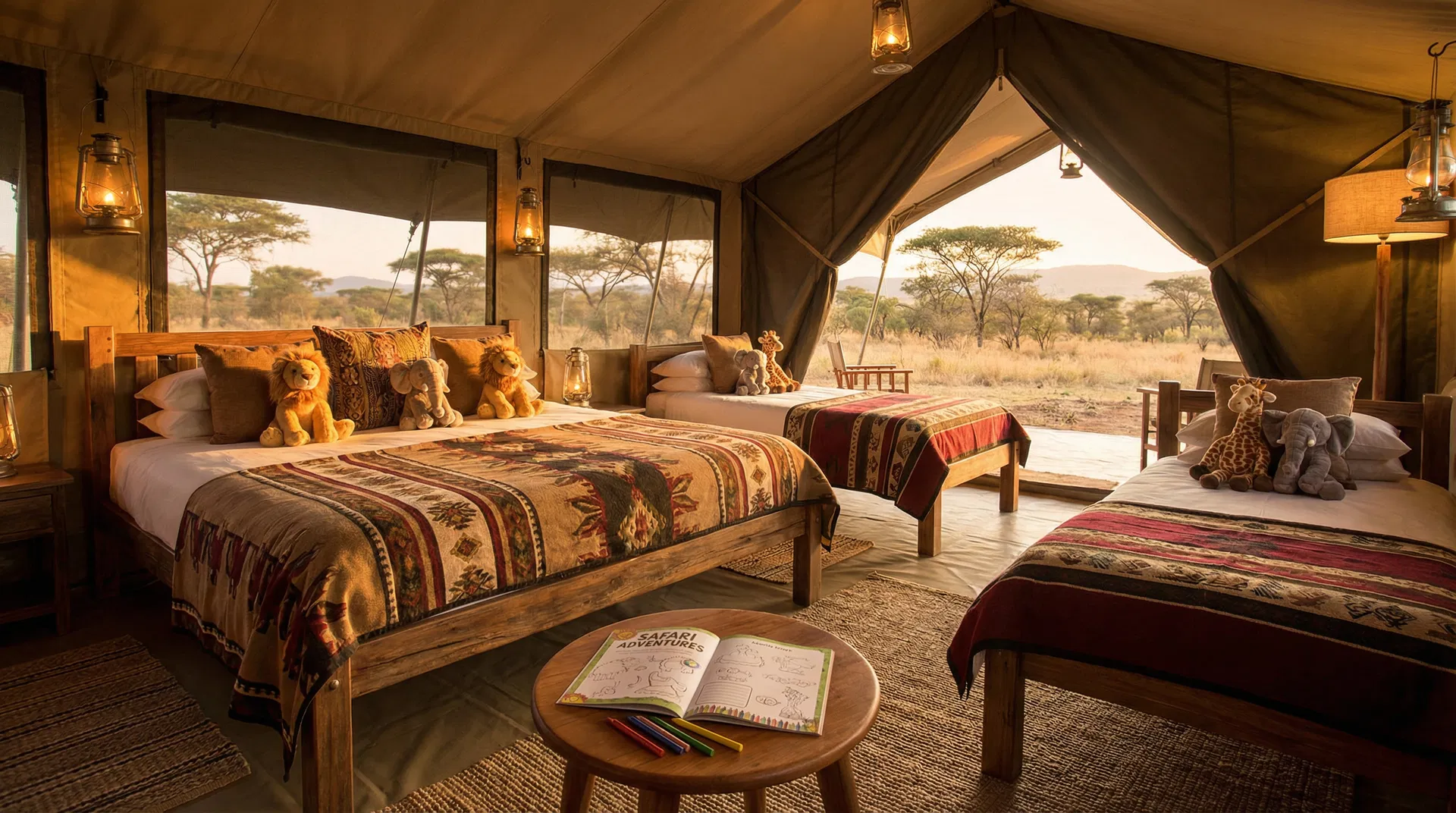 Family Safaris
Best Safari Destinations for Families
Planning a family safari? Discover the best safari destinations for families, from malaria-free reserves in South Africa to the iconic plains of the Serengeti.
7 min read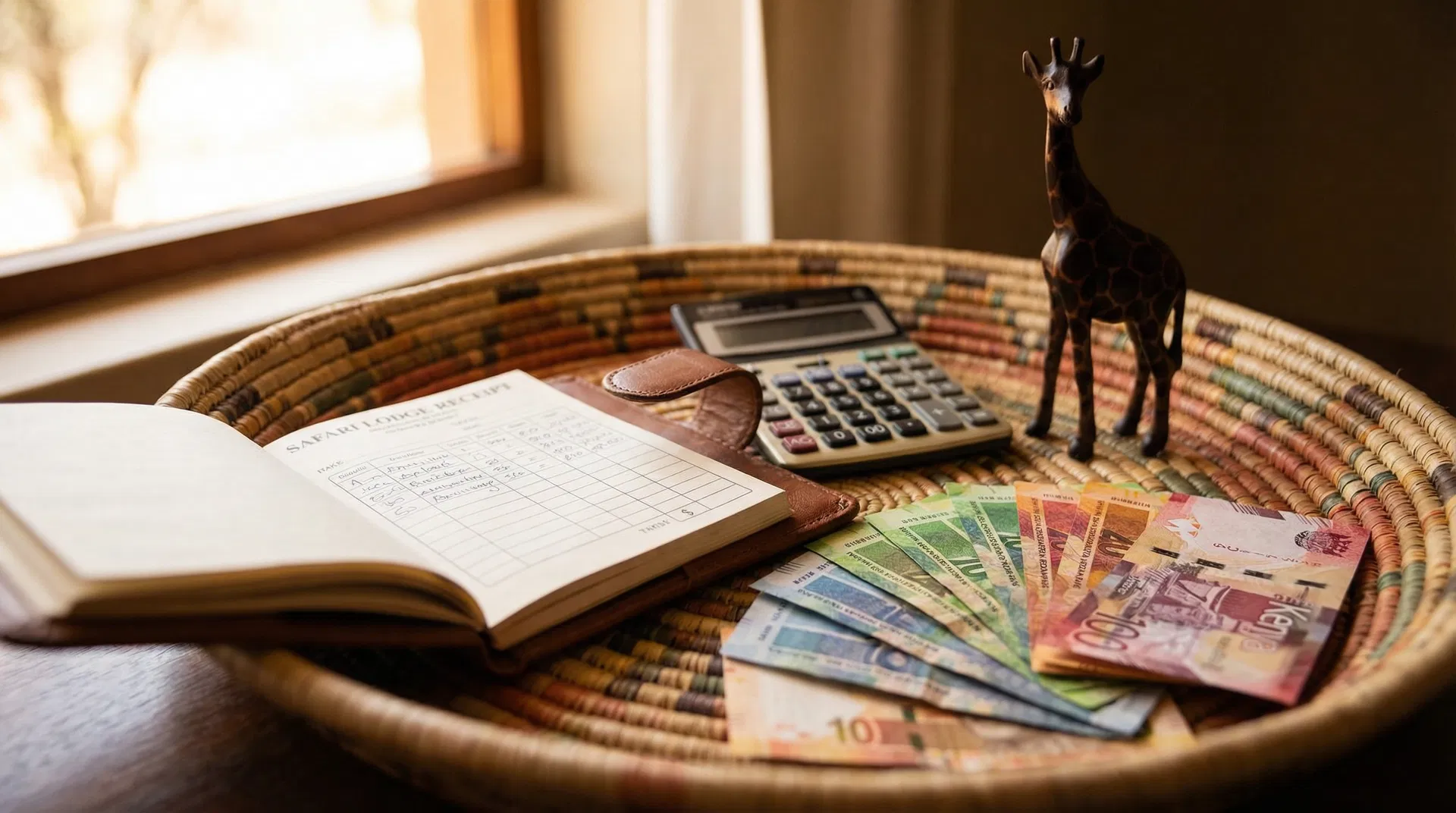 Safari Costs
Safari Cost for Families
Learn how to budget for a family safari with our guide to costs in Kenya, Tanzania, and South Africa. Get tips on saving money and choosing the right safari.
8 min read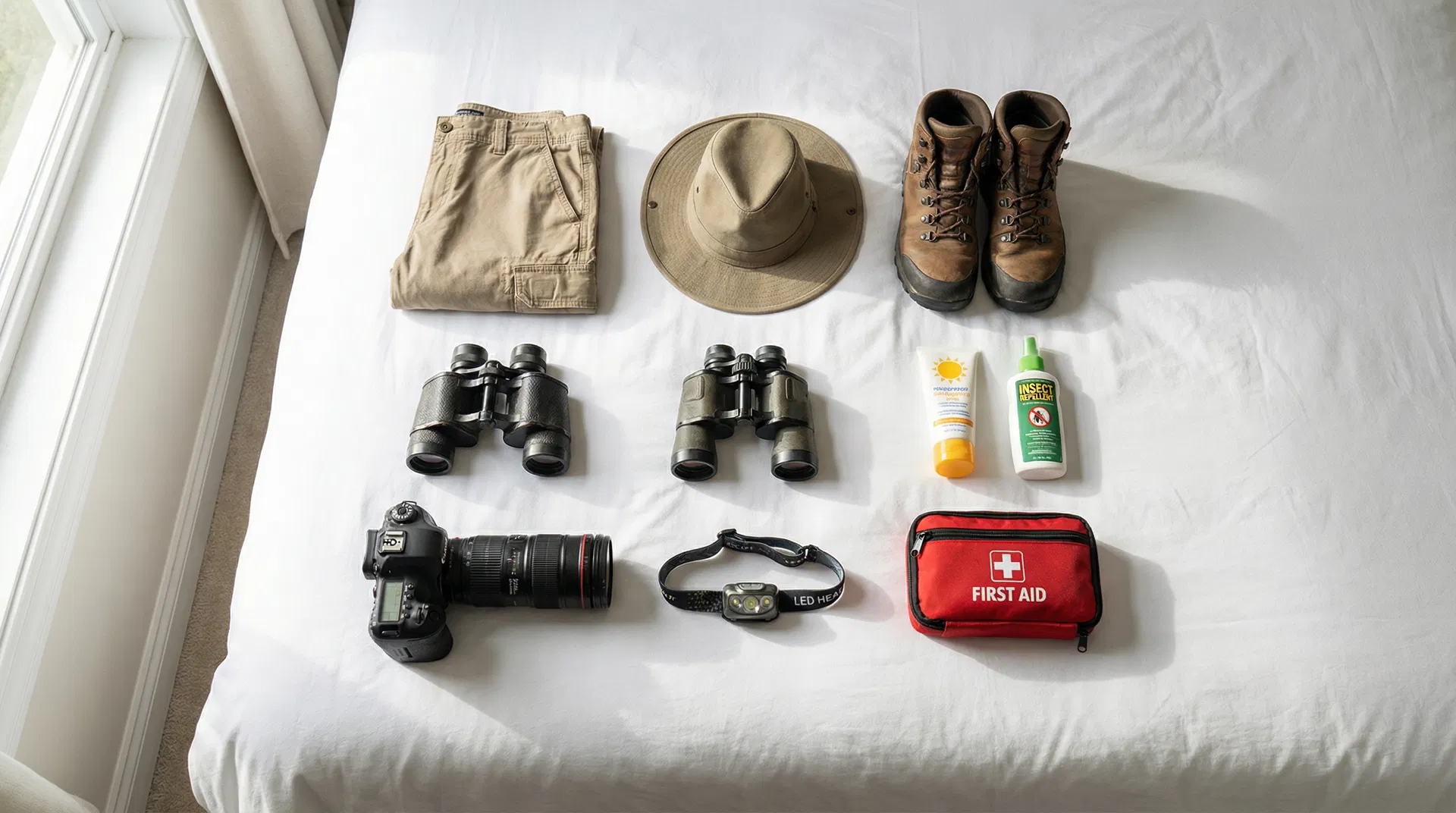 Packing & Preparation
Safari Communication Plan for Families
Learn all about Safari Communication Plan for Families in this comprehensive guide.
7 min read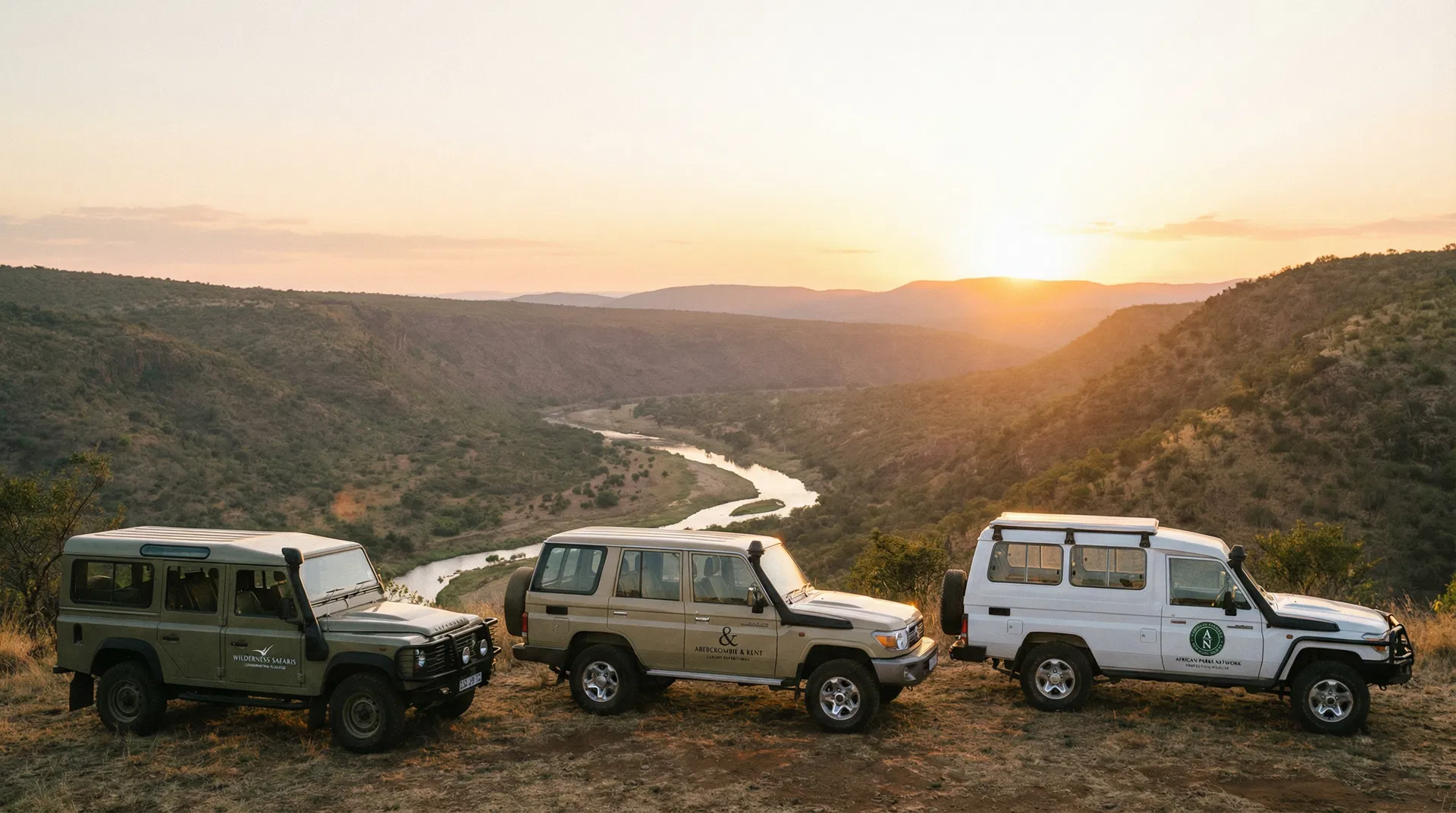 Safari Operator Articles
What Makes a Good Safari Operator
Learn the key qualities to look for in a safari operator to ensure a safe, enjoyable, and memorable African safari experience.
9 min read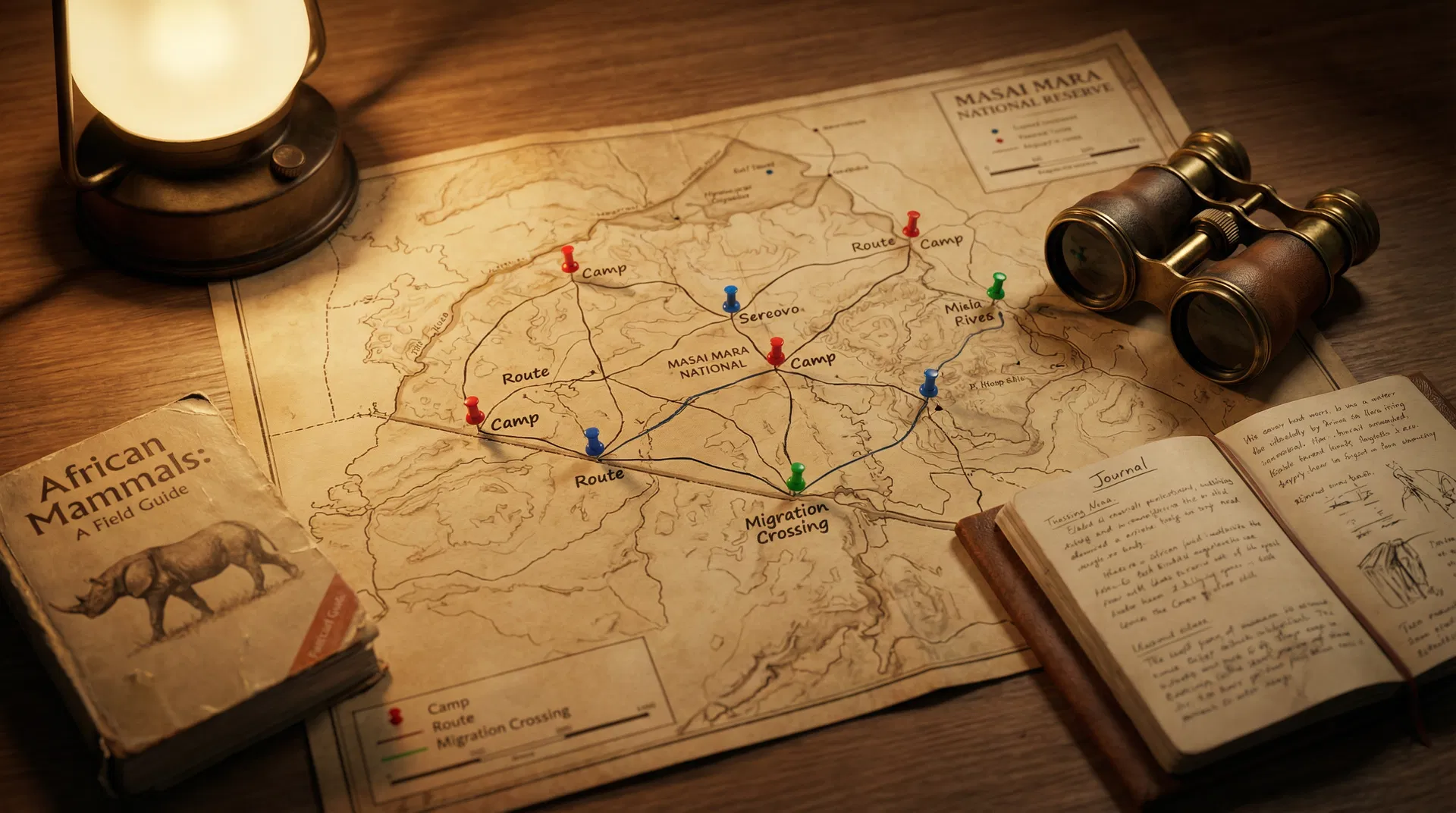 Safari Planning
Step-by-Step Guide to Planning an African Safari
Learn how to plan your first African safari with our step-by-step guide. We cover everything from choosing a destination to booking your trip and packing.
6 min readSafari PlanningPrivate Safari vs Group Safari
Learn the key differences between private and group safaris to decide which is right for you. This guide compares flexibility, cost, and experience.
6 min read