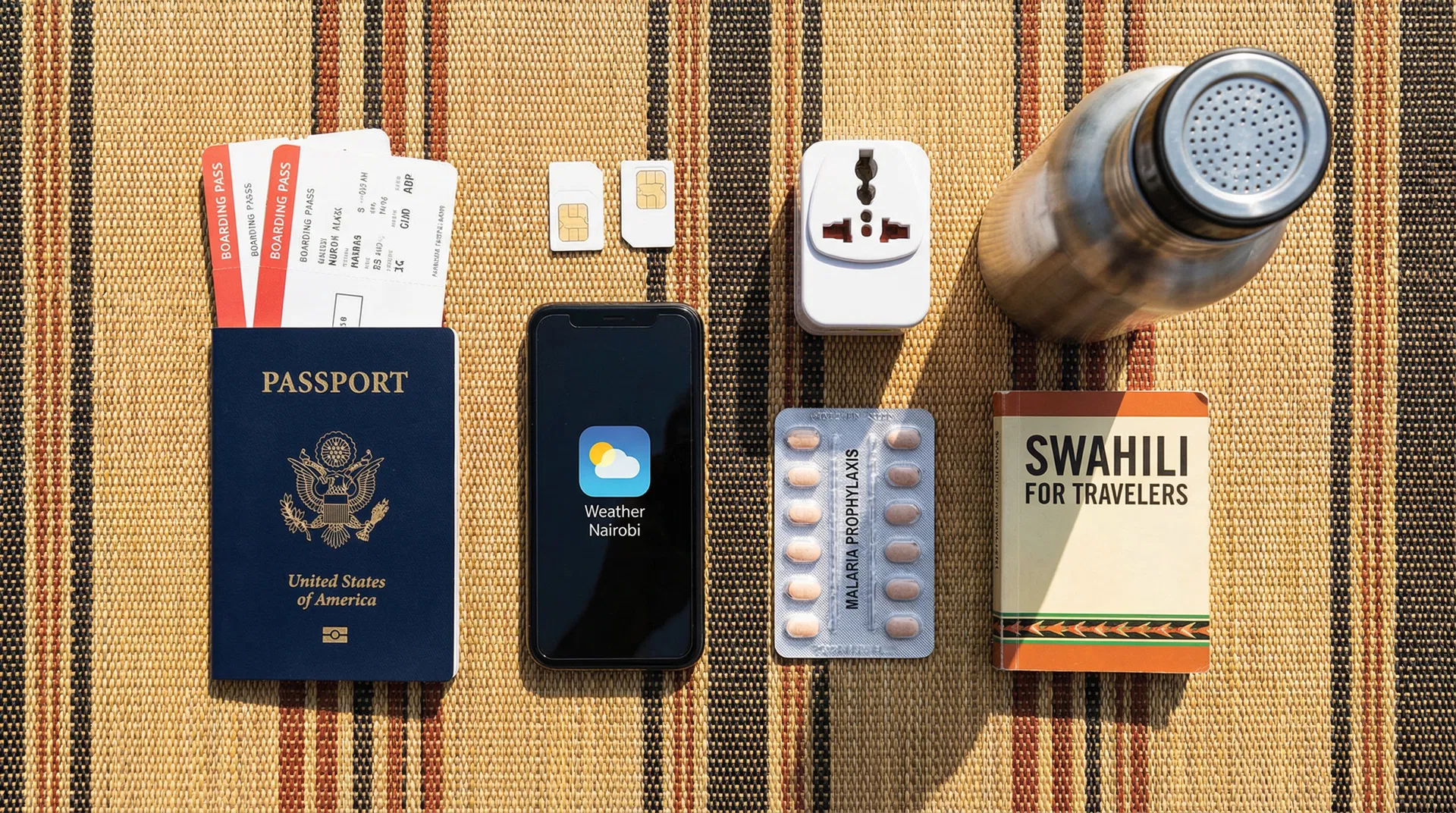
Learn how to arrange seamless safari airport transfers for your African adventure. Our guide covers private transfers, fly-in safaris, and key logistics.
Your African safari adventure officially begins the moment your plane touches down. But between the airport arrivals hall and the vast, wildlife-rich landscapes you've dreamed of lies a critical, often overlooked step: the airport transfer. While it may not be the most glamorous part of your journey, a smooth, well-organized transfer is the foundation of a stress-free safari. It ensures you, your luggage, and your expectations arrive at the right place at the right time, ready for the incredible experiences ahead. This guide will walk you through everything you need to know about arranging seamless safari airport transfers.
What Are Safari Airport Transfers?
At its core, an airport transfer is a pre-arranged transportation service that takes you from the airport to your next destination. In a safari context, this usually means a transfer from a major international airport to your hotel in a gateway city, a smaller domestic airport for a connecting flight, or directly to the national park or conservancy where your safari begins. Unlike hailing a taxi, these transfers are booked in advance and are an integral part of your safari itinerary.
Defining Airport Transfers in a Safari Context
A safari airport transfer is more than just a ride; it's your first official welcome to Africa. The driver is often your first point of contact, a local expert who can answer initial questions and provide a sense of security after a long flight. These transfers are specifically designed for safari travelers, accounting for common routes, luggage requirements, and the need for reliability in regions where public transport may be unpredictable.
Why Pre-Booking is Essential
Upon arriving in a new country, tired from international travel, the last thing you want to do is navigate a chaotic airport taxi line or haggle over prices. Pre-booking your transfer eliminates this uncertainty. Your driver will be waiting for you, often holding a sign with your name, ready to assist with your bags and guide you to a clean, safe, and appropriate vehicle. This is especially crucial when you have a connecting bush flight to catch, where every minute counts.
Types of Airport Transfers on Safari
Depending on your itinerary, budget, and destination, your airport transfer will fall into one of three main categories. Understanding the differences will help you know what to expect.
Shared Shuttle Services
Shared shuttles are a cost-effective option where you travel with other guests who are heading in the same general direction. These are common for transfers between international airports and city hotels. For example, many travelers arriving at Jomo Kenyatta International Airport (NBO) in Nairobi use shared shuttles to reach their hotel before their safari starts. While budget-friendly, be prepared for potential stops along the way to drop off other passengers, which can extend the journey time.
Private Vehicle Transfers
A private transfer is exclusively for you and your travel party. This is the most common and recommended option for safari travelers. It offers flexibility, comfort, and direct travel to your destination without any detours. Whether you're a couple, a family, or a small group, a private vehicle ensures your journey is efficient and personalized. This is the standard for most high-quality safari itineraries, providing a seamless link from the airport to your lodge or the next airstrip.
Fly-In Safari Transfers
For remote safari destinations, a "fly-in" transfer is the only practical option. This involves taking a small bush plane from a domestic airport to an airstrip located inside or near the national park. Upon landing, a guide from your safari lodge will be waiting to meet you in a 4x4 safari vehicle. This final leg of your journey is often your first game drive, as you may spot wildlife on the way to the lodge. This is common in places like Tanzania's Serengeti, Botswana's Okavango Delta, and Zambia's South Luangwa National Park.
Key Logistics to Consider
Properly planning your transfers requires attention to detail. Miscalculating travel time or overlooking luggage restrictions can lead to stressful complications.
Arrival and Departure Times
Provide your exact flight details, including flight numbers and scheduled arrival and departure times, to your safari operator. They will monitor your flight for any delays and adjust the pickup time accordingly. Be mindful of transfer times when booking connecting flights, especially for bush planes, which often have stricter schedules and operate only during daylight hours.
Luggage Limitations
Luggage restrictions are a critical factor, especially for fly-in safaris. Bush planes have strict weight limits, typically 15-20 kg (33-44 lbs) per person, and require soft-sided bags (no hard-shell suitcases) that can be easily stowed. Even for road transfers, ensure your vehicle has adequate space for your party's luggage. Always clarify luggage allowances with your safari advisor beforehand.
Transfer Times and Distances
Africa is a vast continent, and ground transfers can take longer than you might expect due to road conditions and traffic. A seemingly short distance on a map could be a multi-hour journey. For example, the drive from Kilimanjaro International Airport (JRO) to the Ngorongoro Crater can take over three hours. Trust the timings provided by your safari operator, as they are based on local knowledge.
Airport Transfer Scenarios in Popular Safari Countries
How your transfer works depends heavily on your destination. Here are a few common scenarios in major safari hubs.
Kenya: Nairobi (NBO) to Wilson Airport (WIL)
Many safari itineraries in Kenya involve a flight from the domestic Wilson Airport (WIL). The transfer from Jomo Kenyatta International Airport (NBO) to Wilson can take anywhere from 45 minutes to two hours, depending on Nairobi's infamous traffic. A private, pre-booked transfer is essential to ensure you make this connection comfortably.
Tanzania: Kilimanjaro (JRO) to Arusha
Arusha is the gateway to Tanzania's northern safari circuit, including the Serengeti and Ngorongoro Crater. The transfer from Kilimanjaro International Airport (JRO) to a hotel in Arusha typically takes about 60-90 minutes. This is almost always a pre-arranged private transfer that marks the start of your safari adventure.
Uganda: Entebbe (EBB) to Kampala or Kasese
Travelers arriving at Entebbe International Airport (EBB) for a gorilla trekking safari will often transfer to a hotel in Entebbe or Kampala for the night. From there, they may take a domestic flight from EBB or Kajjansi Airfield to an airstrip like Kasese or Kihihi to reach Bwindi Impenetrable Forest, significantly cutting down on what would be a long day of driving.
South Africa: Johannesburg (JNB) to Kruger National Park
For safaris in the Kruger region, you have two main options from O.R. Tambo International Airport (JNB) in Johannesburg. You can take a 5-6 hour road transfer directly to your lodge in a private vehicle. Alternatively, you can take a short flight from JNB to a regional airport like Skukuza (SZK) or Hoedspruit (HDS), where your lodge's guide will meet you for a shorter final road transfer.
How to Arrange Your Safari Airport Transfers
Booking your transfers should be a straightforward process when handled correctly. Here are the best ways to do it.
Through Your Safari Operator or Advisor
The most reliable and hassle-free way to arrange transfers is through your trusted safari operator or advisor. They have established relationships with reputable local transport providers and will integrate all transfers seamlessly into your itinerary. This ensures every leg of your journey is accounted for, from your international arrival to your final departure.
Direct Booking with Transfer Companies
While it's possible to book directly with transfer companies in some cities, it adds a layer of complexity and risk. You become responsible for coordinating timings, confirming details, and handling any issues that may arise. For the peace of mind that is so crucial to a successful safari, booking as part of a comprehensive package is highly recommended.
What to Confirm Before You Travel
Before you depart, ensure you have clear documentation for each transfer. This should include the name of the transfer company, a local contact number, the designated meeting point at the airport, and the price (if not already included in your safari package). Having this information printed or saved offline provides an essential backup.
In conclusion, well-planned airport transfers are the unsung heroes of a successful safari. By understanding the different types, planning for the logistics, and arranging them through a trusted source, you ensure your African journey starts and ends on a positive, organized, and relaxing note. This allows you to focus your energy not on the stress of travel, but on the incredible wildlife and landscapes that await you.
Explore Related Topics
Recommended Reading
 Travel Logistics
Safari Airport Transfer Options Explained
Learn about safari airport transfer options explained and how it can impact your safari experience. Get expert advice and start planning your dream safari today.
8 min read Safari Cost Guides
Safari Transfer Costs Explained
Planning a safari? Learn about safari transfer costs explained. Get expert advice and insights from Safari Intelligence to plan your perfect trip.
8 min readTravel LogisticsSafari Road Transfer Safety Tips
Learn about safari road transfer safety tips and how it can impact your safari experience. Get expert advice and start planning your dream safari today.
8 min read Luxury Safari Content
Luxury Safari Hot Air Balloon Experiences
A comprehensive guide to Luxury Safari Hot Air Balloon Experiences. Learn everything you need to know for your safari adventure.
3 min read Safari Planning
Step-by-Step Guide to Planning an African Safari
Learn how to plan your first African safari with our step-by-step guide. We cover everything from choosing a destination to booking your trip and packing.
6 min readSafari PlanningChoosing the Right African Safari Destination
Planning an African safari? Our guide helps you choose the right destination by breaking down key factors like wildlife, budget, travel style, and top countries.
8 min read