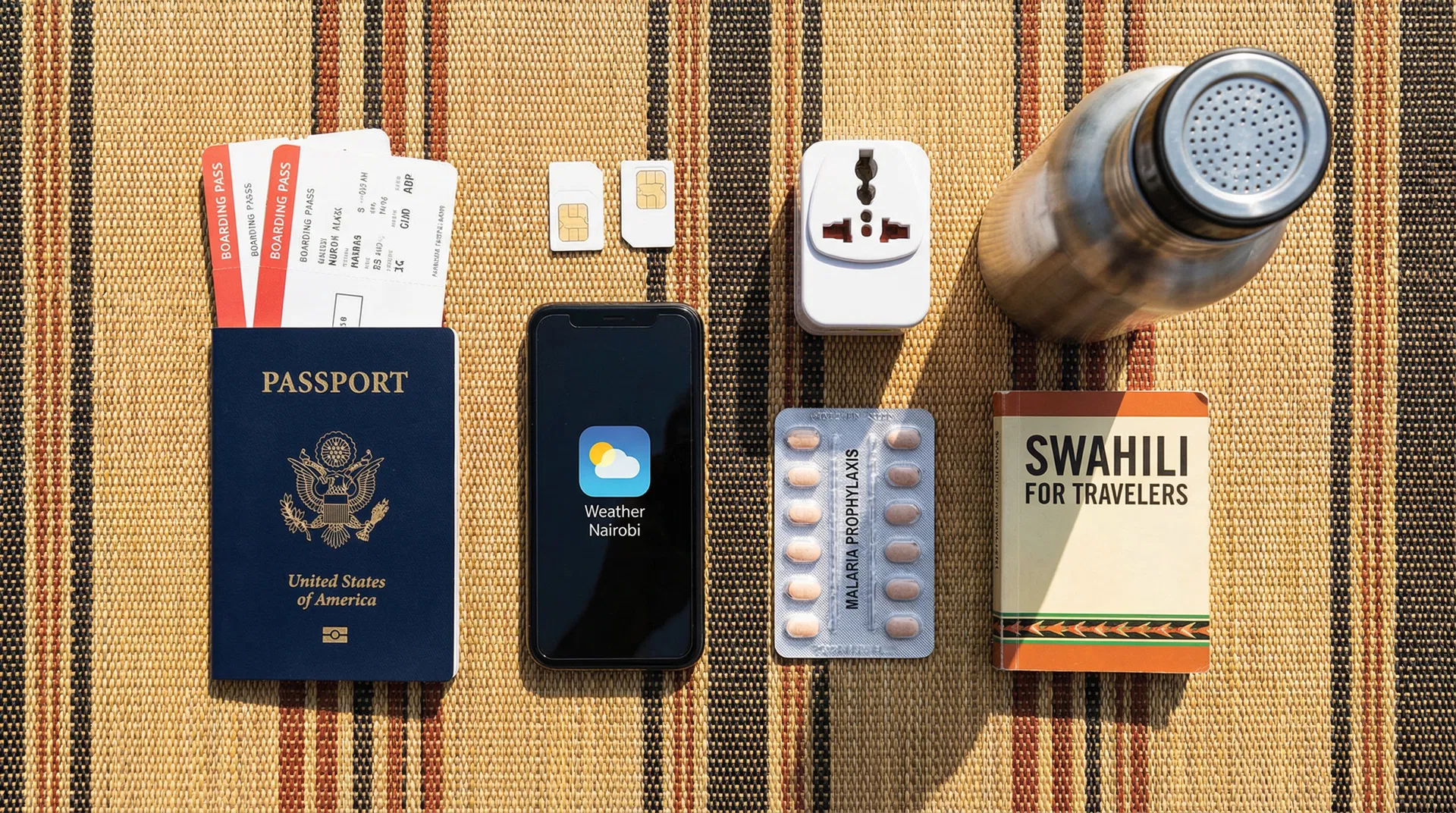
Confused about tipping on safari? Our guide explains everything you need to know, from how much to tip guides and staff to cultural etiquette.
Tipping is a sensitive yet important part of any safari experience. While it is a discretionary gesture, it is also a deeply ingrained custom in the African safari industry and a vital source of income for the guides, trackers, and camp staff who work tirelessly to make your trip unforgettable. Understanding how, when, and how much to tip can feel confusing, but it doesn't have to be. This guide will demystify the tipping process, providing clear guidelines and practical advice to help you navigate this aspect of your safari with confidence and ease.
Why is Tipping Customary on Safari?
Tipping on safari is more than just a reward for good service; it is a fundamental part of the local tourism economy. In many African countries, wages for service industry workers, including those in the safari sector, are often modest. Tips provide a significant and direct supplement to their income, supporting them and their families. Furthermore, it serves as a direct acknowledgment of the hard work, skill, and dedication required to deliver an exceptional safari experience. From the expert tracker who finds a leopard hidden in a tree to the camp chef who prepares delicious meals in a remote location, your tip is a personal thank you for their efforts.
The Cultural Context of Tipping
In many African cultures, expressing gratitude through a gift or gesture is a common practice. Tipping has become the modern equivalent of this tradition within the tourism industry. It is a way to show appreciation and build a positive relationship between guests and the staff who host them. It is not seen as a handout but as a respected and appreciated gesture of thanks for a job well done.
The Economic Impact of Your Tip
Your tips have a far-reaching economic impact. They not only support the individual staff member but also flow into the local community. Many safari workers are the primary breadwinners for their extended families, and your generosity helps to pay for school fees, healthcare, and daily living expenses. By tipping, you are contributing directly to the local economy and the livelihoods of the people who make your safari possible.
General Tipping Guidelines
While tipping customs can vary slightly between countries and even between safari lodges, there are some general principles that apply across the board. The following guidelines provide a solid framework for tipping on safari, but always be sure to check for any specific recommendations provided by your safari operator or lodge.
Tipping in US Dollars vs. Local Currency
US dollars are widely accepted for tips in most major safari destinations, particularly in East and Southern Africa. It is often the preferred currency as it holds its value and is easily exchanged. However, tipping in the local currency is also perfectly acceptable. If you choose to tip in local currency, ensure you have a good understanding of the exchange rate to provide an appropriate amount. It is advisable to carry a mix of small and large bills to make tipping easier.
Communal Tipping vs. Individual Tipping
Many safari lodges and camps have a communal tipping system, often referred to as a "staff box" or "tip box." This is a central collection point for tips, which are then distributed among all the general staff, including the housekeeping, kitchen, and maintenance teams. This system ensures that even the behind-the-scenes staff, who you may not interact with directly, are recognized for their contribution. Your guide and tracker, however, are usually tipped separately and directly.
When to Tip
It is customary to tip your guide and tracker at the end of your stay at a particular lodge or at the very end of your safari if they have been with you for the entire journey. For the general camp staff, you can leave your contribution in the communal tipping box when you check out. If you are staying at multiple lodges, you will repeat this process at each location.
Planning a safari?
Start the Safari Planning System →Who and How Much to Tip
Knowing who to tip and how much can be one of the most stressful parts of the process. The following is a breakdown of the typical tipping amounts for different staff members. These are suggestions, and you should always feel free to adjust the amount based on the quality of service you received.
Safari Guides and Trackers
Your safari guide is the single most important person for the success of your safari. They are your window into the African bush, and a great guide can transform a good trip into an extraordinary one. Trackers, who often accompany guides in Southern Africa, are masters at finding wildlife. As such, it is customary to tip them more generously.
- Safari Guide: $15 - $25 per guest, per day.
- Tracker: $10 - $15 per guest, per day.
General Camp Staff
The general camp staff includes everyone from the chefs and waiters to the housekeepers and security guards. Their hard work ensures that your stay is comfortable and seamless. For the general staff, it is recommended to contribute to the communal tipping box.
- General Staff (communal box): $15 - $20 per guest, per day.
Other Staff
You may encounter other staff members during your safari who also appreciate a small tip for their services.
- Transfer Drivers: $5 - $10 per transfer.
- Porters: $1 - $2 per bag.
- City Hotel Staff: Tip according to standard hotel practices in that country.
How to Prepare for Tipping
A little preparation can make the tipping process smooth and stress-free. It is a good idea to plan for tipping before you even leave home. Calculate a rough estimate of how much you will need for tips based on the length of your safari and the guidelines above. It is always better to have a little extra on hand.
Carrying Cash
While some lodges may allow you to add a tip to your credit card, this is not always the case, and a portion of the tip may be deducted for processing fees. Cash is always the preferred method for tipping. Bring a sufficient amount of US dollars in a mix of denominations. It is a good idea to keep your tipping money separate from your personal spending money.
Using Envelopes
Many lodges provide envelopes for tipping, but it is a good idea to bring your own as a backup. This allows you to present your tips in a discreet and organized manner. You can prepare the envelopes in advance with the names of the recipients (e.g., "For Our Guide," "For Our Tracker," "For the Staff").
What If Service is Not Up to Standard?
While the vast majority of safari staff are incredibly professional and dedicated, there may be rare occasions when the service does not meet your expectations. In such situations, it is important to address the issue directly and constructively. Tipping is discretionary, and you are not obligated to tip for poor service. However, before you decide to withhold a tip, it is best to speak with the camp manager. This gives them the opportunity to address the problem and make amends. A conversation is often more effective than simply not leaving a tip, as it provides valuable feedback for the lodge.
Conclusion
Tipping on safari is a way to show your appreciation for the incredible effort that goes into making your African adventure a reality. By understanding the customs and preparing in advance, you can handle this aspect of your trip with grace and confidence. Your generosity not only rewards excellent service but also makes a meaningful contribution to the lives of the people you meet along the way, ensuring that the magic of the safari experience can be shared for years to come.
Explore Related Topics
Recommended Reading
 Country Guides
South Africa Safari Tipping Guide
A comprehensive guide to South Africa Safari Tipping Guide. Learn everything you need to know for your next safari adventure.
6 min readCountry GuidesTanzania Safari Tipping Guide
A comprehensive guide to Tanzania Safari Tipping Guide. Learn everything you need to know for your next safari adventure.
5 min readCountry GuidesKenya Safari Tipping Guide
A comprehensive guide to Kenya Safari Tipping Guide. Learn everything you need to know for your next safari adventure.
5 min read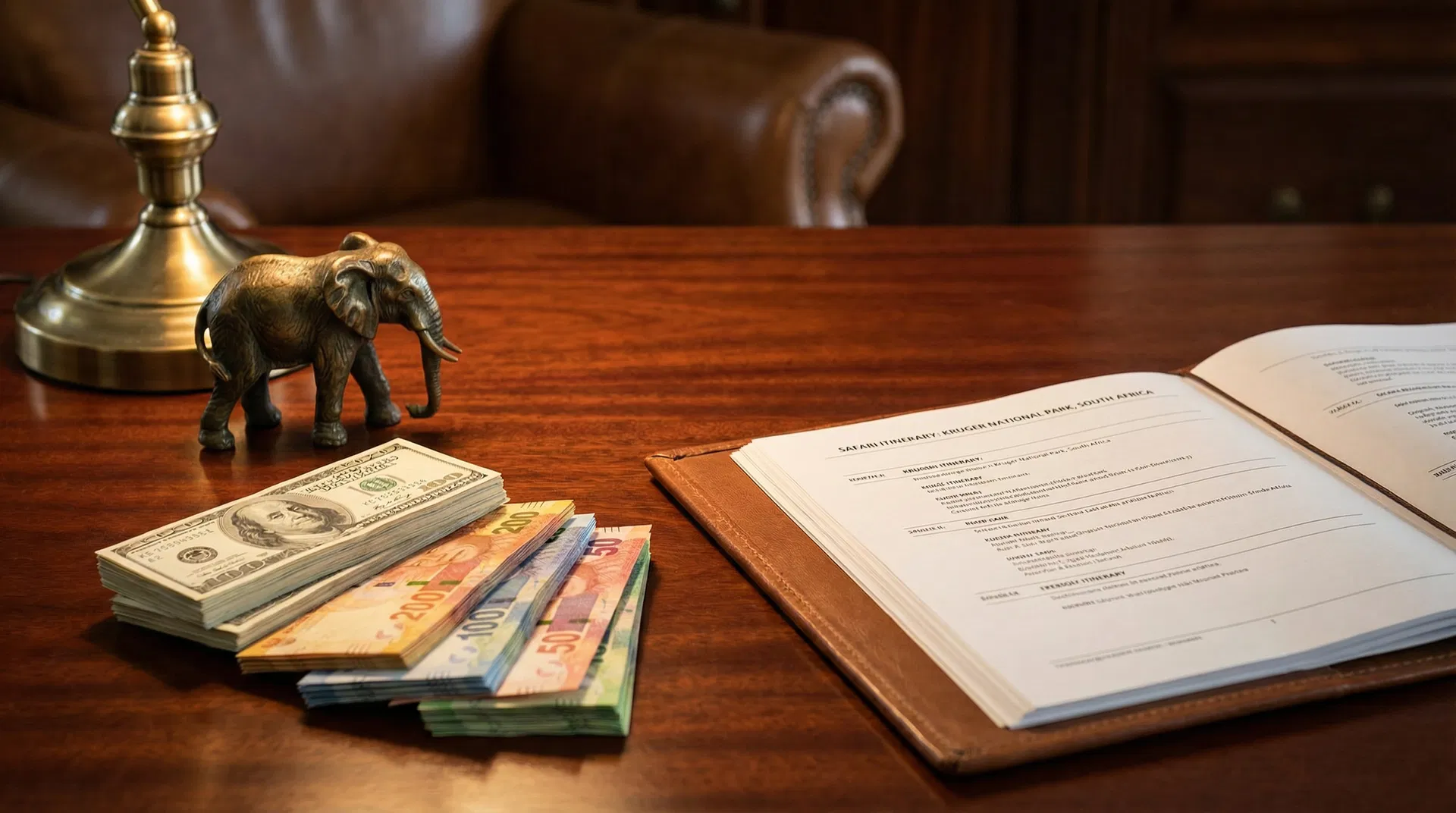 Safari Cost Guides
Safari Tip Amounts by Country
Planning a safari? Learn about safari tip amounts by country. Get expert advice and insights from Safari Intelligence to plan your perfect trip.
8 min read Travel Logistics
Safari Tipping and Gratuity Guide
Tipping on safari can be confusing. Our guide to tipping and gratuity will help you know who to tip, how much to tip, and when to tip.
7 min read Luxury Safari Content
Luxury Safari Tipping Guide
Discover the essentials of luxury safari tipping guide for an unforgettable African safari adventure.
8 min read