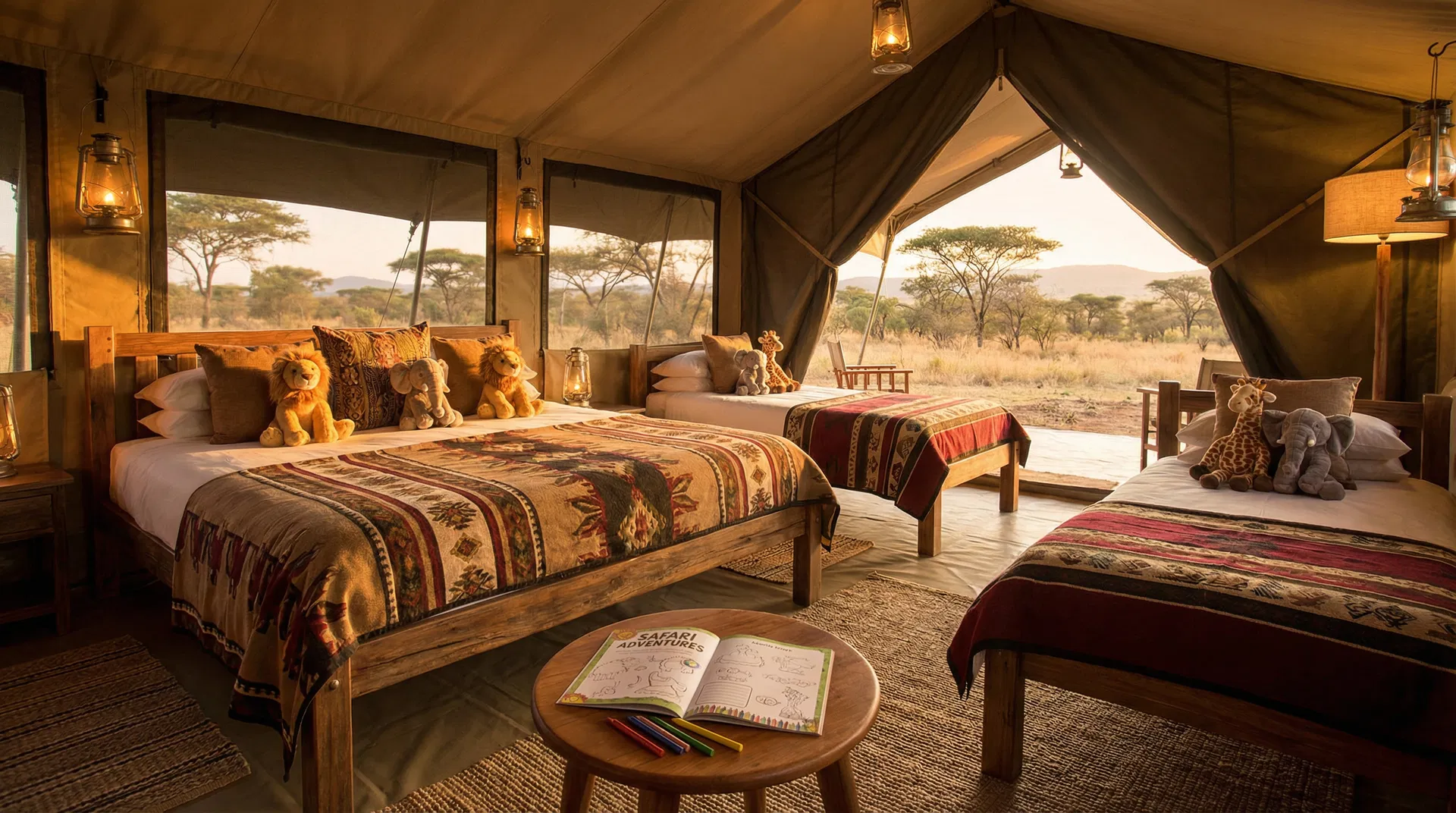
Transform your African safari into a profound learning experience. Our guide to educational safaris covers conservation, culture, and responsible travel.
# Educational Safari Experiences
An African safari is often seen as a bucket-list adventure, a chance to witness incredible wildlife in its natural habitat. But what if your journey could be more than just a sightseeing trip? What if it could be a profound learning experience, a deep dive into the complexities of conservation, culture, and the delicate ecosystems of the African bush? This is the promise of an educational safari—a transformative journey that goes beyond the traditional game drive to offer a richer, more meaningful connection with the continent.
What is an Educational Safari?
An educational safari is an immersive travel experience designed to provide a deeper understanding of Africa's wildlife, ecosystems, and local cultures. Unlike a standard safari, which might focus primarily on wildlife viewing, an educational safari integrates learning opportunities into every aspect of the journey. This could involve anything from participating in conservation projects and learning from wildlife researchers to engaging with local communities and understanding the challenges they face.
The goal is to move beyond passive observation and actively engage with the environment and its people. You'll not only see the "Big Five" but also understand their behavior, their role in the ecosystem, and the conservation efforts required to protect them. You'll learn about the intricate relationships between flora and fauna, the challenges of human-wildlife conflict, and the importance of sustainable tourism in preserving Africa's natural heritage for future generations.
Beyond the Game Drive: What to Expect
On an educational safari, your days are filled with more than just driving around in a 4x4 vehicle. You might find yourself on a guided bush walk, learning to identify animal tracks and medicinal plants. You could spend an afternoon with a conservation team, tracking a collared lion or helping to monitor a rhino population. Or you might visit a local village, learn about traditional customs, and see firsthand how community-based tourism initiatives are making a difference.
These experiences are led by expert guides, researchers, and community leaders who are passionate about sharing their knowledge. They provide context and depth to what you're seeing, transforming your safari from a simple holiday into a journey of discovery.
Conservation-Focused Safaris: Learning in Action
A key component of many educational safaris is a focus on conservation. With many of Africa's iconic species facing threats from poaching, habitat loss, and climate change, conservation has never been more important. A conservation-focused safari allows you to contribute to these efforts directly, providing a hands-on learning experience that is both rewarding and impactful.
Participating in Real Conservation Work
Imagine helping a team of researchers track a herd of elephants, collecting data that will be used to protect them. Or spending a day with an anti-poaching unit, learning about the challenges they face and the strategies they use to protect wildlife. These are the kinds of experiences that a conservation-focused safari can offer.
In countries like South Africa, you can participate in rhino notching and monitoring programs, a critical part of the effort to save this endangered species. In Kenya, you can visit the Sheldrick Wildlife Trust and learn about their work rescuing and rehabilitating orphaned elephants. And in Botswana, you can join a research team studying the behavior of wild dogs, one of Africa's most endangered carnivores.
Supporting Sustainable Tourism
By choosing a conservation-focused safari, you are also supporting a more sustainable model of tourism. The revenue generated from these safaris helps to fund vital conservation projects, support local communities, and protect fragile ecosystems. You become a partner in conservation, and your journey has a positive impact that lasts long after you've returned home.
Cultural & Community Immersion: A Deeper Connection
An educational safari is not just about wildlife; it's also about people. Africa is a continent of incredible cultural diversity, and an educational safari provides a unique opportunity to connect with local communities and learn about their traditions, beliefs, and way of life.
Engaging with Local Communities
This is not about a staged "cultural village" experience. It's about genuine, respectful engagement with local people. You might spend an afternoon with a Maasai elder in Kenya, learning about the tribe's ancient traditions and their relationship with the land. Or you could visit a local school in Uganda, meet the children, and learn about the challenges and opportunities of education in rural Africa.
In Namibia, you can stay in a community-run conservancy, where the local people are the stewards of the land and its wildlife. This provides a unique insight into the relationship between communities and conservation, and how tourism can be a powerful tool for sustainable development.
The Human Element of Conservation
Understanding the human side of conservation is crucial. Many of the challenges facing Africa's wildlife are linked to poverty, lack of education, and limited economic opportunities. By engaging with local communities, you can gain a deeper appreciation for these complexities and see how community-based conservation initiatives are creating a more sustainable future for both people and wildlife.
Behind the Scenes: The Science of Safari
For those with a passion for science and research, an educational safari can offer a fascinating look "behind the scenes" of wildlife management and conservation. This is an opportunity to learn from the experts and gain a deeper understanding of the science that underpins modern conservation efforts.
Learning from Researchers and Experts
Imagine having a primatologist guide you on a gorilla trek in Rwanda, explaining the complex social dynamics of a gorilla family. Or a botanist leading you on a walk through the Serengeti, pointing out the unique adaptations of the local flora. These are the kinds of experts you'll meet on an educational safari.
Many lodges and safari operators have resident ecologists, researchers, and conservationists who are actively involved in projects on the ground. They often give talks, lead guided walks, and are available to answer your questions, providing a level of insight that you won't find on a standard safari.
Understanding Ecosystem Dynamics
An educational safari will also teach you about the broader ecosystem and the intricate web of life that supports the animals you see. You'll learn about the importance of keystone species, the impact of climate change on the savanna, and the delicate balance between predators and prey. This deeper understanding of ecology will transform the way you see the African bush, turning it from a beautiful landscape into a complex and fascinating living system.
Choosing Your Educational Safari
With a growing number of safari operators offering educational experiences, it's important to choose a provider that is genuinely committed to education, conservation, and responsible tourism. Here are a few things to look for:
- Expert Guides: Look for operators that employ highly qualified and experienced guides, including specialists in fields like ornithology, botany, and animal behavior.
- Conservation Partnerships: Choose a company that has strong partnerships with reputable conservation organizations and community-based projects.
- Small Group Sizes: Smaller groups allow for a more intimate and personalized experience, with more opportunities for one-on-one interaction with guides and experts.
- Authentic Experiences: Avoid operators that offer staged or inauthentic cultural encounters. Look for genuine, respectful engagement with local communities.
An educational safari is an investment in a deeper, more meaningful travel experience. It's a chance to learn, to grow, and to make a positive impact on the places you visit. It's a journey that will stay with you long after you've returned home, leaving you with a newfound appreciation for the wonders of the African continent.
Explore Related Topics
Recommended Reading
 Luxury Safari Content
Luxury Safari Cultural Immersion Experiences
A comprehensive guide to Luxury Safari Cultural Immersion Experiences. Learn everything you need to know for your safari adventure.
3 min read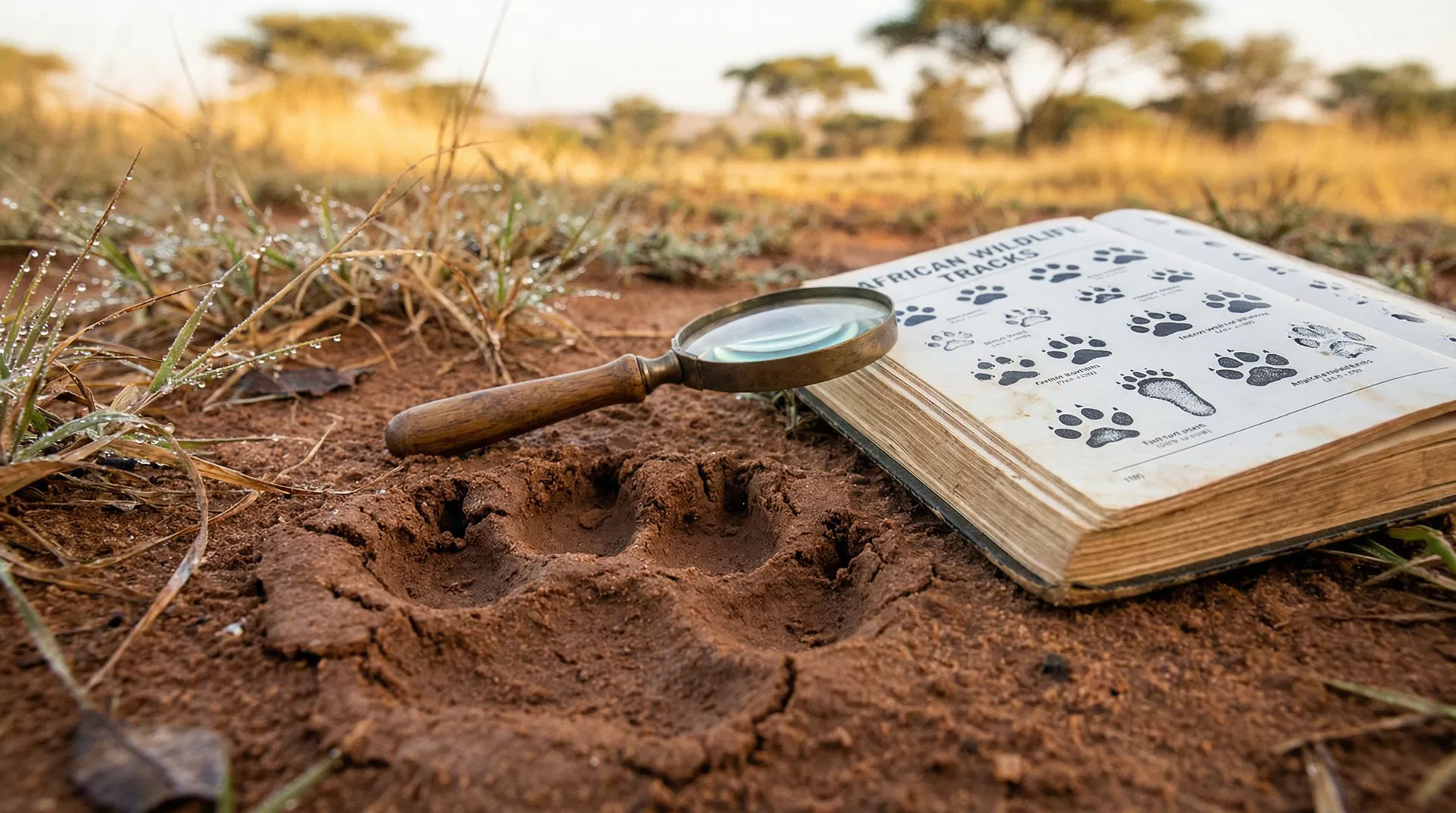 Expert Safari Knowledge
Cultural Experiences on Safari
Go beyond the wildlife. Learn how to plan a safari that includes authentic cultural encounters with local communities for a more meaningful journey.
6 min read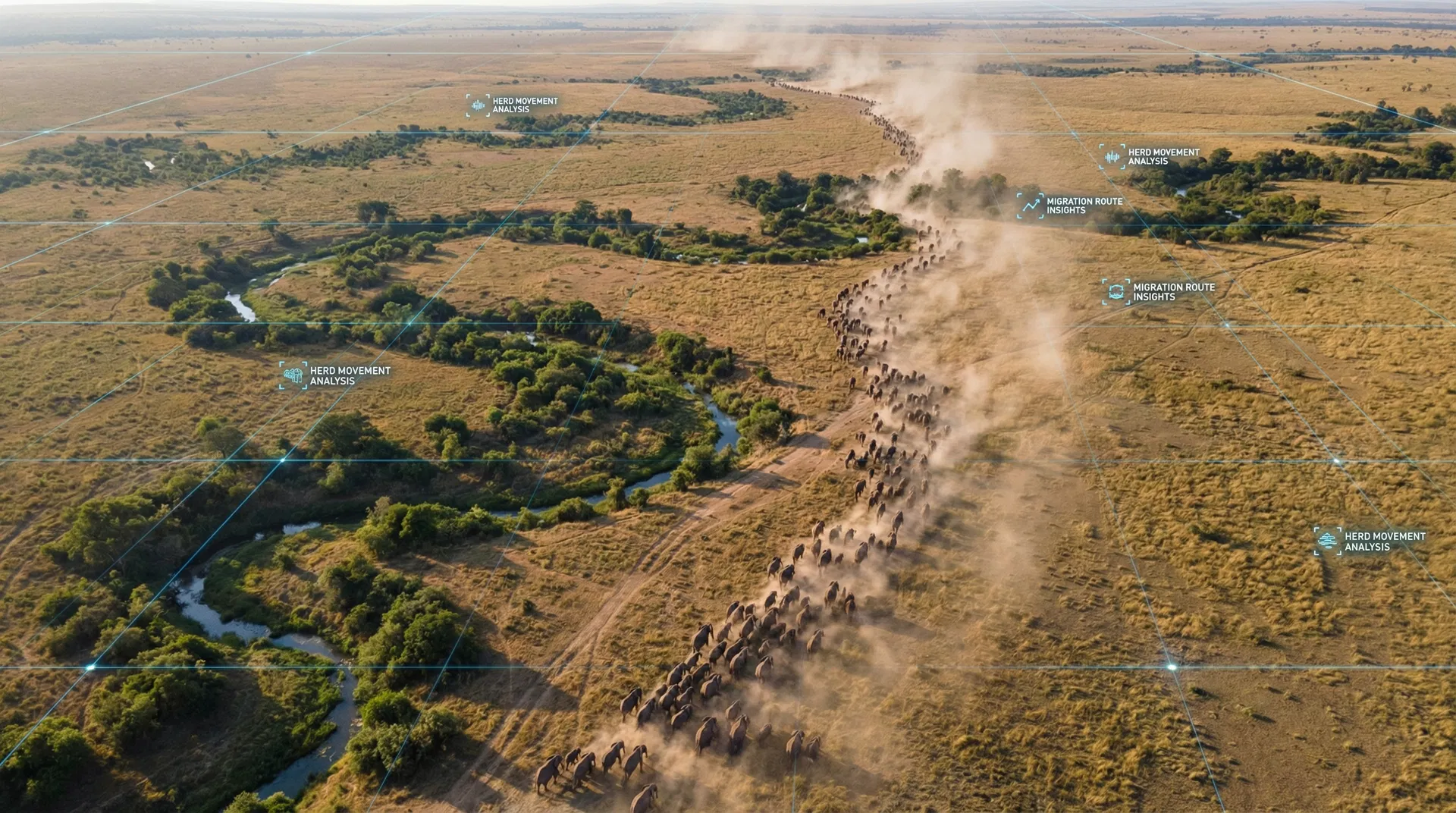 Safari Intelligence Insights
Safari Guest Experience Design
Discover the art of safari guest experience design. Learn how expert advisors craft seamless, personalized journeys by understanding travelers and balancing pace.
7 min read Safari Planning Guides
How to Plan a Safari With Cultural Experiences
Discover how to plan your dream safari with our expert guide on How to Plan a Safari With Cultural Experiences. Get tips on destinations, costs, and more.
8 min readLuxury Safari ContentLuxury Safari Private Guide Experiences
A comprehensive guide to Luxury Safari Private Guide Experiences. Learn everything you need to know for your safari adventure.
3 min readLuxury Safari ContentLuxury Safari Private Vehicle Experiences
A comprehensive guide to Luxury Safari Private Vehicle Experiences. Learn everything you need to know for your safari adventure.
3 min read