Destination Overview
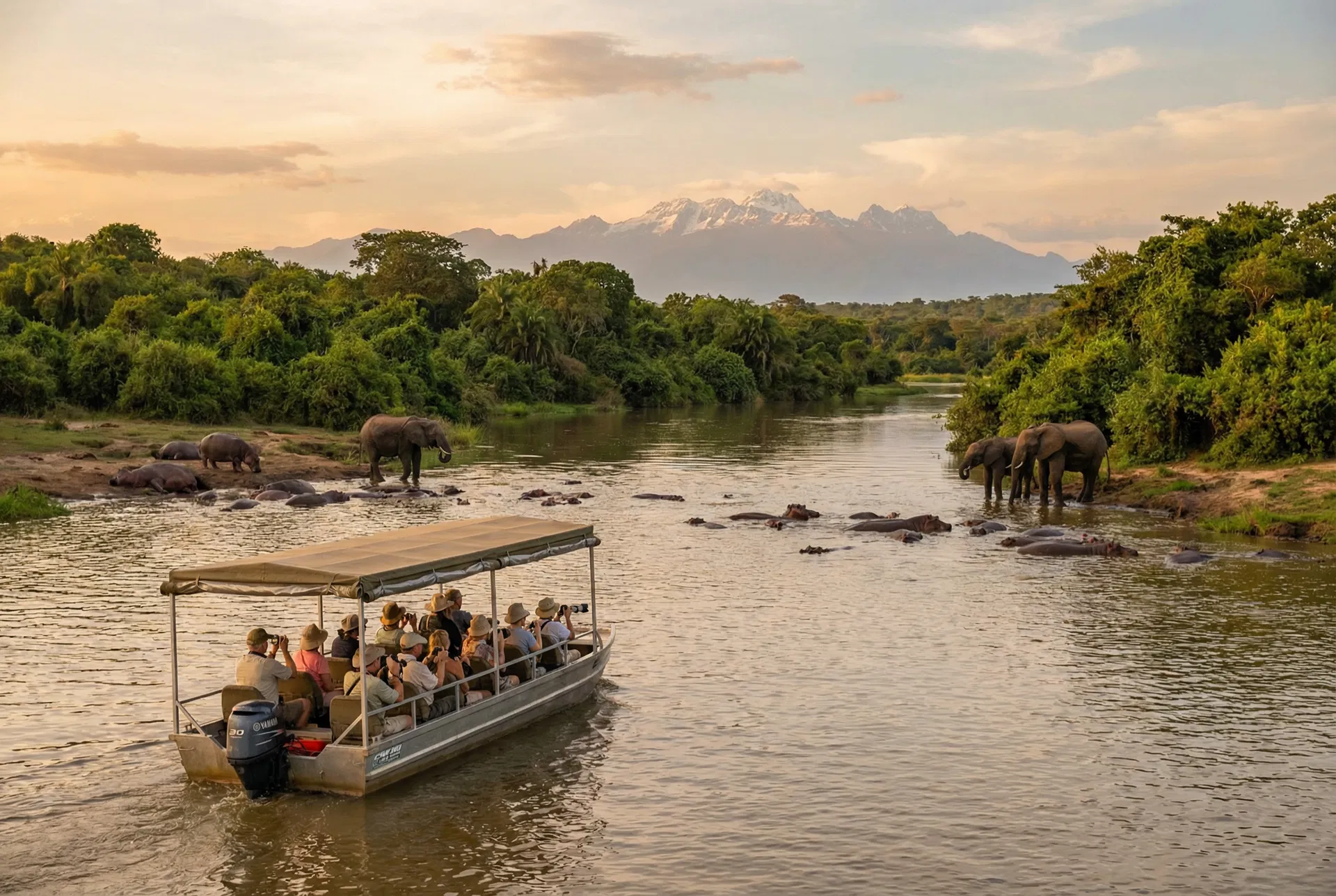
Queen Elizabeth National Park is Uganda's most popular and biodiverse savanna park, renowned for its classic African safari experiences and stunning landscapes. Located in the western part of Uganda, the park is a place of remarkable variety, encompassing sprawling savannas, shady, humid forests, sparkling lakes, and fertile wetlands. This diversity of habitats means a porfusion of wildlife, including the famous tree-climbing lions of the Ishasha sector, large herds of elephants and buffalo, and the Kazinga Channel, which is packed with hippos and crocodiles. The park is also a birdwatcher's paradise, with over 600 species recorded.
Wildlife Highlights
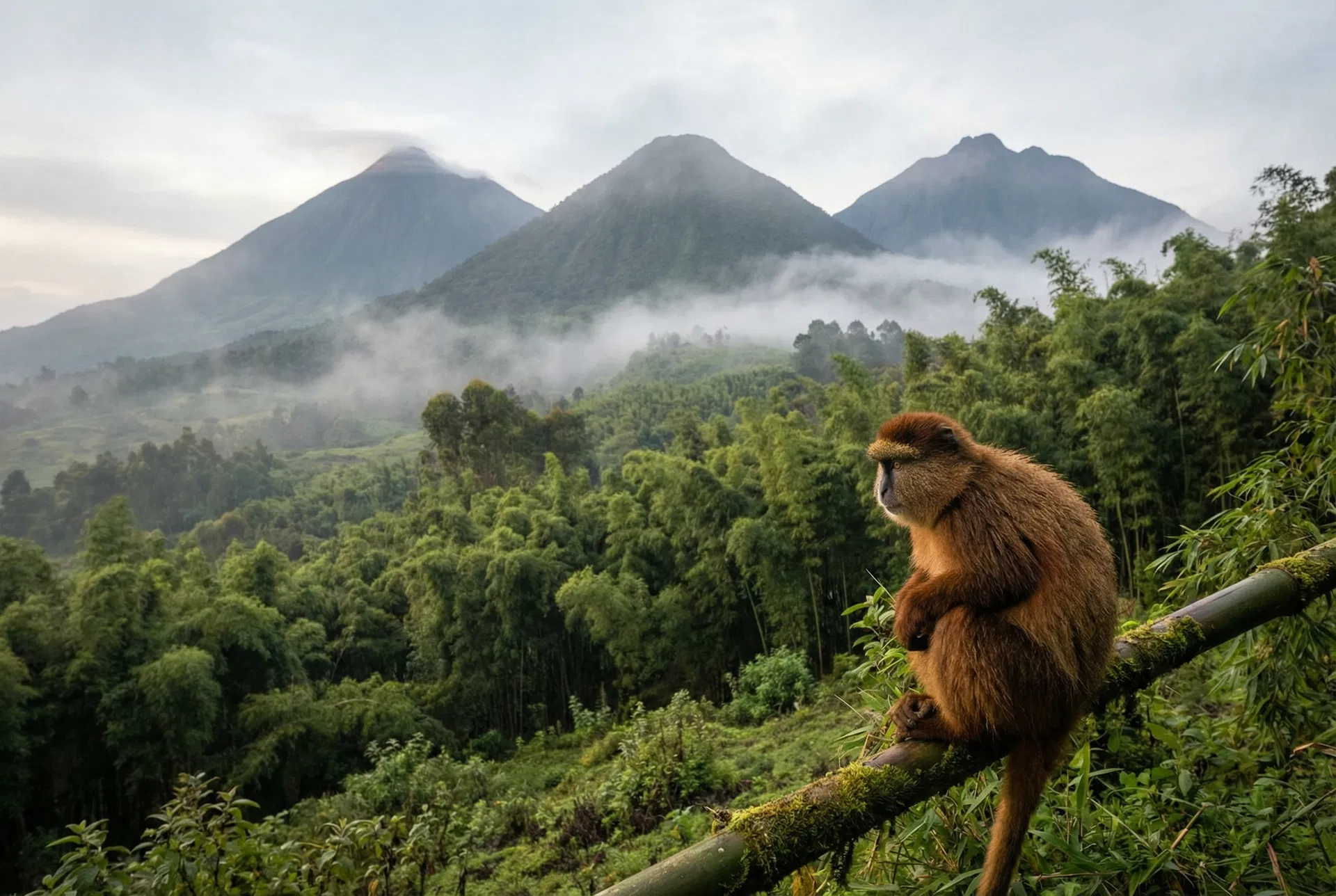
Queen Elizabeth National Park is home to an impressive 95 mammal species. The park's most famous residents are the tree-climbing lions found in the southern Ishasha sector, a rare behavior not commonly seen in other lion populations. In addition to these unique big cats, the park provides excellent opportunities to see large herds of African bush elephants and Cape buffalo. The Kazinga Channel, a natural waterway connecting Lake Edward and Lake George, is a haven for one of the world's largest concentrations of hippos, as well as numerous Nile crocodiles that bask on its banks. Other commonly sighted wildlife includes the Uganda kob, a species of antelope, as well as waterbuck, warthog, and the elusive giant forest hog. The park's primate population includes chimpanzees, which can be tracked in the Kyambura Gorge, and several species of monkeys. Leopards and spotted hyenas are also present, though more elusive.
Best Time to Visit
Queen Elizabeth National Park can be visited year-round, but the best time for wildlife viewing is during the dry seasons, which run from June to September and from January to February. During these months, the vegetation is less dense, and animals congregate around water sources, making them easier to spot. The weather is generally pleasant, with sunny days and comfortable temperatures. The wet seasons, from March to May and from October to December, bring heavier rains, which can make some roads in the park challenging to navigate. However, the rainy season is the best time for birdwatching, as migratory birds are present, and the landscape is lush and green. It is also a good time for chimpanzee trekking in the Kyambura Gorge, as the chimps are more active and easier to find when there is an abundance of fruit.
Safari Experience
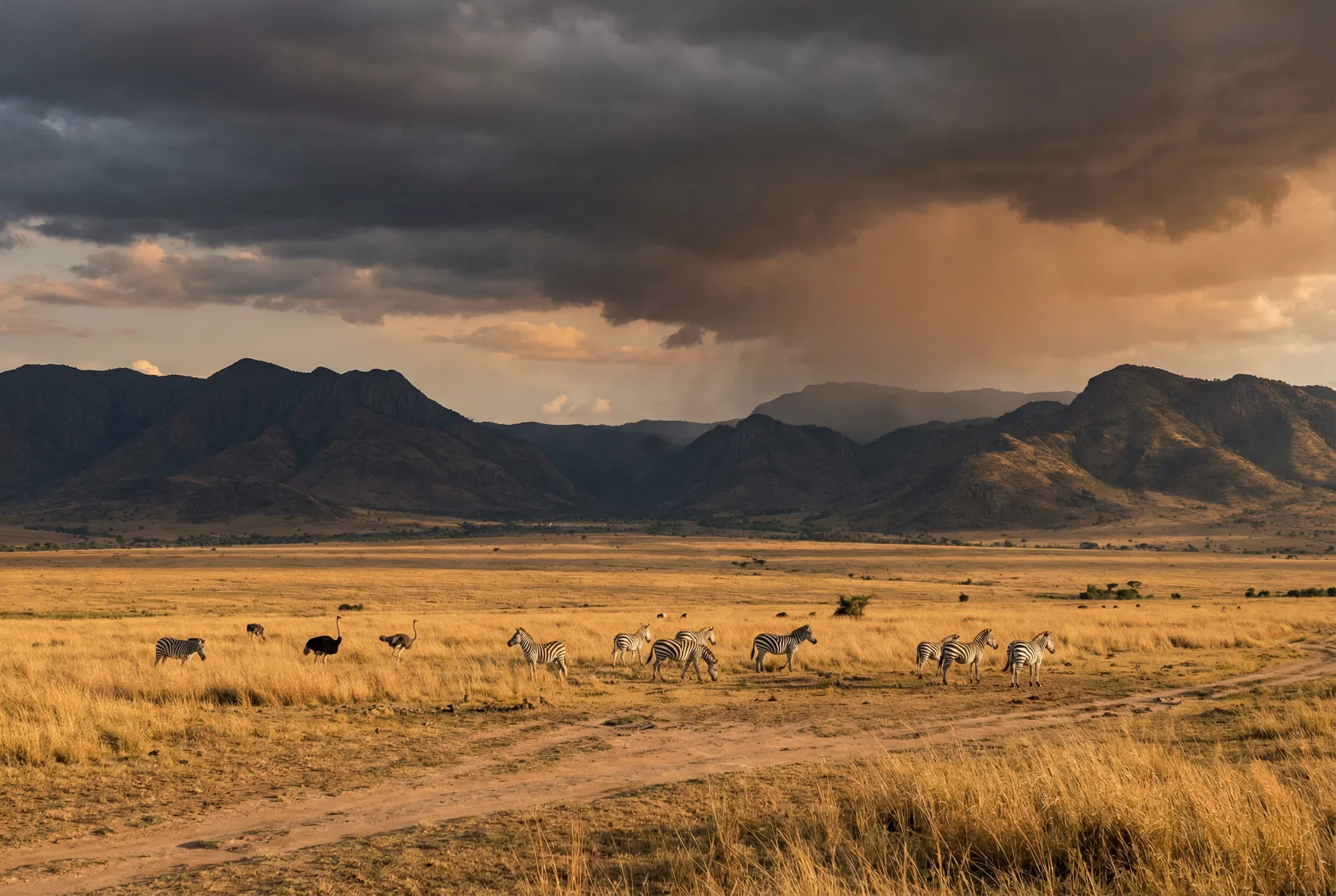
The safari experience in Queen Elizabeth National Park is exceptionally diverse, offering a blend of classic savanna game drives, boat safaris, and primate encounters. Game drives in the Kasenyi Plains are a highlight, offering wide-open grasslands teeming with Uganda kob, buffalo, and elephants, as well as the lions that prey on them. The Ishasha sector in the south offers a unique game viewing experience, with the chance to spot the famous tree-climbing lions lounging in the branches of large fig trees. A boat safari on the Kazinga Channel is a must-do activity, providing a different perspective on the park's wildlife. The channel is a magnet for animals, and from the boat, you can get incredibly close to hippos, crocodiles, and a vast array of water birds. For those interested in primates, the Kyambura Gorge offers guided chimpanzee trekking through a beautiful, sunken forest. This experience provides an intimate encounter with our closest relatives in their natural habitat.
Landscape and Ecosystem
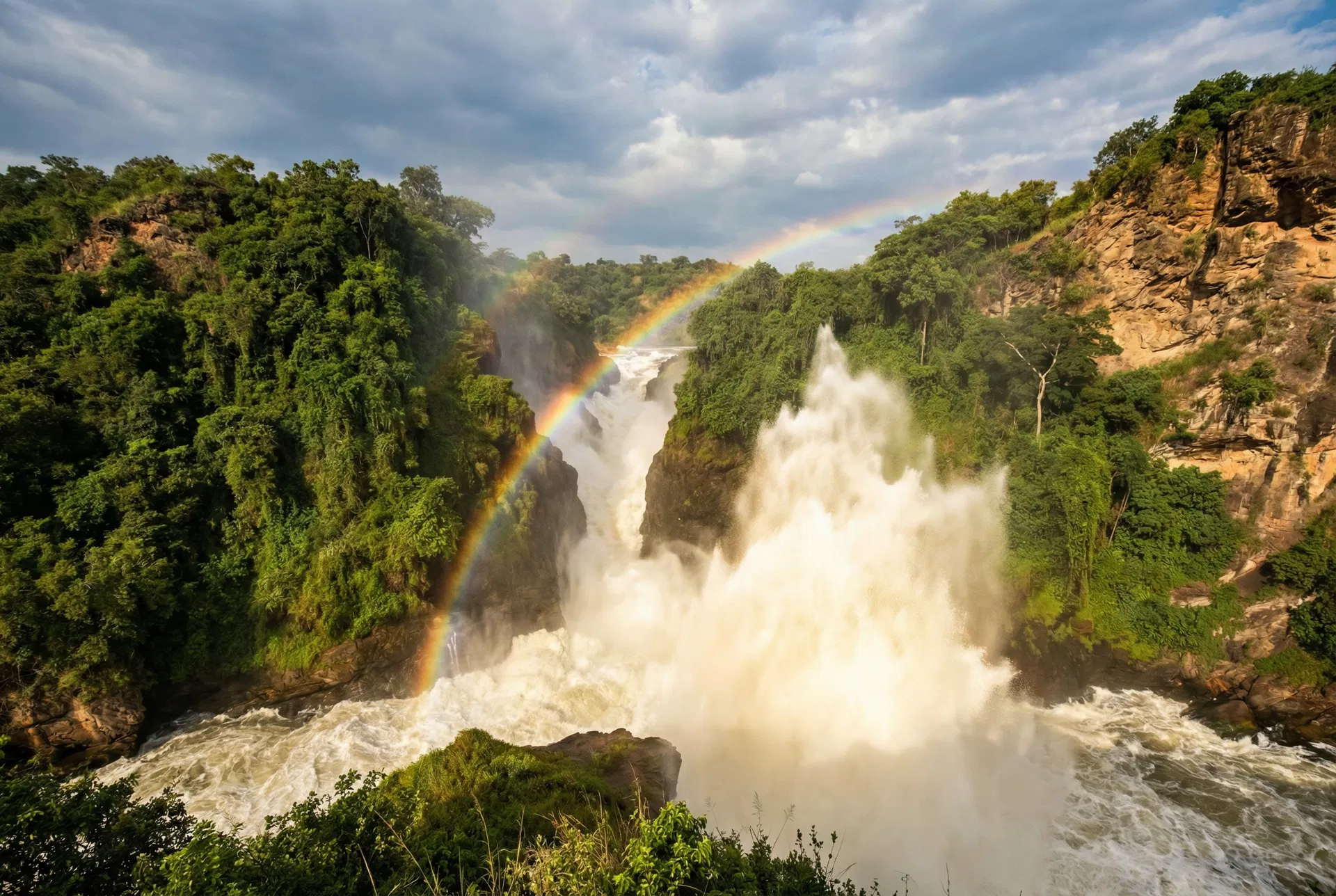
Queen Elizabeth National Park boasts one of the most varied ecosystems in Africa. The park's diverse landscapes are a result of its location on the floor of the Albertine Rift Valley, which has created a mosaic of habitats. These include sprawling savannas, shady, humid forests, sparkling lakes, and fertile wetlands. The Maramagambo Forest, one of the largest forests in Uganda, is a significant feature of the park, providing a habitat for a variety of primates and birds. The park is also dotted with volcanic craters, some of which are filled with water to form stunning crater lakes. The Ishasha sector is characterized by its acacia woodlands and savanna grasslands, which provide the perfect environment for the tree-climbing lions. The Kazinga Channel, a 32-kilometer (20-mile) long natural channel that links Lake Edward and Lake George, is a dominant feature of the park's ecosystem, supporting a rich and diverse aquatic life.
Safari Activities
Queen Elizabeth National Park offers a wide range of activities for visitors to enjoy. Game drives are the most popular activity, allowing visitors to explore the park's vast savannas and search for its famous wildlife. Boat safaris on the Kazinga Channel are another highlight, offering a unique perspective on the park's aquatic life and the many animals that come to the water's edge to drink. For a more active experience, visitors can go on a guided nature walk through the Maramagambo Forest or take on the challenge of chimpanzee trekking in the Kyambura Gorge. Birdwatching is another popular activity, with over 600 species of birds recorded in the park. For a cultural experience, visitors can take a tour of a local village and learn about the customs and traditions of the people who live in the area.
Where It Is Located
Queen Elizabeth National Park is located in the western region of Uganda, in the districts of Kasese, Kamwenge, Rubirizi, and Rukungiri. The park is approximately 400 kilometers (250 miles) by road from Kampala, the capital city of Uganda. The nearest major town is Kasese, which is located just outside the park's northeastern boundary. The park can be reached by road from Kampala, a journey that takes approximately 6-7 hours. Alternatively, visitors can take a scheduled or chartered flight from Entebbe International Airport (EBB) to one of the airstrips serving the park, such as Kasese, Mweya, or Ishasha.
Who This Destination Is Best For
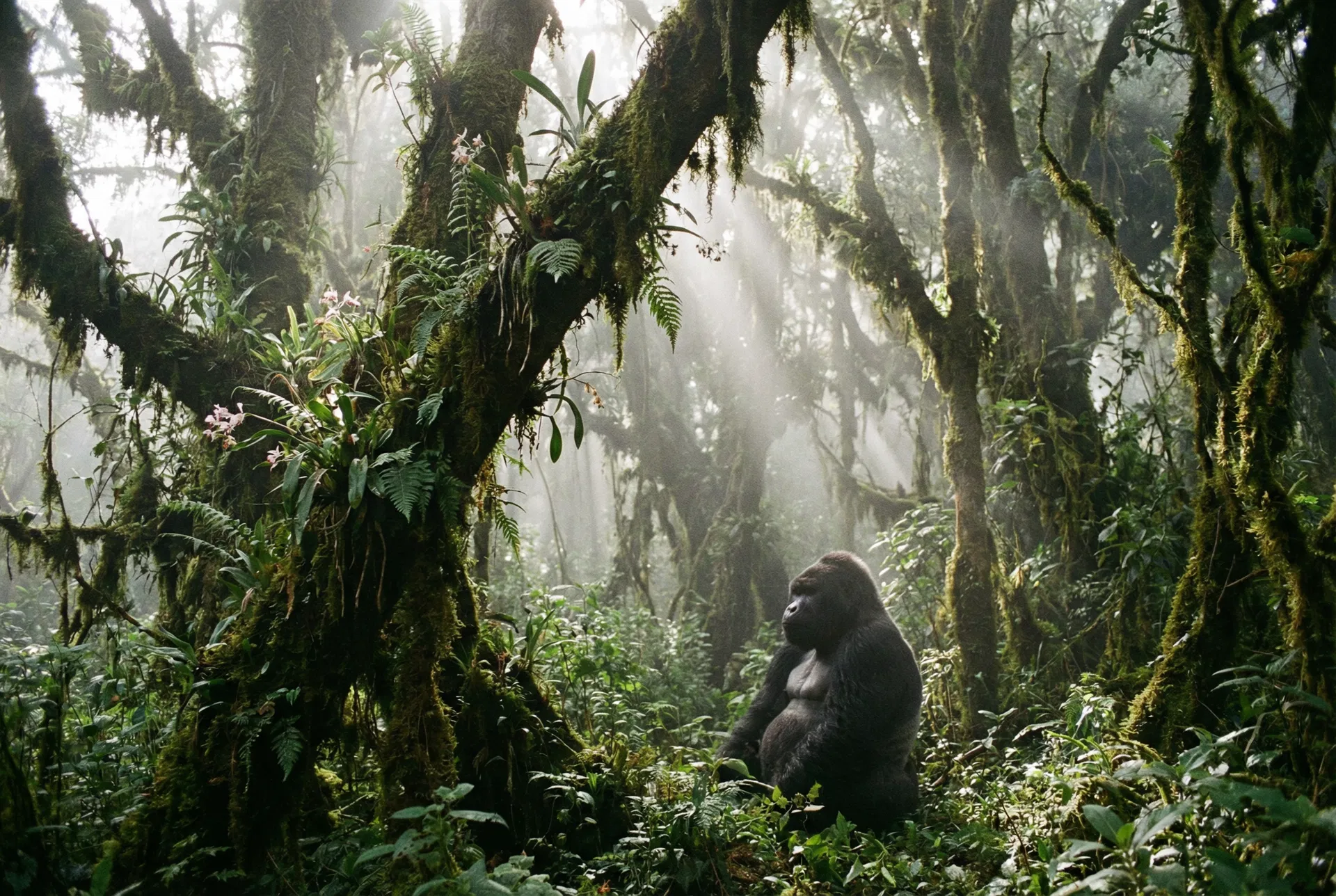
Queen Elizabeth National Park is an excellent destination for a wide range of travelers. Its diverse landscapes and activities make it a great choice for first-time safari-goers looking for a classic African wildlife experience. The park is also ideal for families, with a variety of activities to keep everyone entertained, from boat safaris to cultural encounters. Photographers will be captivated by the park's stunning scenery, from the rolling savannas to the sparkling crater lakes, and the abundant wildlife provides endless photographic opportunities. With over 600 species of birds, the park is a must-visit for birdwatchers. Adventure seekers will enjoy the thrill of chimpanzee trekking in the Kyambura Gorge and hiking through the Maramagambo Forest. The park's accessibility and its proximity to Bwindi Impenetrable Forest National Park make it a popular choice for those looking to combine a classic safari with a gorilla trekking experience.