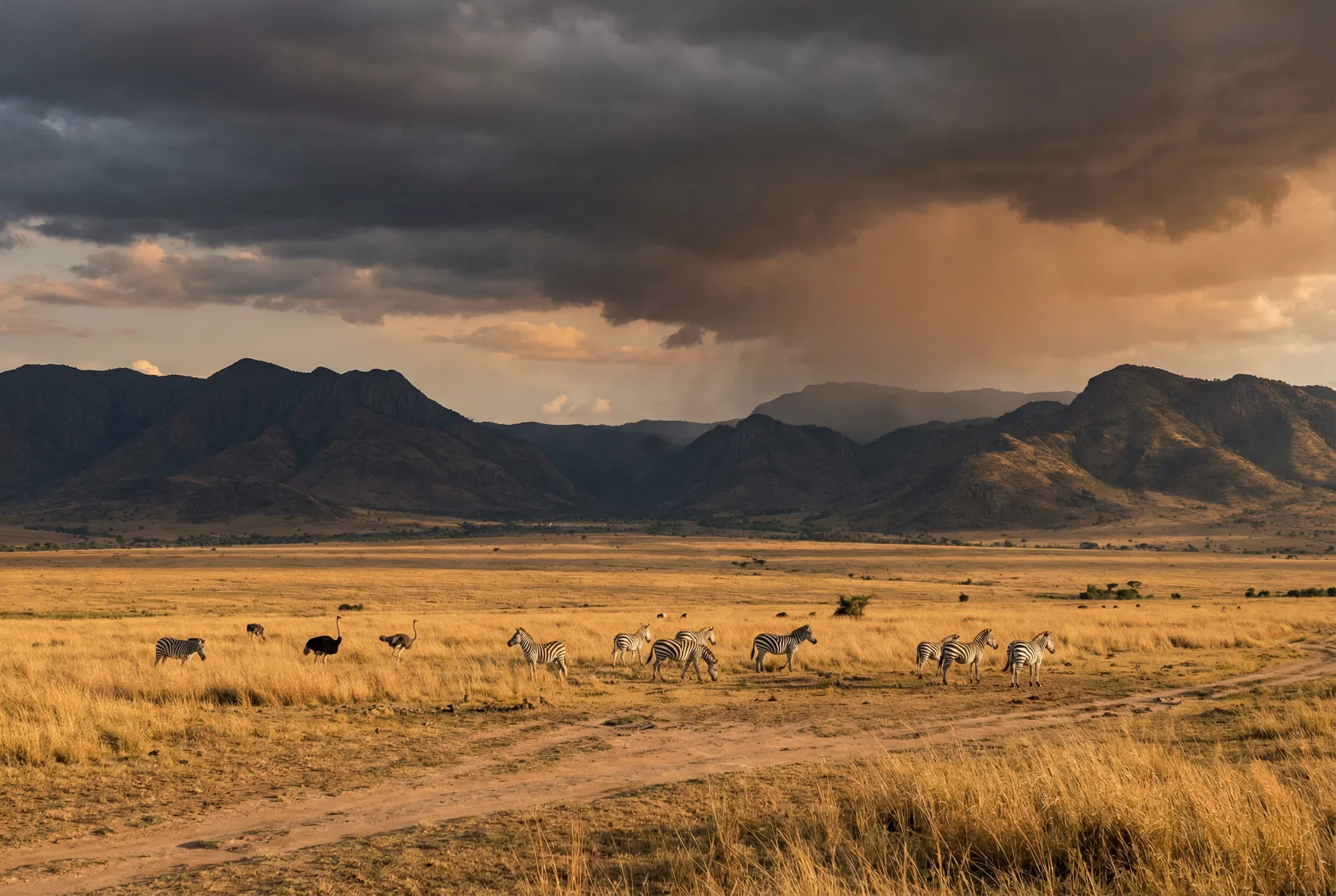
Destination Overview
Kidepo Valley National Park is a true hidden gem, a remote and rugged wilderness tucked away in the northeastern corner of Uganda. It is a place of breathtaking landscapes, exceptional wildlife, and a sense of isolation that is increasingly rare in modern Africa. The park is renowned for its stunning semi-arid savannas, dramatic mountain ranges, and the two seasonal river valleys that give it its name: the Kidepo and Narus Valleys. For travelers seeking an authentic and off-the-beaten-path safari experience, Kidepo Valley National Park offers an unparalleled adventure into one of Africa's last great wilderness areas.
Wildlife Highlights
Kidepo Valley National Park boasts an impressive diversity of wildlife, with over 77 mammal species recorded. The park is particularly famous for its large herds of buffalo, often numbering in the thousands, and its healthy population of lions that prey on them. It is one of the few places in Uganda where visitors can see cheetahs, and the park is also home to a significant population of elephants. Other predators that roam the plains include leopards, spotted hyenas, and the elusive aardwolf. The park is also a stronghold for several species not found elsewhere in Uganda, such as the greater and lesser kudu, mountain reedbuck, and Guenther's dik-dik. The Rothschild's giraffe, a subspecies of giraffe found only in Uganda and Kenya, is another iconic resident of Kidepo. The park's rich biodiversity also includes a remarkable 475 bird species, making it a paradise for birdwatchers. Ostrich, secretary birds, and the Kori bustard, the world's heaviest flying bird, are just a few of the avian highlights.
Best Time to Visit
The best time to visit Kidepo Valley National Park for wildlife viewing is during the long dry season, which runs from September to March. During these months, the vegetation is sparse, and animals congregate around the permanent water sources in the Narus Valley, making them easier to spot. The weather is generally sunny and hot, with little to no rainfall. The peak of the dry season, from December to February, can be particularly hot and dusty. The wet season, from April to August, transforms the park into a lush, green landscape. While wildlife viewing can be more challenging due to the denser vegetation and dispersed animals, this is the best time for birdwatching, as migratory species are present. The scenery is also at its most beautiful during the wet season, and the temperatures are more moderate. However, some lodges and camps may close during the low season of April and May, and roads can become impassable after heavy rains.
Safari Experience
A safari in Kidepo Valley National Park is a journey back in time to a wilder, more remote Africa. The park's isolation means fewer visitors and a more exclusive and intimate safari experience. Game drives are the primary activity, and the vast, open plains of the Narus Valley offer exceptional opportunities for wildlife viewing. The sense of space is immense, with the savanna stretching to the horizon, broken only by distant mountains and rocky outcrops. The safari experience here is not just about ticking off a list of animals; it is about immersing oneself in a truly wild and untamed environment. The pace is unhurried, allowing for long, leisurely game drives and ample time to appreciate the stunning scenery and the behavior of the animals. The low visitor numbers also mean that you will often have wildlife sightings all to yourself, a rare luxury in many of Africa's more popular parks.
Landscape and Ecosystem
Kidepo Valley National Park is a place of dramatic and varied landscapes. The park is defined by two main river systems, the Kidepo and Narus rivers, which flow through broad, flat valleys enclosed by rugged mountain ranges. The Narus Valley, in the south, is a rolling grassland plain that holds water year-round, making it the heart of the park's wildlife viewing. The Kidepo Valley, in the north, is a much drier, sand-river environment, characterized by acacia woodlands and a more arid landscape. The Morungole Mountains, which rise to over 2,700 meters, form the southern boundary of the park and create a stunning backdrop to the savanna. The park's ecosystem is a unique blend of savanna grasslands, acacia woodlands, and montane forest, supporting a wide range of flora and fauna. This diversity of habitats is one of the reasons for the park's exceptional biodiversity.
Safari Activities
Game drives are the main safari activity in Kidepo Valley National Park, with both morning and afternoon excursions offered. The extensive network of tracks in the Narus Valley provides excellent opportunities to see a wide variety of wildlife. For a more intimate experience, guided walking safaris are available, allowing you to explore the bush on foot with an experienced ranger. Birdwatching is another popular activity, with the park boasting an impressive list of over 475 species. Cultural visits to the local Karamojong and Ik communities are a unique and rewarding experience, offering insights into the traditional way of life of these pastoralist people. The Karamojong are known for their colorful dress and intricate beadwork, while the Ik are a small, isolated tribe who live in the Morungole Mountains.
Where It Is Located
Kidepo Valley National Park is located in the Karamoja subregion of northeastern Uganda, on the border with South Sudan. It is the most remote national park in the country, situated approximately 520 kilometers (320 miles) by road from Kampala, Uganda's capital city. The journey by road is a long but rewarding adventure, taking around 10-12 hours and requiring a 4WD vehicle. The most common route is from Kampala via Gulu and Kitgum. Alternatively, visitors can fly to the park. Scheduled and chartered flights are available from Entebbe International Airport (EBB) or Kajjansi Airfield near Kampala to the Apoka Airstrip, located within the park. The flight takes approximately two hours, offering a convenient and scenic way to reach this remote wilderness.
Who This Destination Is Best For
Kidepo Valley National Park is best suited for adventurous travelers who are looking for an authentic and off-the-beaten-path safari experience. It is ideal for those who have been on safari before and are seeking a more remote and wild destination. Photographers will be captivated by the park's stunning landscapes and abundant wildlife. The park's rugged terrain and sense of isolation will appeal to adventure seekers, while the unique cultural experiences will be of interest to those who want to learn about the traditional way of life of the Karamojong and Ik people. While the park is not typically recommended for first-time safari-goers due to its remoteness and the long travel times involved, it offers an unforgettable experience for those who are willing to make the journey.