Destination Overview
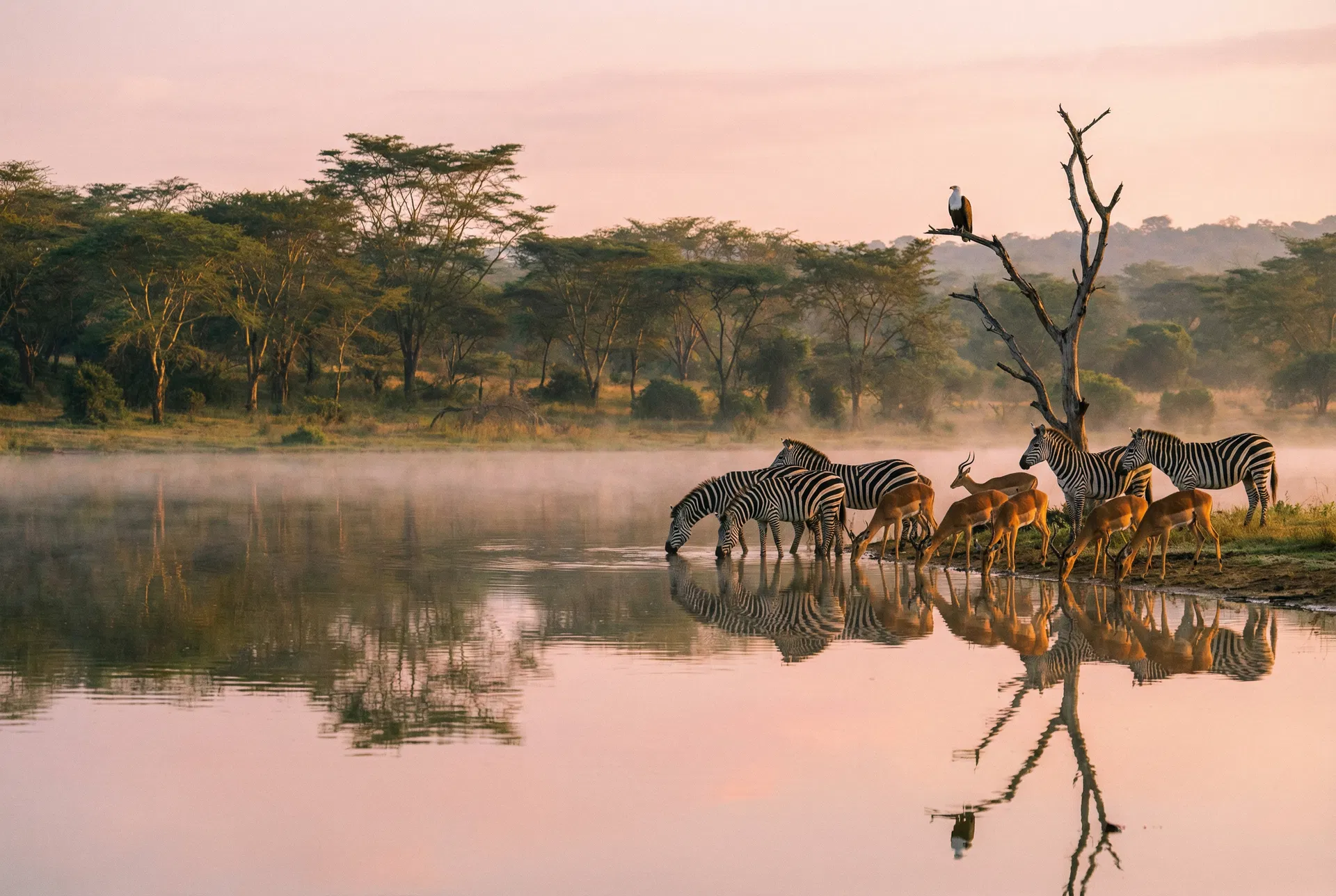
Nestled in the heart of western Uganda, Lake Mburo National Park is a true ecological treasure and a testament to the country's commitment to conservation. As Uganda’s smallest savanna national park, it offers a compact yet incredibly diverse safari experience, making it one of the most accessible and rewarding destinations in the country. Conveniently located just off the main highway connecting Kampala to the renowned national parks of the west, Lake Mburo serves as a perfect introduction to Uganda’s rich natural heritage or a satisfying final stop on a longer safari circuit. The park is particularly celebrated for its significant populations of plains zebra and impala, with the latter being found nowhere else in Uganda. This, combined with the presence of the majestic eland, Africa’s largest antelope, makes for a unique wildlife viewing experience. The park’s landscape is a stunning mosaic of rolling hills, acacia-dotted savanna, dense woodlands, and an expansive wetland system. This intricate network of habitats, which includes five lakes, is a haven for a remarkable variety of wildlife and a premier destination for birdwatching, boasting over 315 recorded species. Travelers are drawn to Lake Mburo for its intimate and uncrowded safari experiences, which include not only traditional game drives but also walking safaris, horseback riding, and tranquil boat cruises on the lake. It is a place where one can truly connect with the African wilderness on a personal level.
Wildlife Highlights
Lake Mburo National Park is a sanctuary for a remarkable diversity of wildlife, hosting over 68 mammal species within its varied habitats. The park is most famous for being one of the best places in Uganda to see plains zebra, and it holds the country's only population of impala. It is also a reliable place to find eland, Africa's largest antelope. In a significant conservation success story, the park is now also home to a population of Rothschild's giraffes, which were translocated to the park to establish a new breeding population. Other common herbivores include buffalo, topi, Defassa waterbuck, bushbuck, and reedbuck. While lions are not a permanent fixture, the park supports a healthy population of leopards and spotted hyenas, which are the primary predators, often seen on night game drives. The lakes and wetlands are home to large pods of hippos and some of the largest crocodiles in Uganda, best observed during a boat safari. The absence of elephants has allowed for the development of a unique woodland ecosystem, which in turn supports a different range of species compared to other Ugandan parks, including the shy sitatunga antelope, which can sometimes be spotted in the papyrus swamps.
Best Time to Visit
Lake Mburo National Park offers a rewarding experience throughout the year, but the best time for wildlife viewing is during the two dry seasons, from June to August and from December to February. During these months, the vegetation is less dense, and the scarcity of water sources elsewhere in the park means that animals tend to congregate around the lakes and permanent wetlands, making them easier to spot. The tracks are also drier and easier to navigate, making for a more comfortable game drive experience. This is the ideal time for walking safaris and horseback riding. The two wet seasons, from March to May and from September to November, transform the park into a lush, green paradise. While wildlife can be a bit more challenging to spot in the thicker vegetation, this is the prime time for birdwatching, as migratory birds from Europe and North Africa are present, and resident birds are in their breeding plumage. The landscape is at its most beautiful during this time, and the dramatic afternoon thunderstorms can make for spectacular photographic opportunities. Regardless of the season, the park’s location near the equator ensures that temperatures are pleasant and relatively stable year-round, with daytime temperatures averaging around 27°C (81°F).
Safari Experience
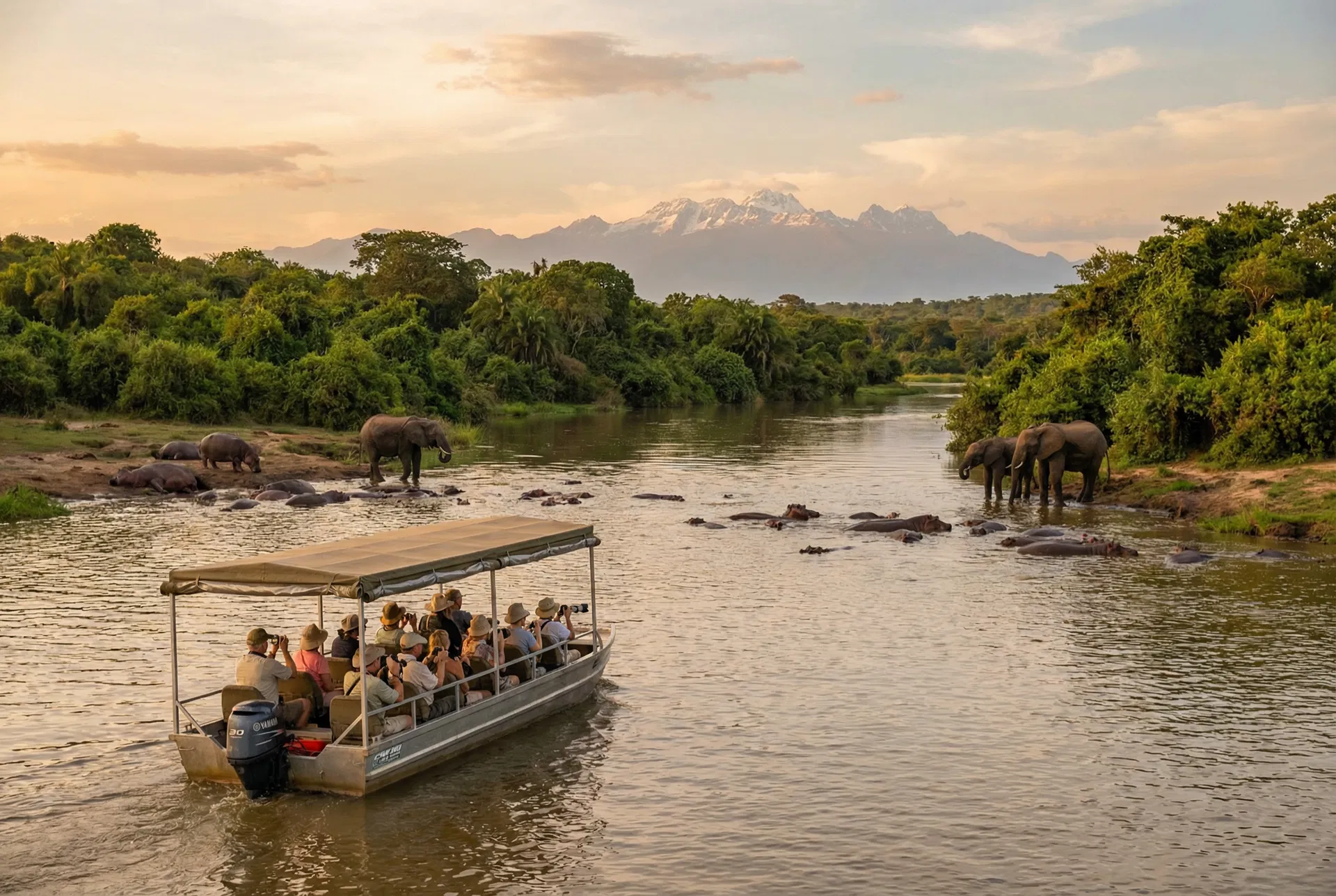
The safari experience at Lake Mburo National Park is unique and intimate, offering a variety of ways to explore the wilderness that are not always possible in other, larger parks. Due to the absence of large predators like lions in most of the park, it is one of the few places in Uganda where walking safaris are permitted, offering an unparalleled opportunity to connect with the environment on foot. Accompanied by an experienced ranger guide, you can track animals, learn about the smaller creatures and medicinal plants, and experience the thrill of being a part of the landscape. Game drives, both during the day and at night, are a popular way to see the park's diverse wildlife. Night drives, in particular, offer the chance to spot nocturnal animals such as leopards, hyenas, and bushbabies. Boat safaris on Lake Mburo provide a different perspective of the park, offering excellent opportunities to see hippos, crocodiles, and a variety of water birds, including the African fish eagle and the rare shoebill. For a truly unique and unforgettable experience, the park is the only one in Uganda where you can go on a horseback safari. Riding through the savanna among herds of zebra and impala is a magical experience that will stay with you long after you leave.
Landscape and Ecosystem
Lake Mburo National Park’s landscape is a rich and varied tapestry of habitats, making it ecologically distinct from other parks in Uganda. The park is characterized by its Precambrian metamorphic rocks, which form the foundation of its rolling hills and rocky outcrops. These ancient landscapes are draped in a mosaic of acacia woodland, open savanna, and lush riparian vegetation. A significant feature of the park is its extensive wetland system, which covers 20% of its area and includes five lakes, with Lake Mburo being the largest. This network of wetlands and swamps, particularly the large papyrus swamps, provides a critical habitat for a variety of aquatic life and bird species, including the elusive shoebill stork. The absence of elephants, which are known for their destructive impact on woodlands, has allowed for the growth of dense acacia woodlands, creating a unique ecosystem that supports a specialized range of wildlife not found in other savanna parks. This has also allowed for the regeneration of the savanna, which is vital for the grazing species that form the backbone of the park's ecosystem.
Safari Activities
Lake Mburo National Park offers a diverse range of activities that allow visitors to experience its unique environment and wildlife in a variety of ways. In addition to the traditional game drives, the park is renowned for its guided walking safaris, which offer an intimate and immersive way to explore the bush. Boat cruises on Lake Mburo are a highlight, providing close encounters with hippos, crocodiles, and a stunning array of water birds. The park is also the only place in Uganda offering horseback safaris, allowing for a unique and exhilarating perspective of the savanna and its inhabitants. Birdwatching is another popular activity, with over 315 species recorded, making it a paradise for avian enthusiasts. For those interested in culture, visits to the local Banyankole community can be arranged, offering fascinating insights into their traditional cattle-keeping way of life and their relationship with the park. Sport fishing is also available in designated areas of Lake Mburo, with tilapia being the most common catch. For the more adventurous, cycling safaris are also an option, offering a different way to explore the park's network of trails.
Where It Is Located
Lake Mburo National Park is strategically located in the Kiruhura District of western Uganda, making it the most accessible of the country's savanna national parks. It is approximately 240 kilometers (150 miles) by road from Kampala, the capital city, a journey that takes around 4-5 hours. The park's main entrance is just a short drive from the main Kampala-Mbarara highway, making it a convenient stopover for travelers heading to or from other major parks in the west, such as Bwindi Impenetrable National Park, home to the mountain gorillas, and Queen Elizabeth National Park, famous for its tree-climbing lions. The nearest major town is Mbarara, which is about 30 kilometers (19 miles) to the west. The nearest international airport is Entebbe International Airport (EBB), which serves Kampala. From Entebbe, it is a scenic drive to the park, passing through vibrant towns and lush countryside. This accessibility makes Lake Mburo an ideal destination for a short safari or as part of a longer itinerary exploring the wonders of western Uganda.
Who This Destination Is Best For
Lake Mburo National Park is an excellent destination for a wide range of travelers, thanks to its accessibility, diverse activities, and unique wildlife. Its proximity to Kampala makes it ideal for those on a shorter safari, including residents and expatriates looking for a weekend getaway. It is particularly well-suited for first-time safari-goers and families with children, offering a gentle and safe introduction to Uganda's wildlife without the long and tiring drives to more remote parks. The variety of activities, including walking safaris, horseback riding, and cycling, makes it a great choice for adventure seekers and active travelers. Birdwatchers will find it a paradise, with its diverse habitats and numerous bird species, including many that are difficult to find elsewhere. Luxury travelers will appreciate the high-end lodges in and around the park, which offer stunning views and exceptional service. For those interested in cultural immersion, the opportunity to visit the local Banyankole community provides a unique and authentic experience. In short, Lake Mburo is a destination that has something to offer everyone, from the seasoned safari enthusiast to the first-time visitor to Africa.