Destination Overview
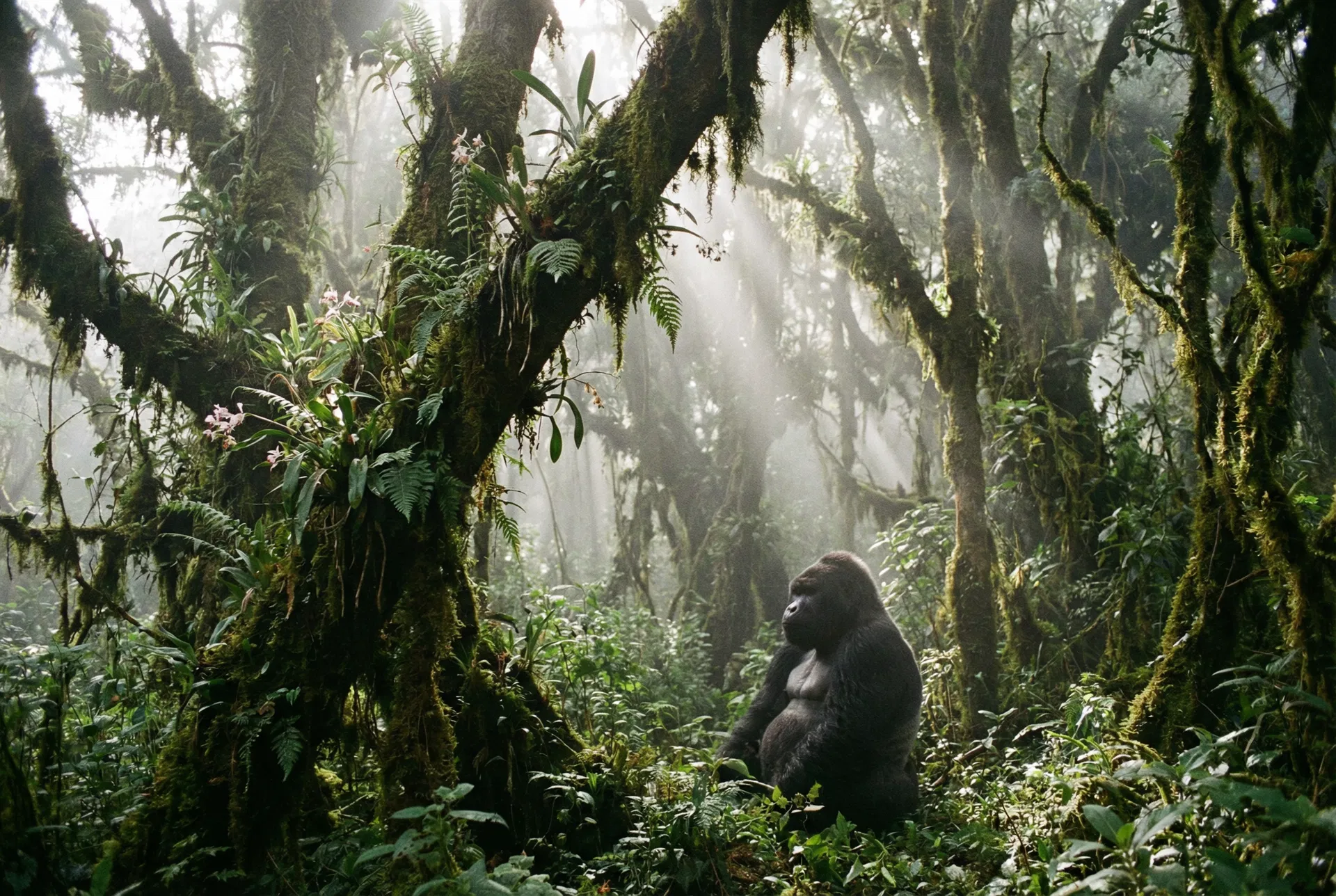
Bwindi Impenetrable Forest, a UNESCO World Heritage Site in southwestern Uganda, is a realm of staggering biodiversity and one of Africa’s most remarkable conservation success stories. The park is world-renowned as a sanctuary for approximately half of the world's remaining mountain gorillas, making it a premier destination for travelers seeking a profound wildlife encounter. The name “Bwindi” translates to “impenetrable,” a fitting description for the dense, ancient rainforest that blankets the steep ridges and valleys of the Albertine Rift. Visitors are drawn to Bwindi not only for the life-changing experience of gorilla trekking but also for its exceptional primate viewing, outstanding birdwatching, and the opportunity to immerse themselves in a pristine, primordial ecosystem. This is a place where the air is thick with the sounds of the forest, and every step reveals a new layer of natural wonder.
Wildlife Highlights
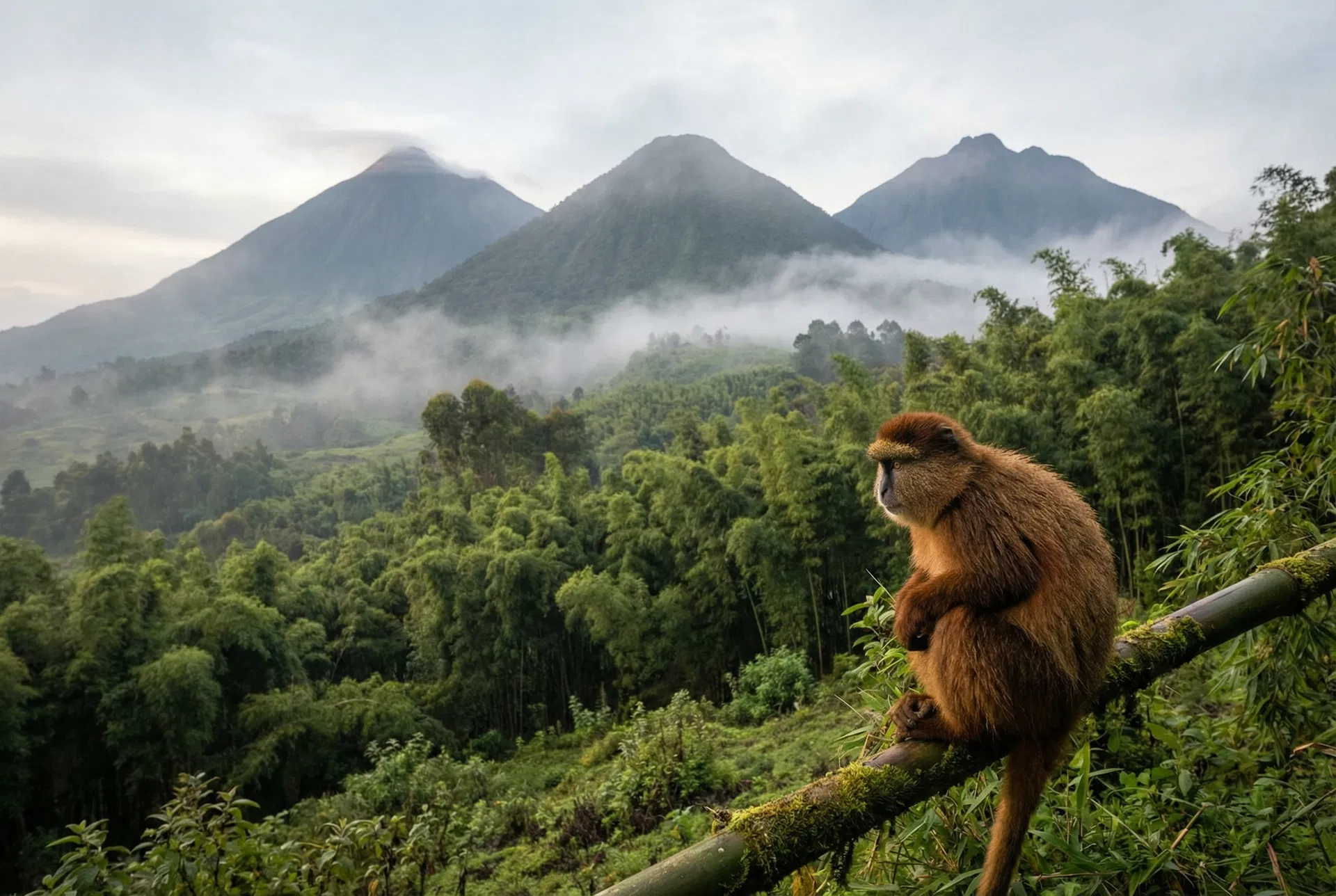
Bwindi Impenetrable Forest is a treasure trove of wildlife, boasting an impressive array of species that thrive within its protected borders. The park is home to an estimated 400 mountain gorillas, representing a significant portion of the global population. In addition to these gentle giants, Bwindi supports 11 other primate species, including chimpanzees, L'Hoest's monkeys, red-tailed monkeys, blue monkeys, and black-and-white colobus monkeys. The forest also provides refuge for a variety of other mammals, though they can be elusive in the dense undergrowth. These include forest elephants, giant forest hogs, bushbucks, and several species of duikers. Birdlife in Bwindi is nothing short of spectacular, with over 350 recorded species, including 23 Albertine Rift endemics. Keen birdwatchers can spot African green broadbills, Shelley's crimsonwings, and handsome francolins, among many others. The park's rich biodiversity extends to its smaller inhabitants, with over 200 butterfly species adding a splash of color to the verdant landscape.
Best Time to Visit
Bwindi Impenetrable Forest can be visited year-round, but the best time for gorilla trekking is during the two dry seasons: from June to August and from December to February. During these months, the forest trails are less muddy and slippery, making the trekking experience more manageable and enjoyable. The dry seasons also coincide with the peak tourist season, so it is advisable to book gorilla permits and accommodation well in advance. The wet seasons, from March to May and from September to November, bring heavier rains, which can make trekking more challenging. However, the forest is particularly lush and vibrant during this time, and the birdwatching is at its best. The low season also offers the possibility of discounted accommodation and a more intimate experience with fewer visitors. Regardless of the time of year, it is important to be prepared for rain, as the weather in Bwindi can be unpredictable.
Safari Experience
The safari experience in Bwindi Impenetrable Forest is centered around the incredible opportunity to track and observe mountain gorillas in their natural habitat. Gorilla trekking is a highly regulated and conservation-focused activity, with a limited number of permits issued each day to minimize the impact on the gorillas. The treks can be physically demanding, involving several hours of hiking through dense forest and steep terrain, but the reward of spending an hour with a gorilla family is an experience that is both humbling and exhilarating. In addition to gorilla trekking, Bwindi offers a range of other immersive activities. Guided nature walks provide an opportunity to explore the forest's rich biodiversity, from its unique flora to its abundant birdlife and smaller primates. Cultural visits to the local Batwa community offer a fascinating insight into the traditions and ancient way of life of the forest's original inhabitants. For those seeking a more active adventure, some lodges offer mountain biking and hiking trails that wind through the surrounding hills and villages.
Landscape and Ecosystem
Bwindi Impenetrable Forest is a stunning example of a montane rainforest, characterized by its dramatic and rugged landscape. The park covers an area of 331 square kilometers and ranges in altitude from 1,160 to 2,607 meters. The terrain is a mix of steep-sided hills, deep valleys, and high ridges, all cloaked in a dense and ancient tapestry of vegetation. The forest is one of the most biologically diverse in Africa, a result of its great age and its location at the intersection of several ecological zones. The ecosystem is a vital water catchment area, with a network of rivers and streams that flow through the forest, eventually feeding into Lake Edward. The vegetation is a mosaic of montane and lowland forest, with a rich undergrowth of ferns, vines, and shrubs. This complex and varied environment provides a habitat for a wide range of species, many of which are endemic to the Albertine Rift. The ecological significance of Bwindi cannot be overstated; it is a living laboratory of evolution and a critical sanctuary for some of the world's most endangered creatures.
Safari Activities
While gorilla trekking is the main attraction, Bwindi Impenetrable Forest offers a variety of other activities that allow visitors to fully experience the magic of this unique destination.
- Gorilla Habituation Experience: For those seeking a more in-depth encounter, the gorilla habituation experience allows visitors to spend up to four hours with a semi-habituated gorilla family, observing them and learning about their behavior from researchers and trackers.
- Birdwatching: Bwindi is a birdwatcher's paradise, with a checklist of over 350 species. Guided birding walks offer the chance to spot Albertine Rift endemics and other rare and beautiful birds.
- Nature Walks: A variety of guided nature walks are available, ranging from short, easy strolls to more challenging hikes. These walks provide an opportunity to explore the forest's diverse flora and fauna, including its many primate and butterfly species.
- Cultural Encounters: Visitors can engage with the local Bakiga and Batwa communities to learn about their culture, traditions, and way of life. These experiences often include village walks, traditional music and dance performances, and demonstrations of local crafts.
- Mountain Biking: Several lodges and community-based organizations offer guided mountain biking tours that explore the scenic hills and villages surrounding the park.
Where It Is Located
Bwindi Impenetrable Forest is located in southwestern Uganda, on the edge of the Albertine Rift Valley. The park is approximately 530 kilometers from Kampala, the capital city of Uganda. The journey from Kampala to Bwindi can be made by road, which takes around 8-10 hours, or by a scheduled or chartered flight to the nearby Kihihi or Kisoro airstrips. From the airstrips, it is a further 1-2 hour drive to the park. The park is divided into four sectors: Buhoma, Ruhija, Rushaga, and Nkuringo. Each sector has its own set of habituated gorilla families and accommodation options. The choice of sector will depend on the availability of gorilla permits and the traveler's itinerary.
Who This Destination Is Best For
Bwindi Impenetrable Forest is a destination that appeals to a wide range of travelers, but it is particularly well-suited for:
- Wildlife Enthusiasts and Primate Lovers: Bwindi offers an unparalleled opportunity to see mountain gorillas and a host of other primate species in their natural habitat.
- Adventure Seekers: The challenging terrain and immersive trekking experiences make Bwindi an ideal destination for those seeking an active and adventurous safari.
- Nature Lovers and Photographers: The park's stunning landscapes, rich biodiversity, and incredible wildlife provide endless opportunities for nature lovers and photographers.
- Conservation-Minded Travelers: By visiting Bwindi, travelers are directly contributing to the conservation of mountain gorillas and the protection of this vital ecosystem.
- Experienced Safari Travelers: Bwindi offers a unique and rewarding experience that is different from the traditional savannah safaris found in other parts of Africa.