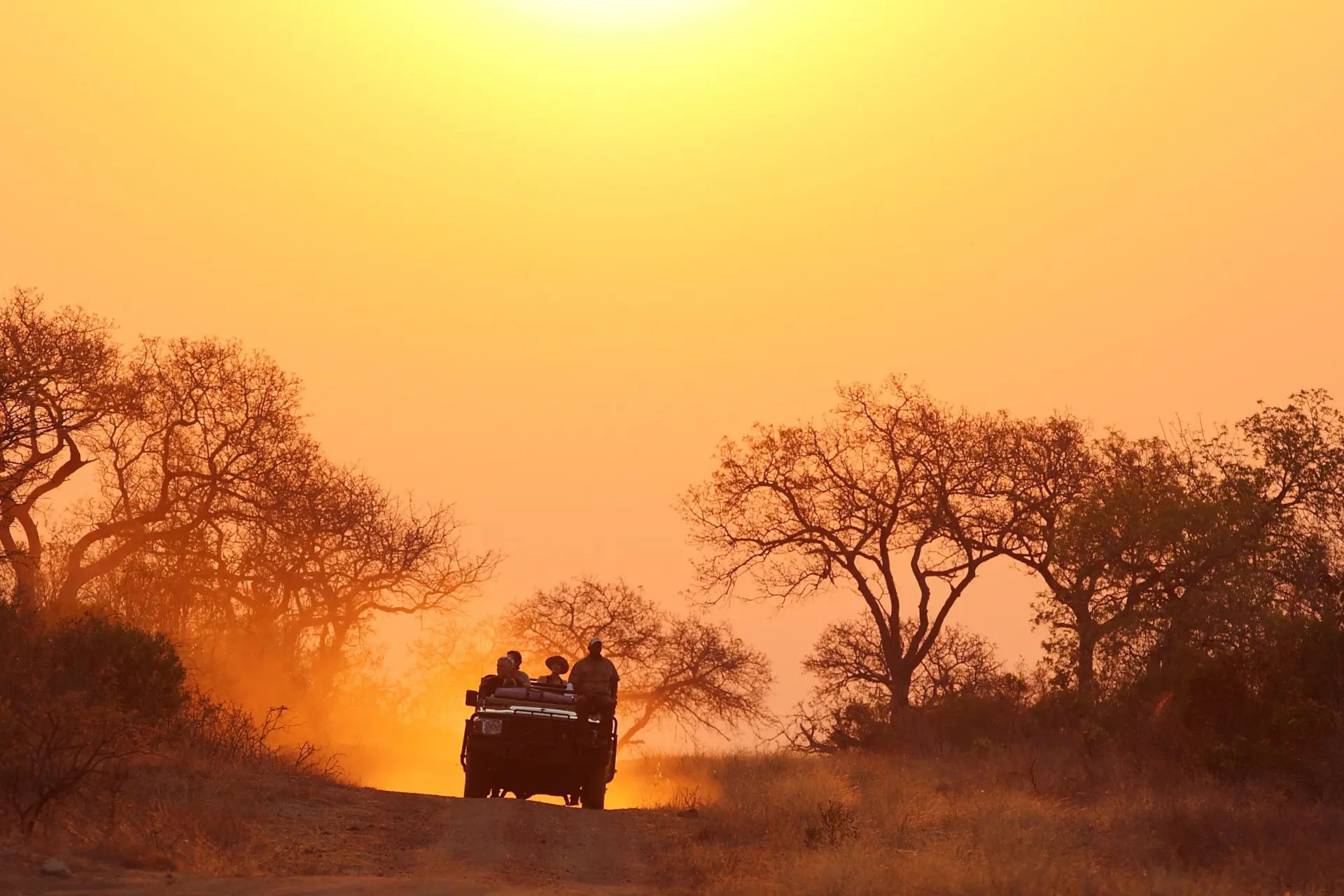
Wondering what a typical day on an African safari looks like? This hour-by-hour guide covers wake-up calls, game drives, meals, sundowners, and evening routines so you know exactly what to expect.
What Really Happens on a Safari Day
One of the most common questions first-time safari travelers ask is simple: what does a typical day actually look like? It is a fair question. Most people have seen the dramatic wildlife footage on television, but few understand the rhythm and routine that shapes each day in the African bush. The truth is that a safari day follows a surprisingly consistent pattern, whether you are staying in the Serengeti, the Maasai Mara, or Kruger. Understanding this rhythm will help you prepare mentally, pack the right gear, and get the most out of every moment.
This guide walks you through a complete safari day from the pre-dawn wake-up call to the final moments around the campfire. While every lodge and camp operates slightly differently, the general structure described here applies across most safari destinations in East and Southern Africa.
5:00 to 5:30 AM — The Wake-Up Call
Your day begins well before sunrise. Most lodges and tented camps provide a gentle wake-up call, either a knock on your door, a soft radio call, or a staff member arriving with a tray of hot coffee or tea. The early start is not arbitrary. Animals are most active during the cooler hours of dawn and dusk, and the morning game drive is designed to coincide with this peak activity window.
At this hour, the bush is still dark. You will hear the sounds of the African night fading — the last calls of hyenas, the distant rumble of lions, and the first tentative birdsong of the day. The air is cool, sometimes surprisingly cold, so dressing in warm layers is essential. A fleece jacket, a scarf or buff, and a warm hat are all worth having. You can always peel off layers as the sun climbs. If you are unsure what to bring, our safari packing guide covers everything you need.
Not Sure Where to Start?
Start Here6:00 to 9:00 AM — The Morning Game Drive
The morning game drive is the centerpiece of your safari day and typically the most productive wildlife viewing session. You will climb into an open-sided 4x4 vehicle alongside your guide and a small group of fellow travelers. In private concessions, vehicles can depart as soon as the light allows. In national parks, you may need to wait for the gates to open, usually around 6:00 AM.
Your guide will navigate through the landscape reading tracks, scanning the horizon, and communicating with other guides by radio to locate wildlife. The first hour is often the most exciting. Predators like lions and leopards are frequently spotted finishing their overnight hunts or settling into their resting spots for the day. Hyenas may still be active at kills. Elephants and buffalo move through the grasslands toward water, and the birdlife is extraordinary in the early light.
The golden hour light at dawn is also the best time for safari photography. The warm tones, long shadows, and active wildlife create ideal conditions for memorable images. Even with a basic camera or smartphone, the morning light produces results that midday sun simply cannot match.
Around 7:30 or 8:00 AM, your guide will stop at a scenic spot for a bush coffee break. The vehicle carries a cooler with hot drinks, juice, and light snacks. This is a welcome pause to stretch your legs, use the bush facilities if needed, and absorb the landscape around you. Some lodges serve a full bush breakfast in the field, complete with a table set up under an acacia tree, which is one of the most memorable dining experiences you can have on safari.
9:00 to 11:00 AM — Breakfast and Rest
By mid-morning, the temperature is rising and the animals are retreating to shade. Your vehicle returns to the lodge or camp, where a full breakfast is waiting. This is typically a generous spread that includes fresh fruit, pastries, eggs cooked to order, local dishes, and plenty of coffee and tea. After an early start, you will be hungry.
Breakfast at a safari lodge is rarely rushed. The dining area usually overlooks a waterhole, a river, or open plains, so you can continue watching wildlife even while you eat. Elephants wandering past the breakfast terrace is not unusual in places like Chobe or Hwange.
11:00 AM to 3:00 PM — The Quiet Hours
The middle of the day is your time to rest, recharge, and enjoy the lodge itself. This is when the African sun is at its strongest, and most animals are inactive, lying in the shade and conserving energy. Your lodge will have comfortable spaces designed for exactly this purpose — a swimming pool, a shaded deck with views, a small library, or a spa.
Some travelers use this time to review their photographs, write in a journal, or simply nap. Others take advantage of optional activities that many lodges offer during the quiet hours. These might include guided nature walks, visits to local communities, birdwatching excursions, or educational talks by the resident naturalist. If you are staying in a private concession rather than a national park, you may also have the option of a midday game drive, though sightings during the heat are less predictable.
Lunch is served around 1:00 PM, usually a lighter meal than breakfast. Salads, grilled meats, fresh bread, and seasonal vegetables are common. Many lodges serve lunch buffet-style so you can eat at your own pace.
3:30 PM — Afternoon Tea
The afternoon tea tradition is a beloved part of safari culture, inherited from the colonial era but now simply a pleasant ritual that marks the transition from rest to the evening adventure. Lodges set out tea, coffee, freshly baked cakes, scones, and small savory bites around 3:30 PM. This is also when your guide will brief you on the afternoon plan — perhaps there was a leopard sighting reported nearby, or the light is perfect for visiting a particular waterhole.
Use this time to prepare for the afternoon drive. The temperature will drop as the sun descends, so bring a warm layer for the return journey after dark. Insect repellent is also important for the evening hours when mosquitoes become active. Our malaria prevention guide has practical advice on protecting yourself.
4:00 to 7:00 PM — The Afternoon Game Drive
The afternoon game drive is the second major wildlife viewing session of the day. As temperatures cool, animals emerge from their resting spots and begin moving toward water sources. This is when you are most likely to see large herds of herbivores — zebra, wildebeest, impala, and giraffe — gathering at waterholes and rivers. Predators also become active again, beginning their evening patrols and hunts.
The afternoon light is warm and dramatic, creating beautiful conditions for both viewing and photography. As the sun drops lower, the landscape transforms. The golden hour before sunset is often when the most spectacular sightings occur — a lion pride on the move, elephants silhouetted against the sky, or a cheetah scanning the plains from a termite mound.
Around 6:00 PM, your guide will find a scenic spot for sundowners. This is one of the most iconic safari traditions: stopping the vehicle at a beautiful viewpoint, pouring cold drinks from the cooler, and watching the African sun set over the bush. Gin and tonics, cold beer, wine, and soft drinks are typical offerings. The sundowner stop is a moment to pause, reflect on the day, and appreciate the extraordinary landscape around you.
If you are in a private concession or a park that permits night drives, your guide may continue driving after dark using a spotlight. Night drives reveal an entirely different world — nocturnal species like aardvarks, genets, bush babies, and owls that are invisible during daylight hours. Leopards are also more frequently spotted at night, as they are primarily nocturnal hunters.
7:30 to 8:00 PM — Return and Freshen Up
You return to the lodge as darkness settles over the bush. The camp is lit by lanterns and soft lighting, creating a warm and welcoming atmosphere. Most travelers head to their rooms to freshen up before dinner — a hot shower after a dusty game drive is one of the small luxuries that makes safari life so enjoyable.
8:00 to 9:30 PM — Dinner
Dinner on safari is an event in itself. Many lodges serve dinner in a boma — a traditional circular enclosure, often open-air, lit by lanterns and a central fire. The meal is typically three courses: a starter, a main course featuring local meats and produce, and a dessert. Wine is usually included or available, and the quality of safari lodge cuisine has improved dramatically in recent years.
Some lodges offer bush dinners on special nights, where a table is set up in a clearing under the stars, surrounded by lanterns and the sounds of the African night. These are unforgettable experiences that combine exceptional food with the raw beauty of the wilderness.
Dinner is also when the social side of safari comes alive. You will share the table with fellow travelers and your guide, swapping stories about the day's sightings, debating whether the leopard or the lion was the highlight, and learning from your guide's deep knowledge of the bush. These conversations are often as memorable as the wildlife itself.
9:30 PM — Campfire and Stargazing
After dinner, many guests gather around the campfire for a nightcap. The African sky, far from any light pollution, is extraordinary. The Milky Way stretches across the entire sky, and your guide may point out the Southern Cross, Jupiter, or the constellations that are unique to the southern hemisphere. Some lodges provide telescopes or stargazing equipment for guests who want a closer look.
By 10:00 PM, most travelers are heading to bed. The early wake-up call comes quickly, and the combination of fresh air, physical activity, and sensory stimulation means you will sleep deeply. Many guests report that they sleep better on safari than anywhere else — the sounds of the bush at night are surprisingly soothing once you settle in.
How This Varies by Destination and Season
The daily structure described above is consistent across most safari destinations, but there are variations worth noting. In East Africa, where the equator runs through the region, sunrise and sunset times remain relatively constant year-round, so the schedule stays predictable. In Southern Africa, seasonal changes are more pronounced — winter days are shorter, meaning earlier sundowners and later morning starts.
The green season brings lush landscapes and fewer crowds, but afternoon thunderstorms can occasionally cut short an evening drive. The dry season offers more predictable wildlife viewing as animals concentrate around water sources, but the dust can be intense.
Walking safaris, balloon rides, and boat safaris add variety to the standard game drive routine. If you are spending multiple days on safari, mixing different activities keeps the experience fresh and reveals different dimensions of the ecosystem.
Final Thoughts
A typical safari day is structured around the natural rhythms of the African bush — early mornings, active wildlife periods, restful midday hours, and dramatic evenings. Once you understand this rhythm, you can prepare properly, manage your energy, and fully appreciate every part of the experience. The early starts are worth it. The quiet hours are restorative. And the evenings around the campfire, under a sky full of stars, are something you will remember for the rest of your life.
Not Sure Where to Start?
Take our guided safari quiz and get a personalized starting point based on your interests, budget, and travel style.
Ready to plan? Use our step-by-step system to turn your research into a real safari trip.
Start the Safari Planning SystemRelated Planning Guides
Explore Related Topics
Recommended Reading
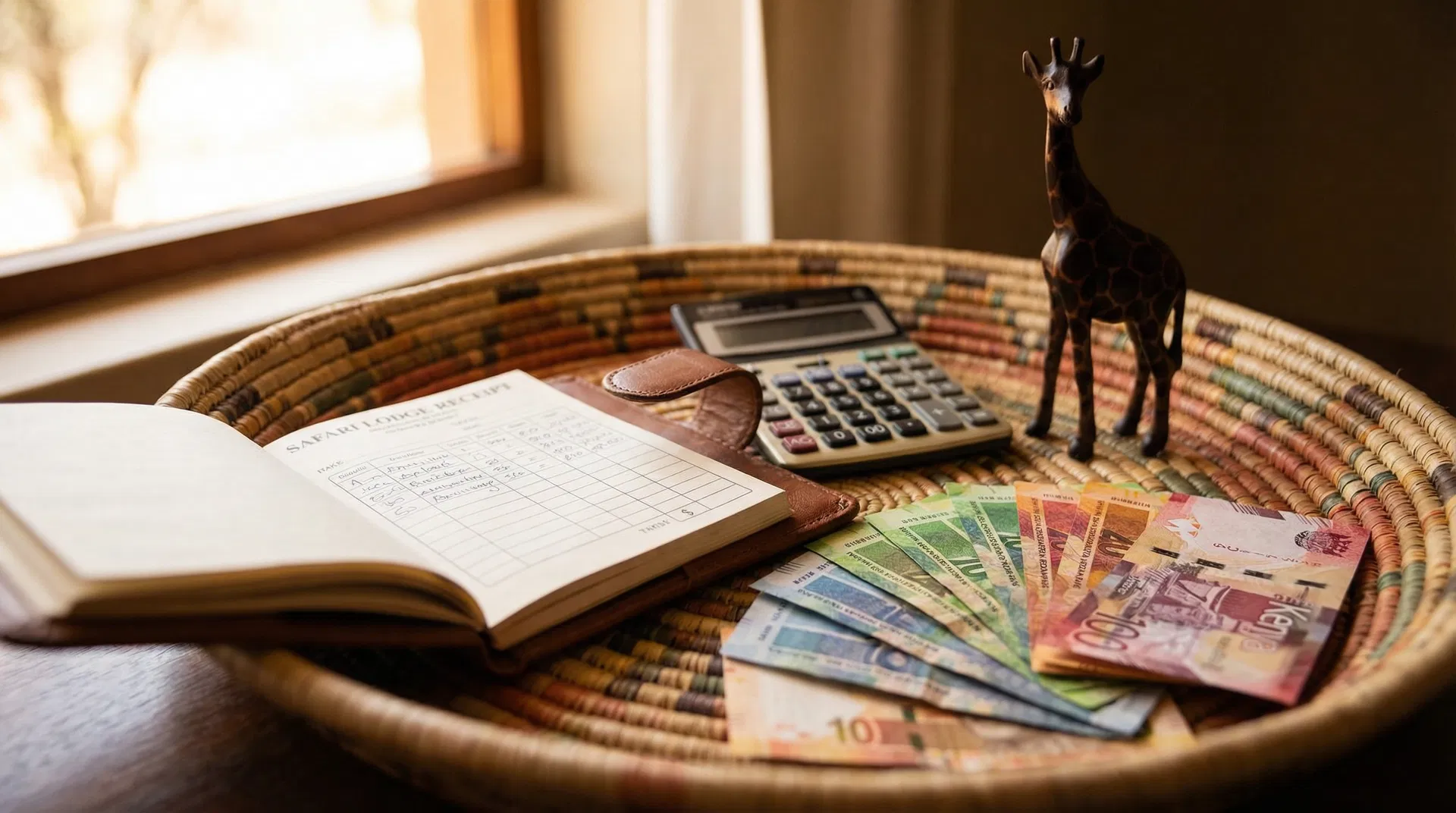 Safari Costs
Average Safari Cost Per Day
Learn about the average safari cost per day, from budget to luxury. This guide breaks down costs by country and what\
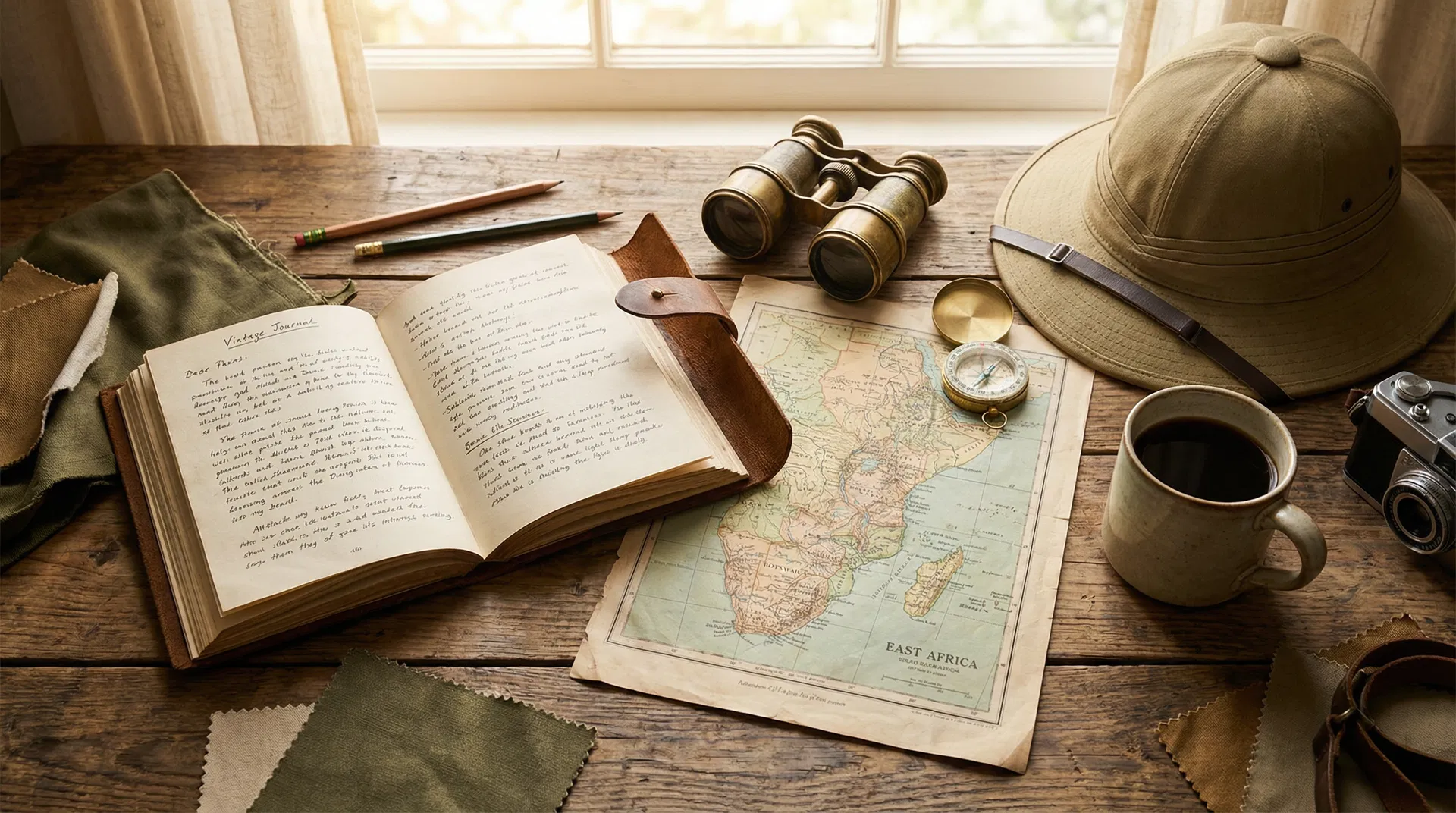 Safari Planning Guides
How to Plan a 10-Day Safari Across East Africa
Discover how to plan your dream safari with our expert guide on How to Plan a 10-Day Safari Across East Africa. Get tips on destinations, costs, and more.
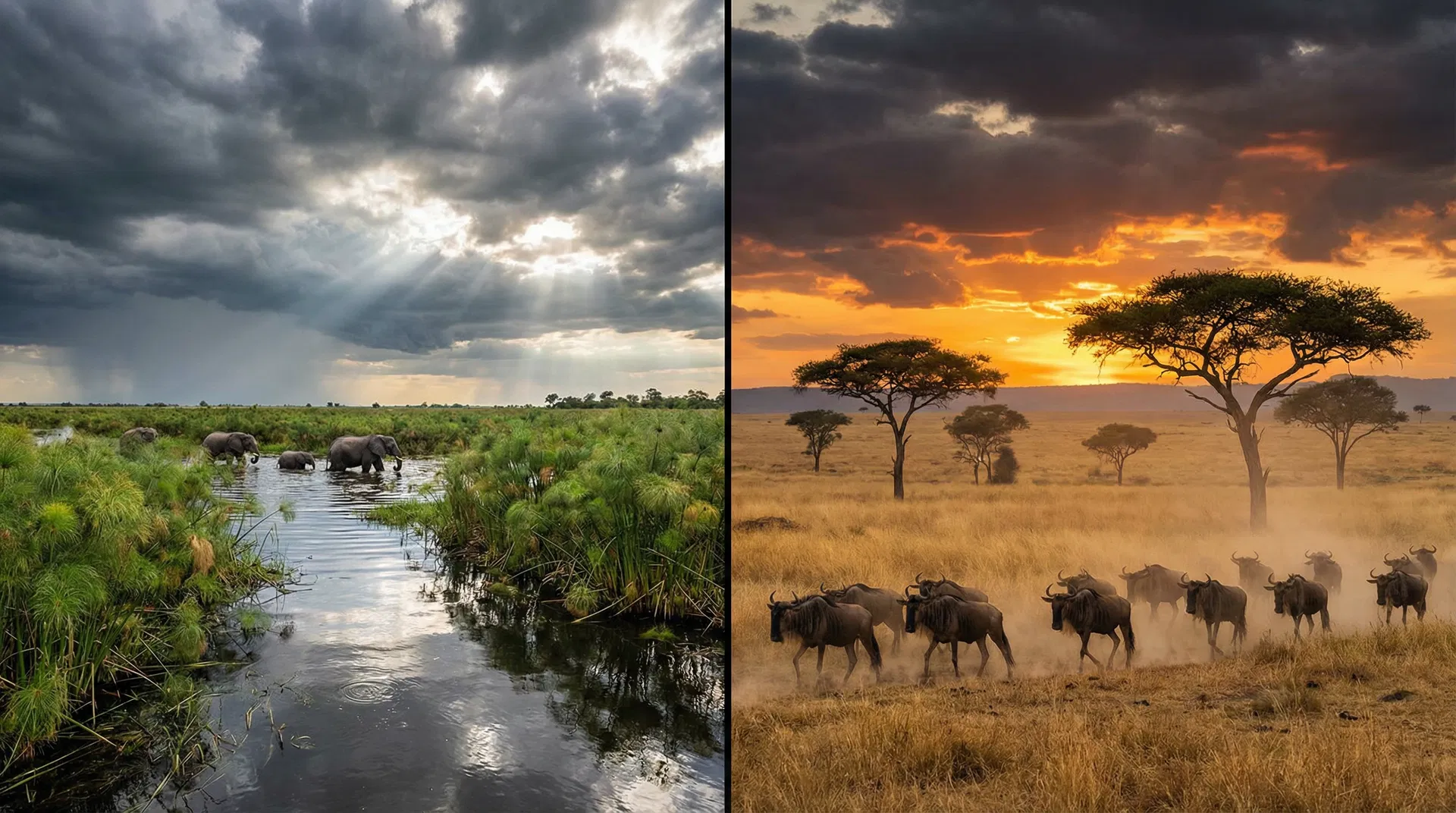 Safari Comparison Articles
Night Safari vs Day Safari Comparison
An in-depth comparison of Night Safari vs Day Safari Comparison to help you choose the perfect safari experience. Explore the pros, cons, and key differences to
Safari Planning GuidesHow to Plan a 7-Day Safari in Tanzania
Discover how to plan your dream safari with our expert guide on How to Plan a 7-Day Safari in Tanzania. Get tips on destinations, costs, and more.
Safari Planning GuidesHow to Plan a Short 3-Day Safari in Kenya
Discover how to plan your dream safari with our expert guide on How to Plan a Short 3-Day Safari in Kenya. Get tips on destinations, costs, and more.
 Safari Cost Guides
How to Budget for a 5-Day Safari
Planning a safari? Learn about how to budget for a 5-day safari. Get expert advice and insights from Safari Intelligence to plan your perfect trip.