Destination Overview
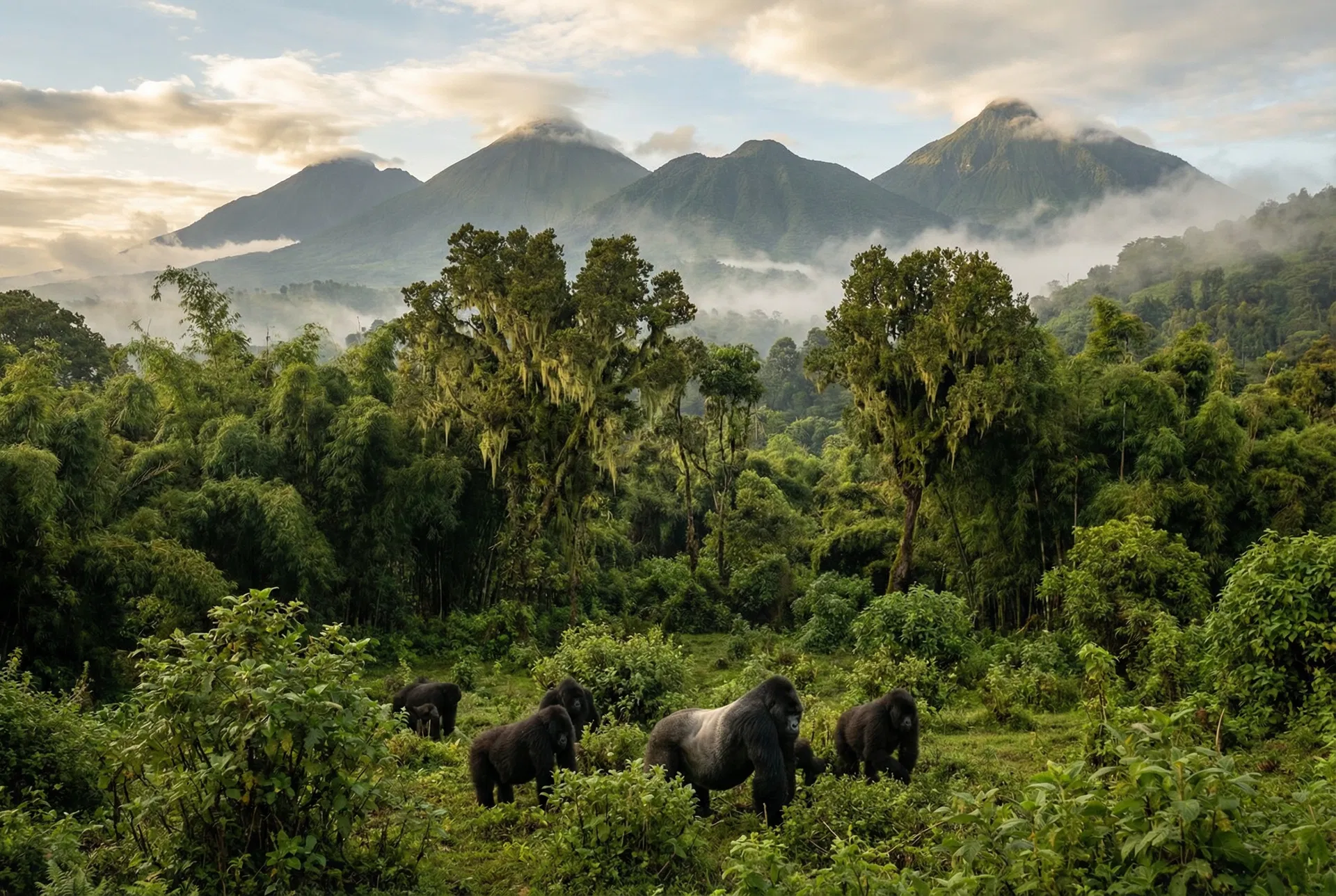
Nestled in the heart of Central Africa, where misty volcanoes pierce the clouds, lies Volcanoes National Park—a sanctuary of emerald rainforests and a haven for the endangered mountain gorilla. Situated in the far northwest of Rwanda, this iconic destination is part of the magnificent Virunga Massif, a chain of dormant volcanoes that stretches across Rwanda, Uganda, and the Democratic Republic of Congo. The park is a rich mosaic of montane ecosystems, from bamboo forests and open grasslands to swamps and heath, creating a breathtaking landscape that has captivated explorers and conservationists for decades. It was here that the renowned primatologist Dian Fossey conducted her groundbreaking research, bringing global attention to the plight of the mountain gorillas and setting in motion a conservation legacy that continues to thrive today. Travelers are drawn to Volcanoes National Park not only for the life-changing experience of encountering mountain gorillas in their natural habitat but also for the opportunity to explore a pristine wilderness teeming with rare and beautiful wildlife.
Wildlife Highlights
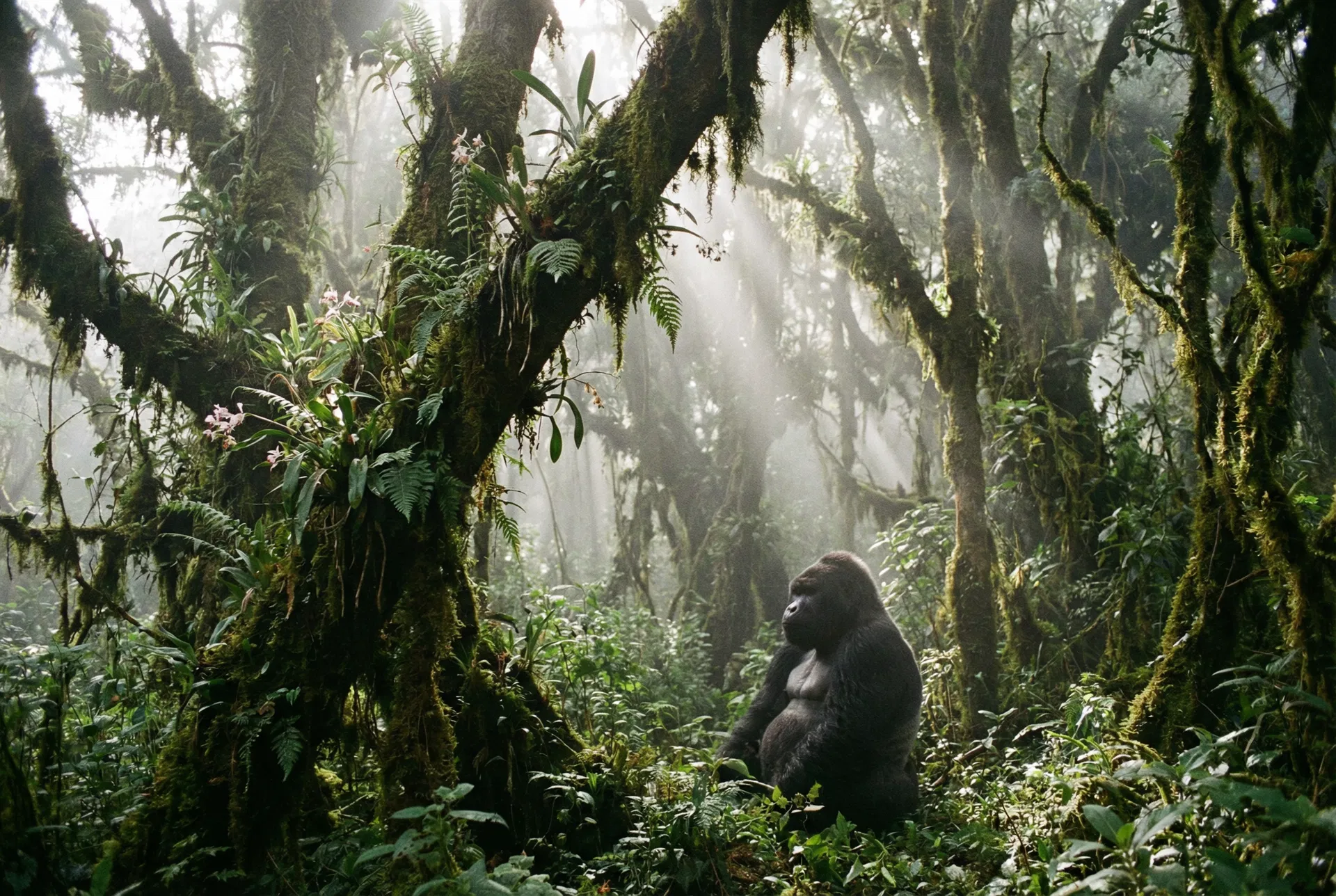
Volcanoes National Park is synonymous with the majestic mountain gorilla. The park is home to a significant portion of the world's remaining mountain gorilla population, and trekking to see these gentle giants is the primary attraction. The park’s habituated gorilla families allow for intimate and respectful encounters, offering a rare glimpse into their complex social lives. Beyond the gorillas, the park is a refuge for a diverse array of wildlife. The rare and playful golden monkey, with its vibrant orange-gold fur, can be seen leaping through the bamboo forests. Other resident mammals include the formidable African buffalo, elusive forest elephants, bushbucks, and a variety of smaller predators. The park is also a birder's paradise, with over 200 species of birds recorded within its boundaries, their calls echoing through the dense rainforest canopy.
Best Time to Visit
Volcanoes National Park is a year-round destination, but the best time to visit for gorilla trekking is during the two dry seasons: from June to September and from December to February. During these months, the trekking trails are less muddy and slippery, making for a more comfortable and enjoyable experience. The weather is also more pleasant, with clearer skies and less rain. The wet seasons, from March to May and from October to November, bring heavier rainfall, which can make the treks more challenging. However, the park is exceptionally lush and green during this time, and there are fewer visitors, offering a more solitary experience. For photographers, the soft, diffused light of the rainy season can create a magical atmosphere for capturing the beauty of the rainforest and its inhabitants.
Safari Experience
The safari experience in Volcanoes National Park is unlike any other in Africa. It is an immersive journey into a world of dense forests and volcanic peaks, where the primary mode of exploration is on foot. The quintessential experience is gorilla trekking, a guided expedition that takes you deep into the rainforest in search of a habituated gorilla family. The treks can be physically demanding, involving hiking over steep and uneven terrain, but the reward of spending an hour in the presence of these magnificent creatures is immeasurable. In addition to gorilla trekking, the park offers golden monkey tracking, a more lighthearted and less strenuous experience. For the more adventurous, hiking one of the park's five volcanoes is a must-do. The trails range from moderate to challenging, with the ascent of Mount Karisimbi, the highest peak, being a two-day endeavor. The safari experience here is intimate, exclusive, and deeply connected to the conservation of this fragile ecosystem.
Landscape and Ecosystem
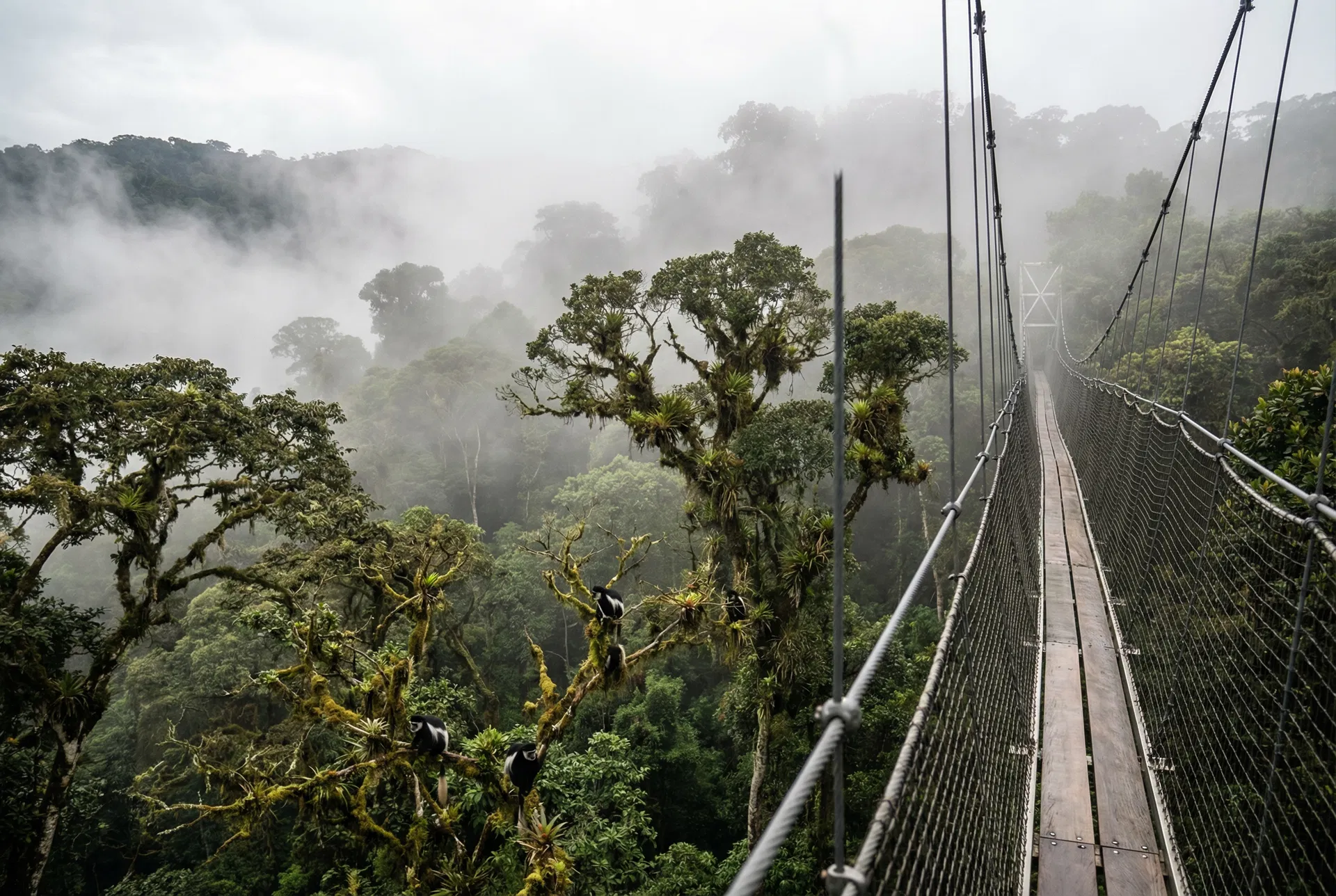
The landscape of Volcanoes National Park is dominated by the dramatic peaks of the Virunga volcanoes, their slopes cloaked in a tapestry of green. The park encompasses five of the eight major volcanoes in the massif: Karisimbi, Bisoke, Muhabura, Gahinga, and Sabyinyo. The ecosystem is a rich and varied montane environment, with distinct vegetation zones that change with altitude. The lower slopes are covered in dense bamboo forests, which give way to hagenia-hypericum woodland and then to sub-alpine and afro-alpine vegetation at the higher elevations. This mosaic of habitats supports a remarkable level of biodiversity and is of immense ecological significance. The park is a critical water catchment area, and its forests play a vital role in regulating the local climate. The conservation of this ecosystem is not only crucial for the survival of the mountain gorillas but also for the well-being of the surrounding communities.
Safari Activities
Volcanoes National Park offers a range of activities that allow visitors to experience its natural and cultural treasures. The primary activity is, of course, gorilla trekking, a once-in-a-lifetime experience that is the main draw for most visitors. Other popular activities include:
- Golden Monkey Tracking: A guided trek to observe the playful and photogenic golden monkeys in their bamboo forest habitat.
- Volcano Hiking: Challenging but rewarding hikes to the summits of the park's volcanoes, offering breathtaking panoramic views.
- Dian Fossey Tomb Hike: A pilgrimage to the tomb of the pioneering primatologist Dian Fossey and the Karisoke Research Center she established.
- Musanze Caves: An exploration of the ancient Musanze Caves, formed by centuries of volcanic activity.
- Cultural Village Tours: A visit to the Iby’Iwacu Cultural Village to learn about traditional Rwandan culture, music, and dance.
- Birdwatching: With over 200 bird species, the park is a rewarding destination for bird enthusiasts.
Where It Is Located
Volcanoes National Park is located in the northwestern part of Rwanda, approximately a 2.5-hour drive from the capital city of Kigali and its international airport (Kigali International Airport - KGL). The park headquarters, where all trekking activities begin, is located in the town of Kinigi. The park is easily accessible by road, and most visitors arrange their transportation through a tour operator. The close proximity to Kigali makes it possible to do a one-day gorilla trek, although it is recommended to spend at least two nights in the area to acclimatize and fully appreciate the beauty of the park.
Who This Destination Is Best For
Volcanoes National Park is a destination that appeals to a wide range of travelers, but it is particularly well-suited for:
- Wildlife Enthusiasts and Conservationists: Those with a deep passion for wildlife and a desire to support conservation efforts will find the gorilla trekking experience to be profoundly moving.
- Adventure Seekers: The challenging volcano hikes and the thrill of trekking through the rainforest will appeal to those with a sense of adventure.
- Luxury Travelers: The area around the park offers a selection of high-end lodges that provide a luxurious and exclusive safari experience.
- Photographers: The stunning landscapes, the unique wildlife, and the soft, misty light create a photographer's paradise.
- Cultural Explorers: The opportunity to visit local communities and learn about Rwandan culture adds a rich cultural dimension to the safari experience.