Destination Overview
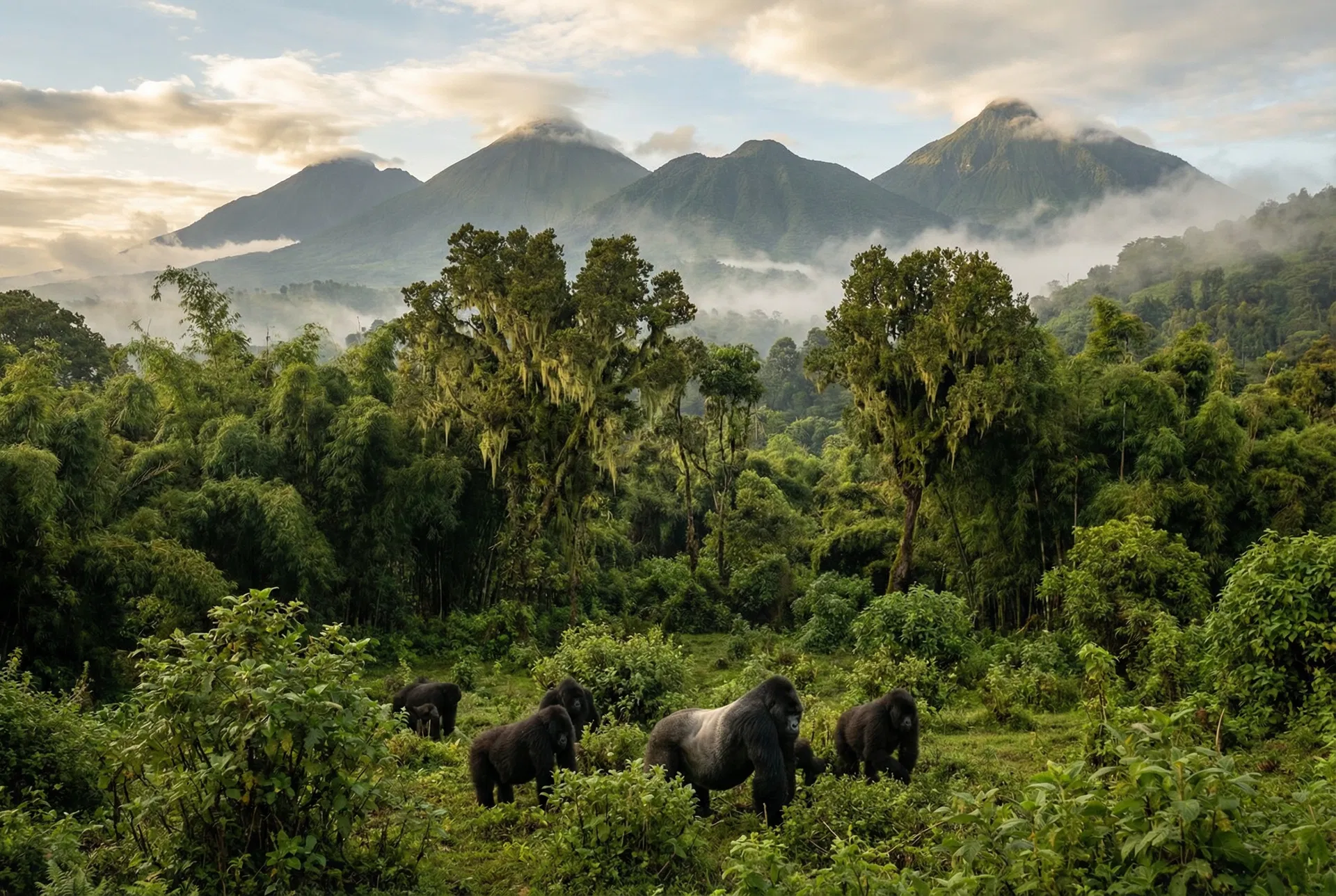
Akagera National Park, located in the Eastern Province of Rwanda, is a story of remarkable resilience and regeneration. Once a landscape decimated by poaching and human-wildlife conflict in the aftermath of the 1994 Rwandan Genocide, Akagera has been transformed into a thriving Big Five safari destination. Today, it stands as a testament to successful conservation efforts, offering visitors a unique opportunity to witness the revival of a diverse African wilderness. The park is known for its stunning landscapes, which encompass a mosaic of savannah plains, rolling highlands, and vast wetlands, making it one of the most scenic reserves in Africa. Travelers are drawn to Akagera for its exceptional biodiversity, its tranquil and uncrowded safari experience, and the chance to be part of a conservation success story.
Wildlife Highlights
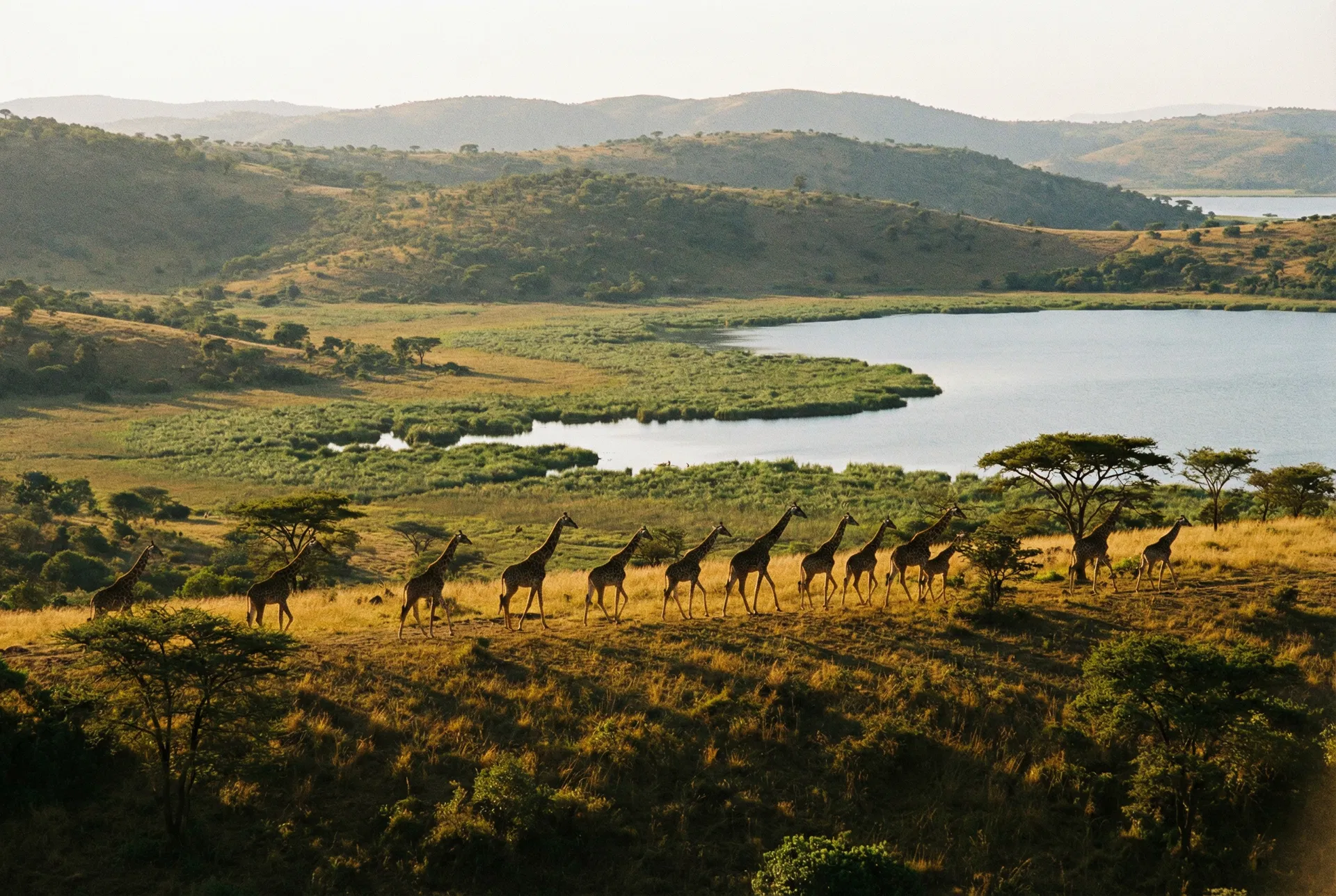
Akagera National Park is home to a rich diversity of wildlife, including the iconic Big Five: the African lion, leopard, elephant, rhinoceros (both black and white), and Cape buffalo. The park’s successful reintroduction programs have seen the return of lions and rhinos, which were once locally extinct. Visitors can also expect to see a wide array of other species, including Masai giraffes, Burchell's zebras, and numerous antelope species such as the topi, roan antelope, and the majestic eland. The park's wetlands are a haven for hippos and Nile crocodiles, while the savannah is home to predators like the spotted hyena and the elusive leopard. Birdwatchers will be delighted by the park's 500-plus bird species, including the rare and sought-after shoebill stork, the papyrus gonolek, and a variety of raptors and waterbirds.
Best Time to Visit
The best time to visit Akagera National Park is during the dry seasons, from June to September and from mid-December to mid-February. During these months, the weather is pleasant, and the scarcity of water draws animals to the park's lakes and waterholes, making for excellent wildlife viewing. The vegetation is also less dense, which improves visibility. The wet seasons, from March to May and from October to November, bring rain and lush green landscapes. While wildlife viewing can be more challenging during these months, the park is at its most beautiful, and birdwatching is at its peak. The wet season is also a great time for photographers to capture the dramatic skies and vibrant colors of the Rwandan landscape.
Safari Experience
The safari experience in Akagera is unique and varied, offering a range of activities to suit different interests. Game drives are the primary way to explore the park, with both day and night drives available. Day drives offer the chance to see a wide variety of animals in their natural habitat, while night drives provide an opportunity to spot nocturnal creatures such as leopards, hyenas, and civets. Boat safaris on Lake Ihema are a highlight of any visit to Akagera, offering a different perspective on the park's wildlife and providing close encounters with hippos, crocodiles, and a plethora of waterbirds. For those seeking a more active experience, guided nature walks and hikes are available, allowing visitors to explore the park on foot and learn about its smaller creatures and plant life.
Landscape and Ecosystem
Akagera National Park is characterized by its diverse and stunning landscapes. The park’s western boundary is marked by rolling hills and valleys, which gradually give way to the open savannah plains of the east. The Kagera River, which gives the park its name, flows along the eastern border, feeding a series of lakes and papyrus swamps that make up one of the largest protected wetlands in Central Africa. This unique combination of ecosystems supports a wide variety of flora and fauna, from the acacia woodlands and grasslands of the savannah to the dense papyrus swamps and the montane forests of the highlands. The park's ecological significance lies in its role as a vital water source and a refuge for a wide range of species, many of which are rare or endangered.
Safari Activities
Akagera National Park offers a wide range of activities for visitors to enjoy. In addition to the classic game drives and boat safaris, the park also offers birdwatching tours, guided nature walks, and fishing excursions on Lake Shakani. For a deeper insight into the park's conservation efforts, visitors can participate in a "behind-the-scenes" tour, which provides a glimpse into the day-to-day management of the park. Cultural tours to the nearby communities are also available, offering visitors a chance to learn about the local culture and traditions. For the more adventurous, the "walk the line" tour offers a unique opportunity to walk along the park's boundary fence with a guide and learn about the challenges of conservation in the area.
Where It Is Located
Akagera National Park is located in the Eastern Province of Rwanda, on the border with Tanzania. The park is approximately a two-hour drive from the capital city of Kigali, making it easily accessible for visitors. The nearest international airport is Kigali International Airport (KGL), which is served by a number of international airlines. From Kigali, visitors can either drive to the park or take a domestic flight to a nearby airstrip.
Who This Destination Is Best For
Akagera National Park is an ideal destination for a wide range of travelers. First-time safari-goers will appreciate the park's easy accessibility and the opportunity to see the Big Five in a relatively compact area. Luxury travelers will find a selection of high-end lodges and camps that offer a comfortable and exclusive safari experience. Photographers will be captivated by the park's stunning landscapes and diverse wildlife. Families will enjoy the variety of activities on offer, from game drives and boat safaris to fishing and cultural tours. Adventure seekers will relish the opportunity to explore the park on foot through guided walks and hikes. Akagera is also a great destination for those interested in conservation, offering a unique opportunity to witness the successful revival of a once-threatened ecosystem.