_A remote and hauntingly beautiful expanse of desert meeting the Atlantic, the Skeleton Coast is one of the world’s last true wildernesses. This guide provides an in-depth look at this captivating destination._
Destination Overview
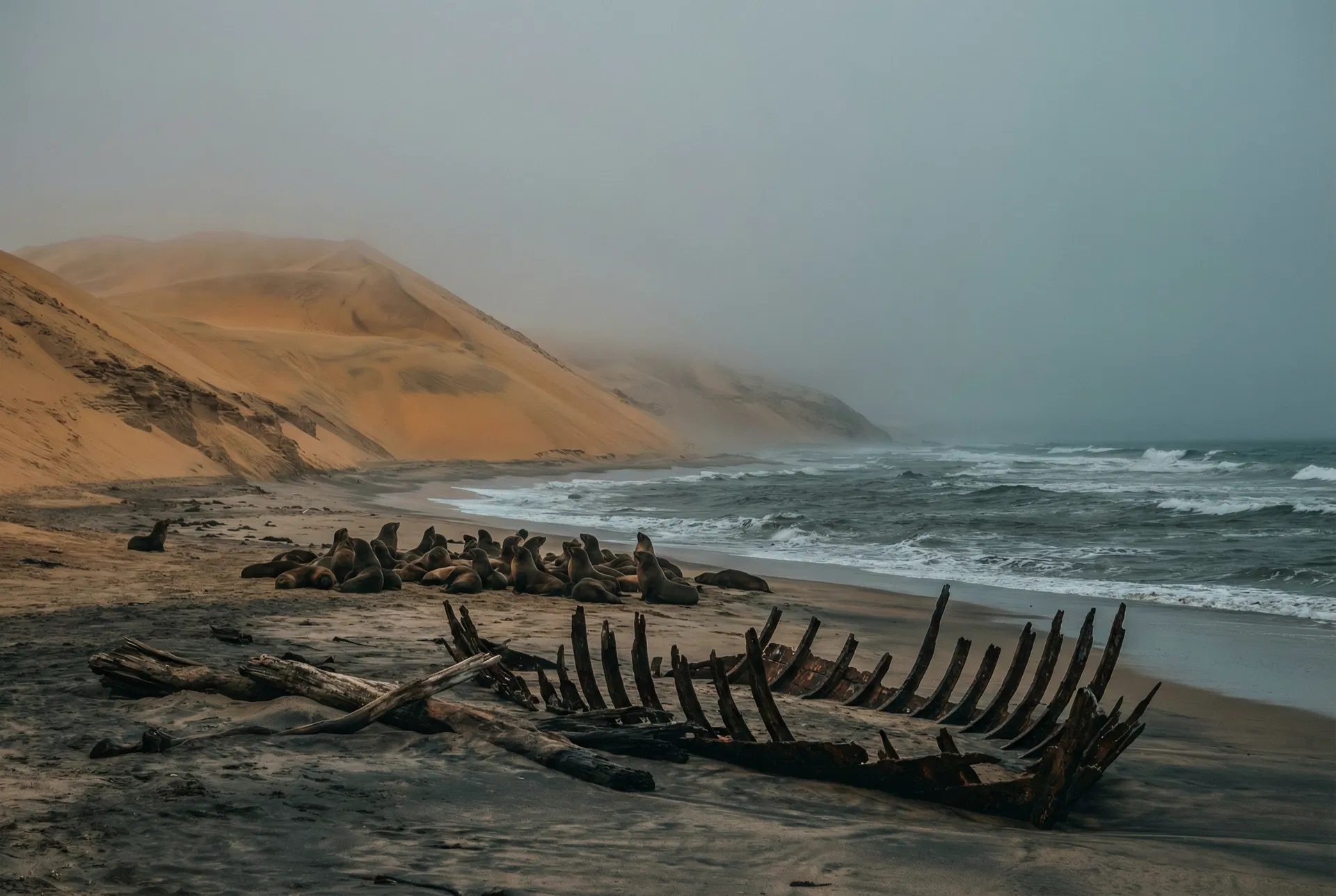
The Skeleton Coast, located in the northern part of Namibia's Atlantic coast, is a destination that evokes a sense of mystery and raw, untouched beauty. Stretching from the Kunene River on the Angolan border down to the Swakop River, this vast and sparsely populated region is a place of dramatic contrasts. It is where the world’s oldest desert, the Namib, collides with the cold, turbulent waters of the Atlantic Ocean. The coast gets its name from the skeletal remains of whales and seals that once littered the shoreline, a grim reminder of the now-banned whaling industry, and the numerous shipwrecks that have met their end in the treacherous, fog-laden waters. For centuries, this coastline was feared by sailors, who called it “The Gates of Hell,” while the indigenous San people referred to it as “The Land God Made in Anger.” Today, it is a destination for the adventurous traveler, a place to witness the power of nature and experience a profound sense of solitude.
Wildlife Highlights
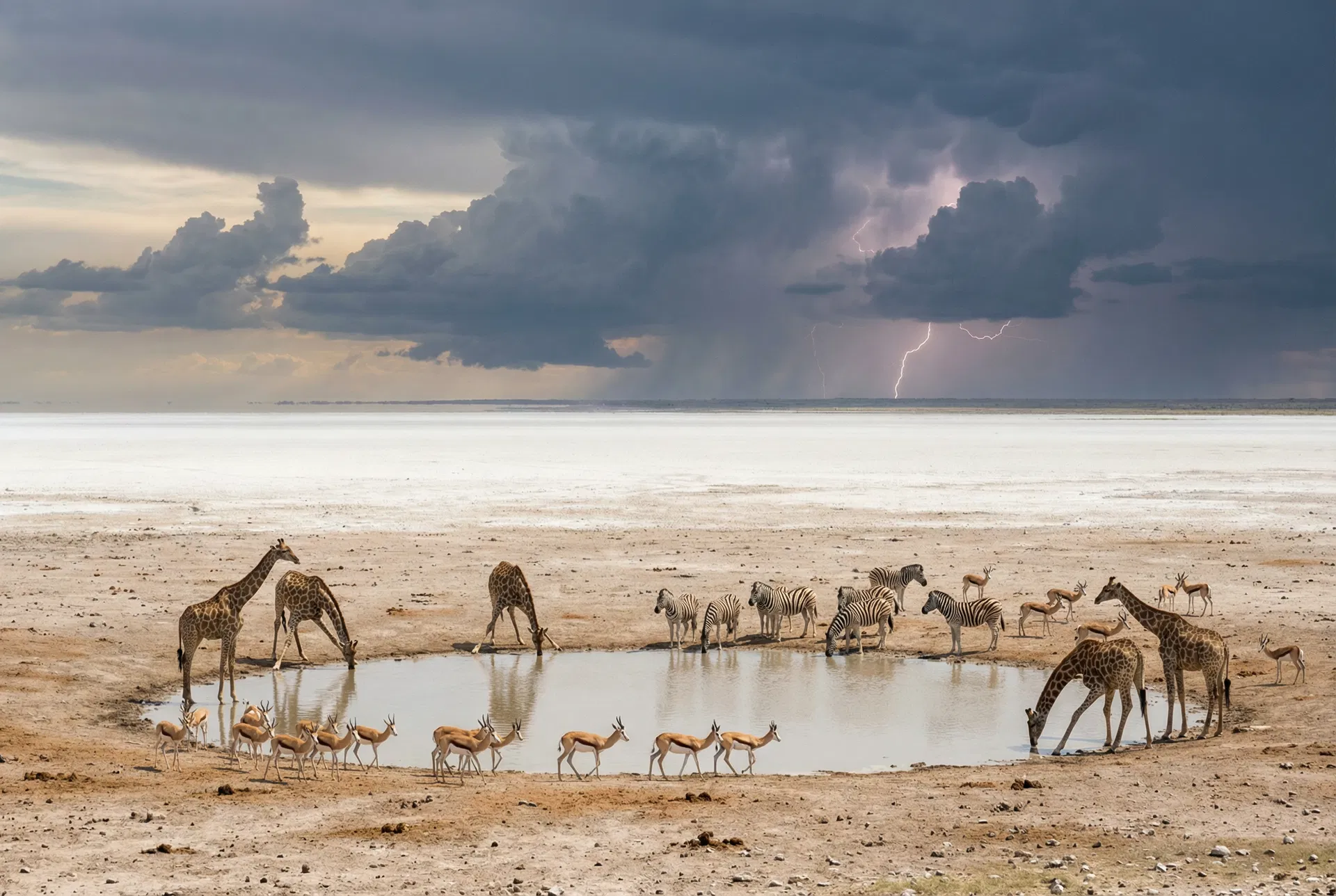
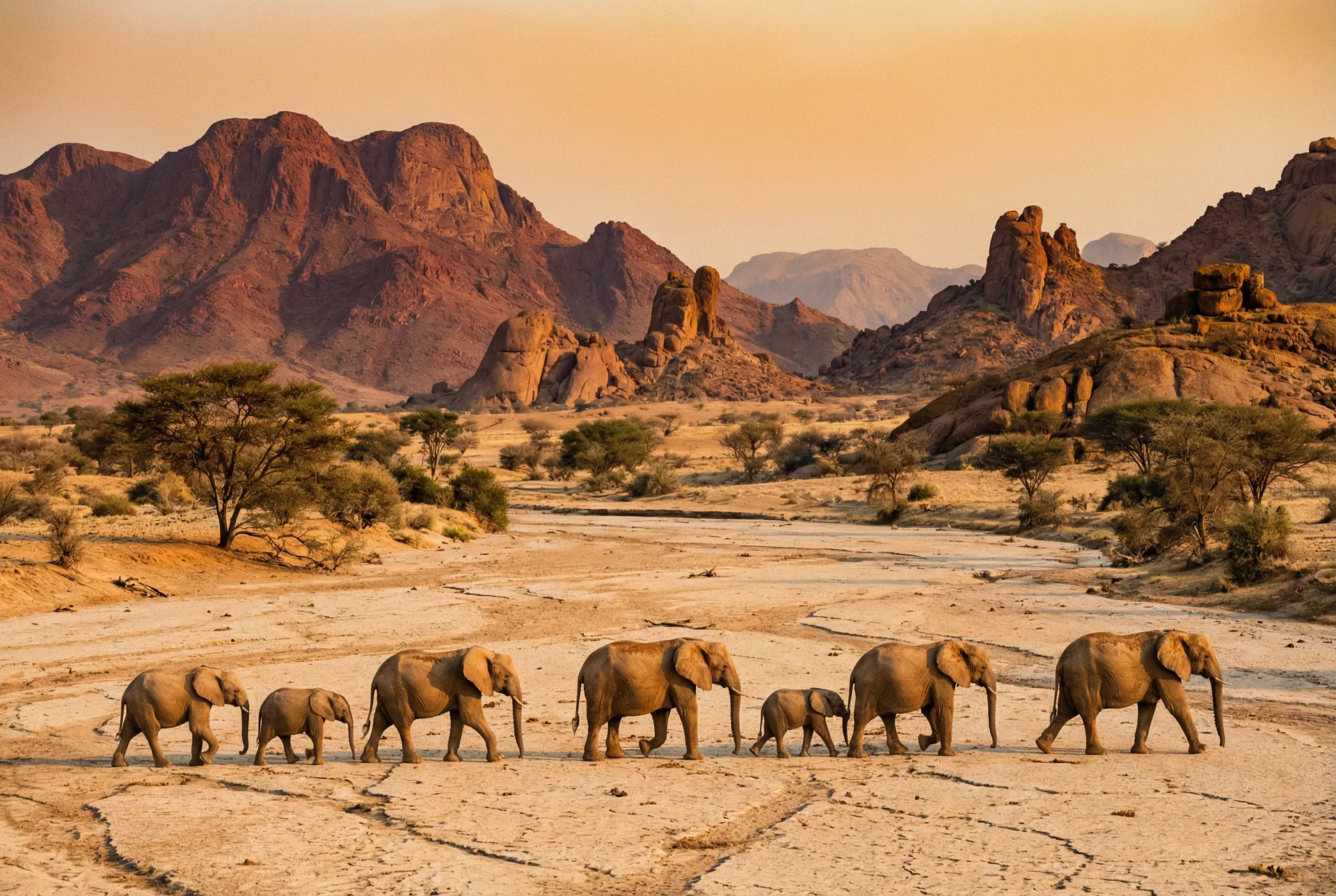
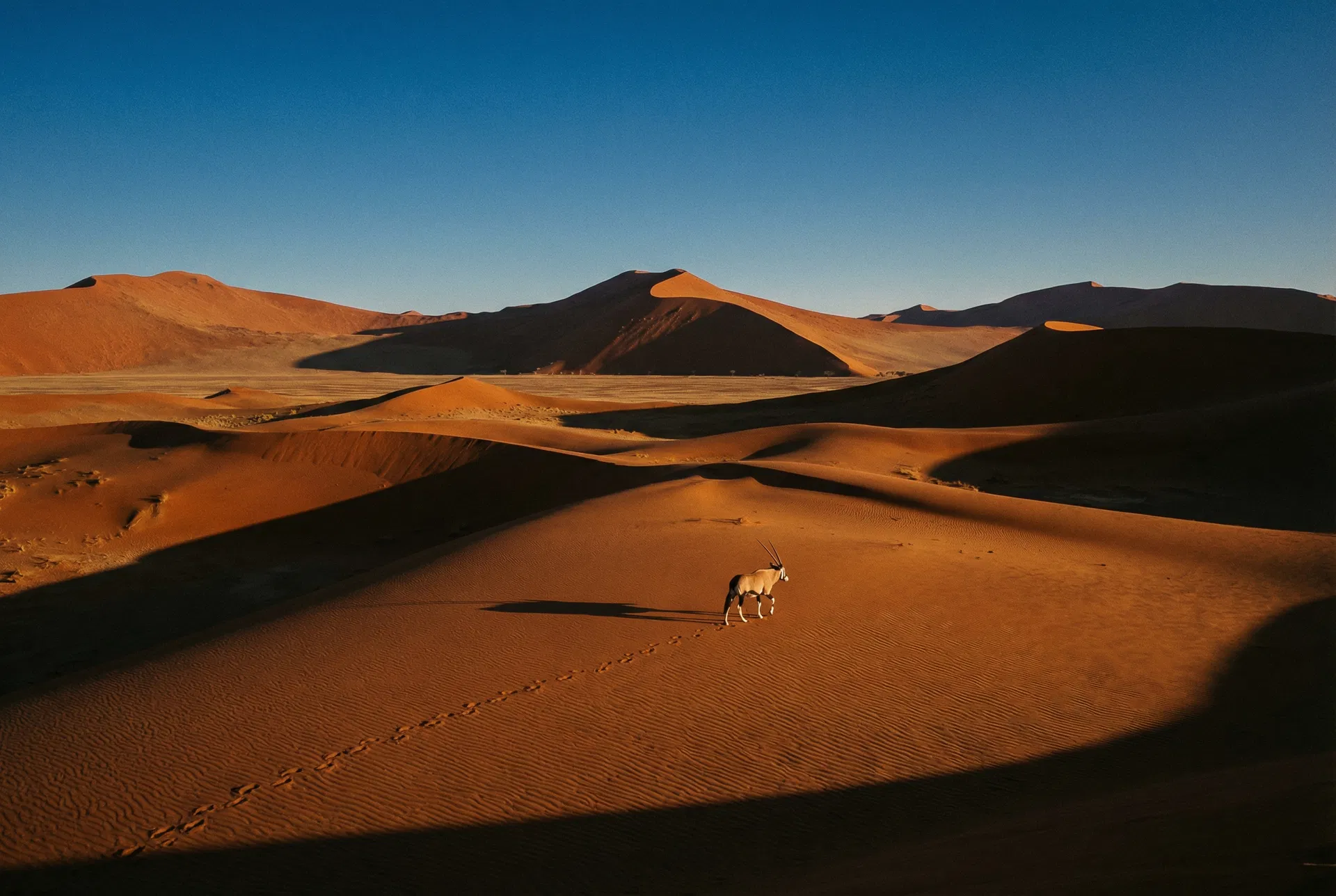
Despite its arid and seemingly inhospitable environment, the Skeleton Coast is home to a surprising array of wildlife that has adapted to survive in this extreme landscape. The most iconic of these are the desert-adapted elephants, which are smaller than their savanna counterparts and have larger feet to help them traverse the sandy terrain. These elephants are known to travel long distances in search of water and food, often digging their own wells in dry riverbeds. Another remarkable resident is the desert lion, a unique population that has adapted to hunt marine life, including seals and cormorants, along the coast. Other desert-adapted species include the black rhinoceros, giraffe, gemsbok (oryx), springbok, and brown hyena. The coastline itself is teeming with life. The Cape Cross Seal Reserve, located in the southern part of the Skeleton Coast, is home to one of the largest colonies of Cape fur seals in the world, with tens of thousands of seals congregating on the beach. The nutrient-rich waters of the Benguela Current also support a rich diversity of birdlife, including flamingos, pelicans, and cormorants.
Best Time to Visit
The Skeleton Coast can be visited year-round, but the best time to visit is during the dry season, from May to October. During these months, the weather is cooler and drier, and the fog that often blankets the coast is less dense, making for better visibility and wildlife viewing. This is also the peak season for tourism in Namibia, so it is advisable to book accommodations and tours in advance. The wet season, from November to April, brings hotter and more humid weather, and the fog can be quite thick, especially in the mornings. However, this is also the best time for birdwatching, as many migratory species arrive during these months. The landscape is also transformed during the wet season, with the desert plains bursting into a carpet of green after the rains.
Safari Experience
A safari on the Skeleton Coast is unlike any other in Africa. The vast, open landscapes and the feeling of complete isolation are what make this destination so unique. The safari experience here is not about ticking off a list of the Big Five, but rather about immersing oneself in the raw, untamed wilderness. Game drives are conducted in specially adapted 4x4 vehicles that can handle the challenging terrain. These drives often follow the dry riverbeds, where wildlife congregates in search of water. Fly-in safaris are a popular way to experience the Skeleton Coast, offering a breathtaking aerial perspective of the dramatic coastline, the vast dune fields, and the scattered shipwrecks. These safaris typically involve staying at remote, exclusive camps that offer a high level of comfort and service in the heart of the wilderness. Walking safaris are also available in some areas, providing an opportunity to explore the smaller details of the desert ecosystem, from the fascinating succulent plants to the tracks of the desert-adapted wildlife.
Landscape and Ecosystem
The landscape of the Skeleton Coast is a photographer’s dream, a place of stark beauty and dramatic contrasts. The coastline is a long, straight stretch of sand, pounded by the relentless surf of the Atlantic. Inland, the landscape is a mix of gravel plains, rocky canyons, and towering sand dunes. The dunes, some of which are among the highest in the world, are constantly being sculpted by the wind, creating an ever-changing landscape of shapes and shadows. The cold Benguela Current, which flows up from the Antarctic, is the lifeblood of the Skeleton Coast ecosystem. The upwelling of nutrient-rich water supports a thriving marine ecosystem, which in turn provides food for the coastal wildlife. The current also creates the dense fogs that roll in from the sea, providing a vital source of moisture for the desert plants and animals.
Safari Activities
The Skeleton Coast offers a range of activities for the adventurous traveler. Game drives are the most popular activity, offering the chance to see the desert-adapted wildlife in its natural habitat. Fly-in safaris provide a unique perspective of the vast and remote landscape. For the more adventurous, there are opportunities for quad biking and sandboarding on the dunes. The coastline is also a popular destination for surf fishing, with anglers hoping to catch a variety of species, including kob and steenbras. A visit to the Cape Cross Seal Reserve is a must-do, offering an unforgettable wildlife experience. For those interested in history, the shipwrecks that litter the coast are a fascinating sight, a testament to the treacherous nature of these waters.
Where It Is Located
The Skeleton Coast is located in the northern part of Namibia, on the Atlantic coast. The main gateway to the region is the town of Swakopmund, which is located at the southern end of the Skeleton Coast. From Swakopmund, it is a long and dusty drive to the entrance of the Skeleton Coast National Park. The park is divided into two sections: the southern section, which is accessible to self-drivers, and the northern section, which is a protected wilderness area and can only be visited with a licensed tour operator. The nearest international airport is Hosea Kutako International Airport in Windhoek, the capital of Namibia. From Windhoek, it is a scenic drive or a short flight to Swakopmund.
Who This Destination Is Best For
The Skeleton Coast is not a destination for everyone. It is a place for the adventurous traveler, the photographer, the nature lover, and the seeker of solitude. It is for those who are looking for a truly unique and off-the-beaten-path safari experience. The Skeleton Coast is not recommended for first-time safari-goers or families with young children, as the long drives and the harsh environment can be challenging. It is a destination for those who are willing to trade the comforts of a traditional safari for the raw, untamed beauty of one of the world’s last great wildernesses.