Destination Overview
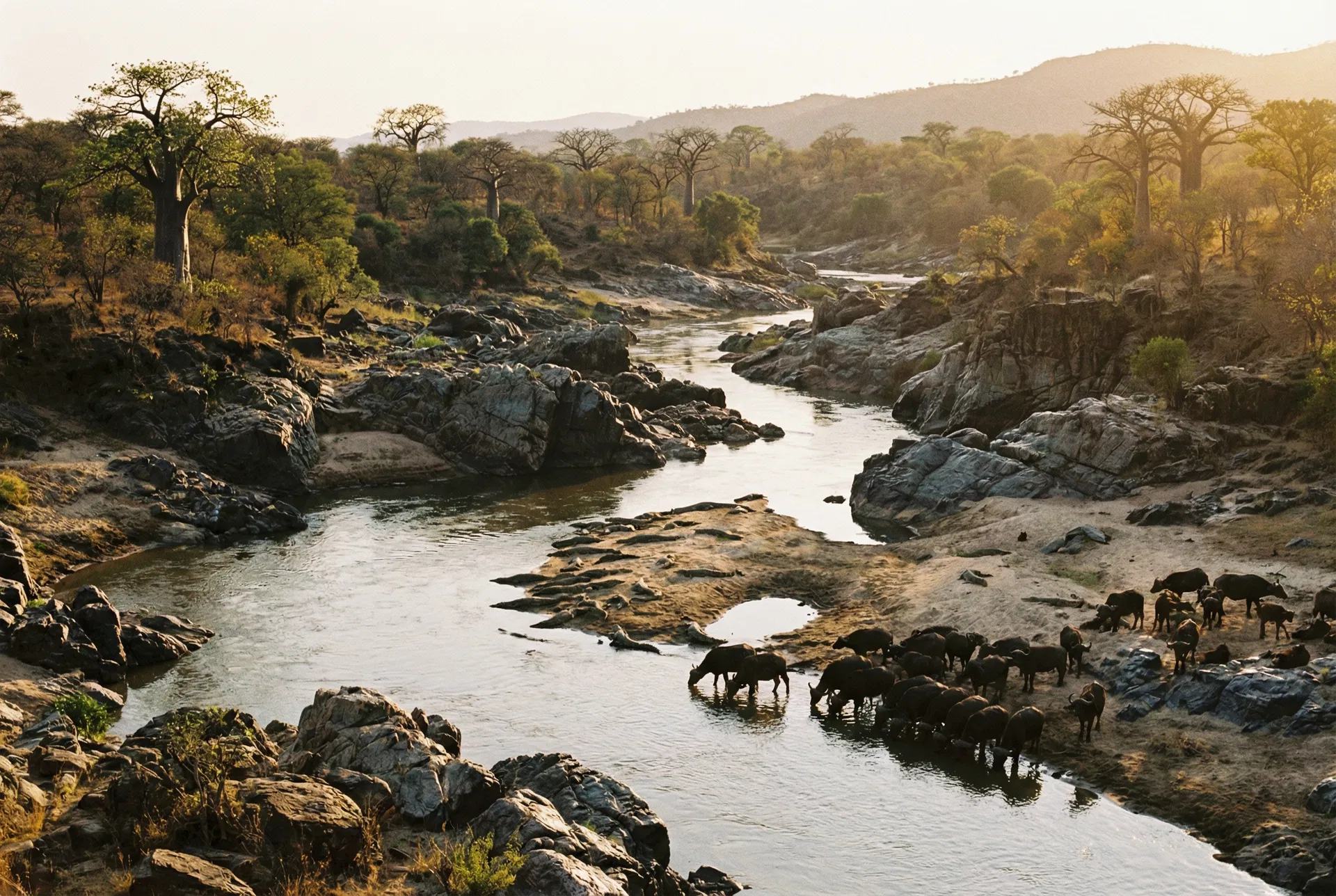
Ruaha National Park, located in the heart of Tanzania, is the nation’s largest protected wildlife area, a vast and rugged wilderness that offers a safari experience of unparalleled exclusivity and adventure. Named after the Great Ruaha River that flows along its southeastern border, the park is a lifeline for the region’s abundant wildlife. Unlike the more frequented northern parks, Ruaha remains a hidden gem, a remote and untamed landscape that appeals to the discerning traveler seeking an authentic connection with the African bush. Its dramatic scenery is a captivating blend of rolling hills, expansive open plains, and ancient baobab groves, creating a sense of timeless wilderness that is both profound and inspiring.
Wildlife Highlights
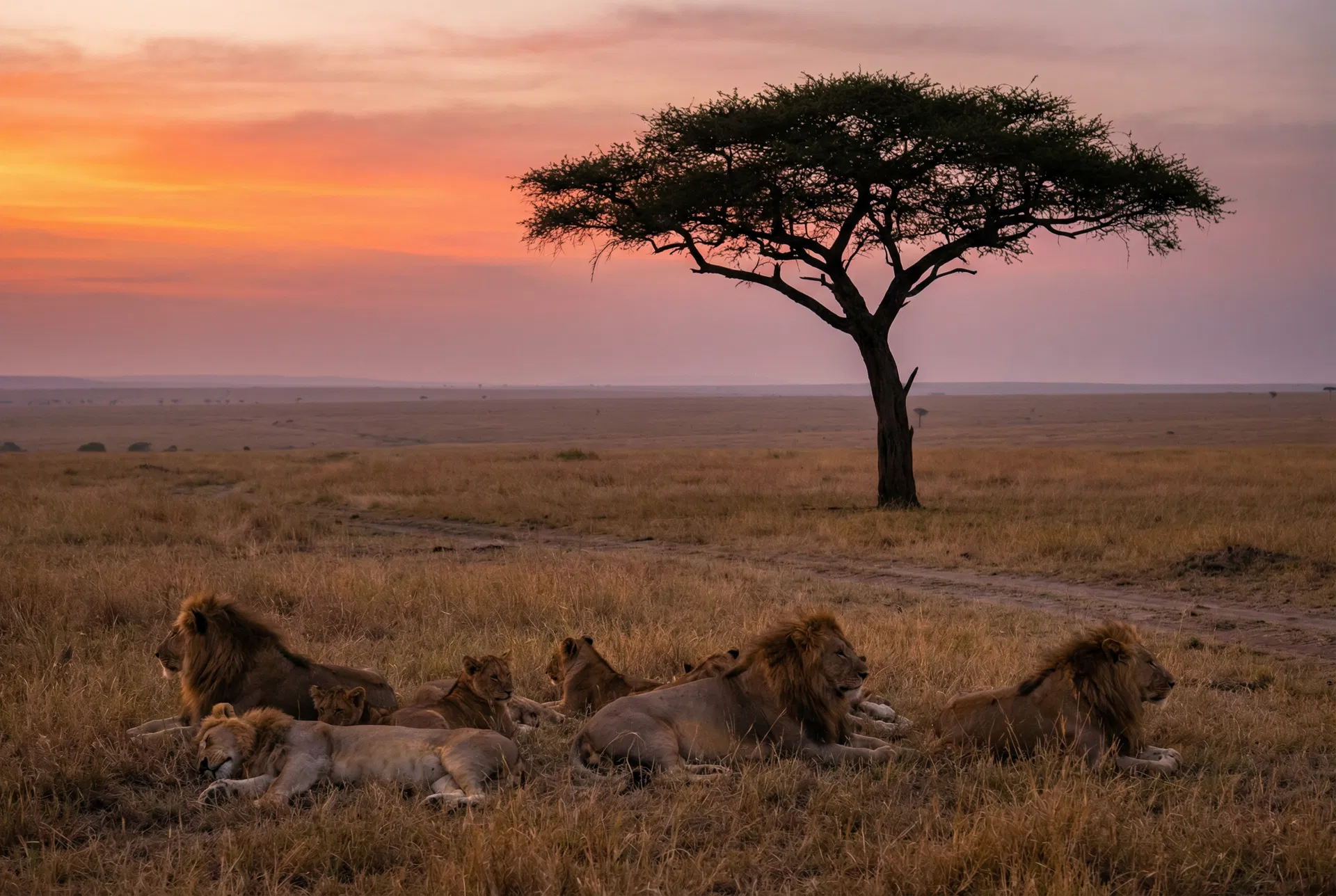
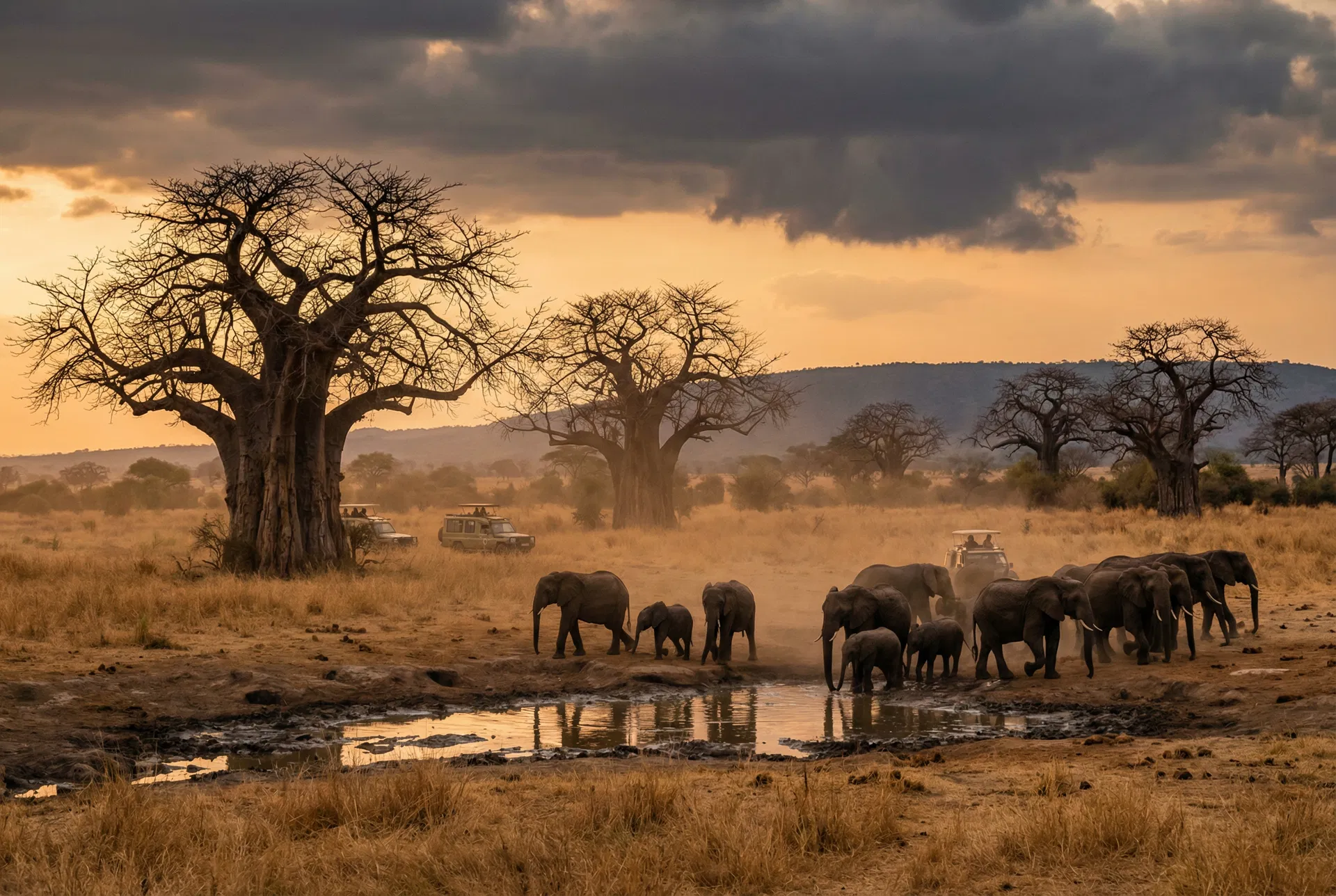
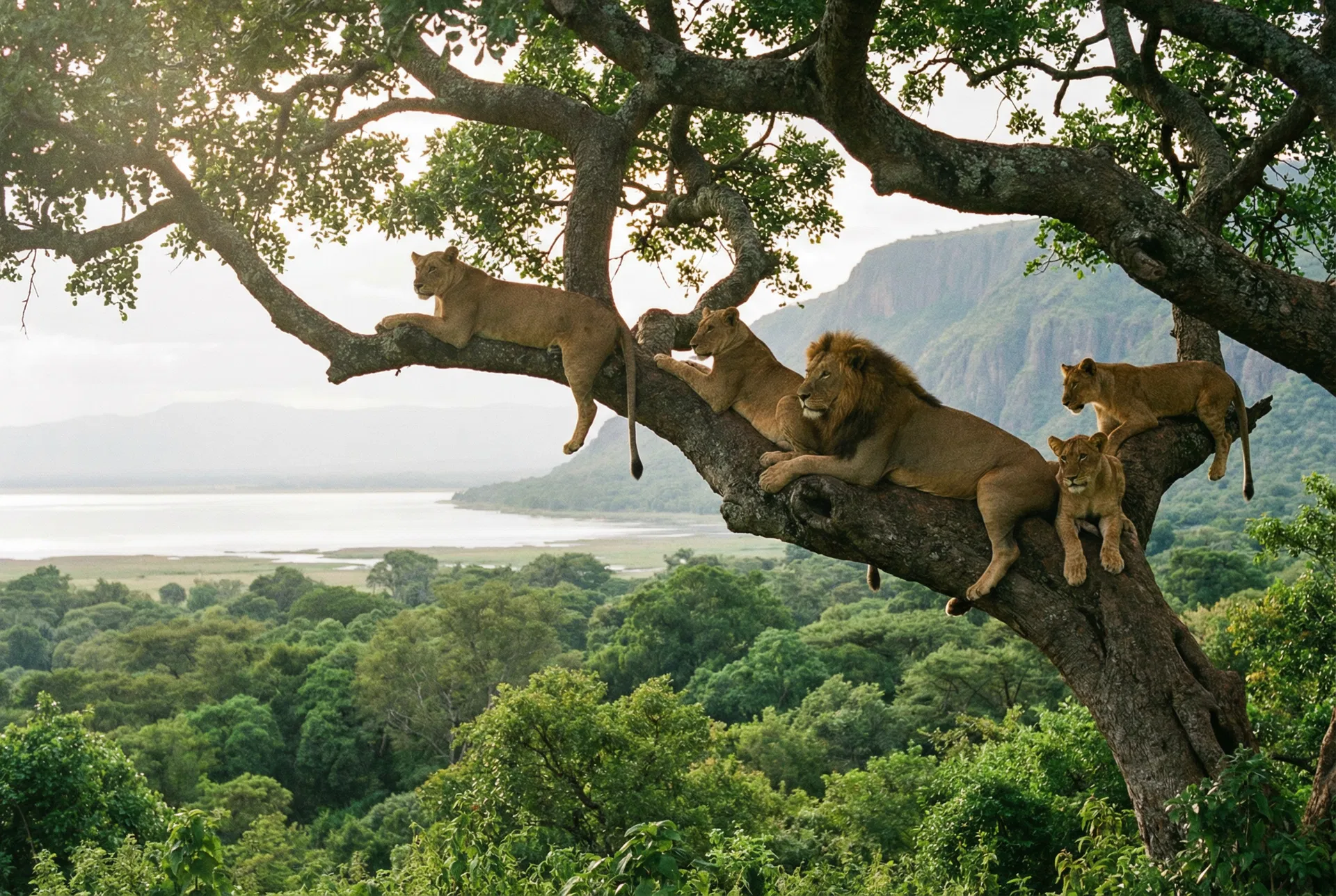
Ruaha National Park is a sanctuary for a remarkable diversity of wildlife, a place where species from both Southern and East Africa converge. The park is renowned for its exceptional predator concentrations, boasting one of the world’s most significant lion populations, with an estimated 10% of the global total residing within its borders. Leopards are frequently sighted, and the park is a crucial stronghold for the endangered African wild dog. Ruaha is also home to one of Tanzania’s largest elephant populations, and herds of these gentle giants are a common sight along the riverbeds. The park’s unique ecosystem supports a rich array of antelope species, including the majestic greater and lesser kudu, as well as sable and roan antelope. With a checklist of over 570 bird species, Ruaha is a paradise for ornithologists, offering some of the most rewarding birdwatching in Africa.
Best Time to Visit
The optimal time for wildlife viewing in Ruaha National Park is during the dry season, which extends from June to October. As water sources become scarce, animals congregate along the Great Ruaha River and other permanent waterholes, making for exceptional game viewing opportunities. The vegetation is less dense during this period, further enhancing visibility. The "green season," from January to June, offers a different perspective, with the landscape transformed into a lush and vibrant panorama. This is an excellent time for birdwatching, as migratory species arrive and resident birds are in their breeding plumage. While wildlife may be more dispersed during the green season, the stunning scenery and lower visitor numbers provide a unique and rewarding safari experience.
Safari Experience
A safari in Ruaha National Park is an immersive journey into a truly wild and untamed corner of Africa. The park’s vastness and low visitor density create an atmosphere of exclusivity and solitude, allowing for an intimate and personal connection with nature. Game drives are the primary means of exploring the park’s diverse landscapes and encountering its abundant wildlife. Led by expert guides, these excursions offer the chance to track predators, observe elephant herds, and marvel at the park’s rich biodiversity. For a more intimate and adventurous experience, guided walking safaris are available, providing a unique opportunity to learn about the smaller details of the ecosystem, from animal tracks to medicinal plants. Night drives offer a glimpse into the nocturnal world of Ruaha, revealing a host of fascinating creatures that are active after dark. In the Usangu wetlands, boating safaris provide a different perspective, allowing for close encounters with hippos, crocodiles, and a variety of water birds.
Landscape and Ecosystem
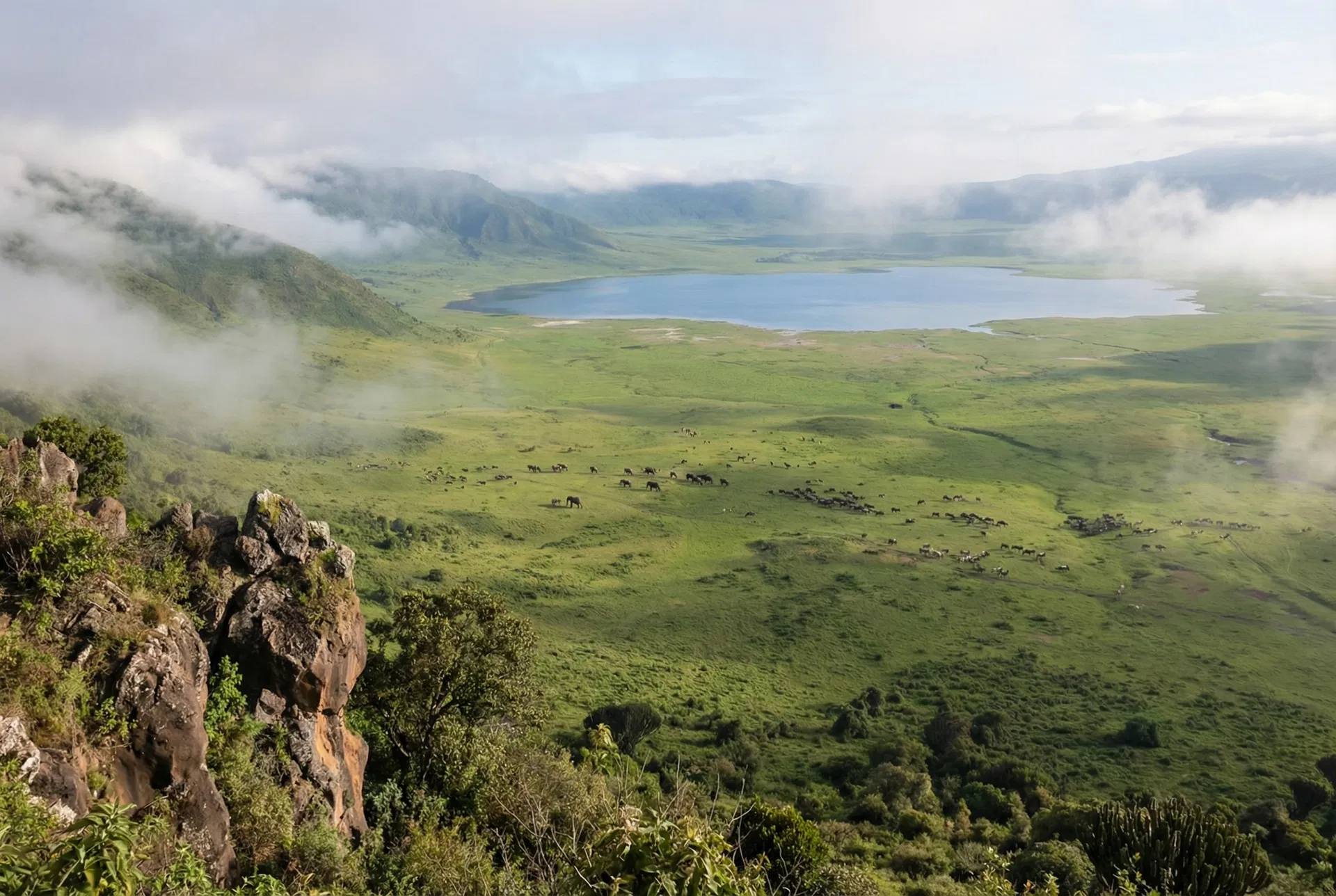
Ruaha National Park is a landscape of dramatic contrasts and breathtaking beauty. Its diverse topography encompasses rolling hills, vast open plains, and rugged escarpments, all punctuated by the iconic silhouettes of ancient baobab trees. The Great Ruaha River is the park’s lifeblood, a vital water source that carves its way through the landscape, creating a network of sand rivers and seasonal tributaries. The park’s unique location at the convergence of two distinct ecoregions has resulted in a remarkable blend of flora and fauna, with species from both Southern and East Africa found within its borders. This ecological crossroads contributes to the park’s exceptional biodiversity and makes it a fascinating destination for nature enthusiasts.
Safari Activities
Ruaha National Park offers a range of safari activities to suit every interest and level of adventure. Game drives are the most popular way to explore the park, providing the opportunity to cover large distances and encounter a wide variety of wildlife. Guided walking safaris offer a more intimate and immersive experience, allowing for a deeper appreciation of the bush and its inhabitants. For those seeking a unique perspective, night drives reveal the secrets of the nocturnal world, while boating safaris on the Usangu wetlands provide a tranquil and scenic way to observe the park’s aquatic life. Birdwatching is a highlight of any visit to Ruaha, with over 570 species recorded in the park.
Where It Is Located
Ruaha National Park is situated in the heart of southern Tanzania, approximately 130 kilometers west of Iringa. The park is part of a larger ecosystem that includes the Rungwa and Usangu Game Reserves. Due to its remote location, Ruaha is most easily accessed by light aircraft from Dar es Salaam, Arusha, or the Selous Game Reserve. The flight itself is a scenic journey over the Tanzanian wilderness, offering a spectacular introduction to the park’s vast and untamed landscapes.
Who This Destination Is Best For
Ruaha National Park is the ideal destination for the discerning safari enthusiast who seeks an authentic and exclusive wilderness experience. Its remote location and low visitor numbers appeal to those who wish to escape the crowds and immerse themselves in the solitude of the African bush. The park’s exceptional wildlife viewing, particularly its large predator populations, makes it a top choice for seasoned safari-goers and wildlife photographers. The opportunity for walking safaris and night drives also attracts the more adventurous traveler. While Ruaha may not be the ideal choice for a first-time safari visitor due to its remoteness, it offers an unforgettable and deeply rewarding experience for those who are willing to venture off the beaten path.