Meta Description: Discover the wild heart of Tanzania at Nyerere National Park, Africa's largest safari destination. This guide covers wildlife, best travel times, and unique safari experiences.
Destination Overview
Nyerere National Park, located in southern Tanzania, is a vast and untamed wilderness that stands as Africa’s largest national park. Formerly the northern part of the Selous Game Reserve, the park was established in 2019 and named in honor of Tanzania's founding father, Mwalimu Julius Nyerere. Covering an immense area of over 30,000 square kilometers, Nyerere protects one of the most pristine and relatively undisturbed ecosystems on the continent. Its sheer scale and remote location mean that it receives a fraction of the visitors of the more famous northern parks, offering a more exclusive and intimate safari experience for those who venture here. The park is renowned for its wild and raw beauty, with the mighty Rufiji River being its lifeblood, carving a path through the landscape and creating a network of lakes, channels, and lagoons that attract a phenomenal concentration of wildlife.
Wildlife Highlights
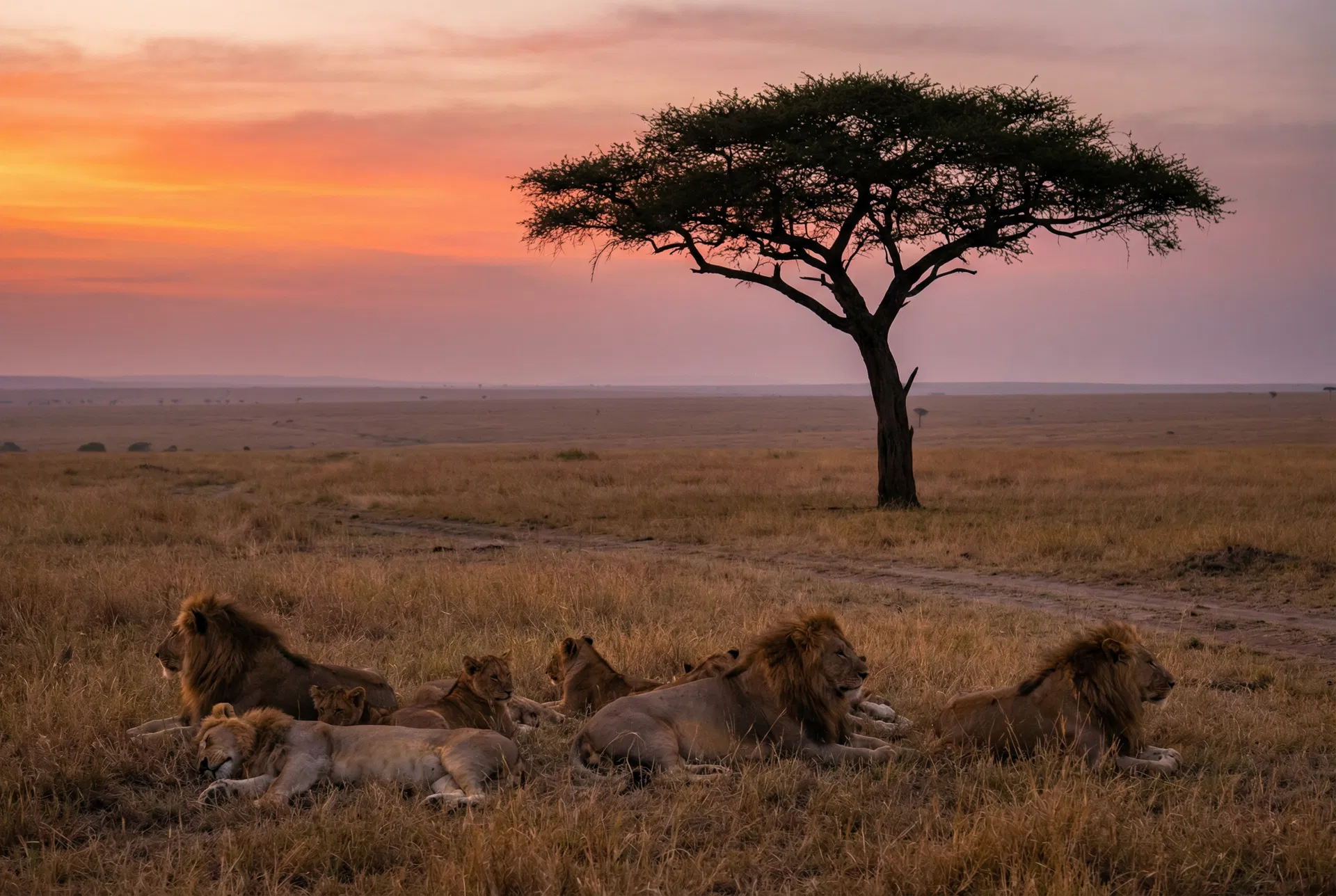
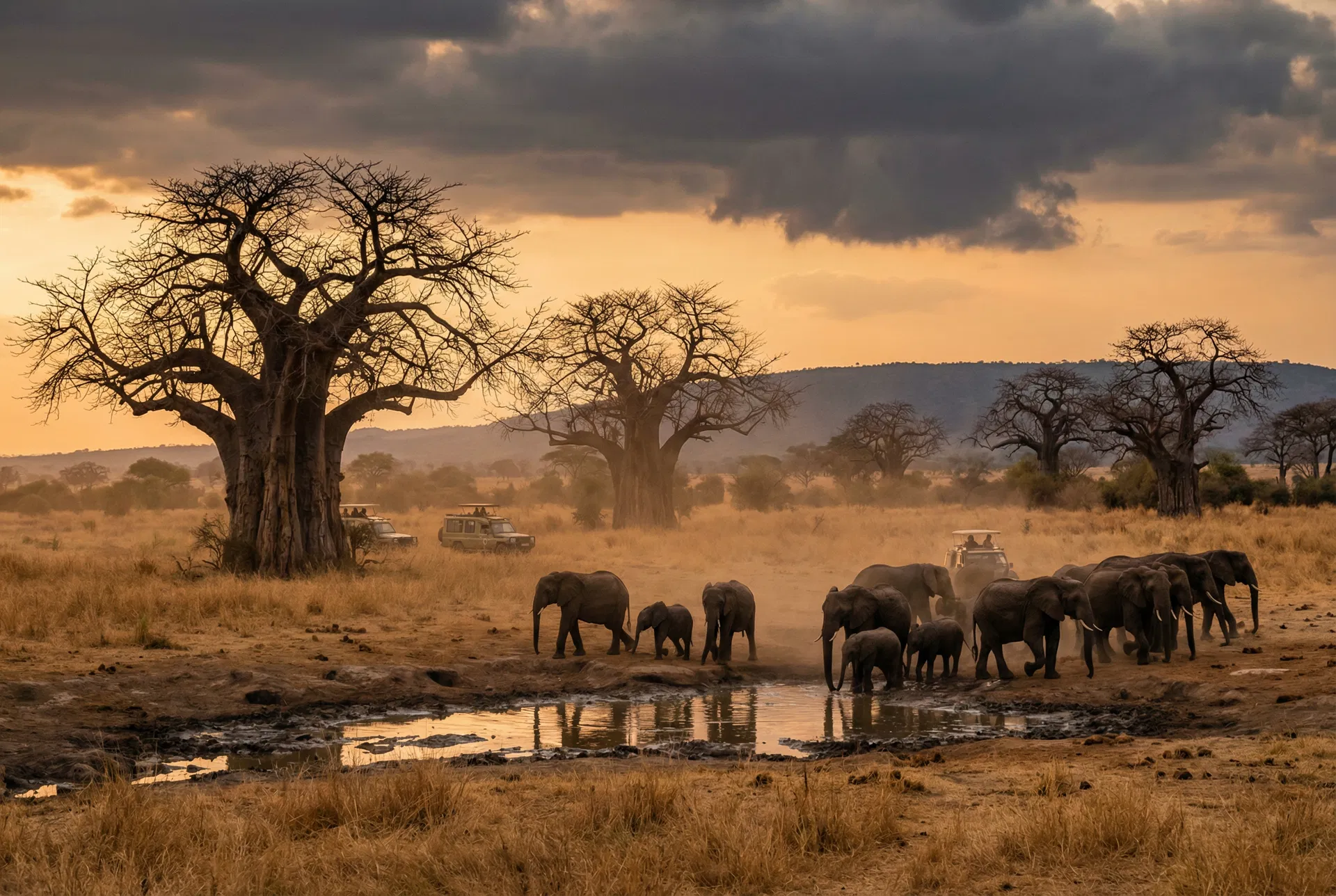
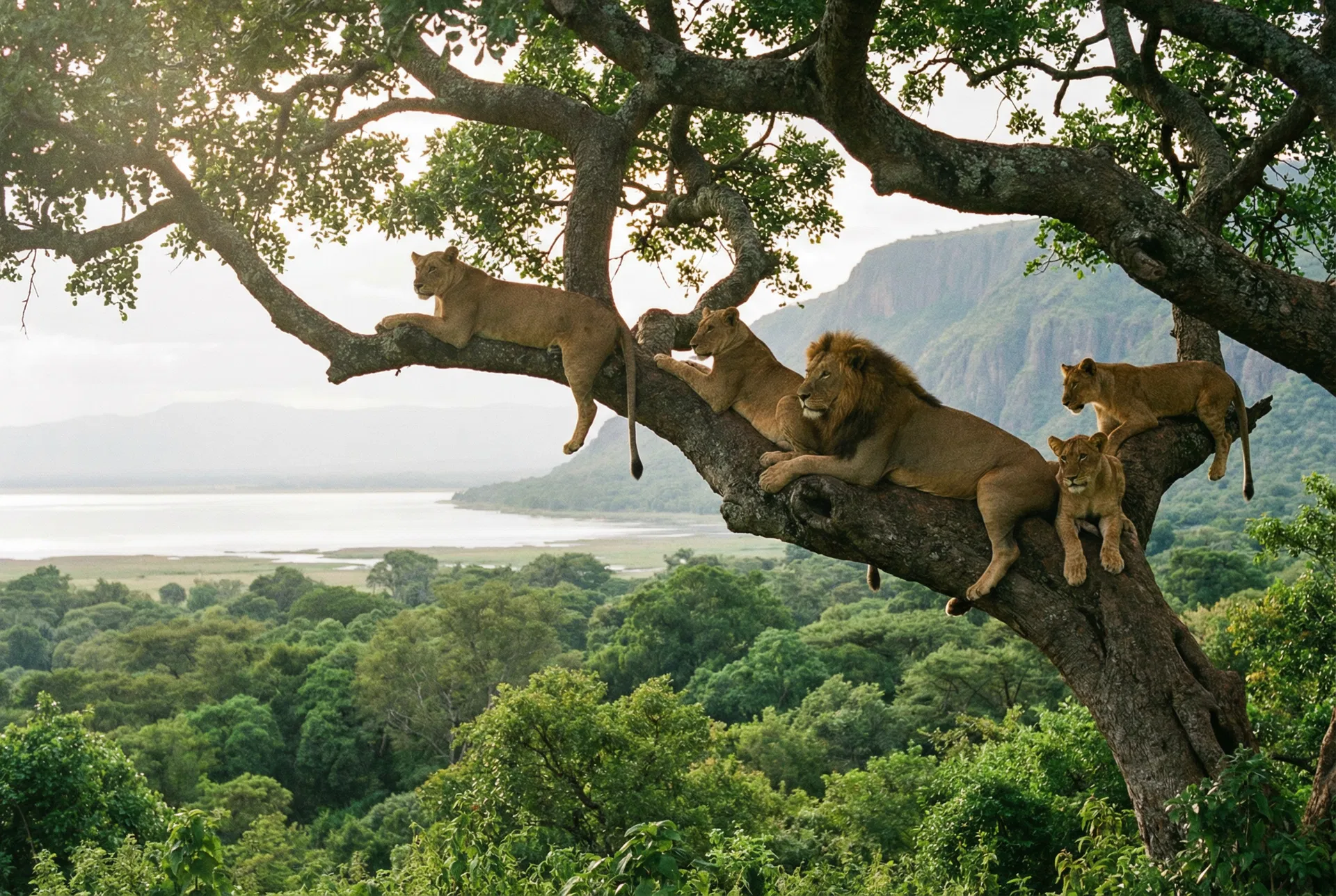
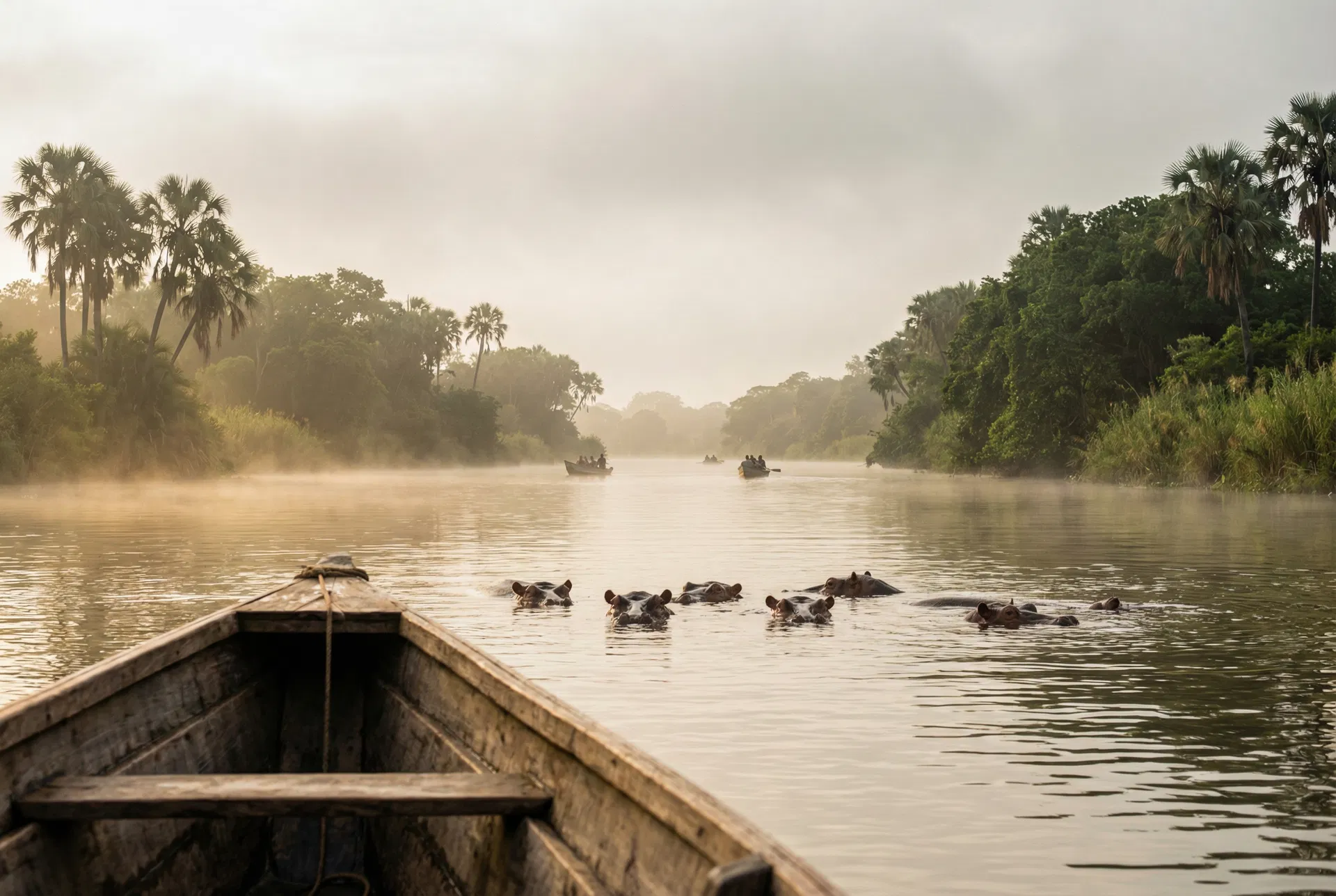
Nyerere National Park is a stronghold for some of Africa’s most iconic and endangered species. The park is particularly famous for its massive populations of elephants and Cape buffalo, which can often be seen in large herds. It is also one of the last great refuges for the endangered African wild dog, and sightings of these highly social and efficient predators are a real highlight for many visitors. Lions are abundant and the park's open woodlands and riverine forests provide excellent habitat for leopards. While black rhinos are present, they are incredibly elusive and rarely seen. The Rufiji River and its associated lakes are home to one of the largest concentrations of hippos and crocodiles in Africa. Other resident wildlife includes large herds of giraffe, zebra, impala, and sable antelope. The birdlife is equally prolific, with over 450 species recorded, including the vibrant carmine bee-eaters that nest in the riverbanks in great, noisy colonies.
Best Time to Visit
The best time to visit Nyerere National Park is during the dry season, from June to October. During this period, the weather is pleasant with sunny days and cool nights, and the risk of malaria is at its lowest. More importantly, the wildlife is much easier to spot as the vegetation thins out and animals congregate around the Rufiji River and other permanent water sources. The roads are also more accessible, making for smoother game drives. The wet season, from November to May, is characterized by two rainy periods: the short rains in November and December, and the long rains from March to May. While the park is lush and green during this time, and birdwatching is at its best, many lodges close during the peak of the long rains (April and May) due to impassable roads and the dispersal of wildlife into the dense vegetation.
Safari Experience
A safari in Nyerere National Park offers a diversity of experiences that are not always possible in other Tanzanian parks. The regulations here are more relaxed, allowing for a wider range of activities. In addition to traditional game drives in open-sided 4x4 vehicles, which can venture off-road for exceptional sightings, the park is famous for its boat safaris on the Rufiji River. Gliding silently along the water provides a unique perspective on the wildlife, with close-up encounters with hippos, crocodiles, and a plethora of birdlife. Guided walking safaris are another major attraction, offering an immersive and thrilling way to connect with the African bush. Accompanied by an armed ranger and an expert guide, you can explore the smaller details of the ecosystem, from tracking animals to learning about the medicinal uses of plants. For the more adventurous, fly-camping trips offer a truly wild experience, sleeping out under the stars in a simple tent with the sounds of the African night all around you.
Landscape and Ecosystem
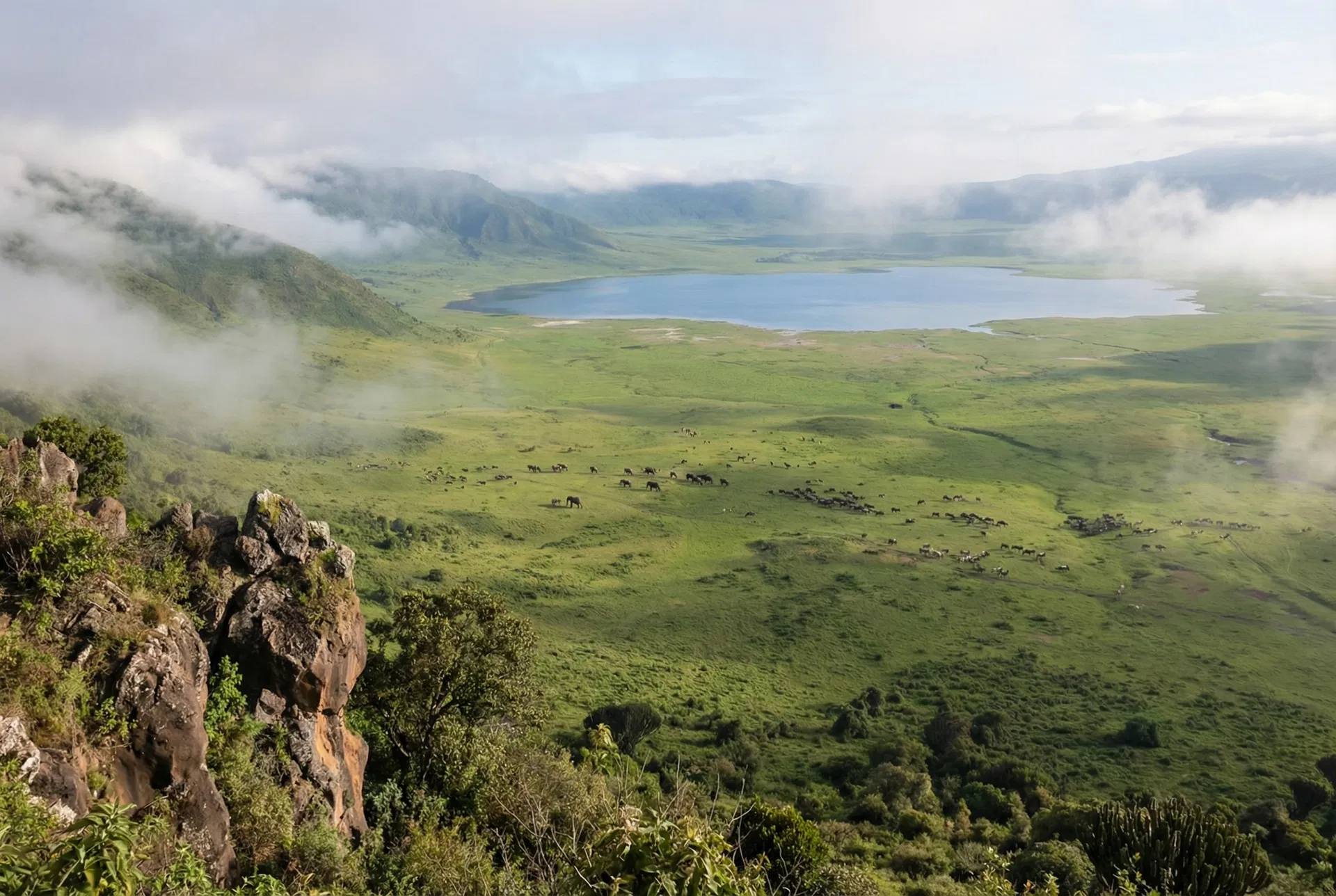
The landscape of Nyerere National Park is incredibly diverse, ranging from open grasslands and acacia-dotted savannas to dense woodlands, riverine forests, and vast wetlands. The dominant feature is the Rufiji River, which flows from west to east through the park, creating a complex and dynamic ecosystem of channels, sandbanks, and oxbow lakes. This river system is the heart of the park, supporting a rich variety of flora and fauna. The park's vast and undisturbed nature means that ecological and biological processes continue to function as they have for millennia, with significant predator-prey relationships and a tangible sense of raw, untouched wilderness. The sheer scale of the park, combined with its diverse habitats, makes it a critical area for conservation in Africa.
Safari Activities
Nyerere National Park offers a wide array of safari activities to suit every interest. The most popular activities include:
- Game Drives: Explore the vast wilderness in a 4x4 vehicle with an expert guide, searching for the Big Five and other iconic African animals.
- Boat Safaris: A must-do activity in Nyerere, offering a unique perspective on the park's wildlife from the water.
- Walking Safaris: Get up close and personal with the African bush on a guided walk with an armed ranger.
- Birdwatching: With over 450 species recorded, Nyerere is a paradise for birders.
- Fly-Camping: For the ultimate adventure, spend a night or two in a lightweight mobile camp in a remote corner of the park.
- Photographic Safaris: The stunning landscapes and abundant wildlife make Nyerere a photographer's dream.
Where It Is Located
Nyerere National Park is located in southern Tanzania, approximately 250 kilometers (155 miles) southwest of Dar es Salaam. Due to its remote location, the easiest way to access the park is by a short flight from Dar es Salaam, which takes about an hour. Several small airstrips are scattered throughout the park, serving the various lodges and camps. It is also possible to drive to the park, but the journey is long and on rough roads, taking at least six hours from Dar es Salaam. Most visitors opt for a fly-in safari to maximize their time in the park.
Who This Destination Is Best For
Nyerere National Park is best suited for discerning safari-goers who are looking for an authentic and exclusive wilderness experience away from the crowds. It is an ideal destination for:
- Second-time safari visitors: Those who have already experienced the more crowded northern circuit and are seeking a more remote and wild adventure.
- Adventure seekers: With its walking safaris and fly-camping options, Nyerere offers a more adventurous and immersive safari experience.
- Photographers: The unique combination of landscapes, wildlife, and activities provides endless photographic opportunities.
- Luxury travelers: The park is home to a number of high-end lodges and camps that offer exceptional service and comfort in a pristine wilderness setting.
- Honeymooners: The romantic and secluded atmosphere of many of the camps makes Nyerere an ideal destination for a honeymoon.
While Nyerere can be enjoyed by first-time visitors, its remote nature and focus on more adventurous activities may be better appreciated by those with some previous safari experience.