Destination Overview
Katavi National Park, located in the remote western part of Tanzania, is a true wilderness paradise, offering an authentic and unspoiled safari experience. As Tanzania's third-largest national park, covering an area of 4,471 square kilometers, Katavi is a destination for the intrepid traveler seeking to escape the crowds and immerse themselves in a wild and untamed landscape. The park is renowned for its vast, open plains, pristine woodlands, and the life-giving Katuma River, which attracts enormous concentrations of wildlife, particularly during the dry season. [1] [2]
Visitors are drawn to Katavi for its sheer sense of isolation and the opportunity to witness spectacular wildlife spectacles. The park is home to some of the largest herds of buffalo on the continent, and its hippo and crocodile populations are legendary. The raw, untouched beauty of Katavi, combined with its remarkable wildlife density, makes it a compelling destination for those who want to experience Africa in its most primal and authentic form.
Wildlife Highlights
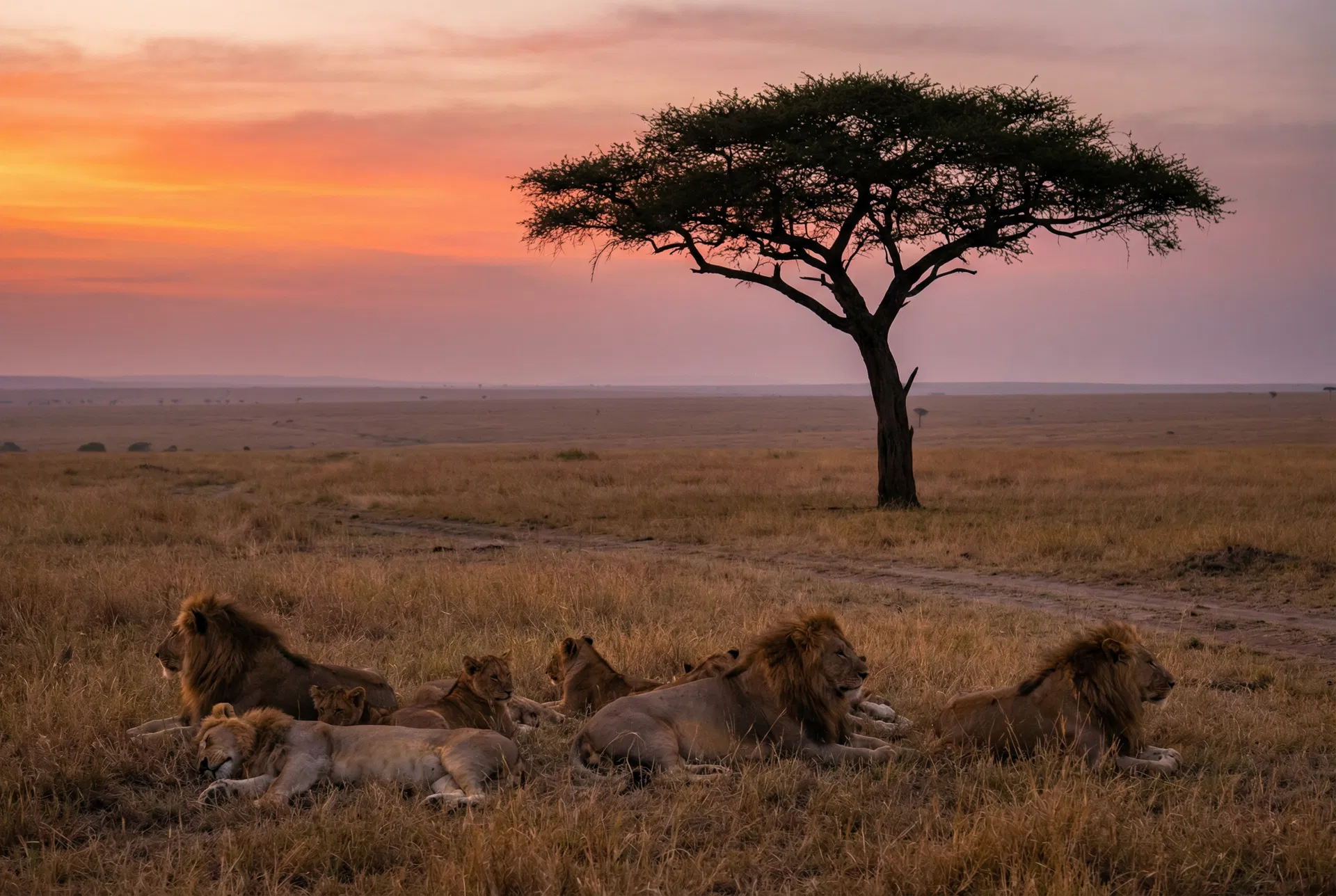
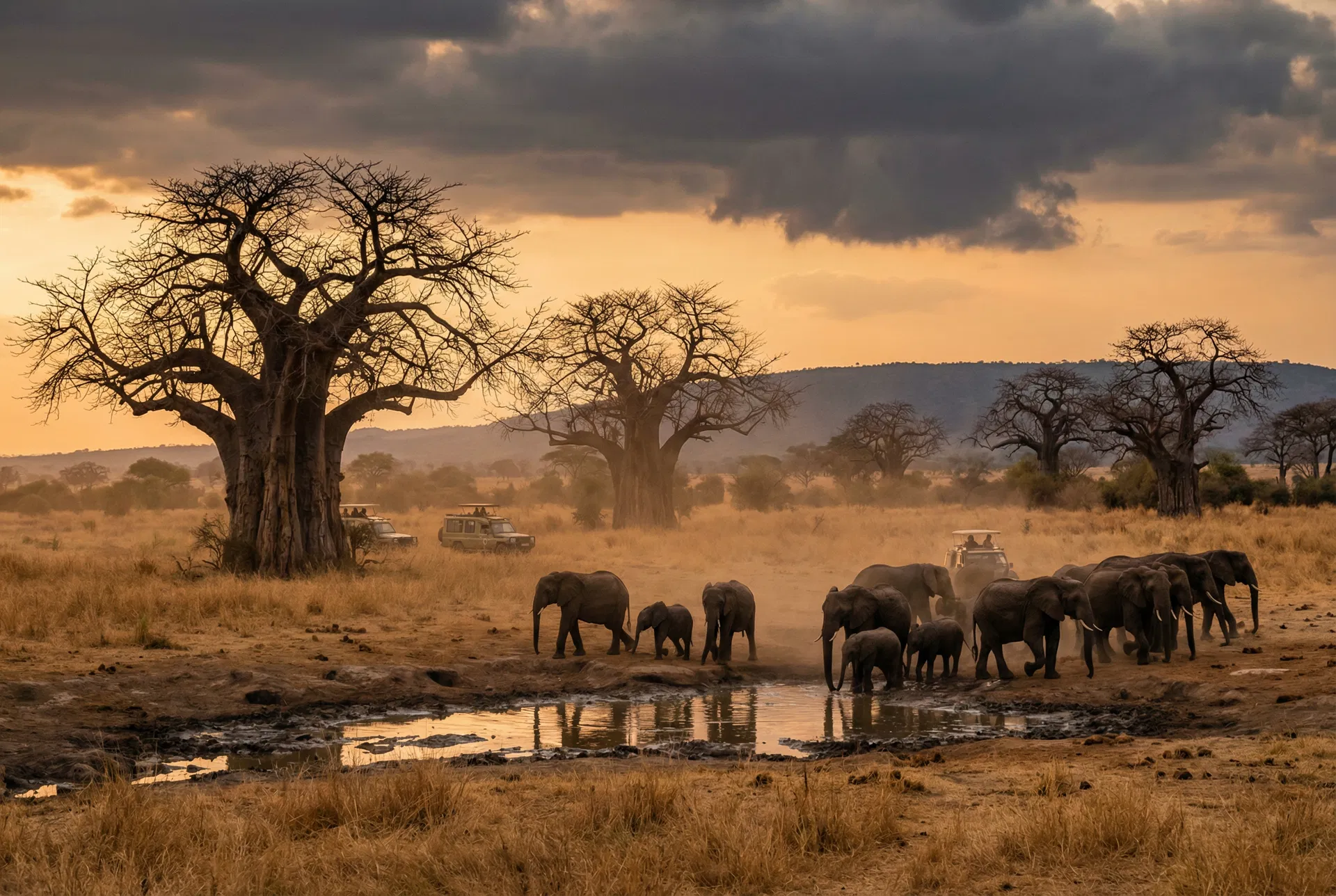
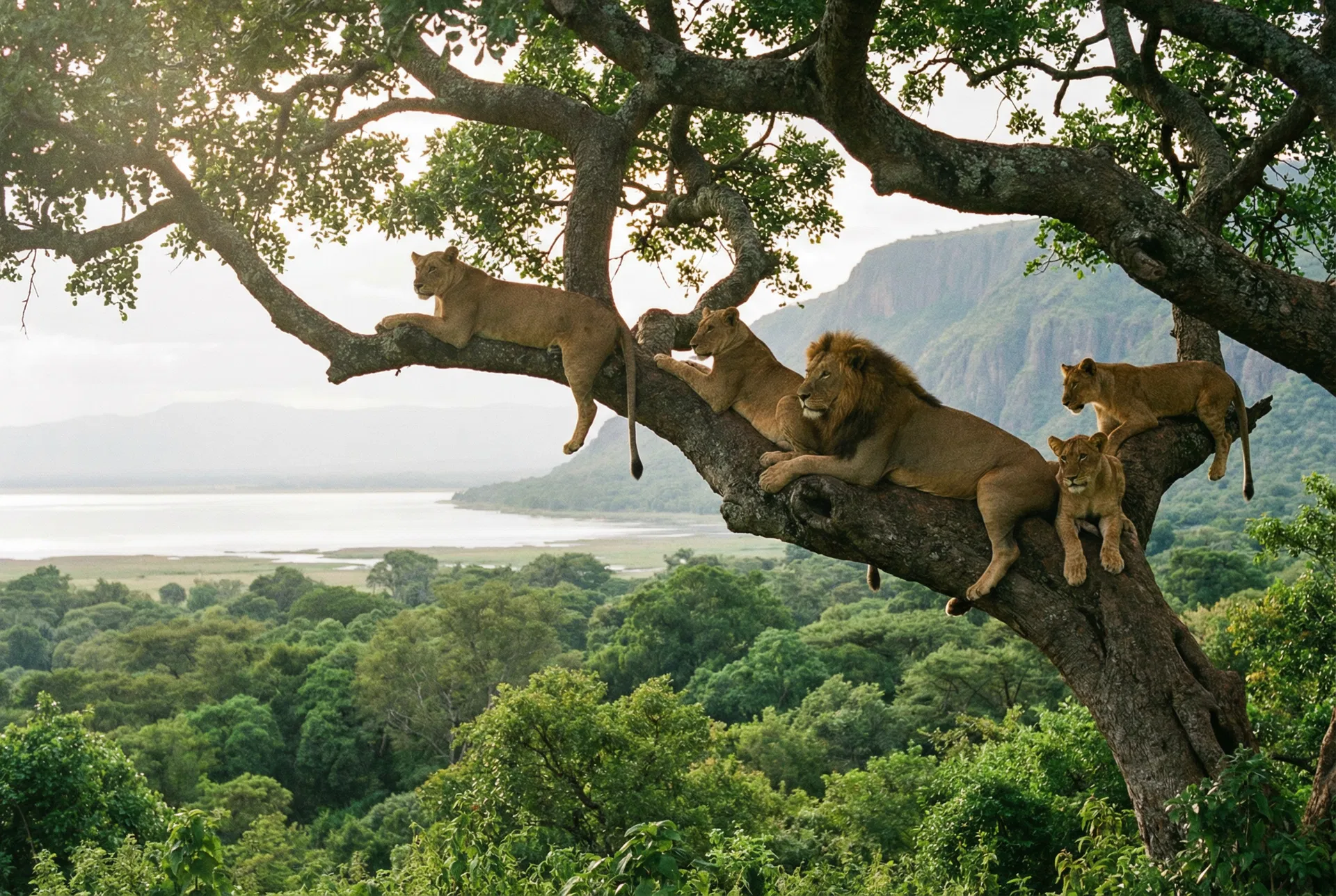
Katavi National Park is a haven for a remarkable diversity and abundance of wildlife. The park is particularly famous for its enormous herds of Cape buffalo, which can number in the thousands. Elephants are also present in large numbers, and the park is a stronghold for lions, with several large prides roaming the plains. Leopards are also frequently sighted, as are hyenas and the elusive African wild dog. [2]
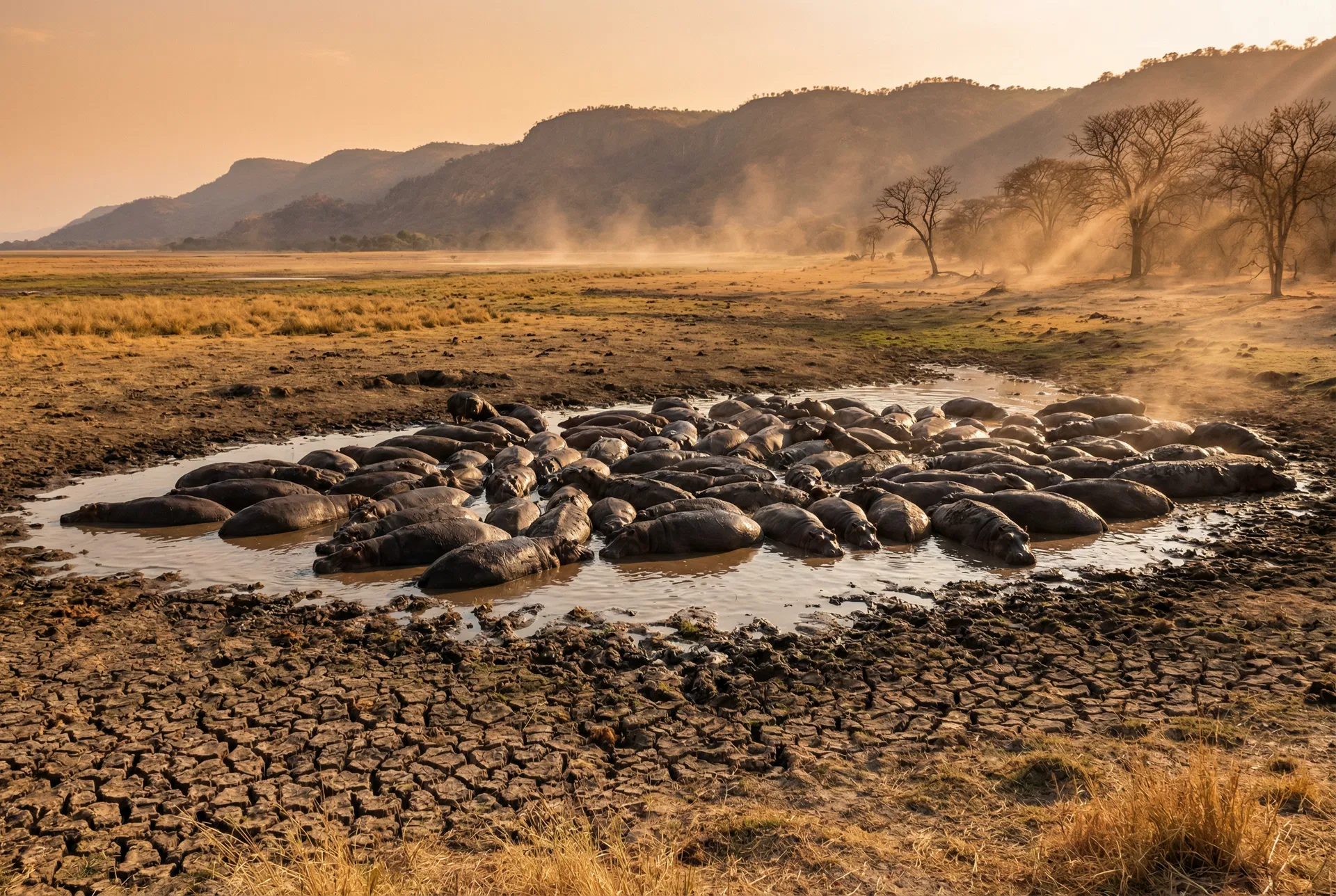
The Katuma River is the park's lifeline, and during the dry season, it becomes a focal point for wildlife. The river's shrinking pools teem with hundreds of hippos, creating a truly unforgettable spectacle. Crocodiles bask on the riverbanks, and the surrounding plains are filled with a variety of herbivores, including zebras, giraffes, topis, and Defassa waterbuck. The park is also home to a rich variety of birdlife, with over 400 species recorded.
Best Time to Visit
The best time to visit Katavi National Park is during the dry season, from June to October. During this period, the weather is dry and sunny, and the lack of water elsewhere in the park forces animals to congregate around the Katuma River and the remaining waterholes. This concentration of wildlife makes for exceptional game viewing opportunities. The dry season is also the best time for walking safaris, as the vegetation is less dense, and the ground is dry.
The wet season, from November to May, brings a dramatic transformation to the park. The landscape becomes lush and green, and the rivers and floodplains swell with water. While wildlife viewing can be more challenging during this time due to the dense vegetation and dispersed animal populations, the wet season is a fantastic time for birdwatching, as migratory birds flock to the park. The scenery is also at its most beautiful during this period.
Safari Experience
A safari in Katavi National Park is a truly immersive and adventurous experience. The park's remoteness means that you will often have vast stretches of wilderness to yourself, allowing for an intimate and exclusive safari experience. Game drives are the primary way to explore the park, and the open plains and woodlands offer excellent opportunities for wildlife viewing. The park's experienced guides are experts at tracking animals and will take you to the best spots for sightings.
In addition to game drives, Katavi also offers the opportunity for walking safaris, which provide a unique and intimate perspective on the African bush. Walking with an armed ranger allows you to get up close to the smaller details of the ecosystem and learn about the tracks, plants, and insects that you might miss from a vehicle. Fly camping is another unique experience offered in Katavi, allowing you to spend a night under the stars in a remote and secluded location.
Landscape and Ecosystem
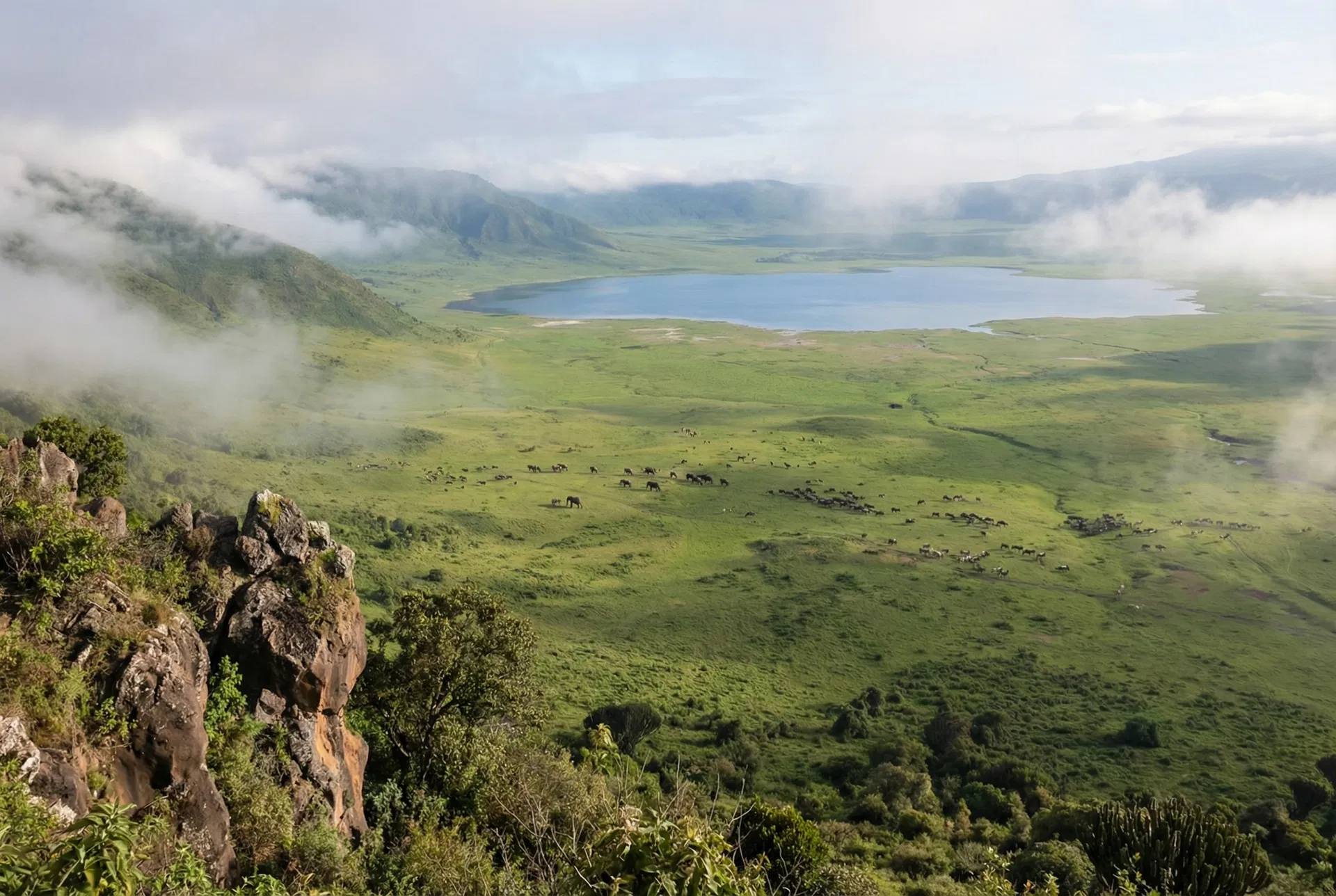
Katavi National Park is characterized by a diverse range of habitats, which contribute to its rich biodiversity. The park is dominated by the vast Katisunga Plain, a wide-open grassland that is home to large herds of herbivores. The Katuma River, which flows through the park, is a vital water source and creates a network of floodplains, seasonal lakes, and swamps. These wetlands are a haven for hippos, crocodiles, and a variety of water birds.
The park's landscape also includes extensive woodlands, which are home to a variety of browsers, such as giraffes and elephants. The woodlands are dominated by miombo trees, which are characteristic of this region of Africa. The combination of open plains, woodlands, and wetlands creates a mosaic of habitats that supports a wide range of wildlife.
Safari Activities
Katavi National Park offers a range of safari activities that allow visitors to experience the park's wilderness in different ways. The primary activity is game drives, which are conducted in open 4x4 vehicles and led by experienced guides. These drives offer the chance to see the park's abundant wildlife, including its large herds of buffalo and elephants, and its healthy predator populations.
For a more intimate experience, walking safaris are available, allowing you to explore the bush on foot with an armed ranger. This is a fantastic way to learn about the smaller details of the ecosystem and to experience the thrill of being on the same level as the animals. Fly camping is another popular activity, offering a unique opportunity to sleep out in the wilderness under the stars. Birdwatching is also a rewarding activity in Katavi, with over 400 species of birds recorded in the park.
Where It Is Located
Katavi National Park is located in the remote western part of Tanzania, in the Katavi Region. The nearest town is Mpanda, which is approximately 40 kilometers to the south of the park. The park is a long way from Tanzania's main safari circuits, which contributes to its sense of isolation and exclusivity.
Getting to Katavi is most commonly done by charter flight from Arusha, Dar es Salaam, or Mwanza. The flight to Katavi takes approximately three hours from Arusha or Dar es Salaam and two hours from Mwanza. The park is also accessible by road, but the journey is long and arduous, and it is not recommended for most visitors.
Who This Destination Is Best For
Katavi National Park is best suited for experienced safari-goers and adventurous travelers who are looking for a wild and authentic safari experience. The park's remoteness and lack of crowds will appeal to those who want to escape the more popular and crowded safari destinations. The park's focus on walking safaris and fly camping will also appeal to those who are looking for a more active and adventurous safari.
Katavi is not a destination for first-time safari-goers or those who are looking for luxury and pampering. The accommodation in the park is comfortable but rustic, and the focus is on the wilderness experience rather than on luxury. The park's remoteness also means that it is a more expensive destination to visit than some of Tanzania's more accessible parks.
References
[1] [andBeyond. (n.d.). Katavi National Park.](https://www.andbeyond.com/destinations/africa/tanzania/katavi-national-park/)
[2] [Wikipedia. (2023, October 26). Katavi National Park.](https://en.wikipedia.org/wiki/Katavi_National_Park)