Destination Overview
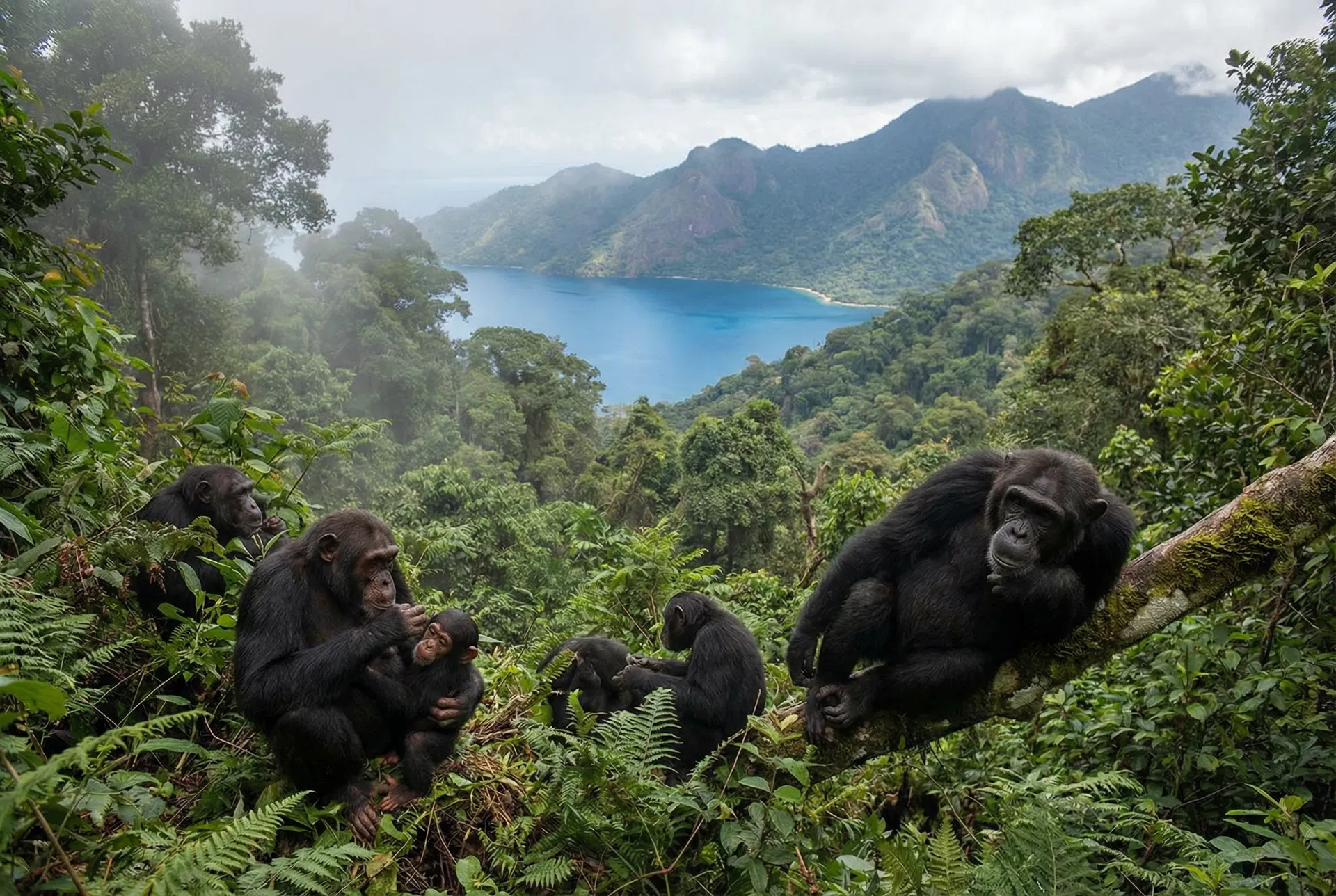
Mahale Mountains National Park, located in the remote western region of Tanzania, is a place of extraordinary natural beauty and profound wildlife encounters. Situated on the pristine eastern shores of Lake Tanganyika, the world's longest and second-deepest freshwater lake, Mahale is a sanctuary of towering, forest-clad mountains that cascade down to sandy beaches. This remote wilderness is renowned for being one of the best places on Earth to see wild chimpanzees in their natural habitat. The park is home to the largest known population of eastern chimpanzees, making it a premier destination for primate enthusiasts and those seeking a truly off-the-beaten-path safari experience. Beyond the famous chimpanzees, Mahale's isolation has preserved a unique ecosystem where diverse flora and fauna from East and Central Africa converge, offering a glimpse into a world untouched by modern development. Travelers visit Mahale not just for the thrill of tracking chimpanzees, but to immerse themselves in a landscape of raw, unspoiled wilderness, where the rhythm of nature dictates the pace of life.
Wildlife Highlights
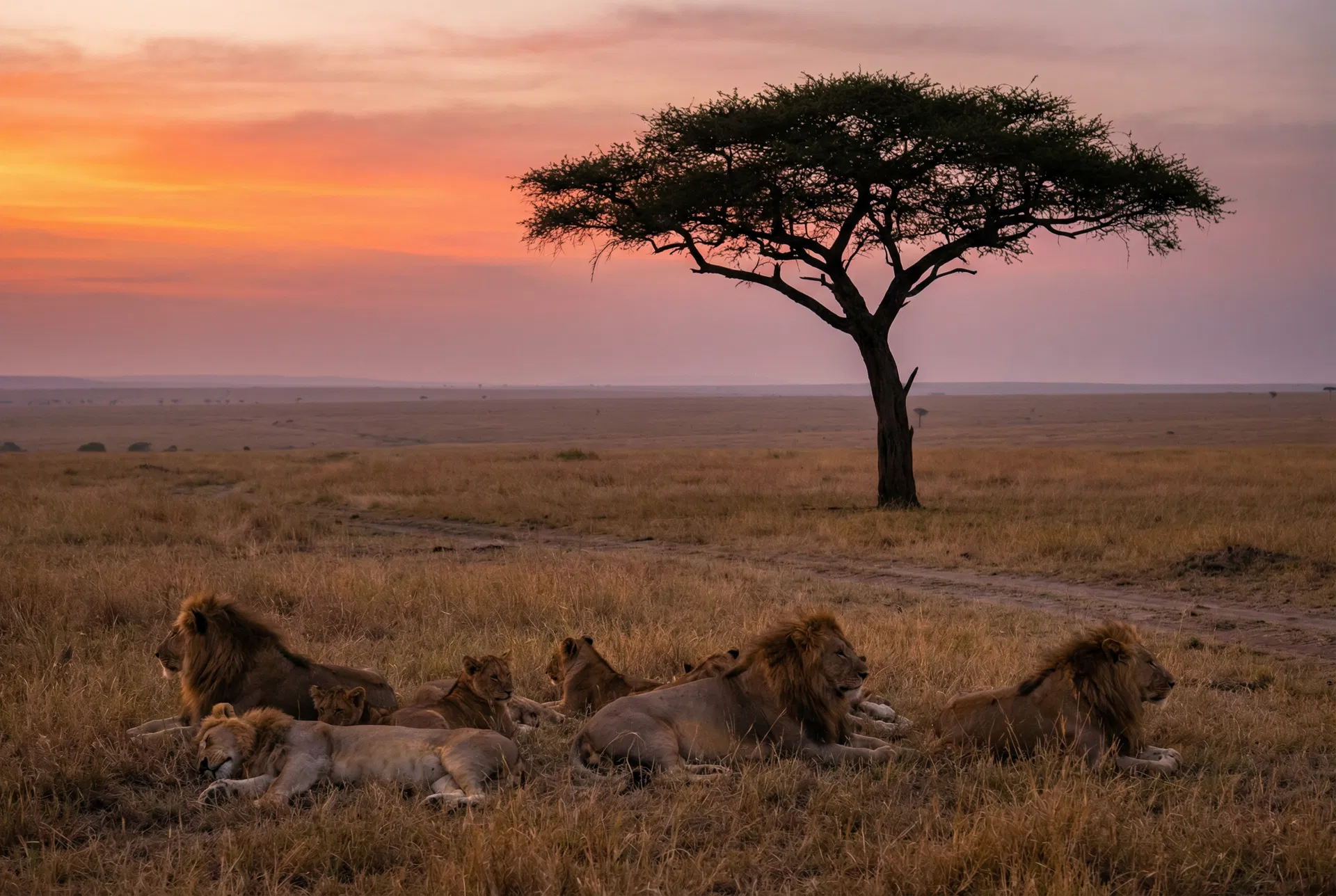
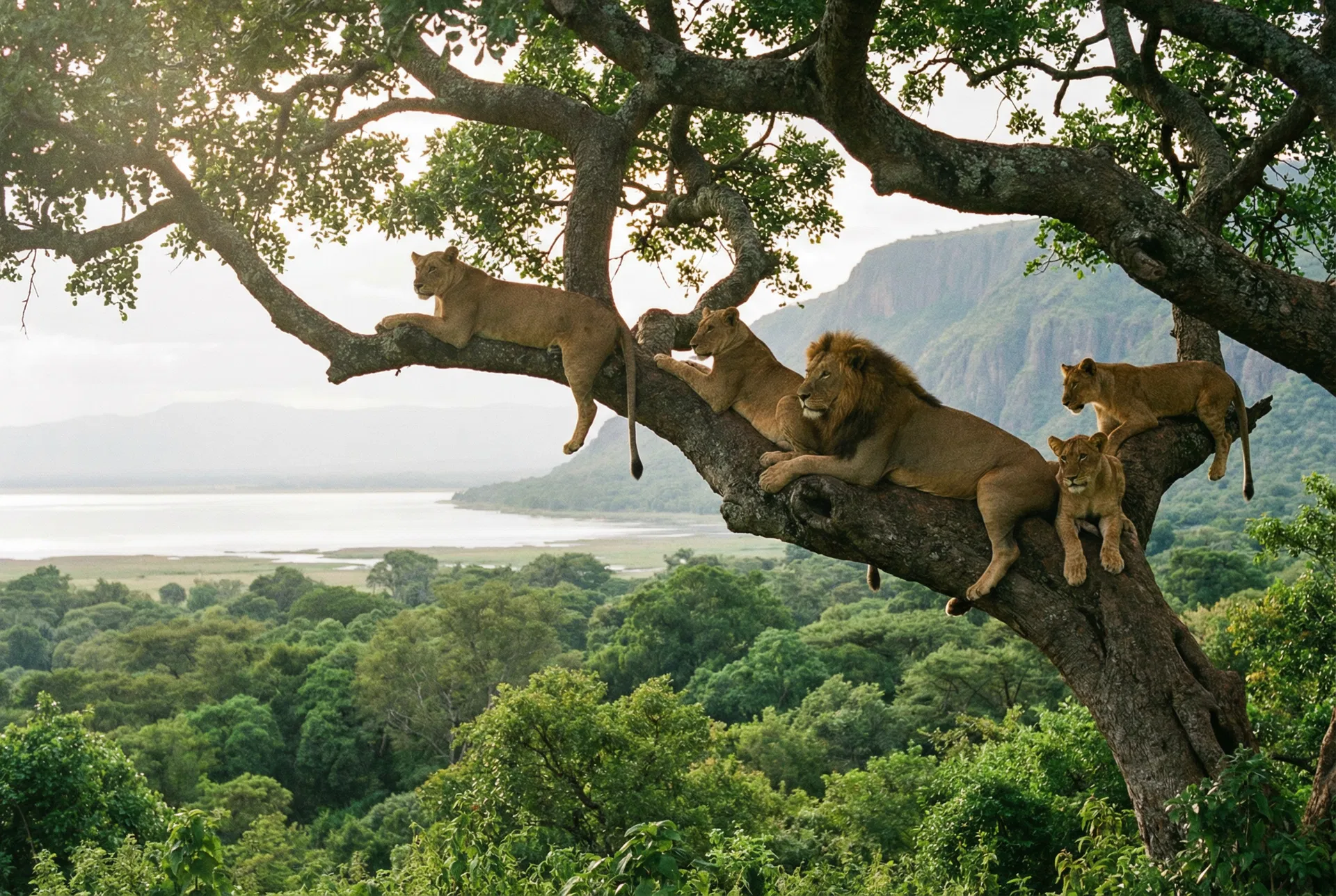
Mahale Mountains National Park is a biodiversity hotspot, boasting a remarkable array of wildlife. The park's most celebrated residents are the eastern chimpanzees (Pan troglodytes schweinfurthii), with a population of approximately 700-1000 individuals. The M-group, a community of around 60 chimpanzees habituated to human presence through a long-term research project by Kyoto University, offers incredible opportunities for close-up encounters. In addition to chimpanzees, Mahale is home to at least eight other primate species, including the striking red colobus monkey, pied colobus, blue monkeys, and yellow baboons. The park is also one of the few places in Africa where lions and chimpanzees coexist. While lions are rarely seen, their presence adds to the untamed character of the park. Other predators include leopards, though they are elusive and not frequently spotted. The diverse habitats of Mahale support a variety of other mammals, such as elephants, giraffes, and even the occasional giant pangolin. The birdlife is equally impressive, with over 337 recorded species, including the rare Pel's fishing owl and other species endemic to the Albertine Rift. Lake Tanganyika itself is a world of its own, teeming with over 400 species of fish, a significant portion of which are colorful and endemic cichlids.
Best Time to Visit
Mahale Mountains National Park is a year-round destination, but the best time to visit is during the dry season, from mid-May to December. This period offers the most favorable conditions for chimpanzee trekking and hiking, with less rain and more comfortable temperatures. The driest months, from June to September, are particularly ideal for exploring the park's steep and forested terrain. During this time, the chimpanzees are often found in the lower elevations, sometimes even venturing near the lodges, which can make for easier and shorter treks. The months of June and July are especially popular for this reason. The wet season, from March to early May, can be challenging for travel and trekking due to heavy rains, which can make the forest paths slippery and difficult to navigate. However, the park is lush and green during this time, and there are fewer visitors. For those interested in photography, the clear, crisp air of the dry season provides excellent lighting conditions for capturing the stunning landscapes and wildlife of Mahale.
Safari Experience
The safari experience in Mahale Mountains National Park is unlike any other in Africa. The park's remote location and lack of roads mean that all exploration is done on foot or by boat, creating an intimate and immersive wilderness adventure. The primary activity is chimpanzee trekking, which involves daily hikes into the forest with experienced guides to locate and observe the park's habituated chimpanzee families. These treks can vary in difficulty, from a short walk to a more strenuous climb up the mountainsides, depending on the chimpanzees' location. Once the chimpanzees are found, visitors are allowed to spend a magical hour with them, observing their complex social interactions, grooming rituals, and playful antics. This is a truly humbling and unforgettable experience. In addition to chimpanzee trekking, boat safaris on Lake Tanganyika offer a different perspective of the park's stunning scenery. From the water, you can admire the forested mountains plunging into the crystal-clear lake, and you may spot hippos, crocodiles, and a variety of water birds. Kayaking and snorkeling in designated safe areas are also popular activities, allowing you to explore the lake's vibrant underwater world. For the more adventurous, multi-day treks to the summit of Mount Nkungwe, the park's highest peak, offer a challenging but rewarding experience with breathtaking views.
Landscape and Ecosystem
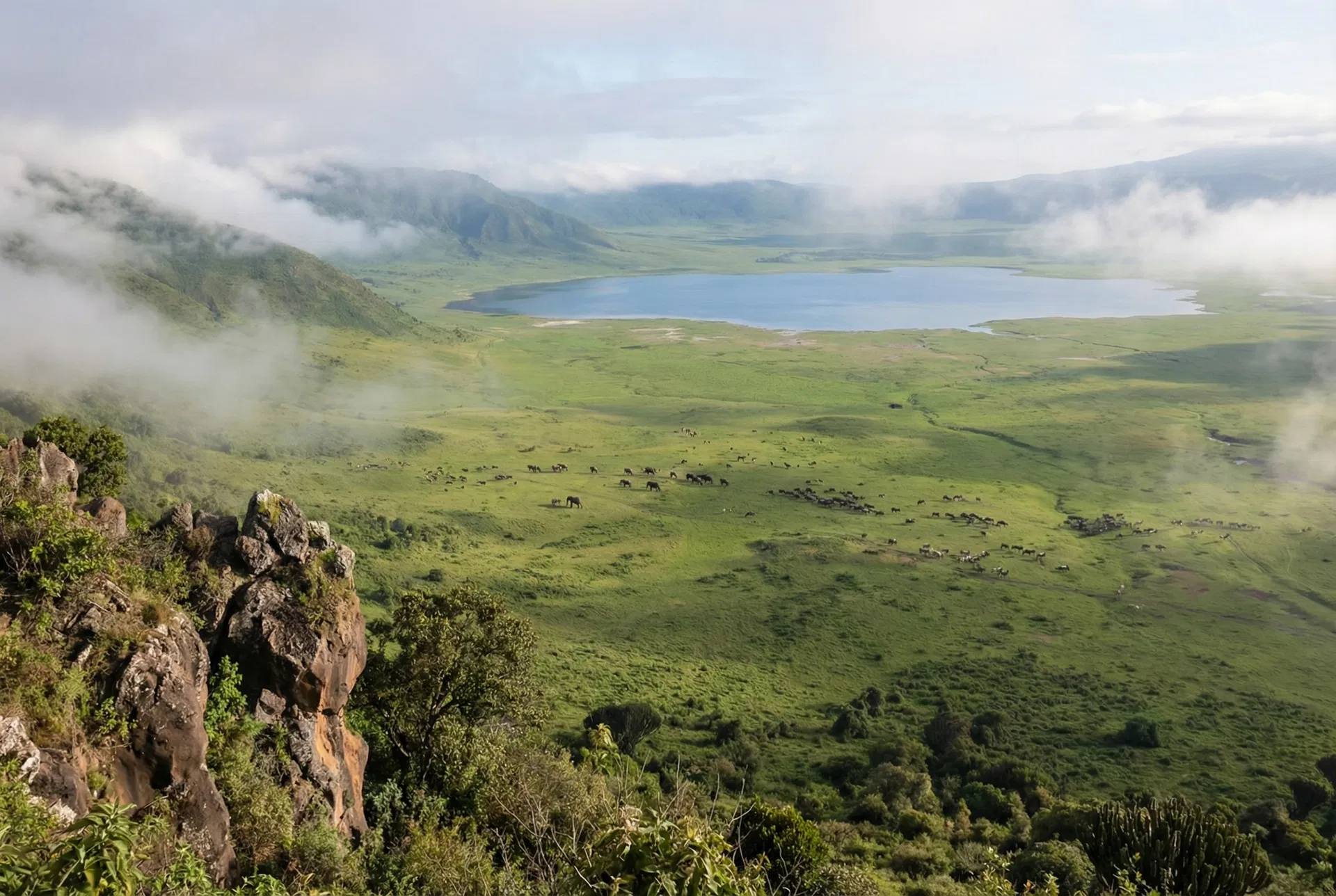
The landscape of Mahale Mountains National Park is a breathtaking mosaic of diverse ecosystems. The park is dominated by the Mahale mountain range, which runs along the eastern shore of Lake Tanganyika and culminates in the majestic peak of Mount Nkungwe at 2,462 meters. These mountains are draped in a rich tapestry of vegetation, ranging from miombo woodlands and lowland forests at the base to montane rainforests and bamboo forests at higher altitudes. This variety of habitats supports an incredible diversity of flora and fauna, creating a unique ecological zone where species from both savanna and forest environments thrive. The park's ecosystem is a vital corridor for wildlife and plays a crucial role in the conservation of the region's biodiversity. The crystal-clear waters of Lake Tanganyika, which forms the park's western boundary, add another dimension to the landscape. The lake's sandy beaches and rocky coves provide a stunning contrast to the dense green forests of the mountains. Lake Tanganyika is an ancient and biologically rich ecosystem in its own right, home to a vast number of endemic fish species, making it a key area for aquatic biodiversity.
Safari Activities
Mahale Mountains National Park offers a range of activities that allow visitors to immerse themselves in its pristine wilderness. The main attraction is chimpanzee trekking, a guided activity that offers the rare opportunity to observe these fascinating primates in their natural habitat. Other activities include boat safaris on Lake Tanganyika, providing a unique perspective of the park's landscape and wildlife. Kayaking and snorkeling are also available in designated areas, allowing for exploration of the lake's clear waters and vibrant cichlid populations. For the more adventurous, hiking to the summit of Mount Nkungwe offers a challenging multi-day trek with spectacular views. Birdwatching is another popular activity, with over 337 bird species to be found within the park. Finally, cultural visits to nearby villages can be arranged, offering insights into the local culture and traditions.
Where It Is Located
Mahale Mountains National Park is situated in the remote western part of Tanzania, on the eastern shore of Lake Tanganyika. The park is located in the Uvinza District of the Kigoma Region. Due to its remote location, there are no roads leading into the park, and it is only accessible by air or water. The most common way to reach Mahale is by chartered flight from major hubs like Arusha or Dar es Salaam, which typically includes a stop at Katavi National Park. Alternatively, visitors can take a boat or the MV Liemba ferry from the town of Kigoma to a point near the park, followed by a boat transfer to their lodge. The nearest major town and airport is Kigoma, which serves as the main gateway to the region.
Who This Destination Is Best For
Mahale Mountains National Park is best suited for adventure travelers, wildlife enthusiasts, and primatologists who are seeking a truly remote and authentic African wilderness experience. It is an ideal destination for those who are passionate about chimpanzees and are willing to undertake the necessary travel and trekking to see them in their natural habitat. The park's challenging terrain and lack of roads make it less suitable for those with mobility issues or who prefer a more traditional vehicle-based safari. Luxury travelers will find comfortable and exclusive accommodation options, while photographers will be rewarded with stunning landscapes and incredible wildlife encounters. Mahale is also a great choice for second-time safari-goers who are looking for a unique and off-the-beaten-path destination. Due to the nature of chimpanzee trekking, the park is not generally recommended for families with young children.