Destination Overview
In the heart of central Mozambique, at the southern end of the Great African Rift Valley, lies a story of remarkable resilience and restoration: Gorongosa National Park. [1] Once a celebrated wildlife paradise, the park was brought to its knees by decades of civil war and poaching. Today, it stands as one of Africa’s greatest conservation success stories, a testament to the power of restoration and community-centered conservation. [2]
Gorongosa is a place of extraordinary biodiversity, where the intricate dance of life plays out across a mosaic of vibrant landscapes. From the sweeping floodplains of Lake Urema to the lush forests of Mount Gorongosa, the park encompasses a staggering variety of ecosystems. This rich environment supports a burgeoning wildlife population, making it an increasingly sought-after destination for discerning safari travelers.
A visit to Gorongosa is more than just a safari; it is an opportunity to witness a wilderness reborn. It is a chance to be part of a story of hope, where every visit contributes to the ongoing restoration of this precious ecosystem and the well-being of the local communities who are its guardians. For those who seek a safari experience that is both profound and impactful, Gorongosa National Park offers a journey into the heart of conservation in action.
Wildlife Highlights
Gorongosa’s wildlife is a story of spectacular recovery. While the park is not a typical “Big Five” destination, it offers a unique opportunity to witness the resurgence of a diverse and fascinating array of species. The park’s mammal populations have been steadily increasing, and the reintroduction of key predators is restoring the natural balance of the ecosystem.
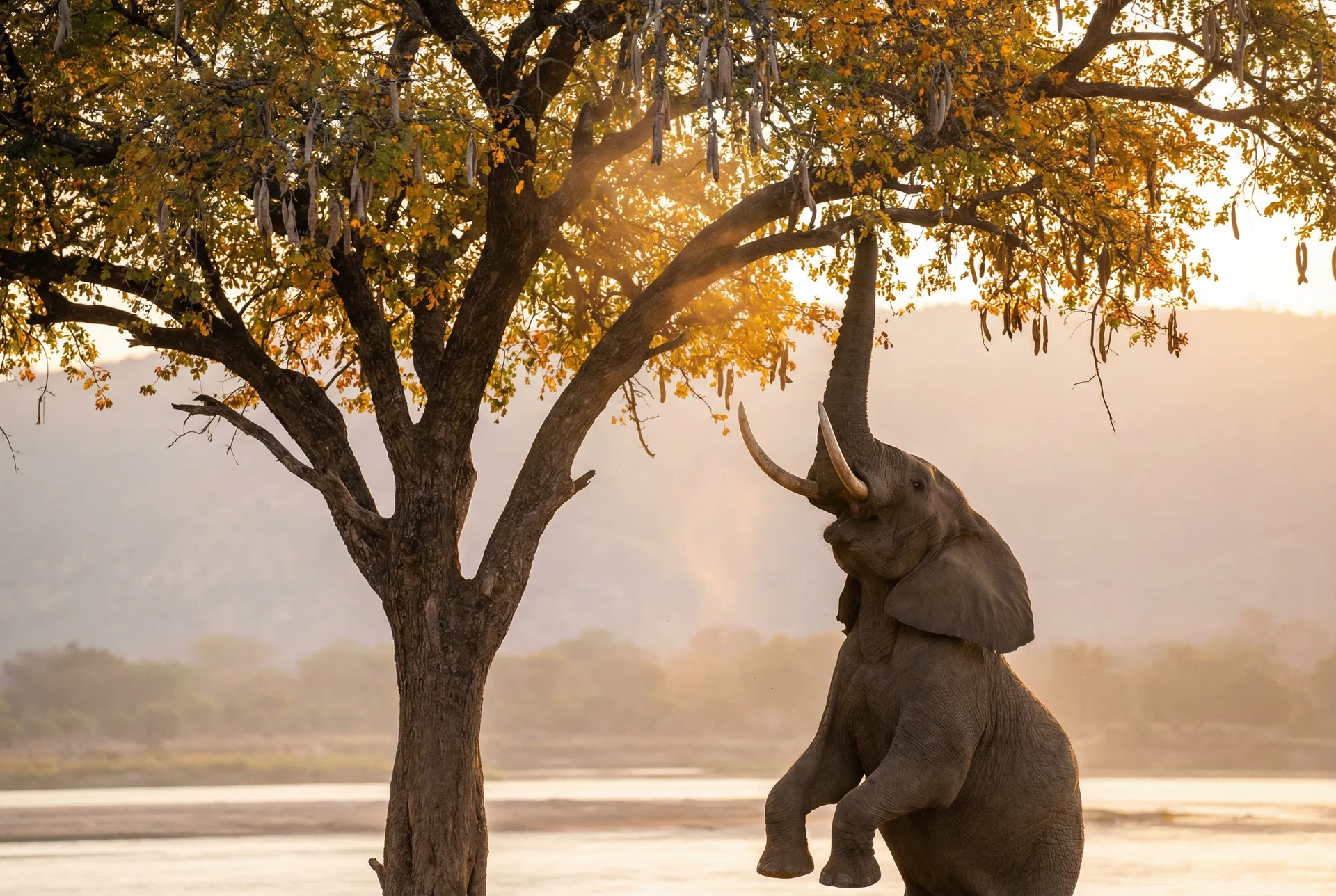
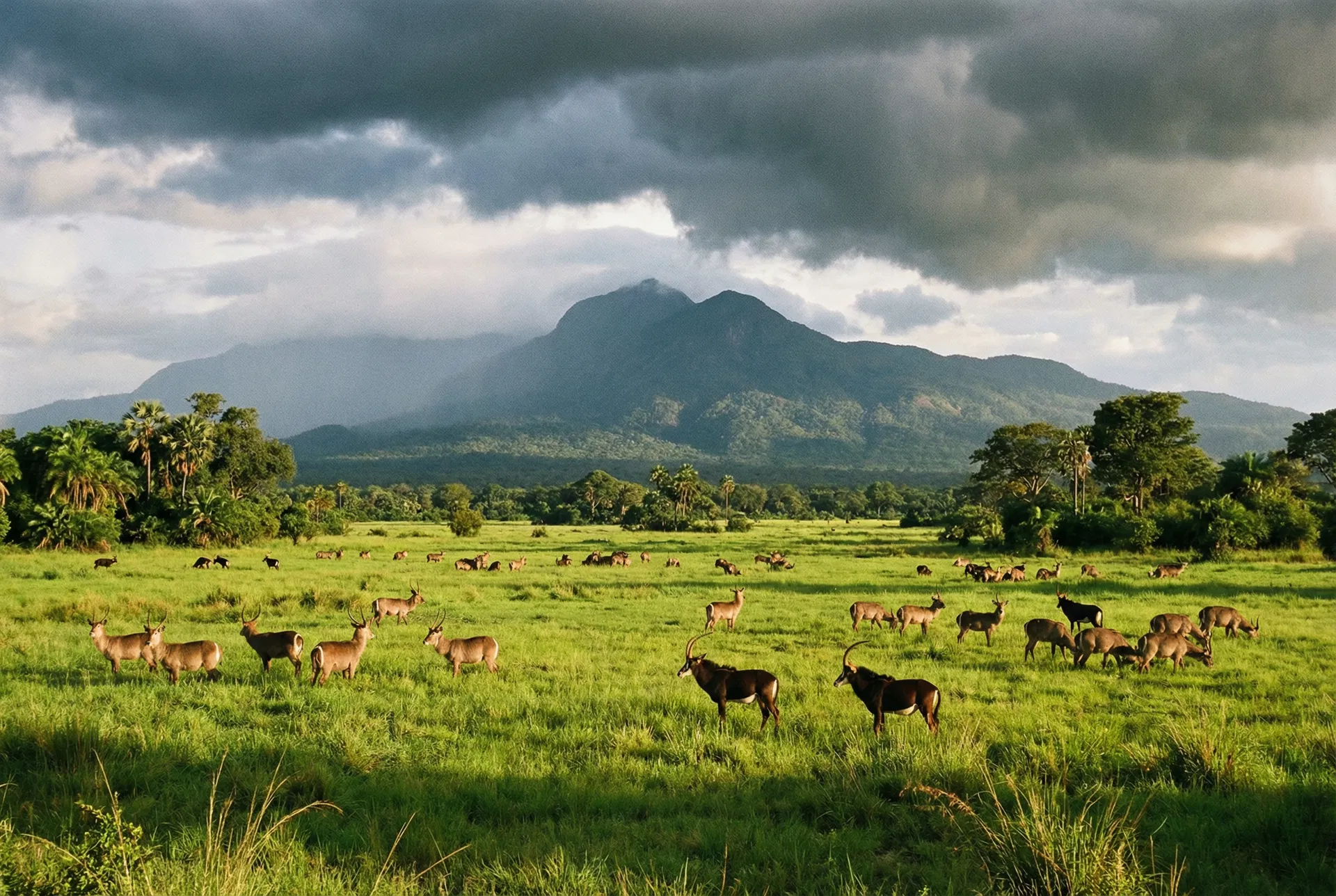
Lions are a prominent feature of the Gorongosa landscape, and their population is a key indicator of the park’s overall health. Elephants, though still recovering from the devastation of the war, are increasingly seen, with many of the older females exhibiting a unique tuskless trait as a result of selective pressure from poaching. [3] Large herds of waterbuck are a common sight on the floodplains, alongside impalas, oribis, and the stately nyala.
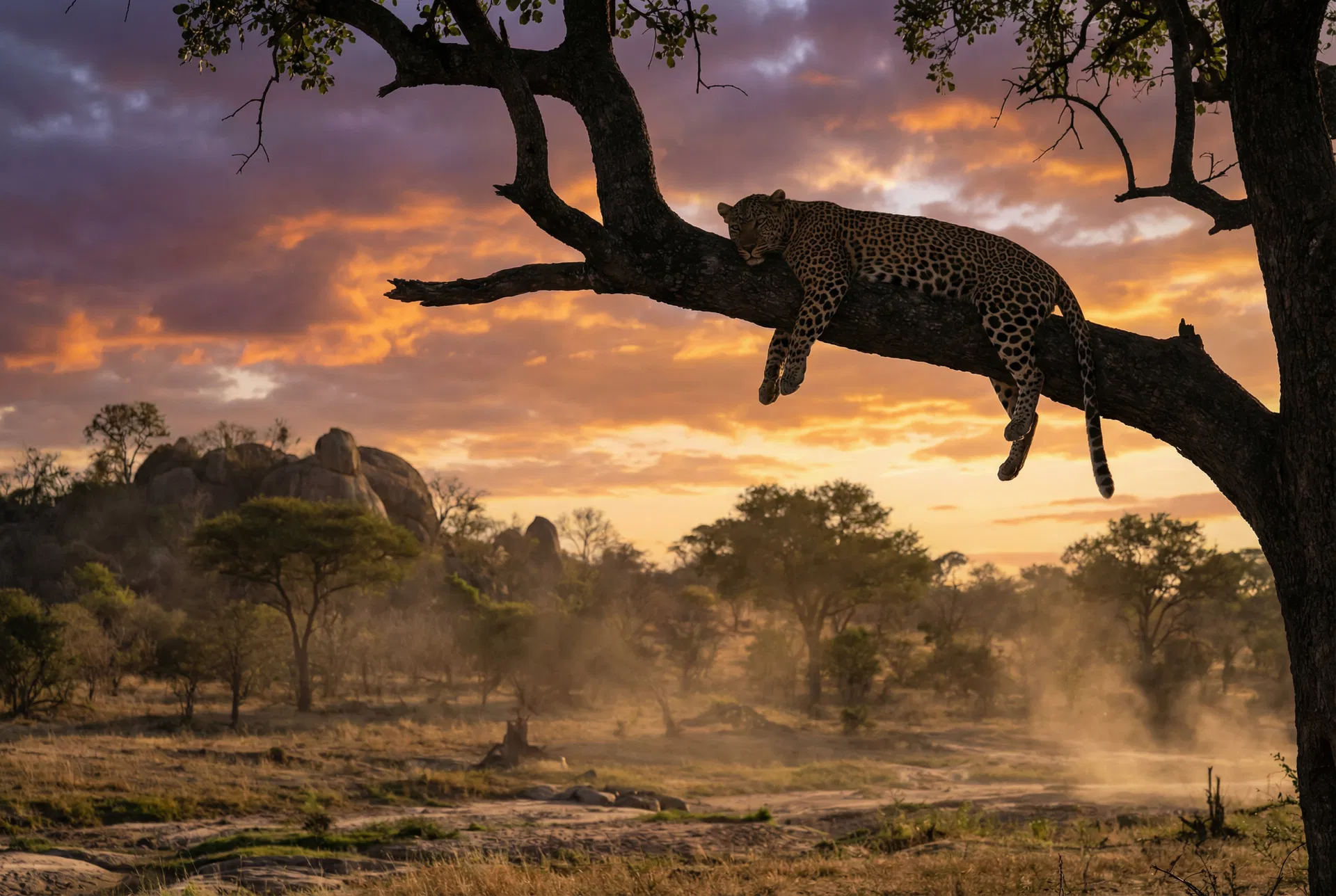
The reintroduction of African wild dogs has been a major conservation success, and these energetic predators can be seen hunting in packs across the park. [4] Spotted hyenas have also been reintroduced, and their distinctive calls are once again echoing through the night. [4] While still elusive, leopards are making a comeback, adding another layer of excitement to game drives. [4]
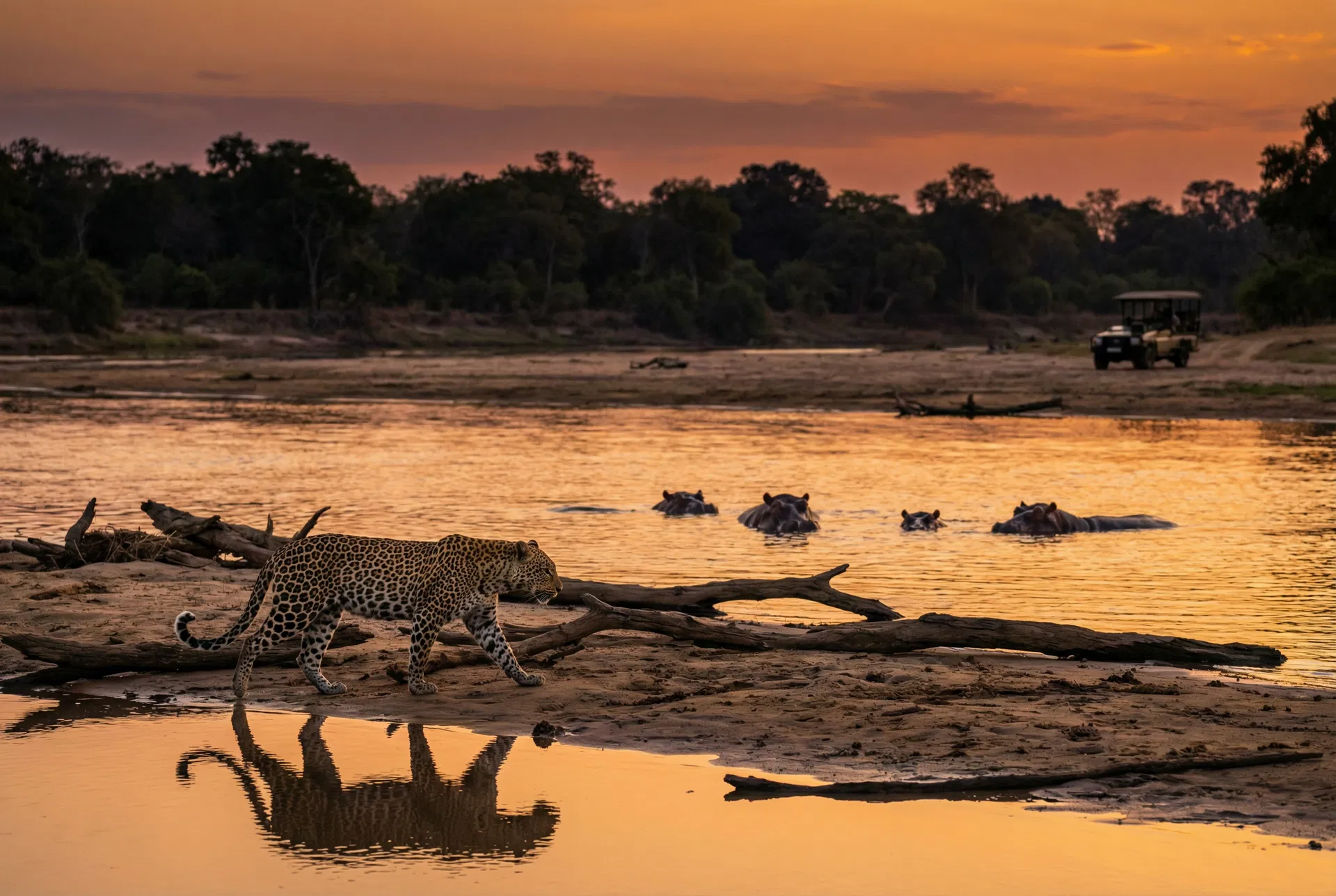
Lake Urema is a vital water source and a hub of wildlife activity. It is home to a large population of Nile crocodiles and hippos. The birdlife in Gorongosa is nothing short of spectacular, with over 500 species recorded. [1] The park’s diverse habitats attract a wide range of birds, from the majestic African fish eagle to the colorful lilac-breasted roller. The park is also a great place to see a variety of waterbirds, including pelicans, storks, and flamingos.
Best Time to Visit
The best time to visit Gorongosa National Park is during the dry season, which runs from April to November. During this period, the weather is pleasant, with warm days and cool nights, and there is very little rainfall. The vegetation is less dense, and animals congregate around the remaining water sources, making them easier to spot. This is the prime time for game drives and walking safaris.
The wet season, from December to March, brings a dramatic transformation to the park. The landscape becomes lush and green, and the birdwatching is exceptional, with many migratory species present. However, the rains can make some roads impassable, and wildlife viewing can be more challenging due to the dense vegetation. For those interested in boating safaris on Lake Urema, the early wet season (April and May) is the ideal time to visit, as the lake is at its fullest. [5]
Safari Experience
A safari in Gorongosa is a unique and immersive experience, offering a departure from the more crowded parks of Southern and East Africa. The focus here is on a holistic and authentic encounter with the African bush, where the story of restoration is as much a part of the experience as the wildlife itself. The park’s vast and varied landscapes are explored with expert guides who are passionate about Gorongosa’s revival and eager to share its secrets with visitors.
Game drives in Gorongosa are a journey of discovery. With a limited number of vehicles, the experience is intimate and unhurried. The ever-changing scenery, from open floodplains to dense forests, provides a stunning backdrop for wildlife encounters. While the “Big Five” are not the primary focus, the thrill of tracking lions, observing the growing elephant herds, and searching for the elusive leopard is a deeply rewarding experience.
Gorongosa is also a superb destination for walking safaris. Exploring the bush on foot offers a completely different perspective, allowing for a deeper connection with the environment. Accompanied by armed and knowledgeable guides, you will learn to read the signs of the wild, from animal tracks to the calls of birds. It is an opportunity to appreciate the smaller wonders of the ecosystem, from the intricate workings of a termite mound to the vibrant colors of a butterfly.
Landscape and Ecosystem
Gorongosa National Park is a place of immense ecological diversity, a direct result of its unique geological and hydrological features. The park is situated in a vast, 4,000-square-kilometer section of the Great African Rift Valley. [1] This valley, formed by massive tectonic shifts over millions of years, is flanked by plateaus and the majestic Mount Gorongosa, which rises to an elevation of 1,863 meters. [1]
The park’s lifeblood is Lake Urema, a shallow, seasonal lake located in the heart of the valley. The lake is fed by a network of rivers that originate from the surrounding highlands, including the Vunduzi River from Mount Gorongosa. [1] During the rainy season, the lake swells dramatically, flooding the surrounding plains and creating a vast wetland that covers up to 200 square kilometers. In the dry season, the lake recedes, leaving behind a mosaic of grasslands, savannas, and woodlands.
This dynamic interplay of water and land has created a rich tapestry of ecosystems. The park’s vegetation is a mix of savanna, woodlands, and grasslands. The savannas, which cover the majority of the park, are a combination of grasses and woody species that thrive in well-drained soils. The woodlands are comprised of various types of forests and thickets, while the grasslands are found in areas that are seasonally flooded, preventing the growth of trees. [1]
Mount Gorongosa itself is a world of its own, with lush rainforests, montane grasslands, and riverine forests. The plateaus are covered in “miombo” woodland, a type of closed-canopy savanna that is widespread in southern Africa. [1] This incredible diversity of habitats is the foundation of Gorongosa’s rich biodiversity and its remarkable capacity for renewal.
Safari Activities
Gorongosa offers a diverse range of activities that allow visitors to explore its varied landscapes and engage with its conservation story. The park’s activities are designed to be immersive, educational, and tailored to a variety of interests.
- Game Drives: Morning and afternoon game drives are the cornerstone of the Gorongosa safari experience. Led by expert guides, these drives take you through the park’s diverse ecosystems, from the open floodplains to the dense fever-tree forests. You will have the opportunity to see a wide variety of wildlife, including lions, elephants, and a rich array of antelope species. [5]
- Walking Safaris: For a more intimate and immersive experience, Gorongosa offers guided walking safaris. Accompanied by armed and experienced guides, you will explore the bush on foot, learning about the smaller details of the ecosystem, from tracking animals to identifying medicinal plants. [5]
- Boating Safaris: During the wet season (April and May), when Lake Urema is at its fullest, the park offers boating safaris. This provides a unique perspective of the park’s wildlife, with excellent opportunities for birdwatching and observing hippos and crocodiles. [5]
- Mount Gorongosa Excursion: A full-day excursion to Mount Gorongosa is a must for adventurous travelers. The trip includes a visit to the Gorongosa Restoration Project’s coffee and honey factories, as well as a hike to the stunning Murombodzi Falls. The mountain’s lush forests offer a completely different environment to explore. [5]
- Community and Conservation Visits: Gorongosa is a leader in community-based conservation, and visitors have the opportunity to see this work firsthand. You can visit local communities and the E.O. Wilson Biodiversity Laboratory to learn about the park’s research and human development programs. [5]
- Pangolin Conservation Experience: For those staying five nights or longer, the park offers a unique opportunity to spend time with the team dedicated to protecting and rehabilitating the endangered pangolin. This is a rare chance to learn about the conservation of this elusive and fascinating creature. [5]
Where It Is Located
Gorongosa National Park is located in the heart of central Mozambique, at the southern end of the Great African Rift Valley. The park is situated in the Sofala Province, approximately 200 kilometers west of the coastal city of Beira. Beira is the main gateway to the park and is served by an international airport with regular flights from Johannesburg, South Africa, and Maputo, the capital of Mozambique. [1]
From Beira, it is a scenic 3-4 hour drive to the park entrance. The road is paved for most of the way, but the final section is a dirt road that can be challenging during the wet season. Alternatively, visitors can take a charter flight from Beira directly to the park's airstrip, which is located near the main camp. [5]
Who This Destination Is Best For
Gorongosa National Park is not a typical safari destination, and it appeals to a specific type of traveler. It is an ideal choice for those who are looking for a more profound and meaningful safari experience, one that goes beyond simply ticking off a list of animals.
- Experienced Safari Travelers: For those who have already been on several safaris and are looking for a new and different experience, Gorongosa is an excellent choice. Its remote location, wild atmosphere, and focus on conservation offer a refreshing change from the more crowded parks. [5]
- Conservation-Minded Travelers: Gorongosa is a living laboratory of ecosystem restoration, and a visit to the park is a chance to be a part of this incredible story. Travelers who are passionate about conservation and want to support a project that is making a real difference will find Gorongosa to be a deeply rewarding destination.
- Adventurous Travelers: With its emphasis on walking safaris, hiking on Mount Gorongosa, and exploring remote areas, the park is a haven for adventurous travelers. It is a place where you can immerse yourself in the wilderness and experience the thrill of discovery.
- Birdwatchers: With over 500 species of birds, Gorongosa is a paradise for birdwatchers. The park's diverse habitats attract a wide variety of species, and the knowledgeable guides can help you spot and identify them. [1]
- Photographers: The park's stunning landscapes, from the vast floodplains to the lush mountain forests, provide a breathtaking backdrop for photography. The unique quality of the light and the opportunity to capture images of a recovering ecosystem make Gorongosa a compelling destination for photographers.
References
[1] [Gorongosa National Park - Wikipedia](https://en.wikipedia.org/wiki/Gorongosa_National_Park)
[2] [Gorongosa](https://gorongosa.org/)
[3] [How Mozambique's Gorongosa National Park is rebounding from war](https://www.nationalgeographic.com/magazine/article/mozambique-gorongosa-national-park-wildlife-rebound)
[4] [Wildlife - Gorongosa National Park](https://gorongosa.org/wildlife/)
[5] [Gorongosa National Park | Mozambique Game Parks](https://yellowzebrasafaris.com/us/mozambique/where-to-go/gorongosa/)