Destination Overview
Kruger National Park, located in the northeastern corner of South Africa, is one of the world's most renowned wildlife sanctuaries. Spanning nearly 2 million hectares, this iconic park is a flagship of South African National Parks and offers a wildlife experience that ranks among the best in Africa. Established in 1898, Kruger National Park is a place where untamed wilderness meets rich history, providing visitors with an unparalleled opportunity to connect with nature. The park is celebrated for its exceptional biodiversity, including a remarkable array of mammals, birds, and plant life. Its vast landscapes, from open savannas to dense woodlands, create a mosaic of habitats that support a thriving ecosystem. For travelers seeking an authentic African safari, Kruger delivers an unforgettable adventure into the heart of the wild.
Wildlife Highlights
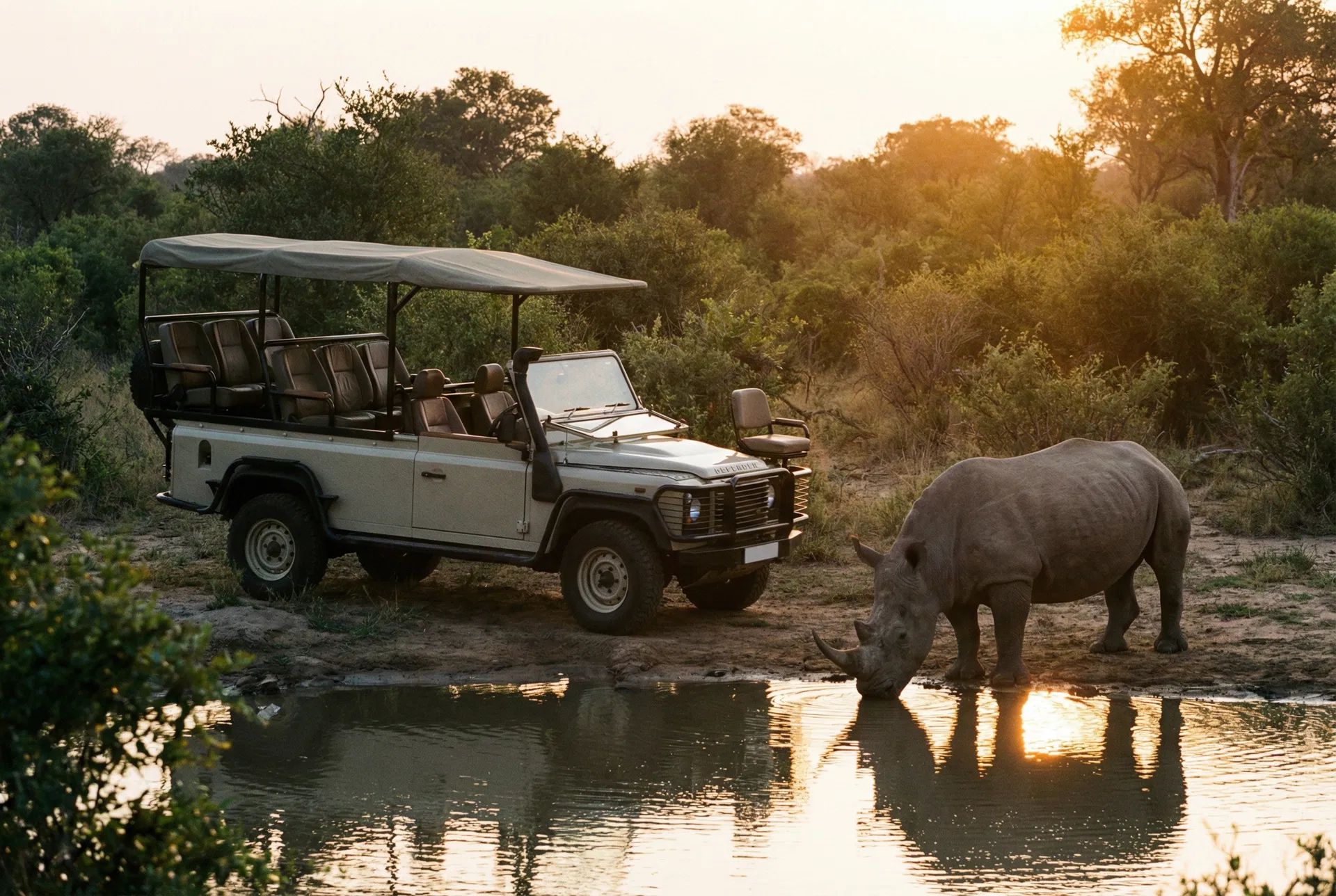
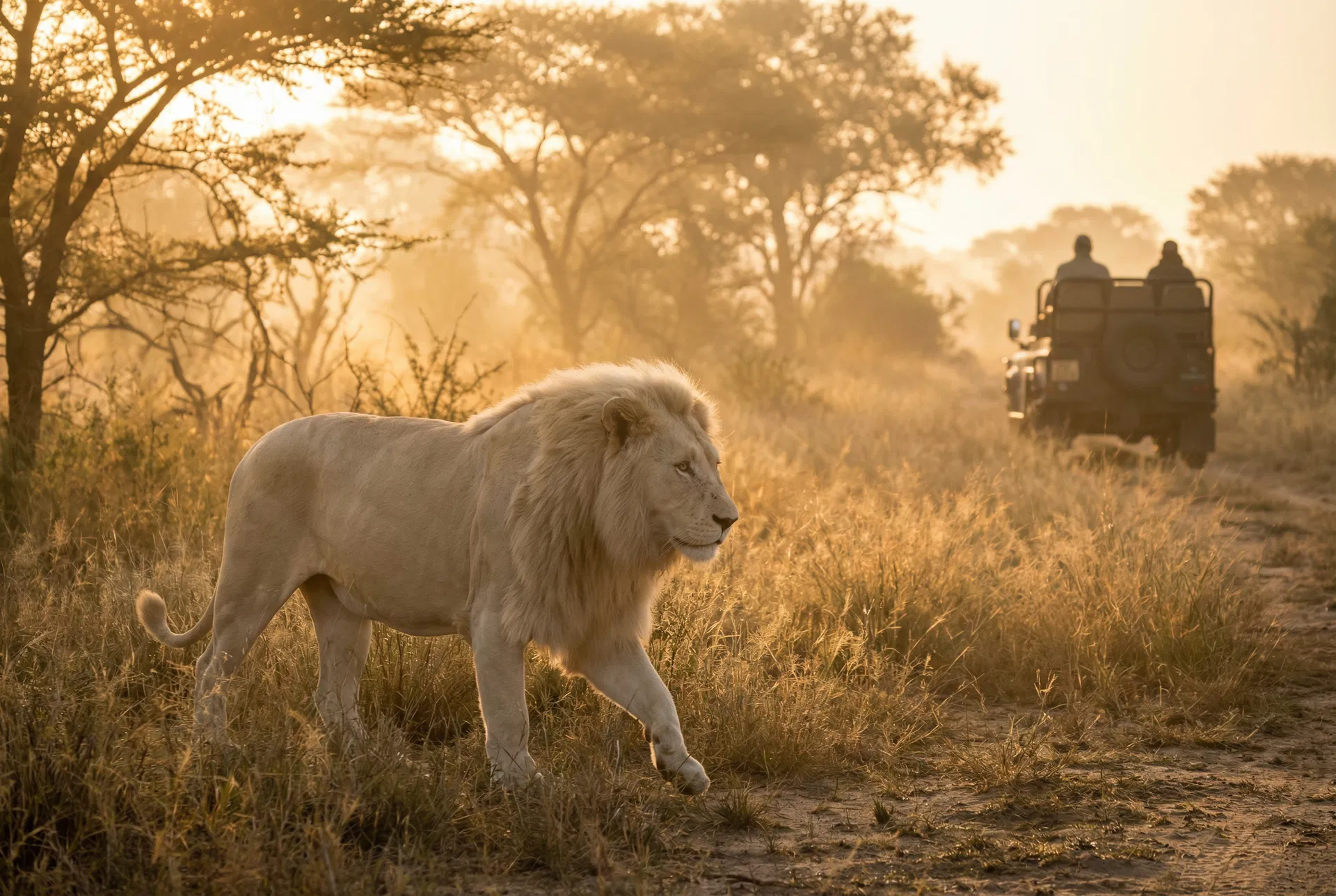
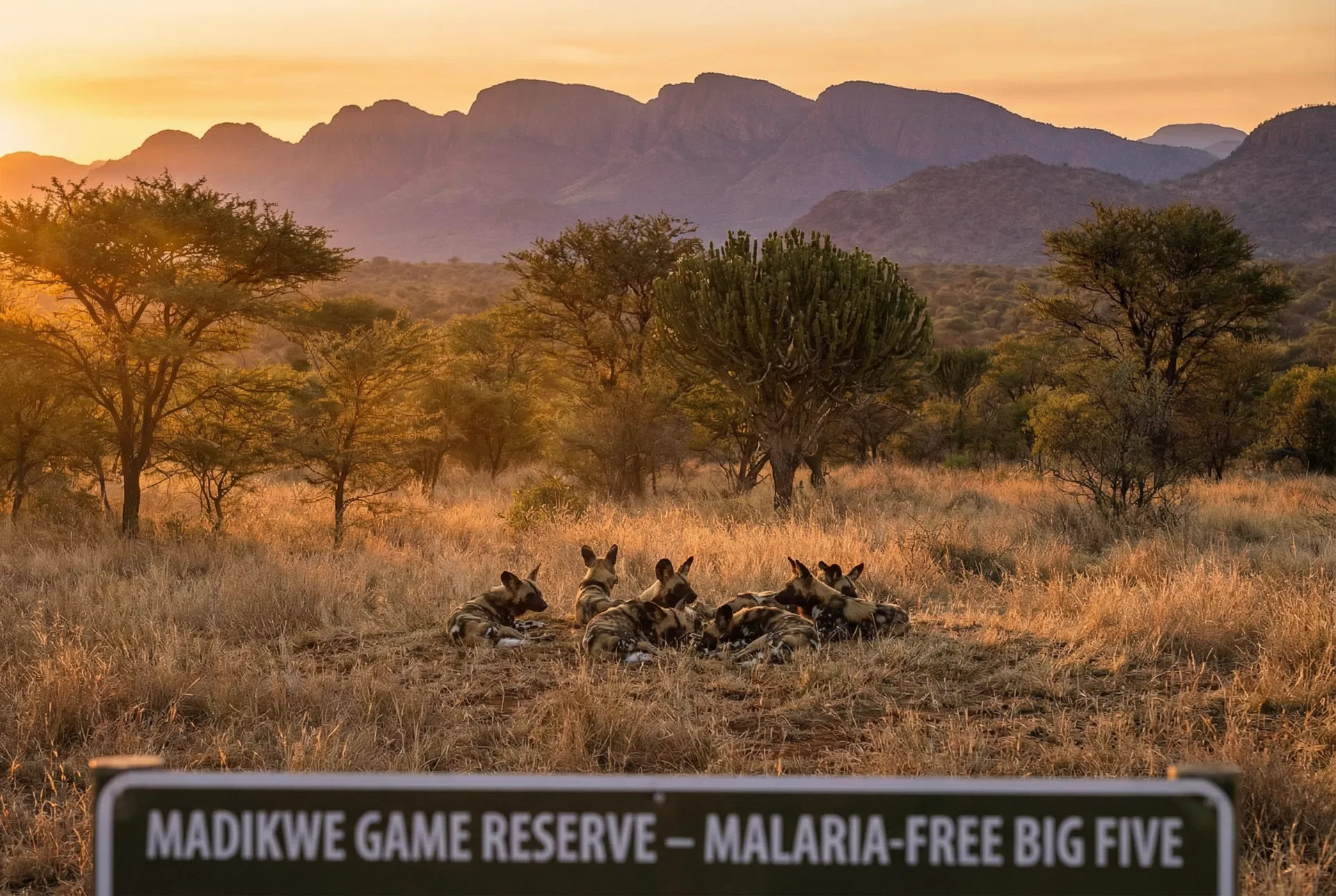
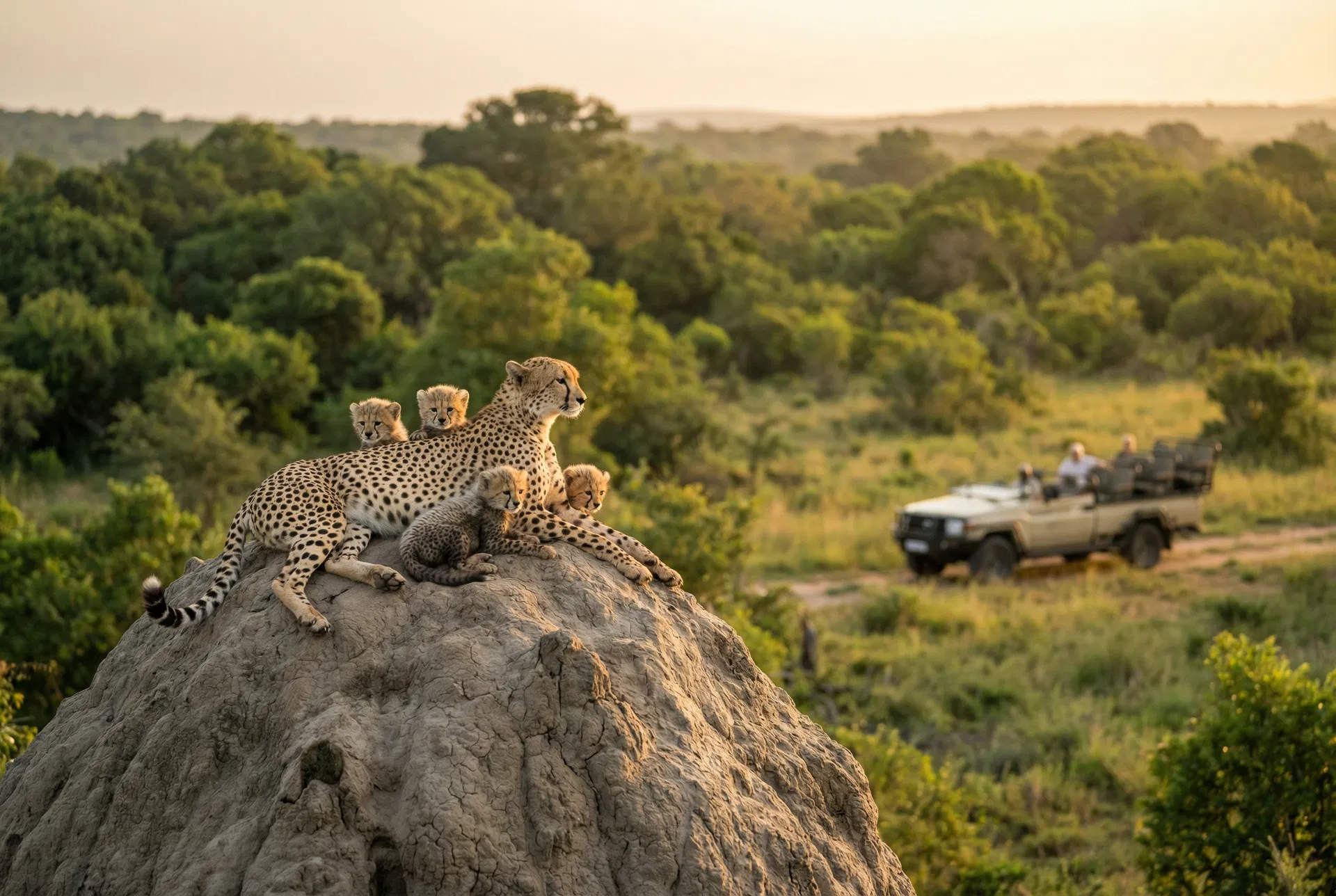
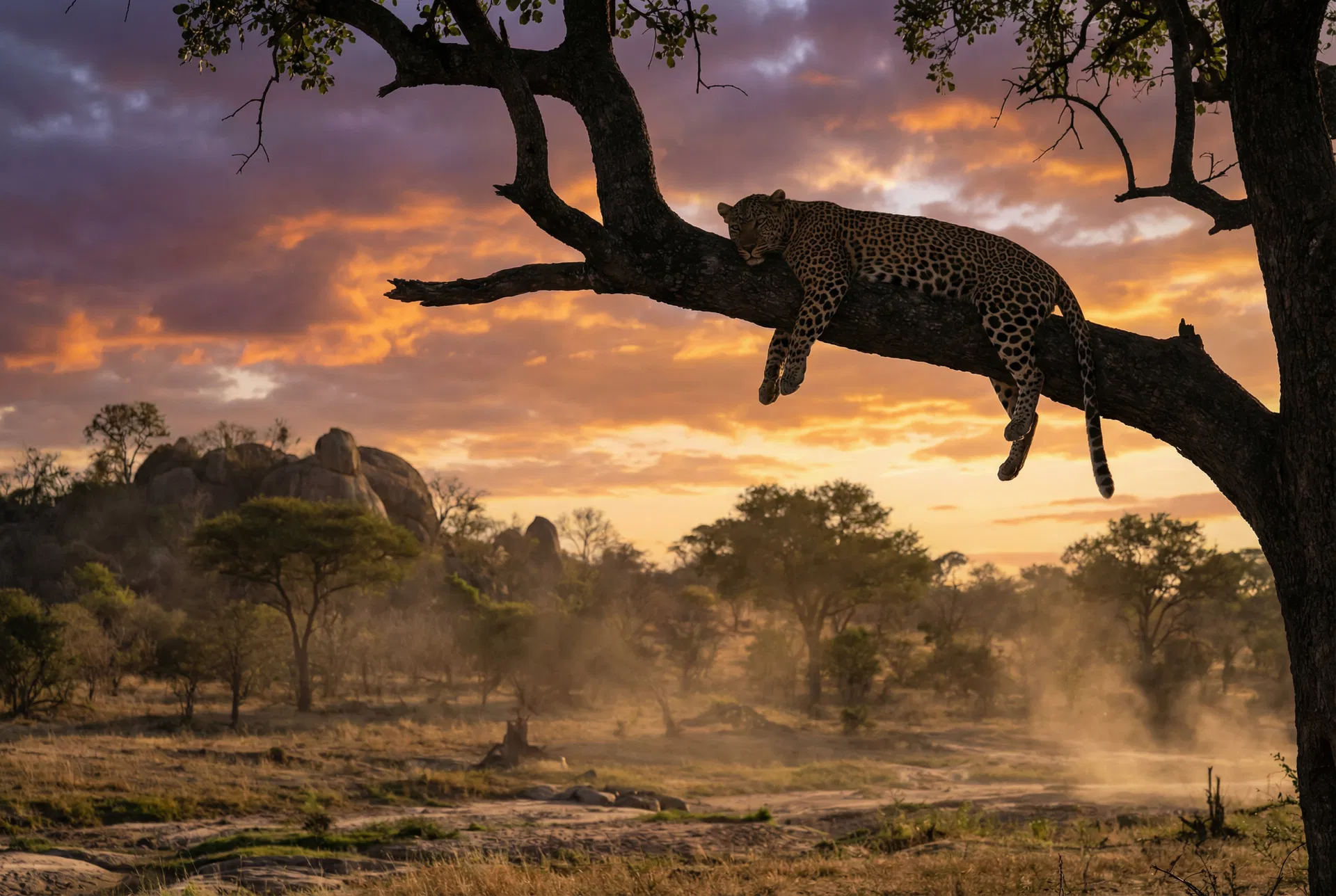
Kruger National Park is a haven for wildlife enthusiasts, boasting an incredible density and diversity of animal species. The park is most famous for being home to the "Big Five": the African lion, the African leopard, the African elephant, the Cape buffalo, and the rhinoceros. Kruger is a critical stronghold for both black and white rhinos, making it one of the best places on the continent to see these magnificent creatures. Beyond the Big Five, the park is teeming with other iconic African animals. Visitors can expect to encounter vast herds of zebra, wildebeest, and impala roaming the plains, while graceful giraffes browse the treetops. The park's rivers and waterholes are home to hippos and crocodiles, and elusive predators like cheetahs and African wild dogs are also found within its borders. With over 147 mammal species, Kruger offers a truly comprehensive wildlife viewing experience.
Best Time to Visit
The best time to visit Kruger National Park for wildlife viewing is during the dry winter months, from May to September. During this period, the vegetation is sparse, and the lack of rain forces animals to congregate around rivers and waterholes, making them easier to spot. The days are typically mild and sunny, with cool evenings and mornings, providing comfortable conditions for game drives. The wet summer season, from October to April, transforms the park into a lush, green paradise. While the dense vegetation can make wildlife viewing more challenging, this is the best time for birdwatching, as migratory birds flock to the park. The summer also brings the arrival of newborn animals, offering heartwarming sightings of young wildlife. Ultimately, Kruger is a year-round destination, with each season offering a unique and rewarding safari experience.
Safari Experience
The safari experience in Kruger National Park is both accessible and diverse, catering to a wide range of travelers. The park's extensive network of well-maintained roads allows for excellent self-drive safaris, giving visitors the freedom to explore at their own pace. For those seeking a more guided experience, the park offers a variety of options, including morning, sunset, and night game drives in open safari vehicles. These drives are led by experienced guides who share their knowledge of the bush and help track down elusive wildlife. For a more intimate and immersive experience, guided walking safaris are available, allowing visitors to connect with the wilderness on a deeper level. Whether you choose to explore independently or with a guide, the safari experience in Kruger is defined by thrilling wildlife encounters and the untamed beauty of the African bush.
Landscape and Ecosystem
Kruger National Park's vast and varied landscape is a key component of its ecological richness. The park is characterized by a number of distinct eco-zones, each with its own unique vegetation and wildlife. The southern region is dominated by a mix of acacia and marula woodlands, interspersed with open grasslands. This area receives the highest rainfall and supports a high density of wildlife. The central region is characterized by vast open plains, which are ideal for grazing animals like zebra and wildebeest. The northern part of the park is more arid and is dominated by mopane woodland, which provides a different kind of safari experience. The Lebombo Mountains form the park's eastern boundary, creating a dramatic backdrop to the landscape. Kruger's diverse ecosystems, from riverine forests to rocky outcrops, contribute to its incredible biodiversity and make it a fascinating destination for nature lovers.
Safari Activities
Kruger National Park offers a wide range of activities to suit every interest and budget. The most popular activity is, of course, game viewing, which can be done on self-drive safaris or guided game drives. In addition to the standard morning and afternoon drives, the park also offers night drives, which provide a unique opportunity to see nocturnal animals. For the more adventurous, guided bush walks and multi-day backpacking trails offer an unparalleled opportunity to experience the wilderness up close. Birdwatching is another popular activity, with over 500 bird species recorded in the park. For those interested in the cultural and historical aspects of the park, there are a number of archaeological sites and rock art sites to explore. Other activities include bush breakfasts and dinners, 4x4 adventure trails, and even a golf course in Skukuza Rest Camp.
Where It Is Located
Kruger National Park is situated in the northeastern part of South Africa, in the provinces of Limpopo and Mpumalanga. The park shares its eastern border with Mozambique and its northern border with Zimbabwe. The most common way to get to Kruger is by flying into one of the nearby airports. Kruger Mpumalanga International Airport (KMIA), located near Nelspruit, is the main gateway to the southern part of the park. Hoedspruit Eastgate Airport and Phalaborwa Airport serve the central and northern regions. From these airports, visitors can rent a car and drive to their chosen rest camp or lodge. The park is also accessible by road from Johannesburg, which is approximately a four- to five-hour drive to the southern gates. The park has a number of entrance gates, making it easy to access from different directions.
Who This Destination Is Best For
Kruger National Park's accessibility and diverse range of accommodation and activities make it an ideal destination for a wide variety of travelers. For first-time safari-goers, Kruger offers a fantastic introduction to the African bush, with its excellent infrastructure and high chances of seeing the Big Five. Families will appreciate the park's family-friendly rest camps, which offer a range of amenities, including swimming pools and restaurants. The park's self-drive option also makes it a great choice for those traveling with children, as it allows for flexibility and a more relaxed pace. Luxury travelers are well-catered for, with a number of exclusive private lodges located within the park and in the surrounding private game reserves. These lodges offer a premium safari experience, with luxurious accommodation, gourmet cuisine, and expert-led game drives. Adventure seekers will enjoy the opportunity to go on guided walks and multi-day trails, while photographers will be in their element with the park's abundant wildlife and stunning landscapes.