Destination Overview
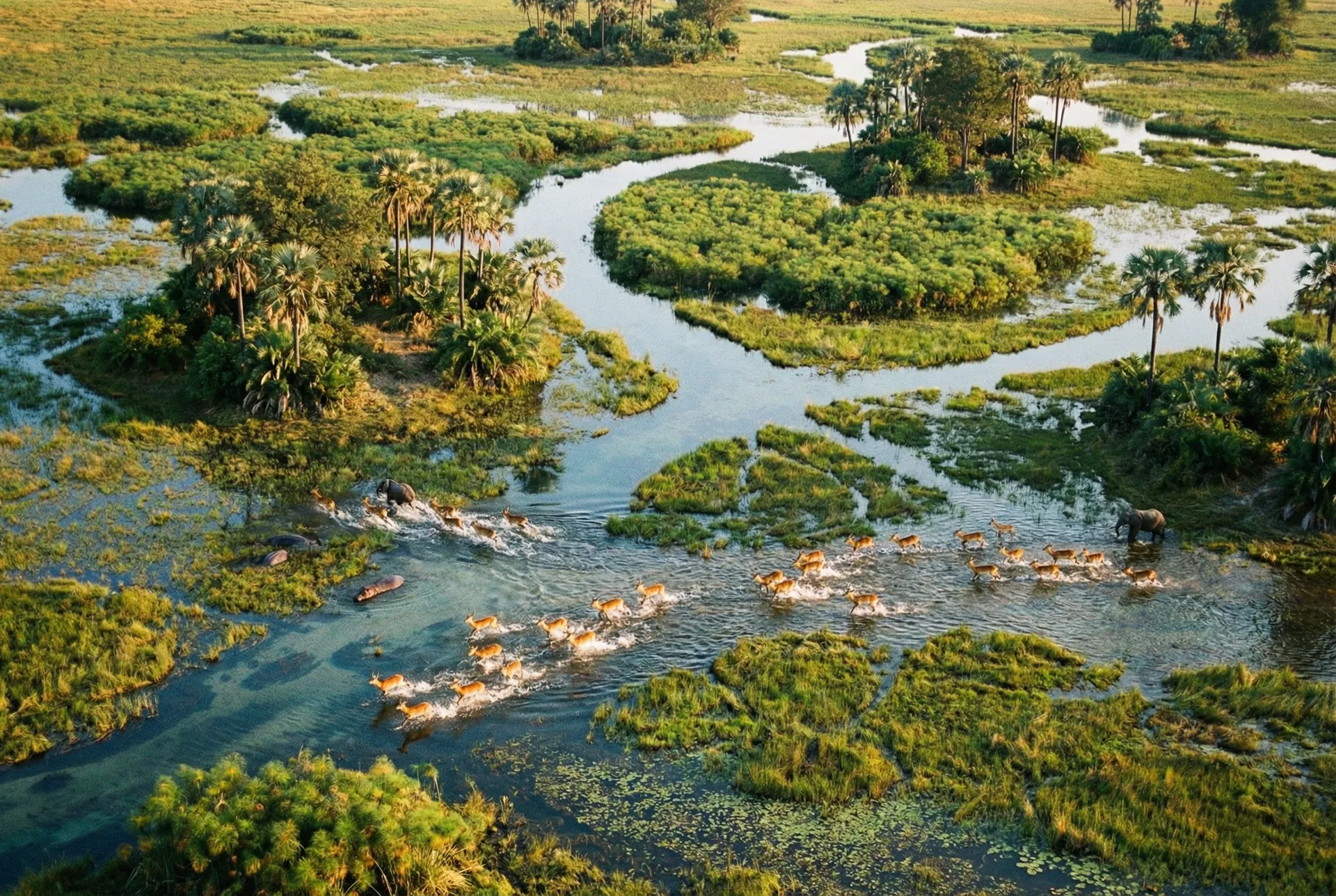
The Okavango Delta, located in the heart of the Kalahari Desert in Botswana, is one of the world’s most extraordinary ecosystems. A UNESCO World Heritage site, this vast inland delta is a maze of sparkling lagoons, meandering channels, and palm-fringed islands. Unlike most rivers that flow to the sea, the Okavango River empties onto the open sands of the Kalahari, creating a life-giving oasis that supports a remarkable diversity of wildlife. This unique natural phenomenon, where the annual floodwaters from the Angolan highlands arrive during the driest part of the year, has created a self-contained ecosystem where wildlife has thrived. The Okavango Delta is a place of unparalleled beauty and tranquility, offering a safari experience that is both exclusive and deeply connected to the natural world.
Wildlife Highlights
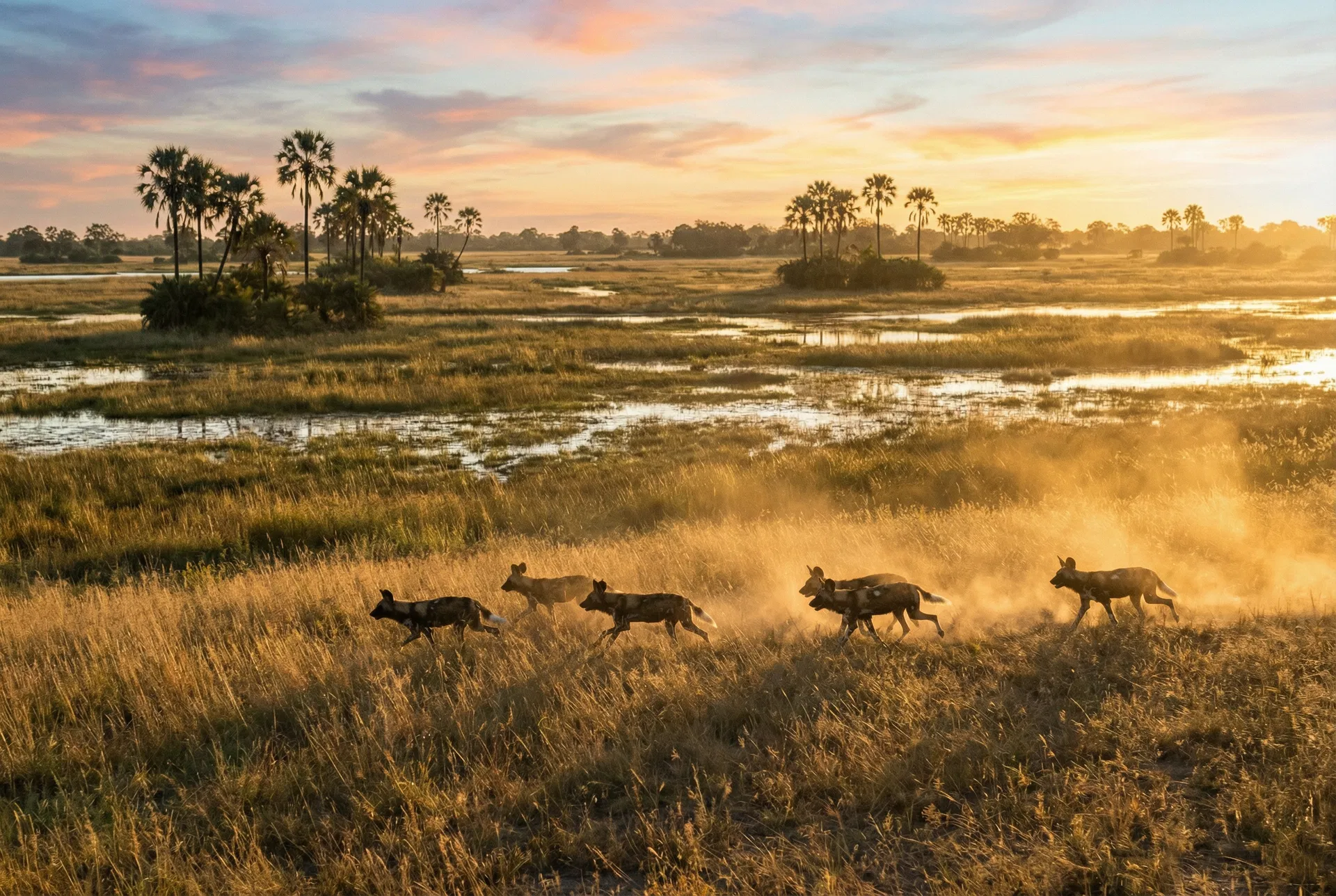
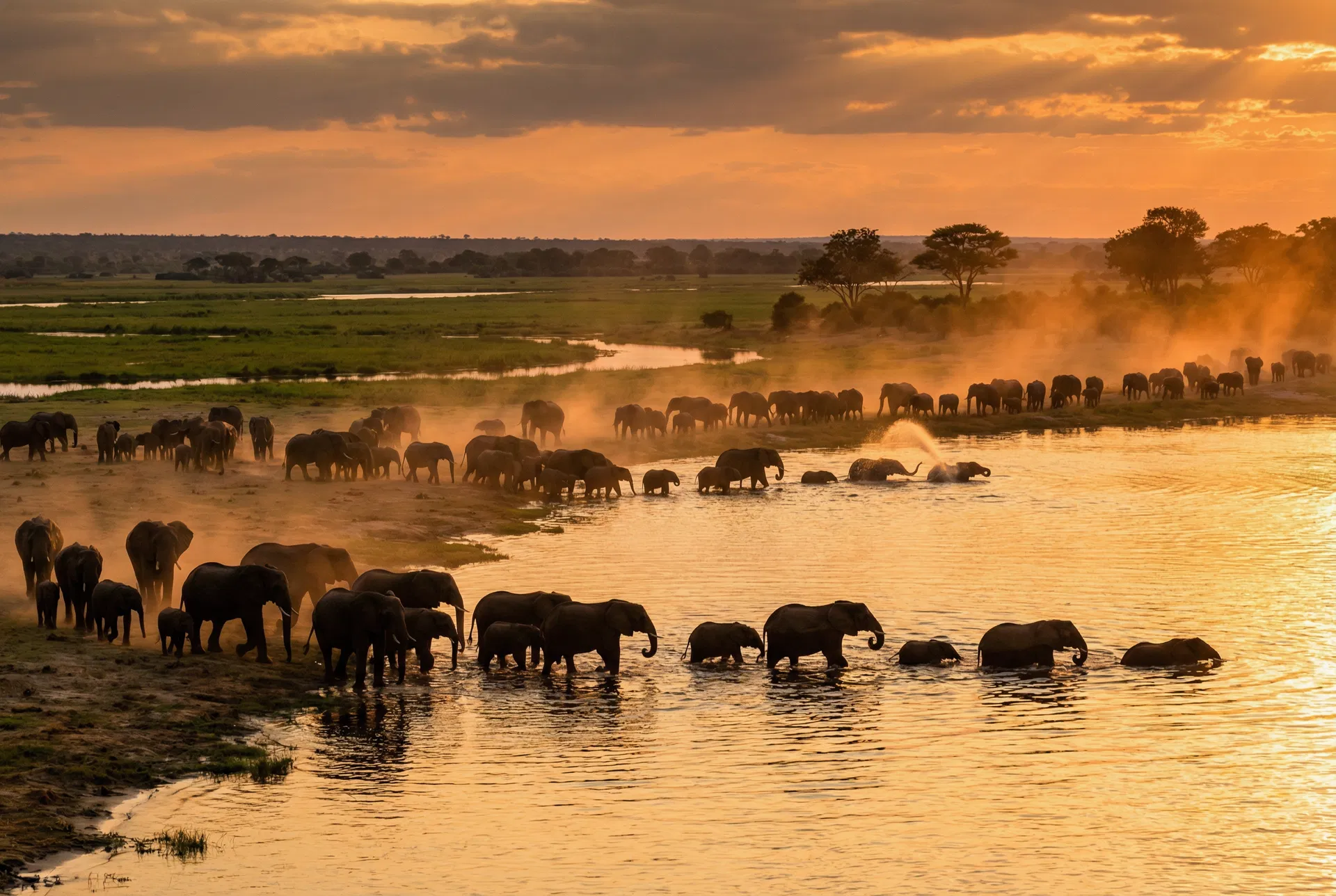
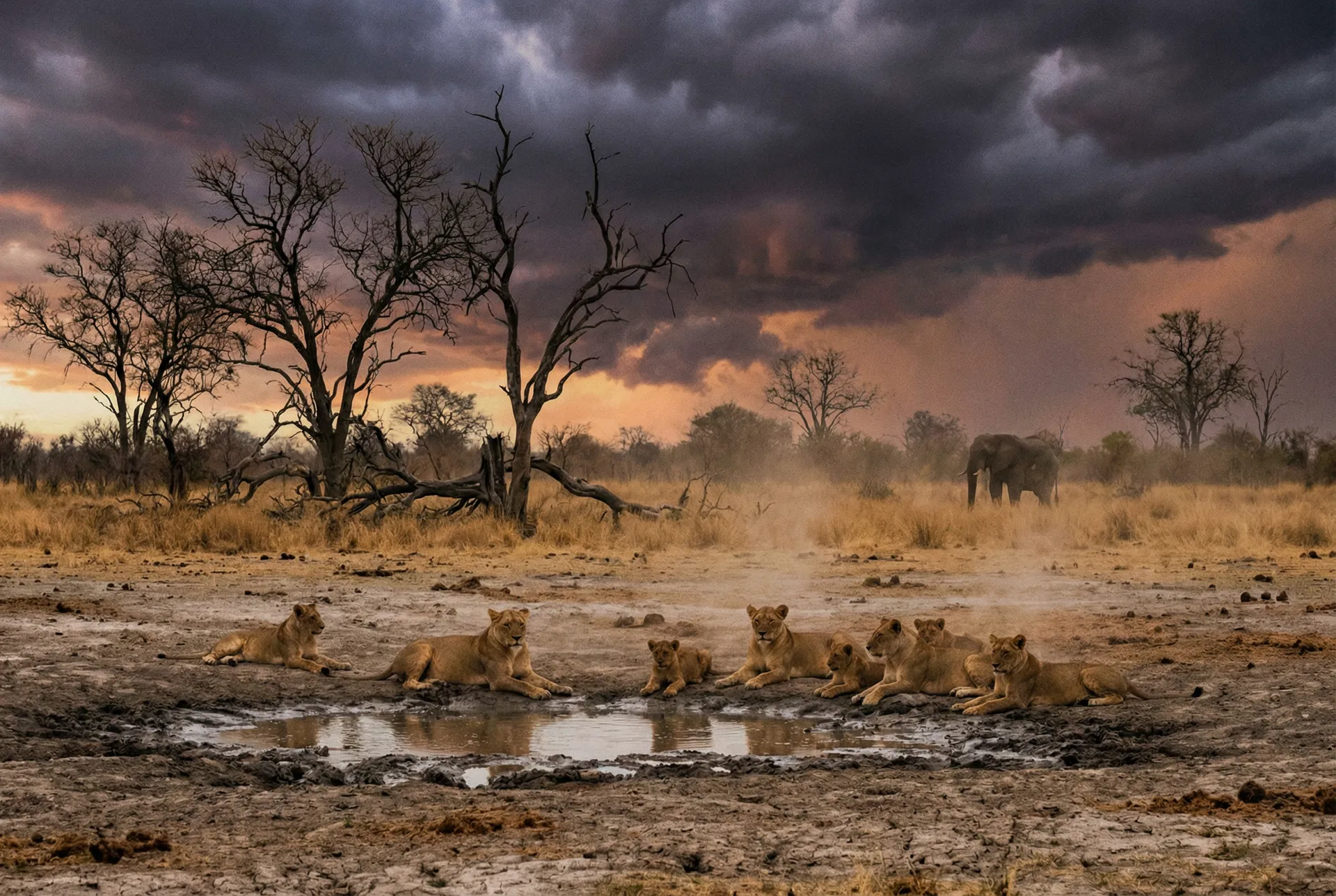
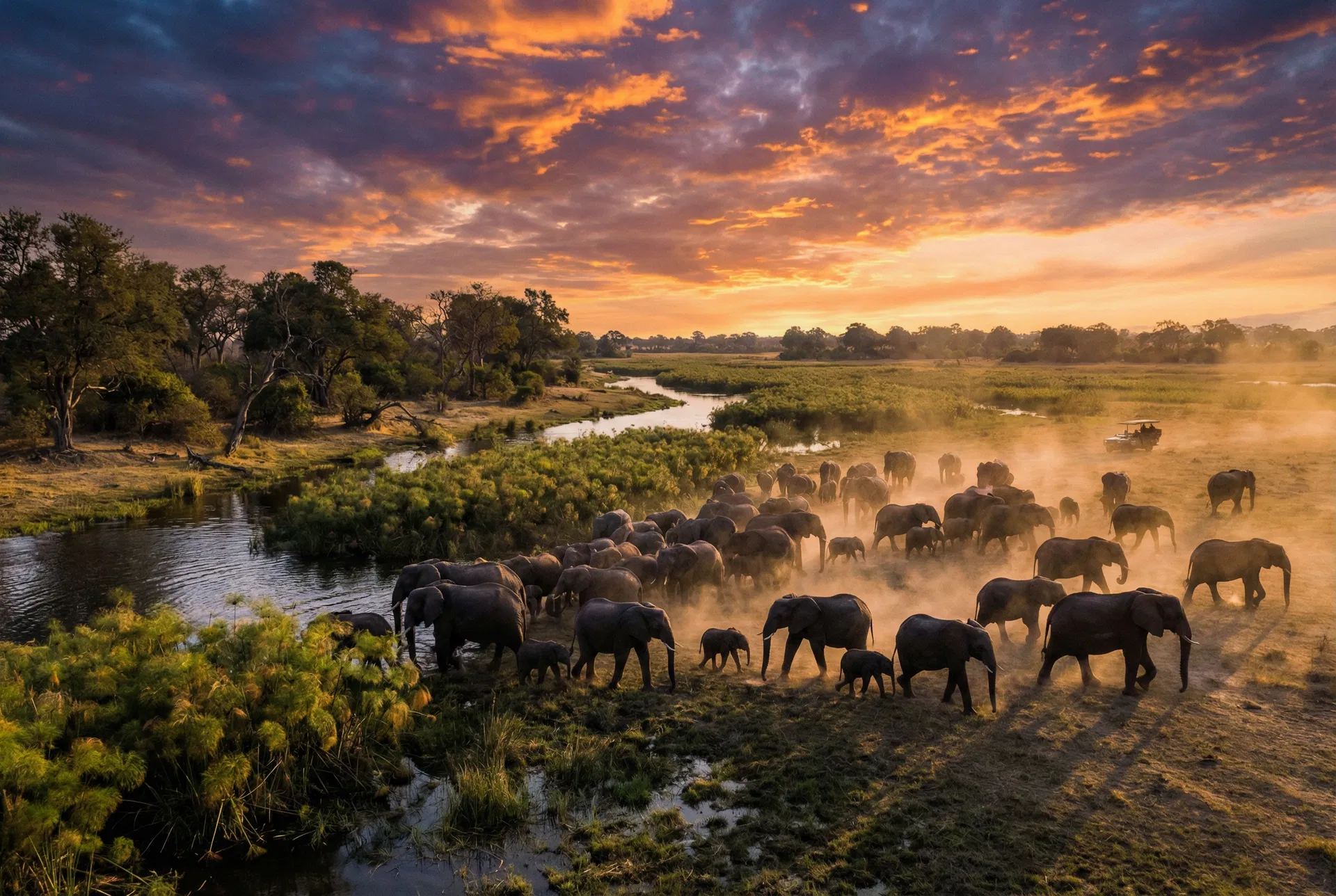
The Okavango Delta is a sanctuary for some of Africa’s most iconic and endangered species. The delta's rich mosaic of habitats, from permanent swamps to seasonal floodplains and dry woodlands, supports an incredible abundance of wildlife. The area is a stronghold for the African elephant, with large herds moving between the islands and floodplains. The delta is also one of the best places in Africa to see the endangered African wild dog. Lions, leopards, and cheetahs are regularly sighted, and the elusive Pel's fishing owl can sometimes be spotted in the dense riverine forests. The waterways are home to hippos and crocodiles, while the floodplains teem with red lechwe, a species of antelope perfectly adapted to a semi-aquatic lifestyle. Other common sightings include giraffe, zebra, buffalo, and a wide variety of antelope species. The Okavango Delta is also a paradise for birdwatchers, with over 400 species recorded, including the slaty egret, wattled crane, and the African skimmer.
Best Time to Visit
The Okavango Delta is a year-round destination, but the best time for wildlife viewing is during the dry season, from June to October. During these months, the floodwaters from the Angolan highlands have typically arrived, and the delta is at its most beautiful. The concentration of wildlife around the permanent water sources makes for exceptional game viewing. The weather is also pleasant, with warm days and cool nights. The shoulder seasons, from April to May and November to December, can also be excellent times to visit, with fewer crowds and lush, green landscapes. The wet season, from January to March, is characterized by afternoon thunderstorms and can be a great time for birdwatching, as many migratory species are present.
Safari Experience
A safari in the Okavango Delta is a unique and immersive experience. The combination of land and water-based activities offers a variety of perspectives on the delta's incredible wildlife and landscapes. Game drives in open 4x4 vehicles are a classic way to explore the delta's islands and woodlands, offering the chance to see a wide range of animals. Mokoro excursions, in traditional dugout canoes, provide a peaceful and intimate way to experience the delta's waterways, gliding silently past hippos, crocodiles, and a myriad of birdlife. Motorboat safaris are also available in some areas, allowing for exploration of the larger channels and lagoons. Walking safaris, led by experienced guides, offer a chance to connect with the bush on a deeper level, learning about the smaller creatures and plants that are often missed from a vehicle.
Landscape and Ecosystem
The Okavango Delta is a dynamic and ever-changing landscape. The delta is a vast alluvial fan, created by the deposition of sediment from the Okavango River over thousands of years. The landscape is a mosaic of different habitats, including permanent swamps, seasonal floodplains, and islands of dry land. The islands, which are in fact the tops of ancient sand dunes, are covered in a variety of vegetation, from palm groves to acacia woodlands. The floodplains are a sea of grass, dotted with termite mounds and the occasional sausage tree. The delta's ecosystem is driven by the annual flood, which transforms the landscape and dictates the movements of the wildlife. This intricate interplay of water, land, and life makes the Okavango Delta one of the most fascinating and important ecosystems on the planet.
Safari Activities
The Okavango Delta offers a wide range of safari activities to suit every interest. Game drives are the most popular activity, offering the chance to see a wide variety of wildlife. Mokoro excursions are a must-do experience, providing a unique and peaceful way to explore the delta's waterways. Motorboat safaris are also available in some areas, offering a different perspective on the delta's wildlife. Walking safaris are a great way to get up close and personal with the bush, while birdwatching is a popular activity for both novice and experienced birders. Some lodges also offer cultural visits to local villages, providing an opportunity to learn about the traditional way of life in the delta.
Where It Is Located
The Okavango Delta is located in northwestern Botswana. The main gateway to the delta is the town of Maun, which is served by regular flights from Johannesburg and Cape Town. From Maun, visitors take a small light aircraft to their safari lodge in the delta. The flight itself is a spectacular experience, offering breathtaking views of the delta's intricate network of channels and islands. Some parts of the delta, such as the Moremi Game Reserve, can also be accessed by road, but this is a much longer and more arduous journey.
Who This Destination Is Best For
The Okavango Delta is a destination that will appeal to a wide range of travelers. It is an ideal destination for first-time safari-goers, offering a classic safari experience with a unique twist. The delta is also a popular destination for luxury travelers, with a wide range of high-end lodges and camps to choose from. Photographers will be in their element in the delta, with its stunning landscapes and abundant wildlife. The delta is also a great destination for families, with many lodges offering a range of activities for children. Adventure seekers will love the opportunity to explore the delta on foot or by mokoro, while those seeking a more relaxed pace will appreciate the tranquility and beauty of this unique wilderness area.