Destination Overview
Chobe National Park, a realm of breathtaking landscapes and unparalleled wildlife, stands as Botswana's first and most biologically diverse national park. Situated in the northern part of the country, it is a sanctuary of pristine wilderness, renowned for its massive elephant herds and the dynamic ecosystems that unfold across its vast expanse. As a cornerstone of Southern Africa's safari circuit, Chobe offers a journey into the heart of the wild, where the rhythms of nature dictate the pulse of life. The park's allure lies not only in its sheer numbers of wildlife but also in the raw, untamed beauty of its landscapes, from the lush floodplains of the Chobe River to the arid expanses of the Savuti Marsh.
Wildlife Highlights
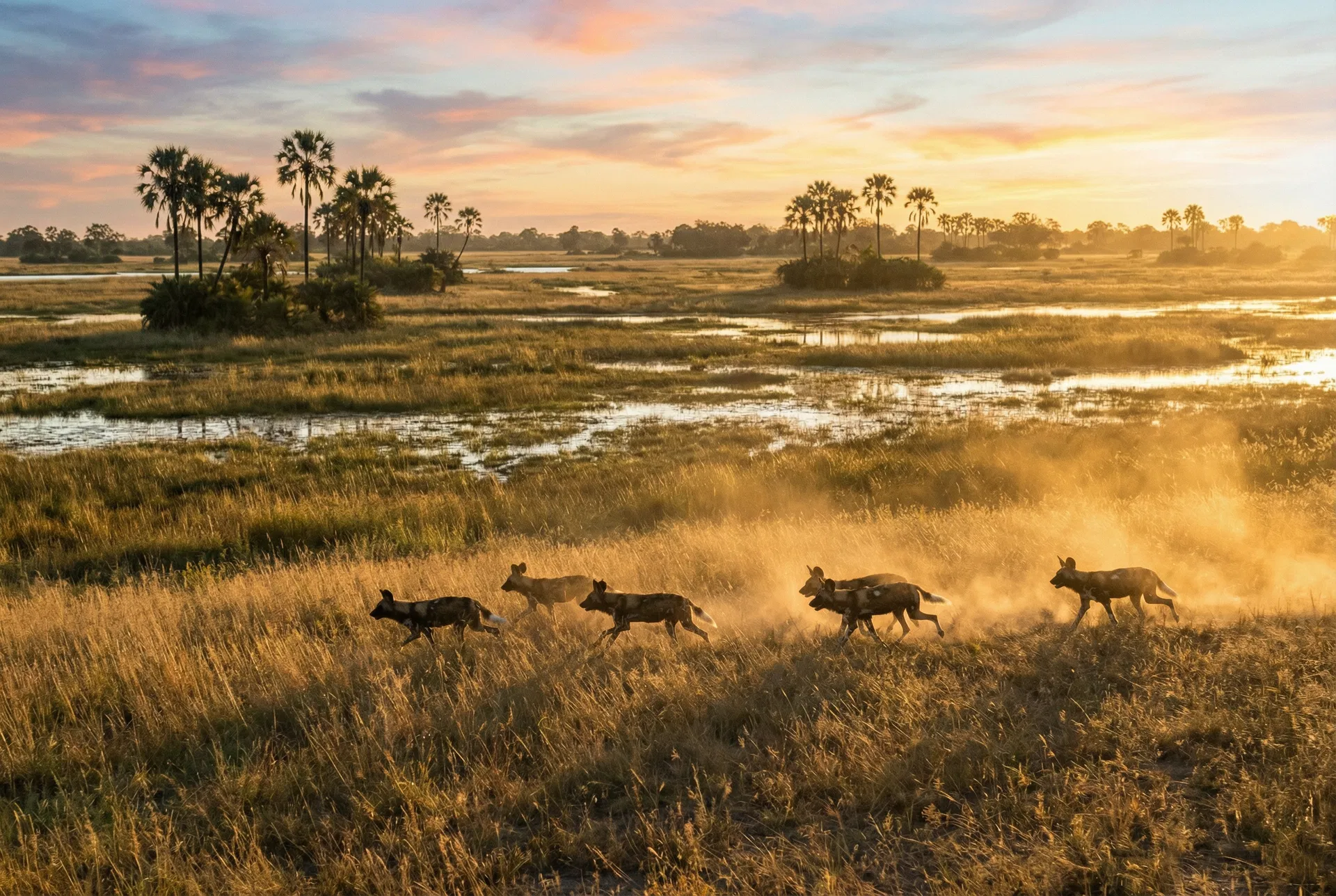
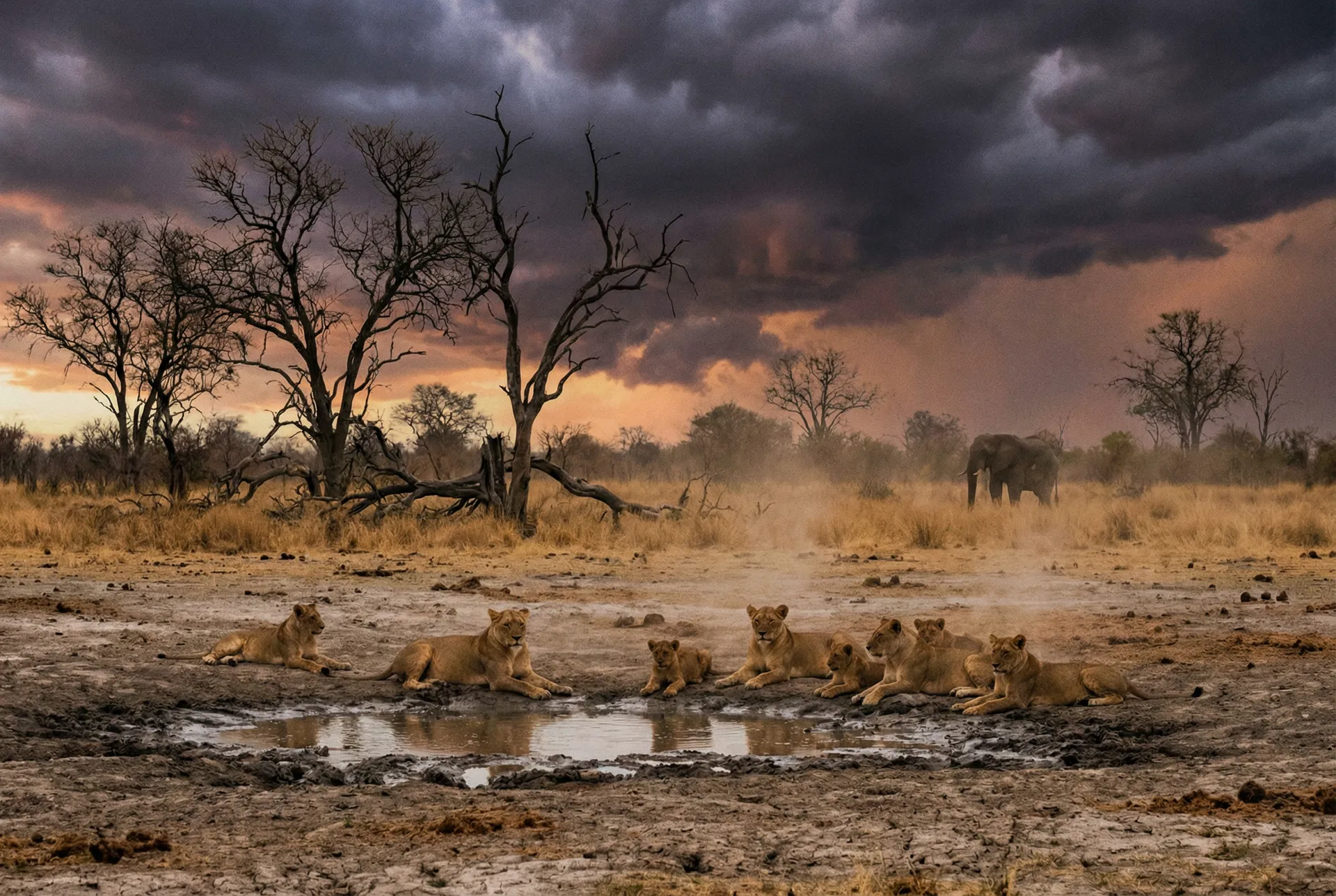
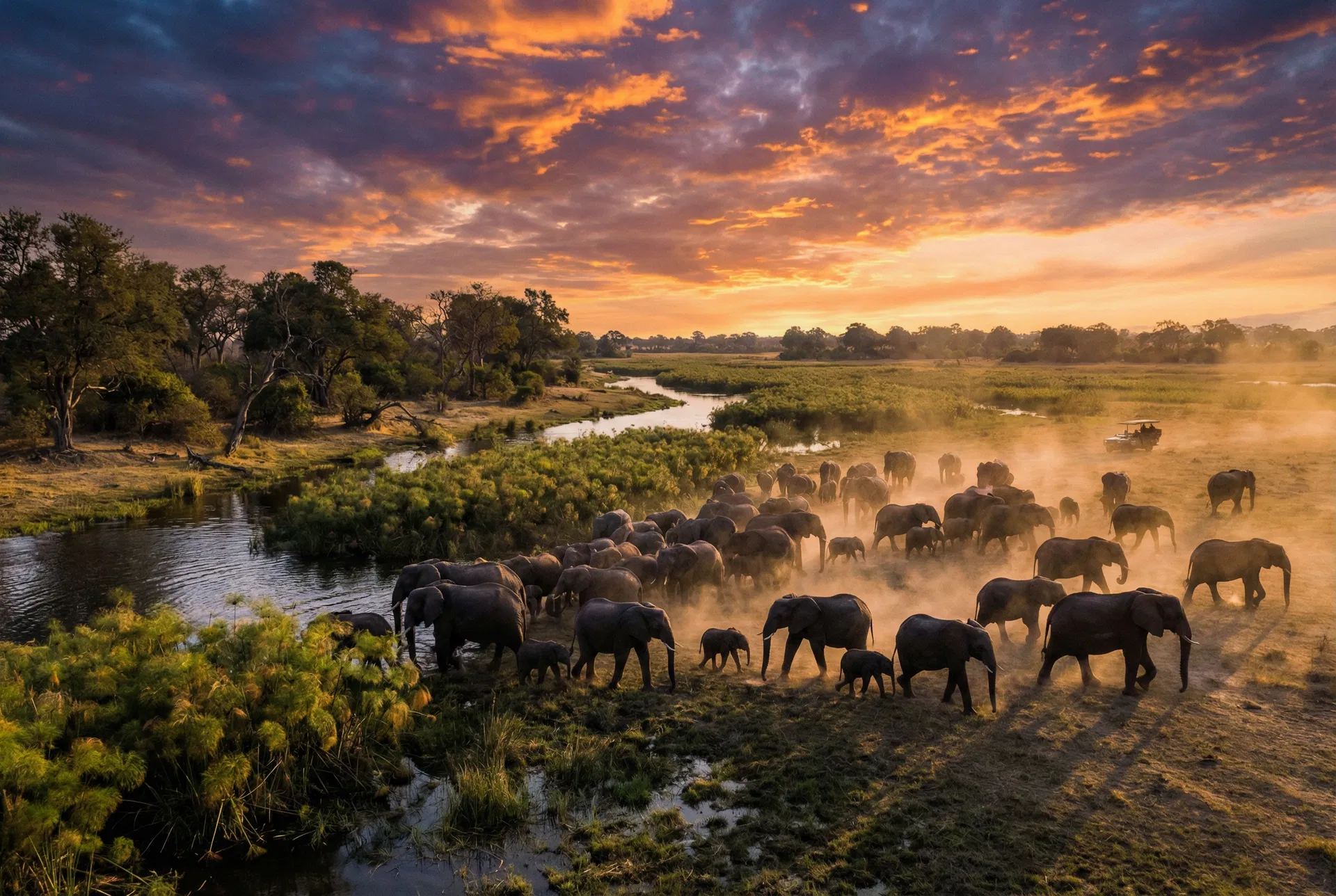
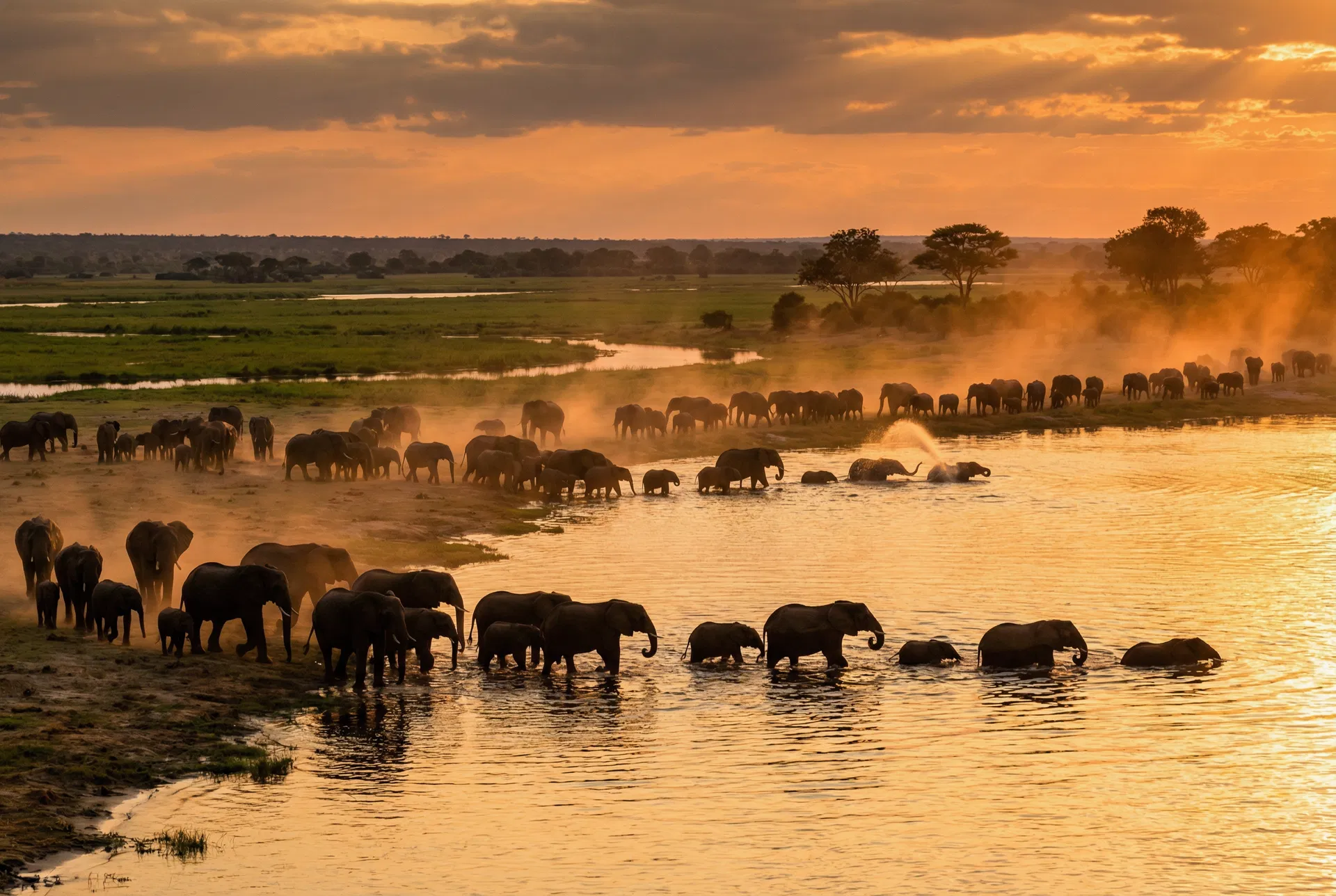
Chobe is a world-renowned stronghold for a staggering concentration of wildlife. The park is most famous for its colossal elephant population, estimated to be around 50,000 individuals, representing the largest continuous surviving elephant population on Earth. These are Kalahari elephants, known for their impressive size and forming immense herds that congregate along the Chobe River during the dry season. Beyond the elephants, Chobe is a haven for a rich diversity of species. Large predators are a significant draw, with healthy populations of lions, leopards, and African wild dogs. The park's lions are particularly noted for their unique behavior of preying on elephants. Herds of buffalo, often numbering in the hundreds, are a common sight, as are graceful giraffes, sable antelope, and the ubiquitous impala. The Chobe River is also home to a thriving population of hippos and some of the largest crocodiles in Africa. Birdlife is prolific, with over 450 species recorded, making it a paradise for ornithologists.
Best Time to Visit
The best time to visit Chobe National Park is during the dry season, which runs from May to October. During these months, the weather is pleasant, with clear skies and moderate temperatures. The lack of rain forces wildlife to congregate around the permanent water sources, particularly the Chobe River, making for exceptional game viewing. The vegetation is also thinner, which improves visibility. The peak of the dry season, from August to October, offers the most dramatic wildlife spectacles, with enormous herds of elephants and other animals gathering at the river's edge. The wet season, from November to April, transforms the park into a lush, green paradise. While game viewing can be more challenging due to the dense vegetation and dispersed wildlife, this is the best time for birdwatching, as migratory birds arrive in their thousands. The wet season also sees the birth of many young animals, adding another dimension to the safari experience.
Safari Experience
A safari in Chobe National Park is a multifaceted experience, offering a variety of ways to explore its diverse landscapes and encounter its abundant wildlife. The most iconic activity is a boat safari on the Chobe River. This provides a unique perspective, allowing for close-up encounters with elephants, hippos, crocodiles, and a plethora of birdlife. Game drives are another essential component of the Chobe experience, offering the chance to explore the park's interior and track down its predators and other terrestrial wildlife. The park is divided into four distinct ecosystems, each offering a different safari experience. The Chobe Riverfront is the most accessible and popular area, known for its high concentration of wildlife. The Savuti Marsh, in the west, is a more remote and wild region, famous for its predator action and the mysterious Savuti Channel. The Linyanti Marsh, in the northwest, is a pristine wilderness area known for its large concentrations of wildlife and exclusive safari camps. The hot and dry hinterland between Linyanti and Savuti is a less-visited area, offering a sense of true wilderness and the chance to spot rare species like the eland.
Landscape and Ecosystem
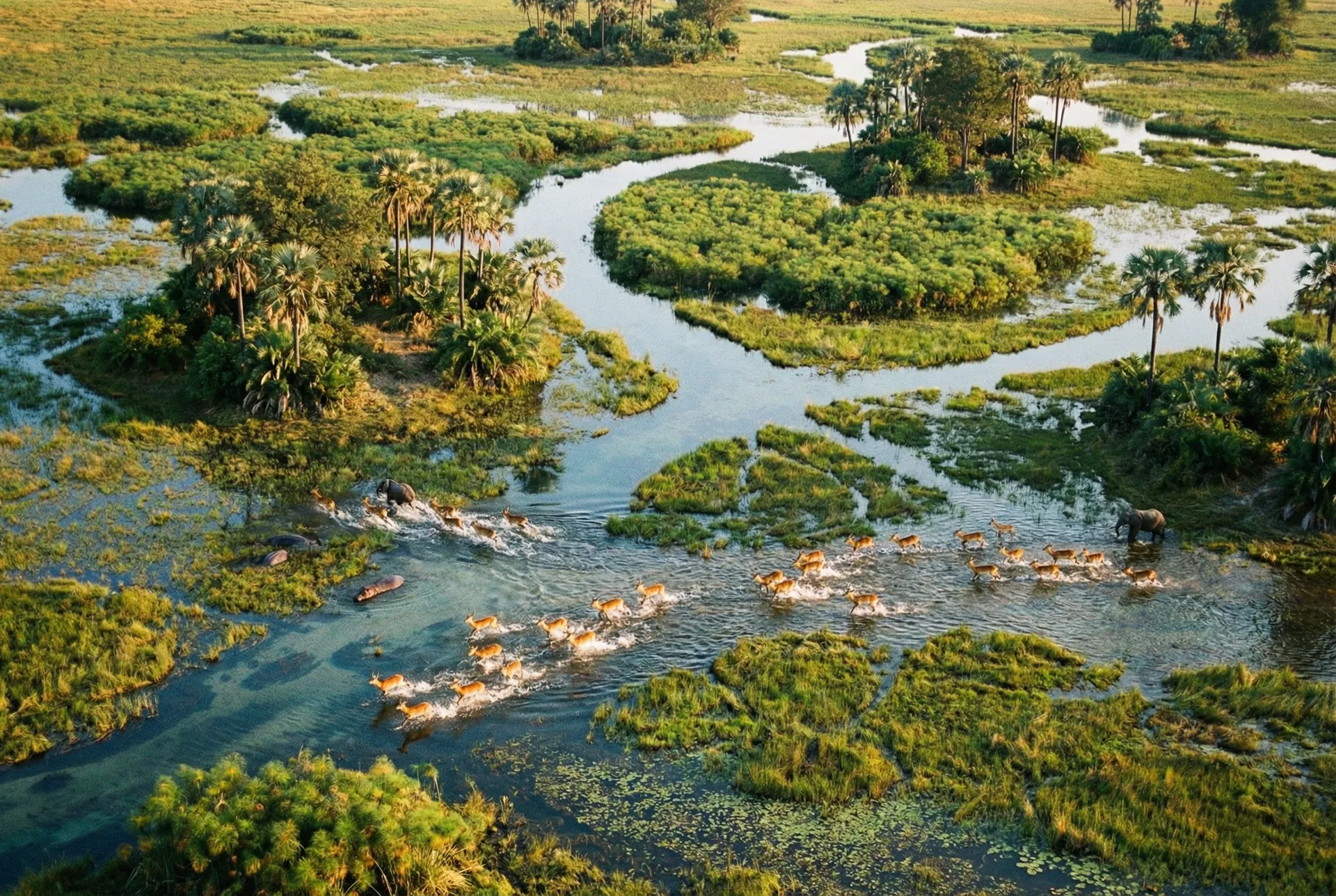
Chobe National Park is a place of dramatic contrasts, where different ecosystems converge to create a rich tapestry of landscapes. The park is broadly divided into four distinct geographical areas. The Chobe Riverfront, in the northeast, is characterized by lush floodplains and dense woodlands of mahogany and teak. The Chobe River, which forms the park's northern boundary, is the lifeblood of this region, attracting vast numbers of animals during the dry season. The Savuti Marsh, in the west, is a vast expanse of savannah and rolling grasslands, dotted with dead acacia trees that stand as ghostly sentinels of a bygone era. The marsh is fed by the unpredictable Savuti Channel, which can flow for years and then disappear for decades, creating a dynamic and ever-changing landscape. The Linyanti Marsh, in the northwest, is a pristine wetland system, characterized by lagoons, papyrus-choked waterways, and riverine forests. This area is a haven for a wide variety of wildlife, including large predators and rare antelope species. The hinterland, a hot and dry expanse of sand and woodland, connects the other three regions and offers a sense of remote wilderness.
Safari Activities
Chobe National Park offers a range of activities that allow visitors to immerse themselves in its natural wonders. The most popular activities are game drives and boat safaris. Game drives are conducted in open 4x4 vehicles, providing excellent opportunities for wildlife viewing and photography. Boat safaris on the Chobe River offer a unique perspective and are a highlight for many visitors. Other activities include birdwatching, with over 450 species recorded in the park, and fishing for bream and tigerfish in the Chobe River. Cultural visits to the local villages can also be arranged, providing an insight into the lives of the people who live on the park's periphery. For the more adventurous, walking safaris are available in some of the private concessions that border the park, offering a thrilling and intimate way to experience the bush.
Where It Is Located
Chobe National Park is located in the northern part of Botswana, in the North-West District. The park is bordered by the Chobe River to the north and the Moremi Game Reserve to the southwest. The nearest town and main entry point to the park is Kasane, which is situated on the banks of the Chobe River. Kasane has an international airport with regular flights from Johannesburg and other regional hubs. The park is also accessible by road from Victoria Falls in Zimbabwe and Livingstone in Zambia, making it a popular destination for cross-border safaris. The drive from Victoria Falls to Kasane takes approximately two hours.
Who This Destination Is Best For
Chobe National Park is a destination that appeals to a wide range of travelers. It is an excellent choice for first-time safari-goers, as it offers abundant wildlife and a variety of safari experiences. The park's accessibility and well-developed tourism infrastructure make it a comfortable and convenient destination. Wildlife enthusiasts and photographers will be in their element, with the park's high concentration of elephants and other animals providing endless opportunities for incredible sightings and images. Families will appreciate the variety of activities on offer, including boat safaris and cultural visits. Luxury travelers are well-catered for, with a range of high-end lodges and camps offering exceptional service and exclusive safari experiences. Adventure seekers will enjoy the remote and wild nature of the Savuti and Linyanti regions, where they can embark on walking safaris and explore the untamed wilderness.