Destination Overview
Resting on the northern bank of the mighty Zambezi River, Zambia’s Lower Zambezi National Park is a realm of breathtaking wilderness and exceptional wildlife. This pristine sanctuary, established as a national park in 1983, spans over 4,092 square kilometers of diverse landscapes, from riverine forests to vast floodplains. What truly sets the Lower Zambezi apart is its intimate and authentic safari experience, centered around the lifeblood of the region—the Zambezi River itself. Travelers are drawn to this remote corner of Africa for its remarkable concentration of wildlife, its stunning natural beauty, and the unique opportunity to explore the bush from both land and water. The park’s location opposite Zimbabwe’s Mana Pools National Park creates a vast, unfenced wildlife corridor, allowing animals to roam freely between the two protected areas and forming one of the most significant transboundary conservation areas in Southern Africa.
Wildlife Highlights
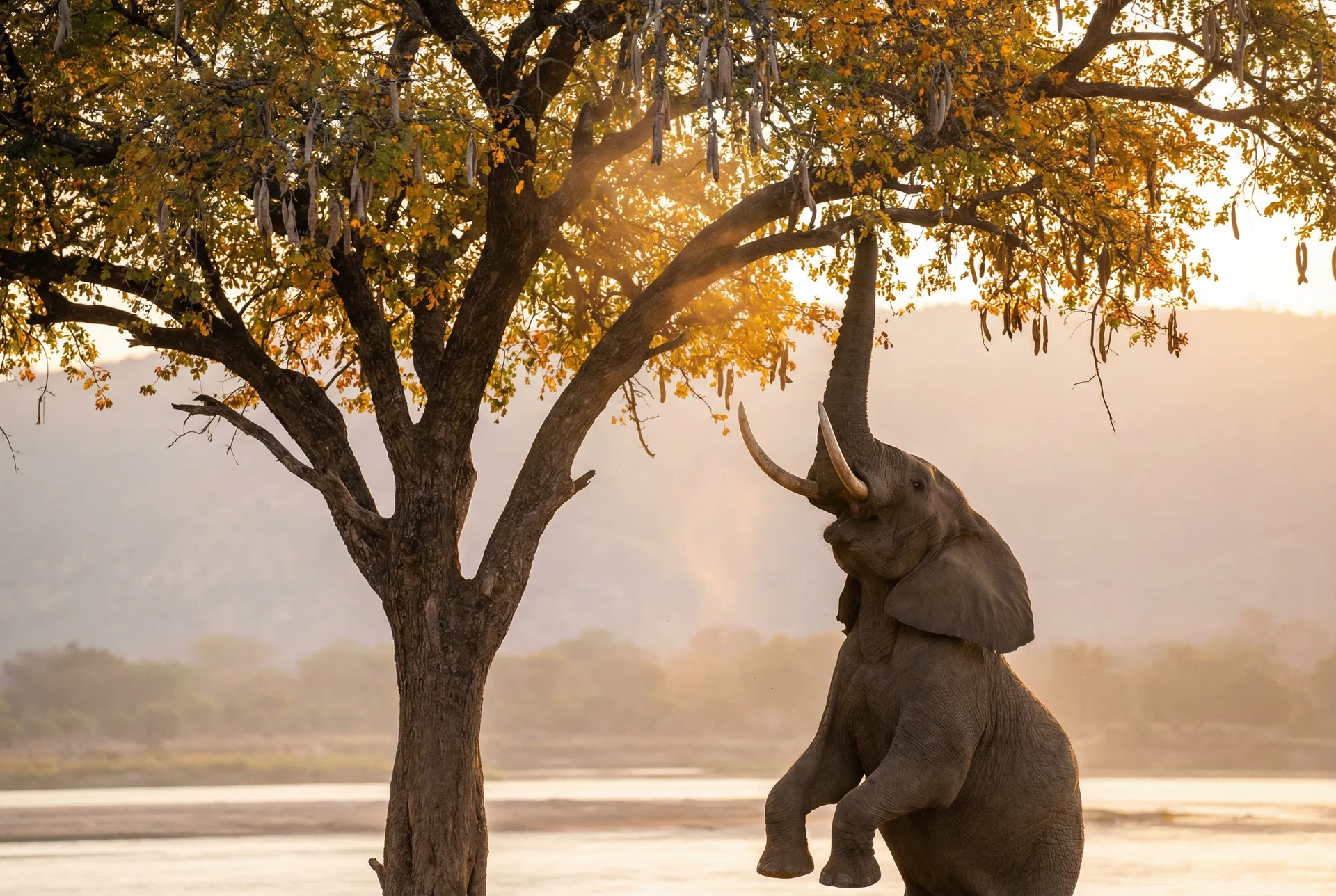
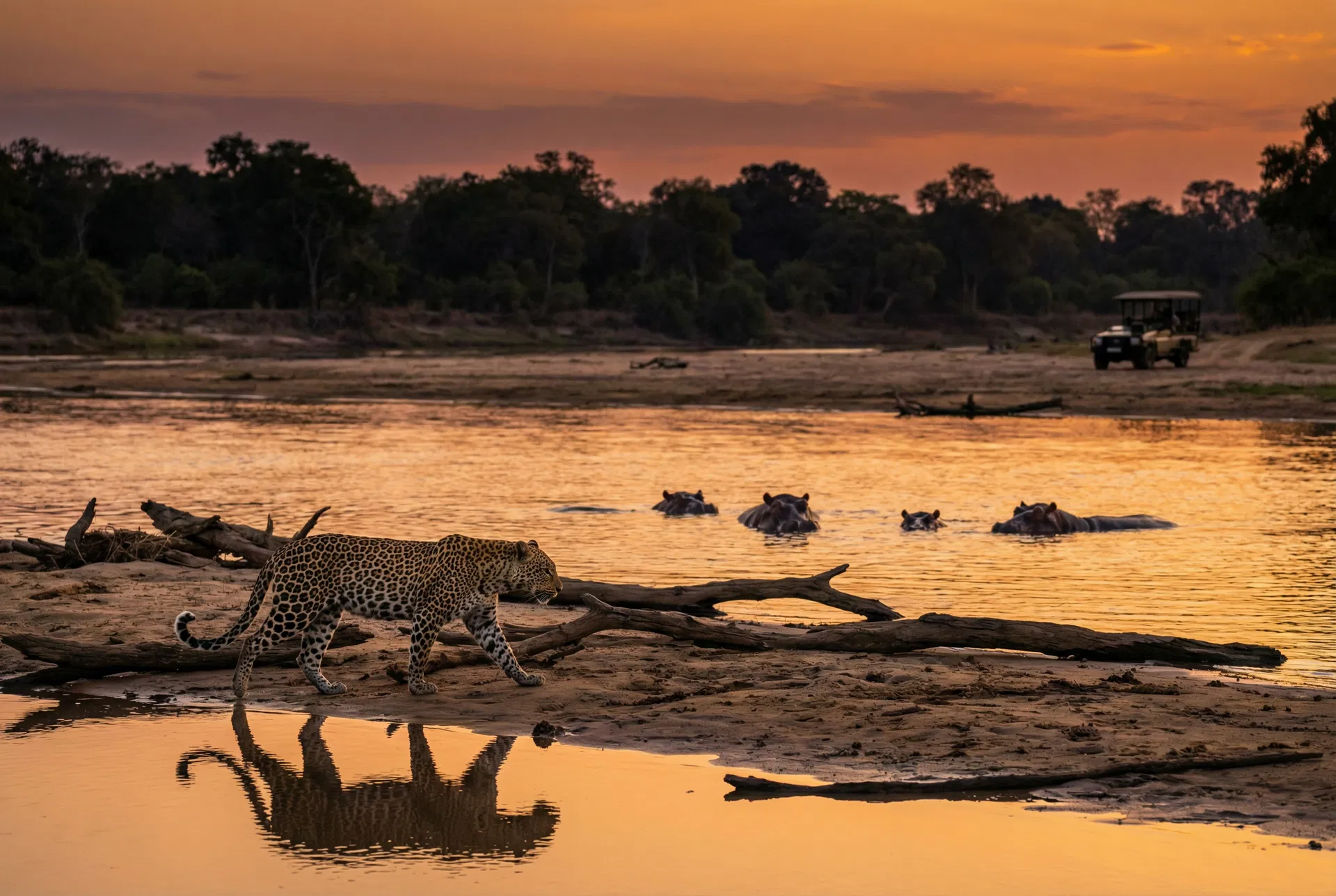
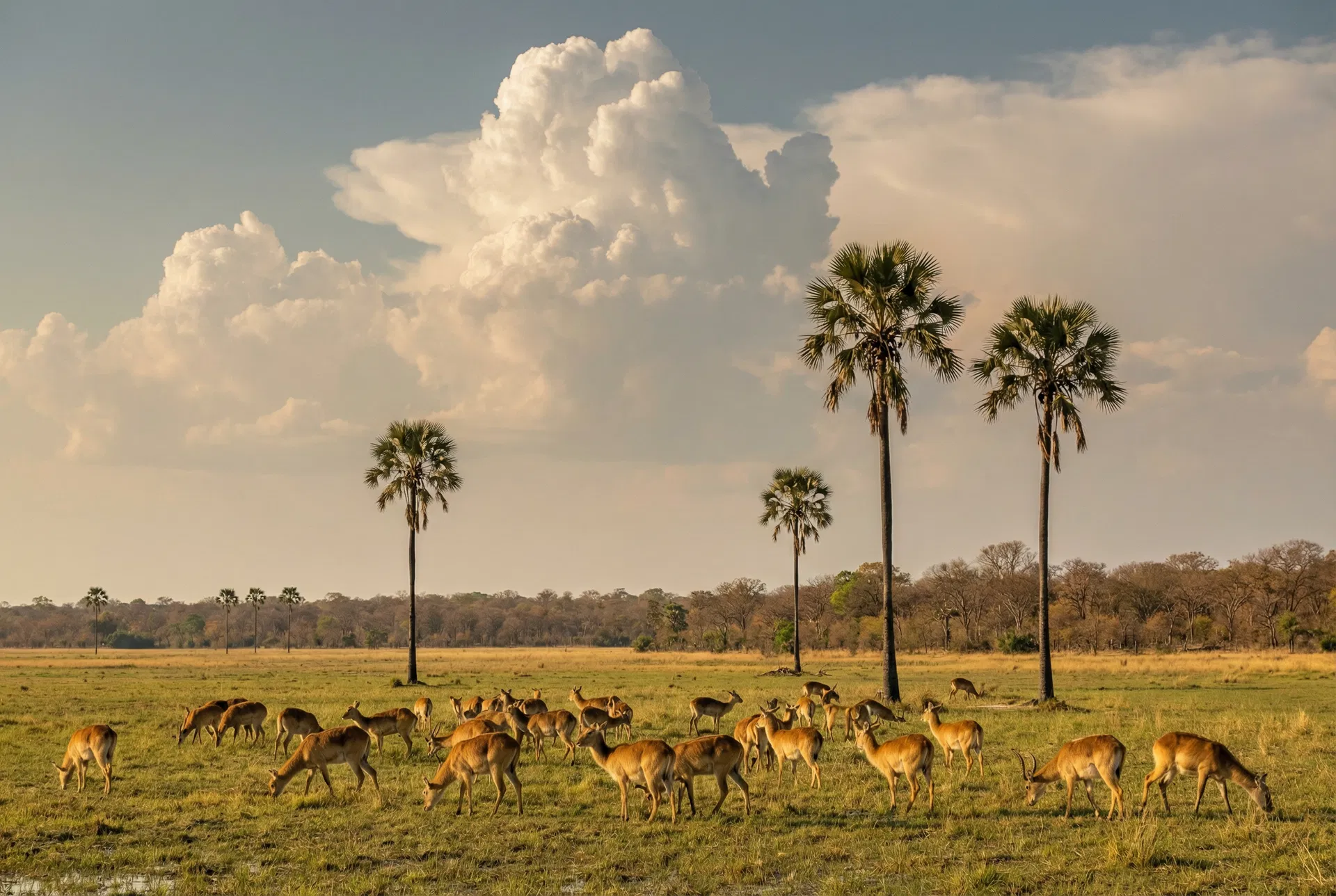
The Lower Zambezi National Park is renowned for its large herds of elephant and buffalo, which are frequently seen along the riverbanks and on the floodplains. The Zambezi River is teeming with life, and its waters are home to a dense population of hippos and some of the largest crocodiles in Africa. The park’s predator population is also healthy, with frequent sightings of lions, leopards, and spotted hyenas. While not as common, lucky visitors may even catch a glimpse of the elusive African wild dog. The park’s diverse habitats support a wide array of other wildlife, including zebra, impala, kudu, and waterbuck. Birdlife in the Lower Zambezi is nothing short of spectacular, with over 378 species recorded. The iconic African fish eagle is a common sight, its distinctive call echoing across the water. Other notable species include the magnificent Pel
's fishing owl, the vibrant carmine bee-eater, and the stately goliath heron.
Best Time to Visit
The optimal time to visit the Lower Zambezi National Park is during the dry season, which runs from May to October. During these months, the weather is pleasant, with warm days and cool nights, and rainfall is minimal. More importantly, the dry conditions draw wildlife to the Zambezi River and the surrounding floodplains, making for exceptional game viewing. As the season progresses and water sources elsewhere in the park dry up, the concentration of animals along the river becomes even more pronounced. The lush vegetation of the wet season dies back, improving visibility and making it easier to spot wildlife. The wet season, from November to April, transforms the park into a verdant paradise, but it also brings challenges. Heavy rains can make roads impassable, and many lodges and camps close during this period. While the wet season is a fantastic time for birdwatching, with the arrival of migratory species, general wildlife viewing is more challenging due to the dense vegetation and dispersed animal populations.
Safari Experience
A safari in the Lower Zambezi National Park is a truly immersive and multi-faceted experience. The park’s unique setting allows for a remarkable variety of activities, offering a departure from the traditional game drive-focused safari. The pace of life here is dictated by the river, and much of the safari experience revolves around its waters. Days are typically structured around morning and afternoon activities, with a leisurely siesta during the heat of the day. The lodges and camps in the Lower Zambezi are known for their intimate and exclusive nature, ensuring a personalized and uncrowded safari experience. The guiding in this region is of a very high standard, with experienced and knowledgeable guides who are passionate about the park and its wildlife. Whether you are silently gliding down the river in a canoe, tracking lions on foot, or enjoying a classic game drive, a safari in the Lower Zambezi is an unforgettable adventure that connects you with the wild heart of Africa.
Landscape and Ecosystem
The landscape of the Lower Zambezi National Park is a stunning tapestry of diverse ecosystems, shaped by the Zambezi River and the dramatic Zambezi Escarpment that forms its northern boundary. The valley floor is a mosaic of riverine forests, acacia woodlands, and open floodplains. The riverine fringe, with its towering winterthorn and fig trees, provides a vital habitat for a wide range of wildlife, offering shade and sustenance. The floodplains, which are inundated during the wet season, transform into lush grazing grounds during the dry months, attracting large herds of herbivores. The park’s interior is characterized by a rugged and hilly terrain, with dense woodlands and hidden valleys. This varied topography creates a rich and complex ecosystem that supports a remarkable diversity of flora and fauna. The Zambezi River itself, with its numerous channels, islands, and sandbanks, is a dynamic and ever-changing environment, and a critical resource for the park’s wildlife.
Safari Activities
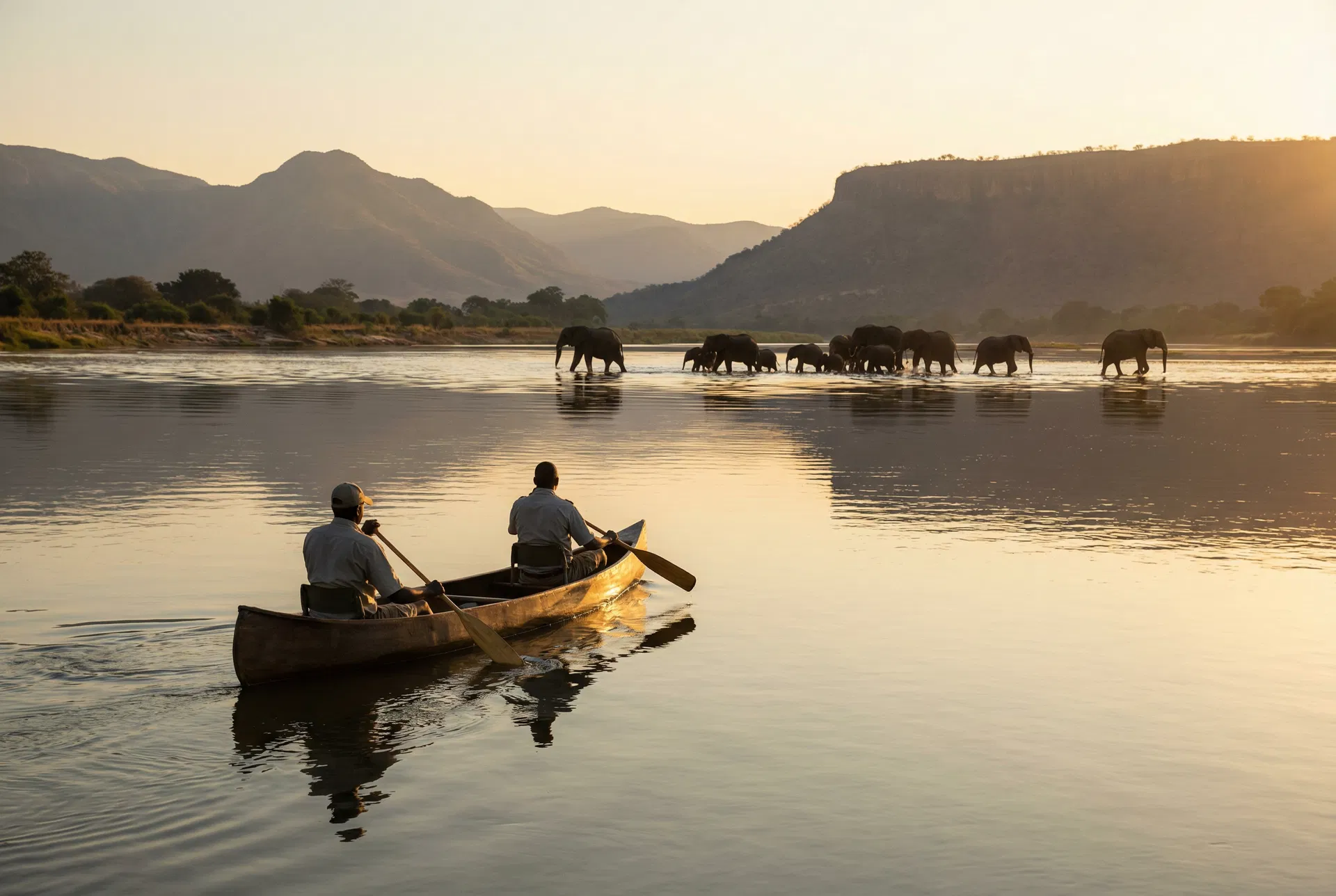
The Lower Zambezi National Park offers a wide range of safari activities, with a strong emphasis on water-based experiences. In addition to traditional game drives in open 4x4 vehicles, which provide an excellent way to cover ground and see a variety of wildlife, the park is famous for its canoe and boat safaris. A canoe safari offers a unique and thrilling perspective, allowing you to silently approach wildlife at water level. Paddling past herds of elephants drinking at the water’s edge or pods of hippos wallowing in the shallows is an experience that is both exhilarating and humbling. Boat safaris provide a more relaxed way to explore the river, with comfortable seating and shade canopies. They are ideal for birdwatching and photography, and often include stops for sundowners on a scenic sandbank. For the more adventurous, walking safaris are a fantastic way to experience the bush on a more intimate level. Accompanied by an armed guide and scout, you will learn to read the signs of the bush and appreciate the smaller details of the ecosystem. Fishing for the legendary tigerfish is another popular activity, offering a thrilling challenge for anglers of all levels.
Where It Is Located
The Lower Zambezi National Park is situated in the southeastern part of Zambia, on the northern bank of the Zambezi River. The park is approximately a 30-40 minute flight from Lusaka, the capital city of Zambia. Most visitors fly into one of the park’s airstrips, such as Jeki or Royal, from Kenneth Kaunda International Airport (LUN) in Lusaka. Several reputable charter companies operate daily flights to and from the park. While it is possible to drive to the Lower Zambezi from Lusaka, the journey is long (approximately 4-5 hours) and the roads can be challenging, especially during the wet season. The park’s remote location contributes to its exclusive and untouched feel, and the journey to get there is part of the adventure.
Who This Destination Is Best For
The Lower Zambezi National Park is an ideal destination for a wide range of travelers. Its unique combination of thrilling activities and luxurious lodges makes it a perfect choice for adventure seekers and luxury travelers alike. The park’s stunning landscapes and abundant wildlife provide endless opportunities for photographers, while the intimate and romantic atmosphere of the lodges makes it a popular choice for honeymooners and couples. The variety of activities on offer also makes it a great destination for families with older children who are looking for an active and engaging safari experience. Experienced safari-goers will appreciate the park’s wild and remote feel, as well as the opportunity to partake in unique activities like canoeing and walking safaris. While the Lower Zambezi can certainly be enjoyed by first-time safari visitors, its adventurous spirit and focus on water-based activities may be particularly appealing to those who have already experienced a more traditional game-drive focused safari in other parts of Africa.