Destination Overview
Kafue National Park is Zambia's largest and oldest national park, a vast wilderness in the heart of southern Africa. Covering an immense 22,400 square kilometers, it is one of the largest protected areas in Africa, comparable in size to Wales. The park is named after the magnificent Kafue River, which flows through it for over 250 kilometers. Kafue is renowned for its exceptional biodiversity, pristine wilderness, and the sense of solitude it offers to visitors. It is a place of raw, untouched beauty, where the rhythms of nature unfold with little human interruption. The park's sheer size and varied habitats, from the vast Busanga Plains in the north to the dense woodlands in the south, contribute to its remarkable diversity of wildlife and landscapes. This makes it a compelling destination for seasoned safari-goers and those seeking an authentic and exclusive African wildlife experience.
Wildlife Highlights
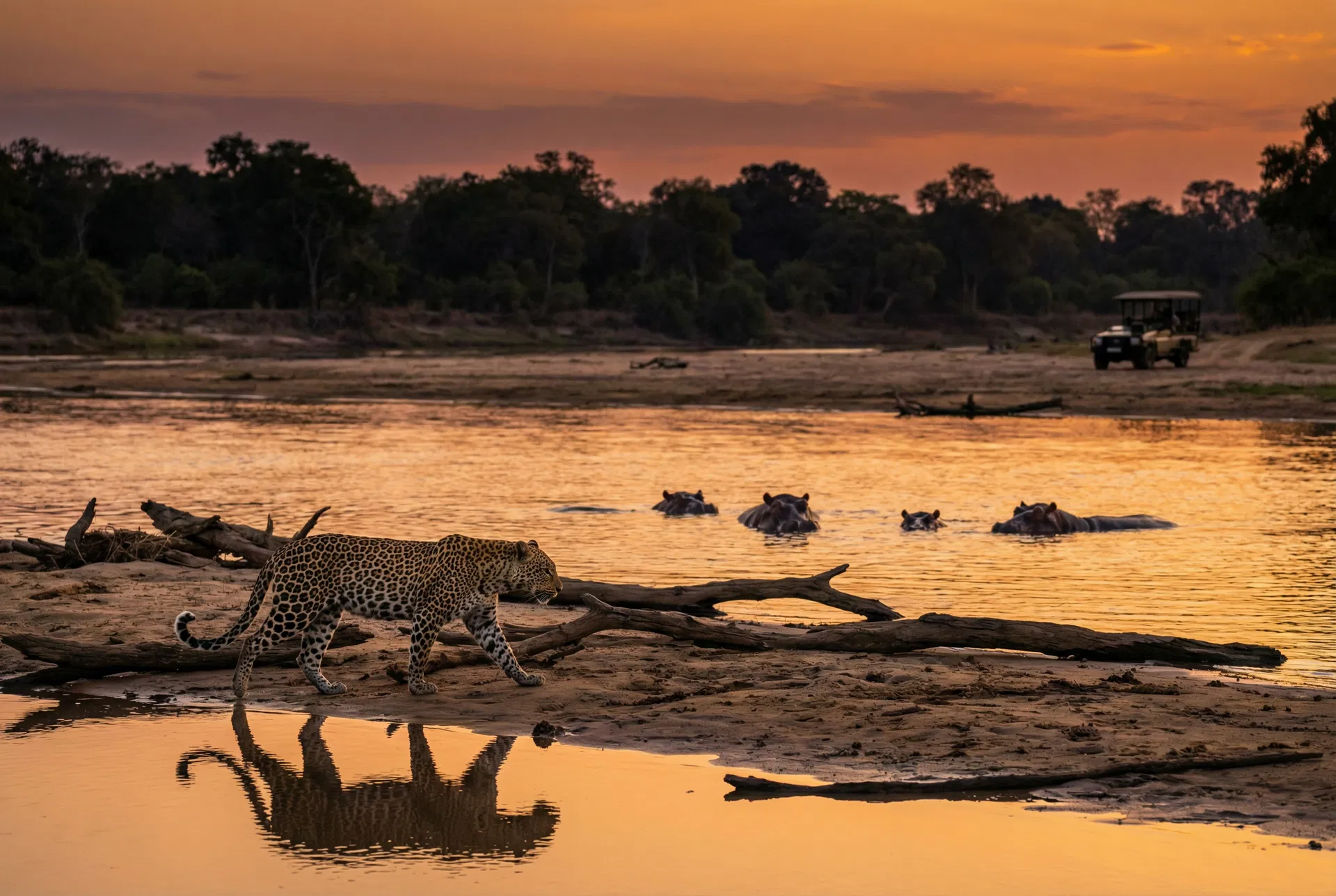
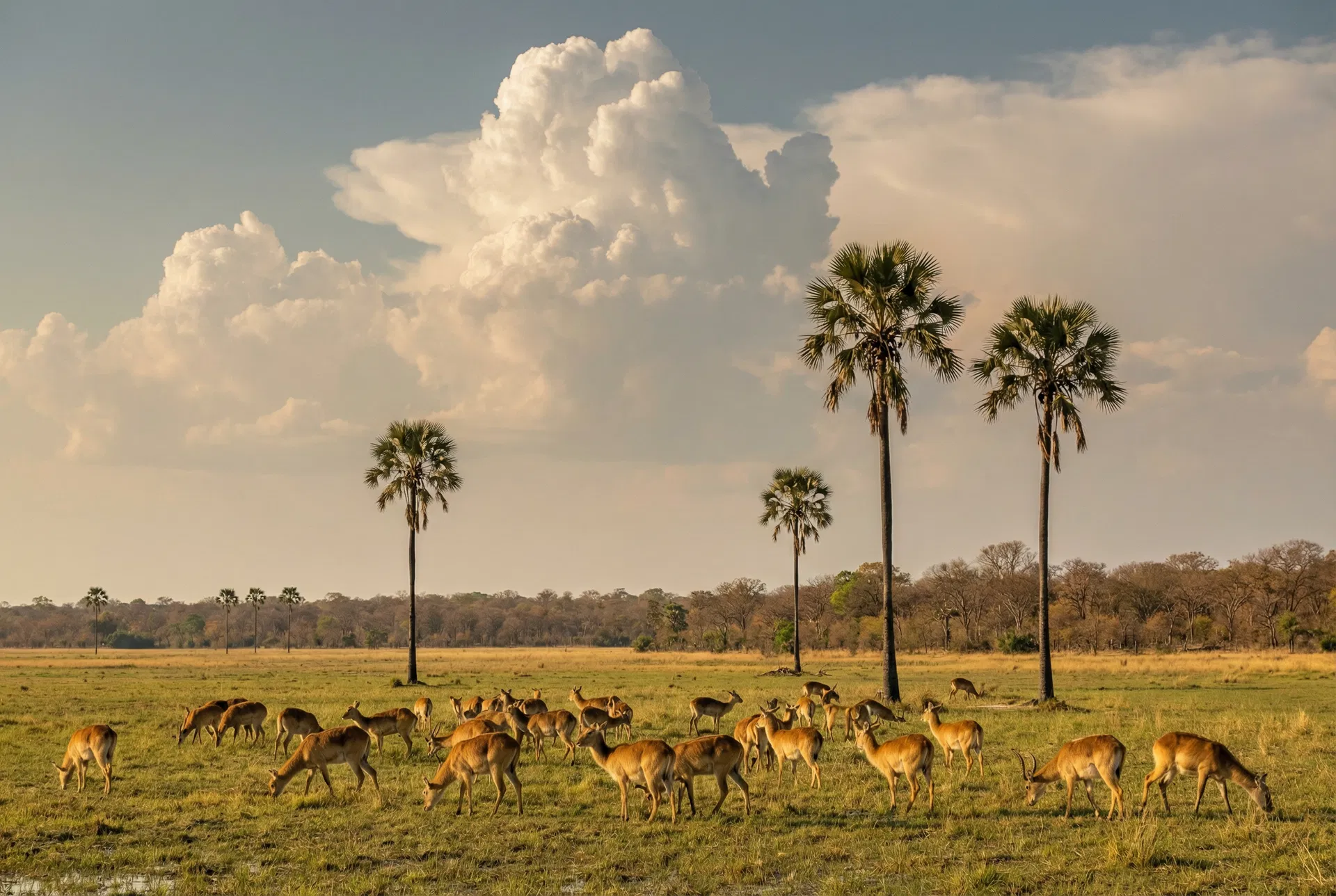
Kafue National Park is a sanctuary for an incredible array of wildlife, boasting one of the highest diversities of mammal species in Africa. The park is home to 152 species of mammals, including 21 species of antelope. Among the most notable antelope species are the graceful puku, the elusive sitatunga, the water-loving red lechwe, and the rare blue and yellow-backed duikers. Large herds of roan and sable antelope are also a common sight, along with hartebeest and impala. The park is a stronghold for elephants, with a population of around 4,800 individuals. African buffalo, zebra, and hippopotamus are also abundant. Kafue is particularly famous for its predators. It has a healthy population of over 200 lions, and is considered a critical conservation area for this iconic species. The park is also one of the best places in Africa to see cheetahs and leopards. Furthermore, Kafue is a stronghold for the endangered African wild dog, offering a rare opportunity to see these fascinating pack animals. Other carnivores found in the park include caracal, serval, and various mongoose species.
Best Time to Visit
The best time to visit Kafue National Park is during the dry season, which runs from June to October. During this period, the weather is pleasant, with warm days and cool nights. The vegetation is less dense, making it easier to spot wildlife. As water sources become scarce, animals congregate around the Kafue River and its tributaries, offering excellent game viewing opportunities. The Busanga Plains, in the northern part of the park, are a highlight of the dry season. These vast floodplains, which are inaccessible during the wet season, transform into a lush grazing paradise, attracting large herds of herbivores and their predators. The wet season, from November to April, brings dramatic afternoon thunderstorms and transforms the park into a verdant, green landscape. While some camps close during this time due to the heavy rains and flooding, the wet season is the best time for birdwatching, as migratory birds arrive in large numbers. It is also a time of new life, with many animals giving birth.
Safari Experience
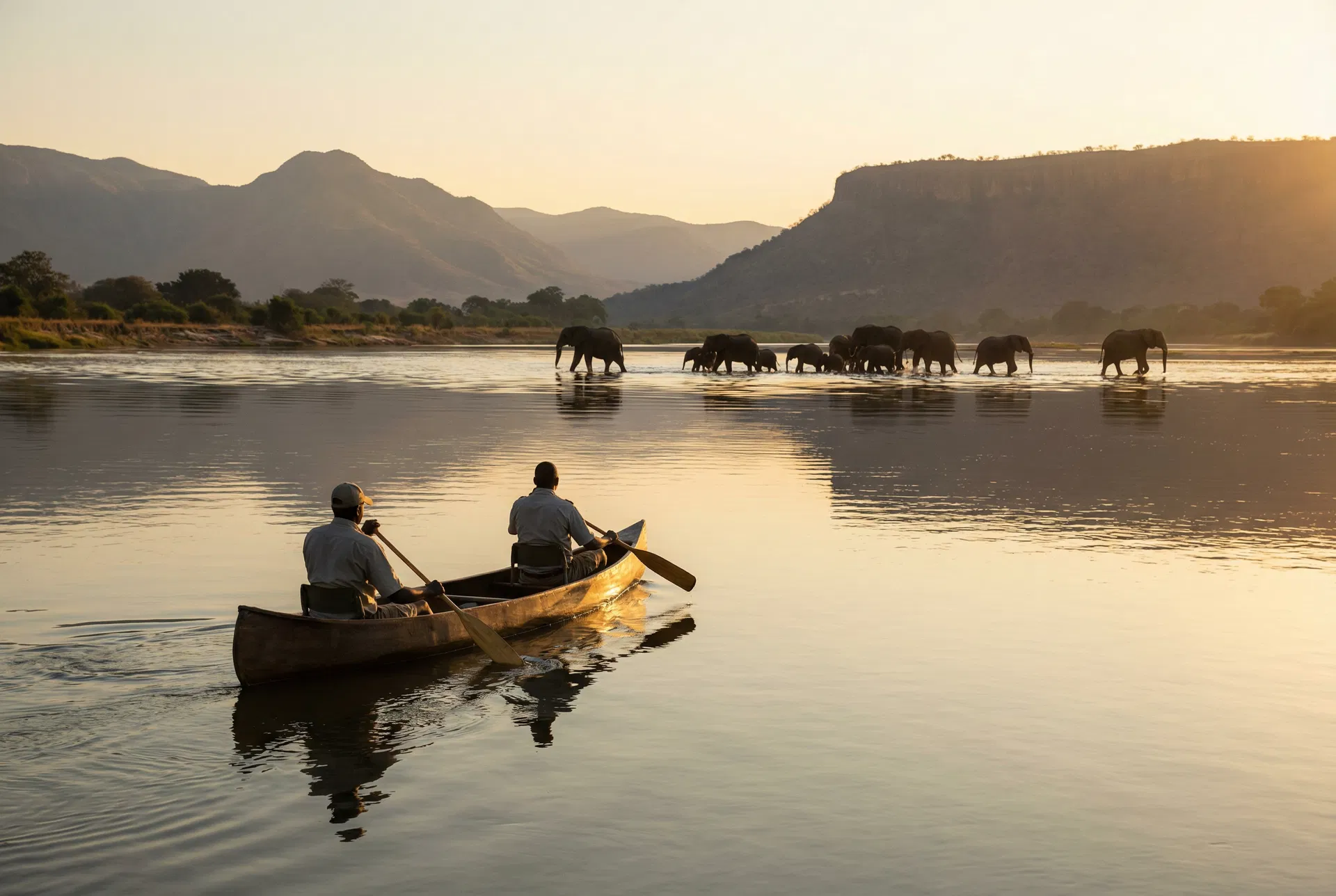
A safari in Kafue National Park is an immersive and exclusive experience. The park's vastness and limited number of visitors ensure a sense of solitude and a deep connection with nature. Game drives are the primary way to explore the park's diverse landscapes and encounter its abundant wildlife. The open 4x4 vehicles, accompanied by expert guides, allow for close-up sightings of animals in their natural habitat. Walking safaris, a Zambian specialty, offer a more intimate and thrilling way to experience the bush. Led by armed and knowledgeable guides, these walks provide a unique perspective on the smaller details of the ecosystem, from tracking animal spoor to learning about the medicinal uses of plants. Boat safaris on the Kafue River and its tributaries are another highlight, offering a different vantage point for viewing wildlife. Drifting silently along the water, you can observe hippos, crocodiles, and a variety of water birds, as well as elephants and other animals coming to the river to drink. For a truly unforgettable experience, hot air balloon safaris over the Busanga Plains provide a breathtaking bird's-eye view of the vast landscape and its wildlife.
Landscape and Ecosystem
Kafue National Park encompasses a remarkable diversity of landscapes and ecosystems. The park is dominated by miombo woodland, a type of savanna characterized by semi-deciduous trees. These woodlands are interspersed with open plains, known as dambos, which are seasonally waterlogged grasslands. In the south and center of the park, there are also areas of evergreen teak and mopane forests. The Kafue River is the lifeblood of the park, and its floodplain creates a vast wetland ecosystem. The Busanga Plains, in the far north-west, are a spectacular example of a seasonal floodplain. During the wet season, these plains are inundated with water, creating a vast, shimmering wetland. As the waters recede in the dry season, they leave behind a mosaic of lush grasslands, attracting a profusion of wildlife. The park's geology is also varied, with a mix of granite hills, sandstone outcrops, and Kalahari sands. This diversity of habitats supports the park's exceptional biodiversity and makes it a fascinating and rewarding destination for nature lovers.
Safari Activities
Kafue National Park offers a wide range of safari activities to suit every interest. Game drives are the most popular activity, providing the opportunity to see a wide variety of wildlife, including the Big Five. Walking safaris are a must-do for those seeking a more adventurous and immersive experience. Boat safaris on the Kafue River are a relaxing way to see the park's aquatic life and the animals that come to the river to drink. Birdwatching is another popular activity, with over 500 species of birds recorded in the park. Fishing is also available on the Kafue River, with the chance to catch tilapia, bream, and the legendary tigerfish. For a unique cultural experience, some lodges offer visits to local villages, providing an insight into the lives of the people who live on the park's borders. Hot air ballooning over the Busanga Plains is a truly unforgettable experience, offering breathtaking views of the park and its wildlife.
Where It Is Located
Kafue National Park is located in the western part of Zambia, spanning across three provinces: North-Western, Central, and Southern. The main access to the park is via the Lusaka-Mongu Road, which runs through the northern section of the park. The park is approximately a 3-4 hour drive from Lusaka, the capital city of Zambia. The nearest international airport is Kenneth Kaunda International Airport (LUN) in Lusaka. From Lusaka, visitors can either drive to the park or take a charter flight to one of the park's airstrips. There are also seasonal dirt roads that provide access to the park from the south and south-east, from the towns of Kalomo and Namwala, and from the north, from the town of Kasempa.
Who This Destination Is Best For
Kafue National Park is an ideal destination for a wide range of travelers. Its vast, untouched wilderness and exclusive safari experience make it particularly appealing to seasoned safari-goers and those seeking an authentic and off-the-beaten-path adventure. The park's exceptional wildlife diversity, including its strong populations of predators and rare antelope species, makes it a dream destination for wildlife enthusiasts and photographers. The variety of safari activities, from walking safaris and boat cruises to hot air ballooning, caters to adventurous travelers. Families will also find Kafue to be a rewarding destination, with many lodges offering family-friendly accommodation and activities. For those seeking a luxury safari experience, there are a number of high-end lodges and camps that offer superb comfort and service in the heart of the wilderness. The park's romantic and secluded atmosphere also makes it an excellent choice for honeymooners.