Destination Overview
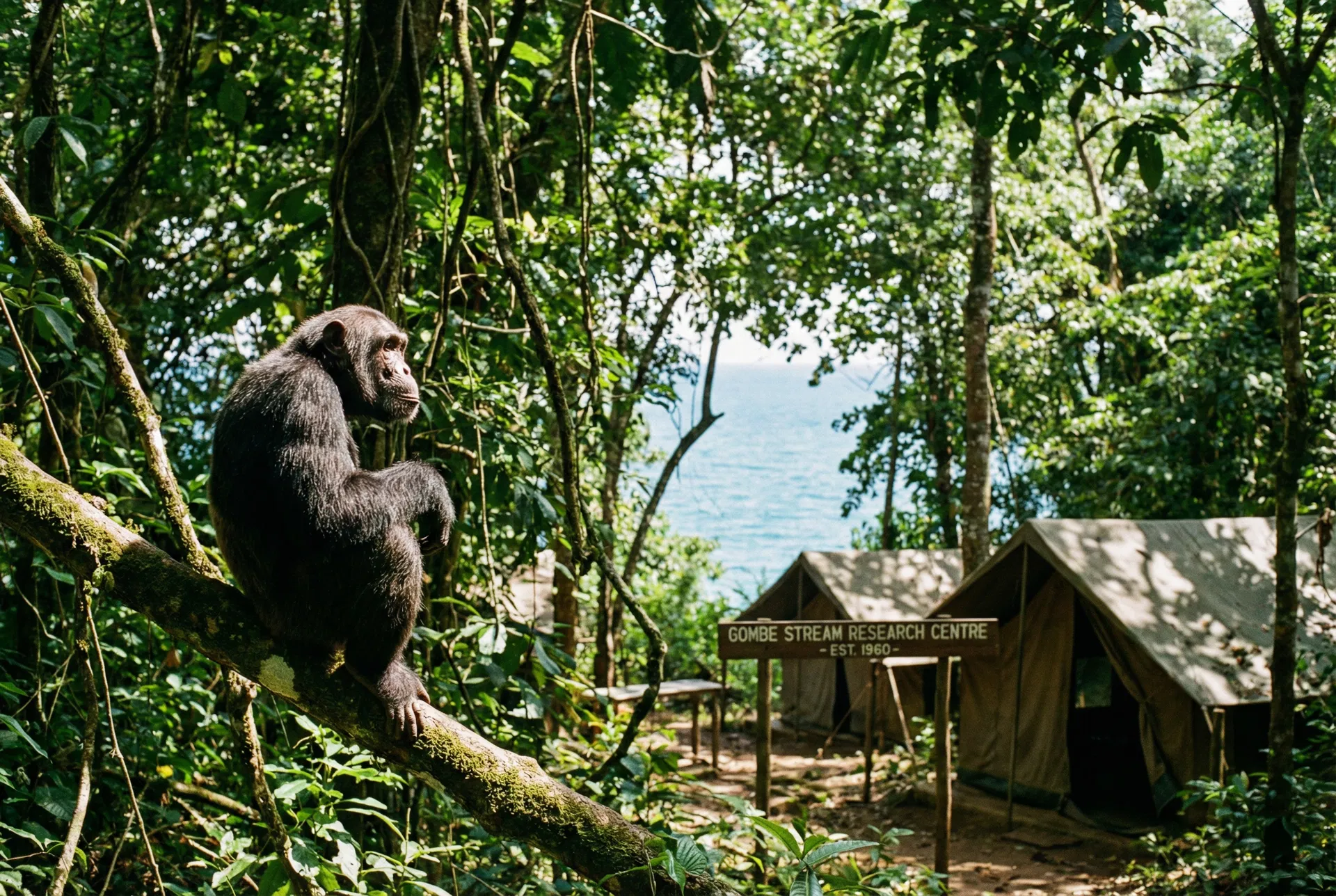
Gombe Stream National Park, though Tanzania's smallest national park at just 56 square kilometers, holds a world-renowned reputation as a premier destination for primate encounters. Nestled on the eastern shores of the magnificent Lake Tanganyika in western Tanzania, Gombe is a remote and untamed wilderness, a place of lush forests, steep valleys, and cascading waterfalls. Its global fame is inextricably linked to the pioneering research of Dr. Jane Goodall, who in the 1960s, began her groundbreaking studies on the behavior of wild chimpanzees here. Her work not only redefined our understanding of our closest living relatives but also brought international attention to this small, yet significant, corner of Africa. Today, travelers visit Gombe primarily for the unparalleled opportunity to trek into the forest and observe these habituated chimpanzees in their natural habitat, an intimate and unforgettable wildlife experience.
Wildlife Highlights
The primary allure of Gombe Stream National Park is its celebrated population of chimpanzees. Thanks to decades of habituation, visitors have a high chance of encountering these fascinating primates up close. Beyond the chimps, Gombe is a haven for a variety of other primate species. Troops of olive baboons are a common sight along the lakeshore, and the forest canopy is alive with the chatter of red colobus, red-tailed, blue, and vervet monkeys. The park's rich biodiversity extends to its birdlife, with over 200 species recorded. Keen birdwatchers can spot a vibrant array of species, including the African broadbill, crowned eagle, Livingstone’s turaco, and the palm-nut vulture. Unlike many of Tanzania's other national parks, Gombe is not a destination for viewing large predators. While leopards are occasionally sighted, the focus here is squarely on the primates and the unique forest ecosystem they inhabit.
Best Time to Visit
The best time to visit Gombe Stream National Park is during the dry season, which runs from June to September. During these months, the weather is characterized by clear skies and minimal rainfall, making for more comfortable trekking conditions. The chimpanzees are also easier to locate during the dry season, as they tend to stay on the lower slopes of the escarpment. The vegetation is less dense, which improves visibility for both chimpanzee tracking and photography. The dry season also sees fewer mosquitoes, adding to the overall comfort of the experience. The wet season, from November to April, brings with it heavier rains, which can make the forest trails slippery and challenging. However, the park is lush and green during this time, and it's an excellent period for birdwatching as many migratory species are present. The shoulder seasons of May and October can also be good times to visit, with fewer crowds and a mix of dry and wet weather.
Safari Experience
The safari experience at Gombe is unlike any other in Tanzania. It is an active and immersive adventure, centered around on-foot exploration rather than traditional vehicle-based game drives. The main event is, of course, chimpanzee trekking. Led by experienced guides, visitors venture into the forest in small groups to locate the chimpanzee troops. The trek can be strenuous, involving steep climbs and navigating dense vegetation, but the reward is immeasurable. Once the chimpanzees are found, visitors are permitted to spend a magical hour observing their complex social interactions, from grooming and playing to foraging for food. This intimate encounter with our closest relatives is a profoundly moving experience that leaves a lasting impression. In addition to chimpanzee trekking, the safari experience at Gombe can include guided walks along the lakeshore, hikes to scenic viewpoints like Jane's Peak, and visits to the beautiful Kakombe Waterfall.
Landscape and Ecosystem
Gombe Stream National Park is a place of dramatic beauty, where the forested slopes of the Great Rift Valley escarpment meet the crystal-clear waters of Lake Tanganyika. The park's landscape is a mosaic of different habitats, ranging from grasslands and woodlands to dense tropical rainforest. Thirteen streams cut through the steep valleys, flowing down to the sandy beaches that fringe the lake. This diverse topography supports a rich and varied ecosystem. The forests are home to a wide array of plant species, including ancient mango trees that provide a shady canopy for the park's wildlife. Lake Tanganyika, the world's longest and second-deepest freshwater lake, is a vital part of the Gombe ecosystem. Its clear waters are teeming with life, including over 250 species of cichlid fish, many of which are endemic to the lake. The combination of the lush, primate-filled forests and the vast, ocean-like expanse of Lake Tanganyika creates a truly unique and captivating natural environment.
Safari Activities
Gombe Stream National Park offers a range of activities that allow visitors to immerse themselves in its unique environment. The primary activity is chimpanzee trekking, a guided adventure into the heart of the forest to observe the park's famous primates. For those interested in exploring the park's diverse flora and fauna further, guided forest walks are available, offering the chance to learn about the smaller creatures and medicinal plants of the forest. The clear waters of Lake Tanganyika provide opportunities for swimming, snorkeling, and diving, allowing visitors to discover the vibrant underwater world of the cichlids. Boat safaris on the lake are another popular activity, offering a different perspective of the park's stunning scenery and the chance to enjoy a spectacular sunset over the water. For a touch of history, visitors can hike to Jane's Peak, a viewpoint that offers panoramic views of the park and was a favorite spot of Jane Goodall's. A visit to the picturesque Kakombe Waterfall is also a must-do, offering a refreshing dip in the cool waters.
Where It Is Located
Gombe Stream National Park is located in the remote western region of Tanzania, on the eastern shore of Lake Tanganyika. The nearest major town and administrative center is Kigoma, which is situated on the shores of the lake. Due to its remote location, Gombe is not as easily accessible as Tanzania's more famous northern circuit parks. The most common way to reach the park is by flying from Dar es Salaam or Arusha to Kigoma Airport (KGO). From Kigoma, it is a scenic boat ride of about two hours to reach the park. There are no roads leading to Gombe, which adds to its sense of seclusion and untouched wilderness. This remote setting ensures that a visit to Gombe is an exclusive and intimate experience, far from the crowds of the more popular safari destinations.
Who This Destination Is Best For
Gombe Stream National Park is a destination that appeals to a specific type of traveler. It is best suited for primate enthusiasts, adventure seekers, and those with a keen interest in wildlife conservation and research. The focus on chimpanzee trekking and on-foot exploration makes it an ideal choice for active and adventurous travelers who are looking for an immersive and hands-on safari experience. The park's connection to Jane Goodall also draws those who are inspired by her work and wish to see the place where her groundbreaking research began. Gombe is not, however, a destination for those seeking a traditional
big five safari experience. The absence of large predators and the focus on primates make it a specialized destination. Luxury travelers will find comfortable and intimate accommodation options, while the remote location and unique experiences will appeal to those seeking an exclusive and off-the-beaten-path adventure. Photographers will be captivated by the opportunity to capture stunning images of the chimpanzees and the breathtaking landscapes. Due to the strenuous nature of the chimpanzee treks, Gombe may not be suitable for families with young children or those with mobility issues.
Related Destinations
Gombe Stream National Park pairs well with other destinations in Tanzania's western and southern safari circuits, offering a diverse and comprehensive safari experience. A popular combination is to visit the nearby Mahale Mountains National Park, another primate-focused destination that is home to an even larger population of chimpanzees. This allows for a deeper immersion into the world of our closest relatives. For those seeking a more traditional safari experience with abundant big game, a visit to Katavi National Park is an excellent addition. Katavi is known for its vast, untouched wilderness and high concentrations of elephants, buffalo, lions, and hippos. To round out the itinerary with a different kind of water-based adventure, a trip to Lake Tanganyika itself is a must. Here, visitors can relax on the sandy beaches, snorkel and dive in the clear waters, and experience the unique culture of the lakeside communities.