Learn about the rigorous training and certification standards for safari guides in Africa, and what to look for when choosing a guide for your safari.
The quality of your safari guide can make or break your entire experience. A great guide is more than just a driver; they are an interpreter of the wilderness, a passionate educator, and your trusted companion in the bush. But how can you be sure that your guide is truly qualified? The answer lies in understanding the rigorous training and certification standards that professional safari guides must meet. In countries with well-established safari industries, these standards are often governed by independent associations that ensure guides have the knowledge, skills, and ethical grounding to provide a safe, educational, and unforgettable safari.
The Role of Professional Safari Guide Associations
Across Africa, several countries have established professional associations to regulate and standardize the training of safari guides. These organizations play a crucial role in maintaining the quality and integrity of the guiding profession. Their primary functions include setting and assessing a curriculum of study, conducting examinations, and awarding certifications to guides who meet the required standards. This ensures that guides have a comprehensive understanding of everything from wildlife behavior and ecology to safety procedures and customer service. For you as a traveler, a guide's affiliation with one of these associations is a mark of their professionalism and expertise.
Safari Guide Certification in Southern Africa: The FGASA Standard
In Southern Africa, the most widely recognized authority on guide training is the Field Guides Association of Southern Africa (FGASA). Established in 1990, FGASA has set the benchmark for guide qualifications in countries like South Africa, Botswana, and Namibia. FGASA's certification system is structured in a series of levels, allowing guides to progressively build their knowledge and skills.
FGASA Nature Site Guide (NQF2)
This is the introductory qualification, designed for guides who work in a specific, limited area like a private game reserve. The focus is on providing a safe and informative experience within that defined environment. While it's a foundational certification, it still requires a solid understanding of the local flora and fauna.
FGASA Field Guide (NQF4)
Formerly known as Level 1, this is the core qualification for a professional safari guide in Southern Africa. It's a comprehensive certification that covers a wide range of subjects, including:
- Ecology and Conservation: A deep understanding of the ecosystems in which they operate.
- Animal Behavior: The ability to interpret animal behavior and anticipate their movements.
- Botany and Zoology: A thorough knowledge of the region's plants and animals.
- Tracking and Navigation: The skills to find wildlife and navigate through the bush.
- Guest Communication and Safety: The ability to effectively communicate with guests and ensure their safety at all times.
Advanced and Professional Field Guide
For guides who wish to advance their careers, FGASA offers higher-level certifications. The Advanced Field Guide (formerly Level 2) and the Professional Field Guide (formerly Level 3) qualifications are for experienced guides who have demonstrated exceptional knowledge, leadership, and a commitment to the profession. These guides are often involved in training other guides and may have specialized expertise in areas like birding or photography.
Planning a safari?
Start the Safari Planning System →Safari Guide Certification in East Africa: The KPSGA System
In East Africa, the Kenya Professional Safari Guides Association (KPSGA) is the leading body for guide certification. The KPSGA has a tiered system of Bronze, Silver, and Gold levels, which has become the standard for many safari operators in Kenya and neighboring Tanzania.
Bronze Level
This is the entry-level certification for guides in Kenya. While prior experience is not a strict requirement, candidates must have a background in tourism or a related field. The Bronze exam tests a guide's foundational knowledge of wildlife, conservation, and the practical aspects of guiding.
Silver Level
To achieve Silver certification, a guide must have at least three years of experience as a Bronze-level guide. The Silver exam is more demanding, requiring a deeper understanding of animal behavior, ecology, and the finer points of guest relations. A Silver-certified guide is a seasoned professional with a proven track record in the field.
Gold Level
This is the pinnacle of the KPSGA certification system. To even be considered for the Gold level, a guide must have a minimum of three years of experience as a Silver-certified guide. The Gold exam is an exhaustive test of a guide's knowledge, skills, and professionalism. A Gold-certified guide is considered one of the best in the business, with a level of expertise that is second to none.
What to Look for in a Safari Guide
When you're planning your safari, don't be afraid to ask about the qualifications of your guide. A reputable safari operator will be proud to tell you about the training and certifications their guides have received. Look for guides who are certified by FGASA, KPSGA, or a similar professional body. This is your assurance that they have met a high standard of professional excellence. You can also inquire about a guide's level of experience and any specialized training they may have.
Beyond Certifications: The Intangible Qualities of a Great Guide
While certifications are important, they are not the only measure of a great safari guide. The best guides possess a unique combination of passion, personality, and a genuine love for the wilderness. They are natural storytellers who can bring the bush to life with their knowledge and enthusiasm. They are also patient, intuitive, and have an uncanny ability to anticipate your needs. A great guide will not only show you the Big Five but will also open your eyes to the smaller wonders of the African bush, from the intricate workings of a termite mound to the subtle calls of a nocturnal bird.
In conclusion, the training and certification of safari guides are essential for ensuring a high-quality and safe safari experience. By understanding the standards set by organizations like FGASA and KPSGA, you can make a more informed decision when choosing a safari operator. Remember that your guide will be your window to the wonders of Africa, so it's worth taking the time to ensure you're in the hands of a true professional.
Explore Related Topics
Recommended Reading
 Safari Operator Articles
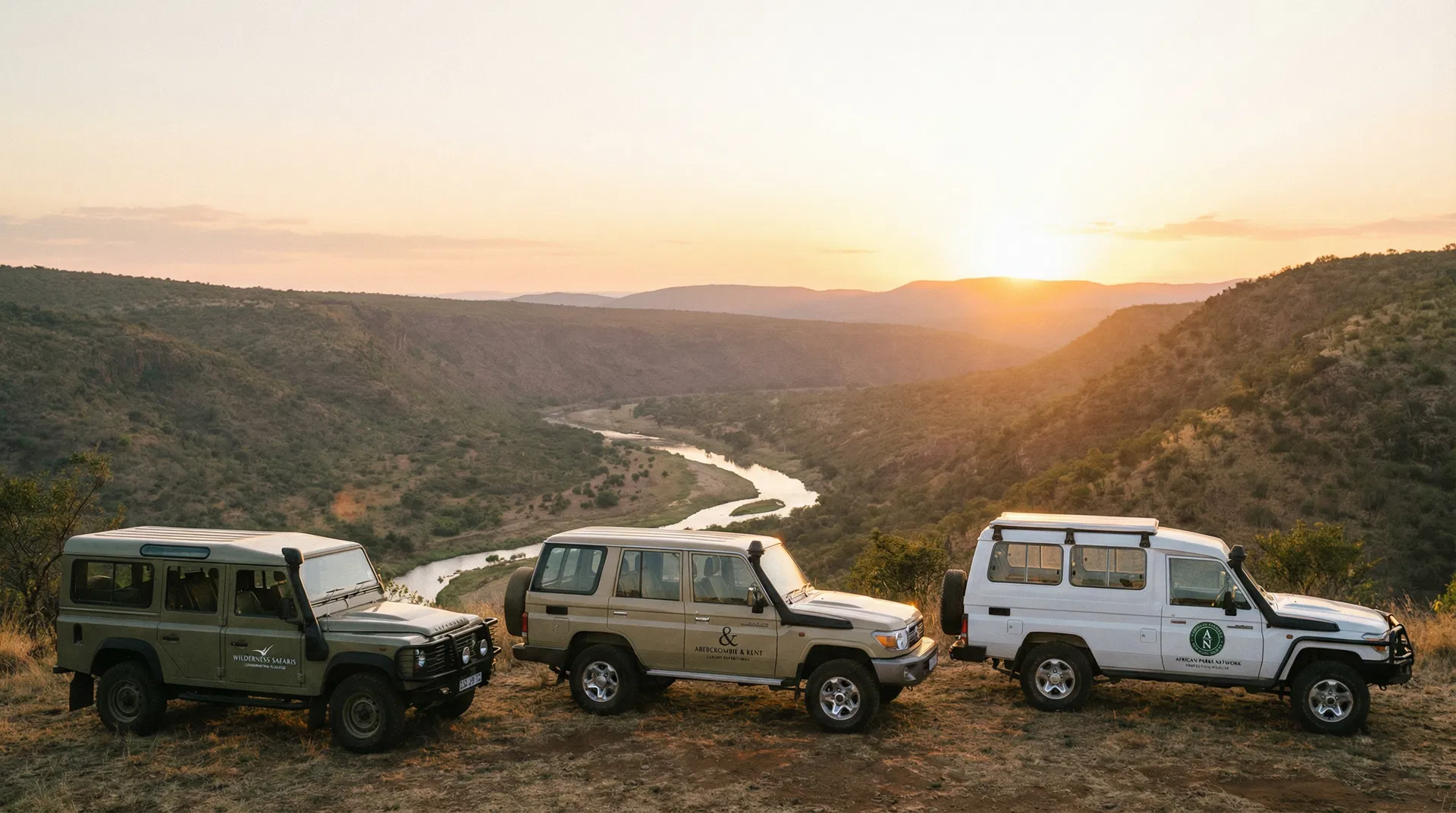
Safari Operator Guide Qualification Standards
Learn about safari operator guide qualification standards and how it can impact your safari experience. Get expert advice and start planning your dream safari today.
8 min readSafari Operator ArticlesHow Safari Operators Train Their Guides
An overview of the rigorous training and certification processes that safari guides undergo to become experts in the African bush.
10 min read Additional Safari Topics
Safari Guides and Training
A great safari guide can make or break your trip. Learn about the training, qualifications, and what to look for when choosing a safari with a professional guide.
6 min read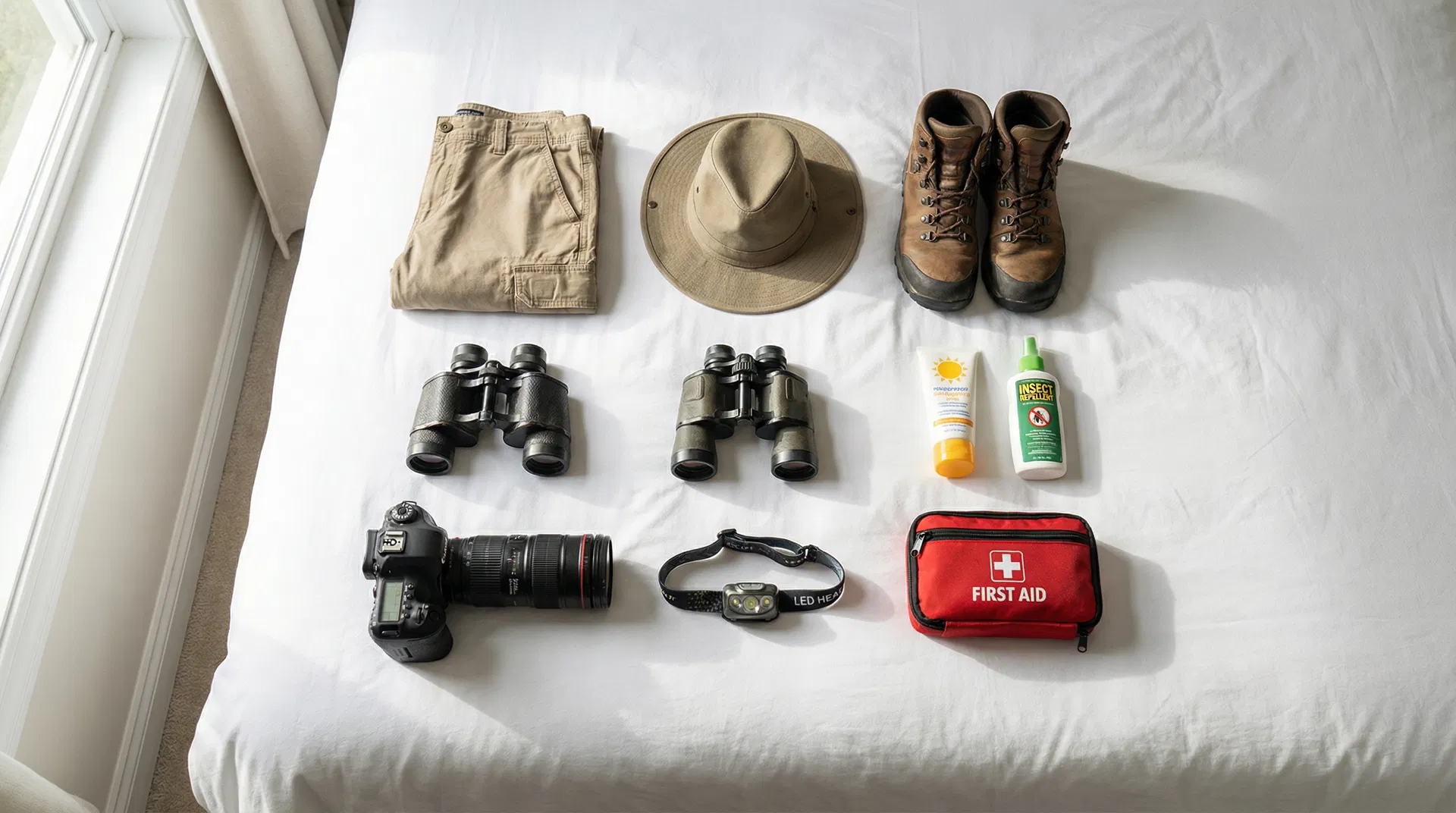 Packing & Preparation
Safari Rain Gear Guide
Learn all about Safari Rain Gear Guide in this comprehensive guide.
7 min read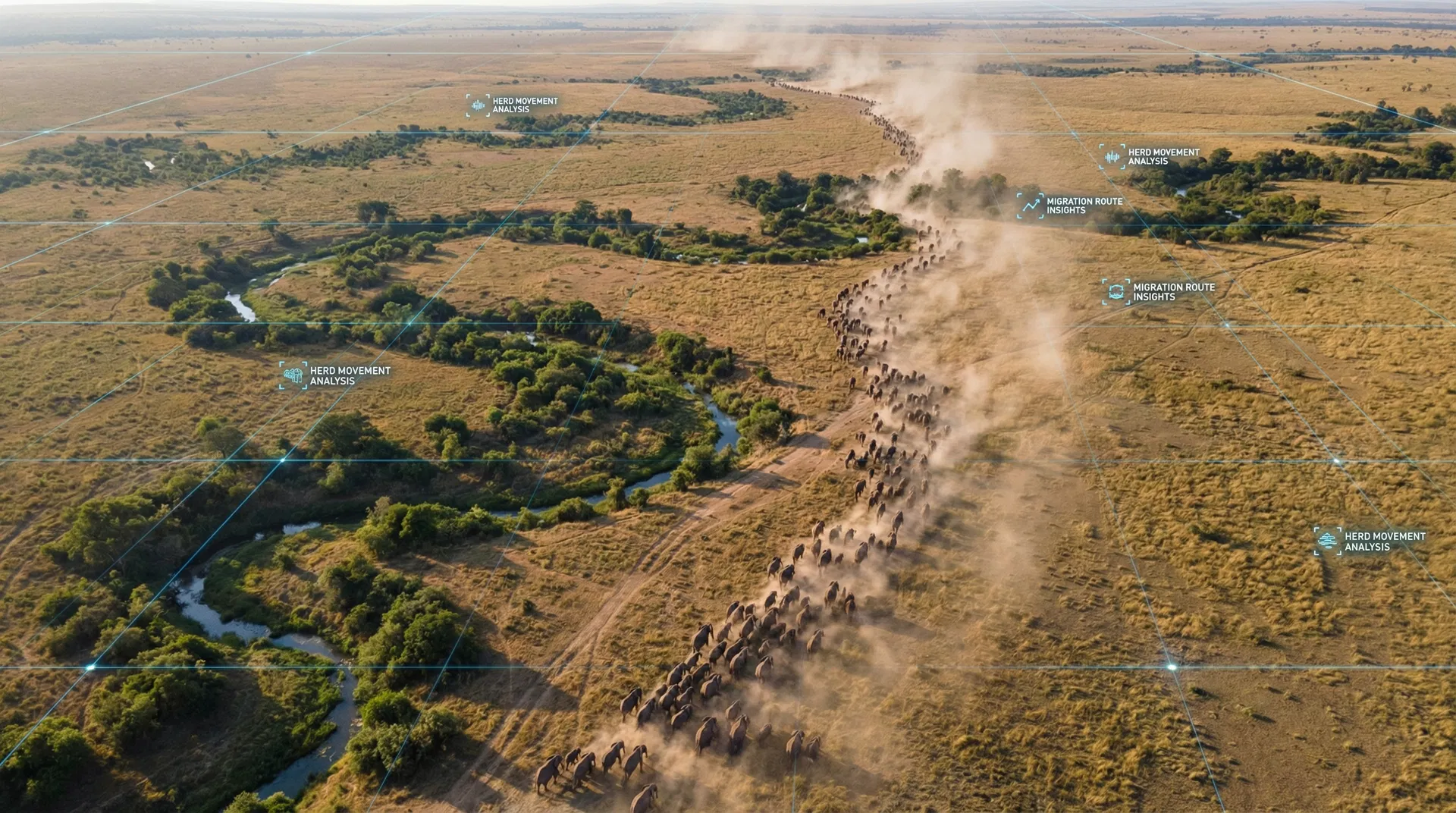 Safari Intelligence Insights
Safari Vehicle Safety Standards
Learn about safari vehicle safety standards, from vehicle types and modifications to driver expertise and regulations. Plan a safe and memorable African safari.
6 min read Safari Planning
Step-by-Step Guide to Planning an African Safari
Learn how to plan your first African safari with our step-by-step guide. We cover everything from choosing a destination to booking your trip and packing.
6 min read