Discover the ultimate guide to the Ngorongoro Crater. Learn about its unique ecosystem, incredible wildlife, and how to plan your perfect safari adventure.
What is the Ngorongoro Crater?
The Ngorongoro Crater is a breathtaking natural wonder and one of Africa's most iconic safari destinations. Located in northern Tanzania, it is the world's largest intact and unfilled volcanic caldera. Once a massive volcano, it collapsed in on itself over two million years ago, forming a vast, 100-square-mile crater floor with walls rising over 2,000 feet. This unique geological formation has created a self-contained ecosystem, often referred to as a "Garden of Eden," where a remarkable concentration of wildlife thrives year-round.
A Wonder of the Natural World
The sheer scale and beauty of the Ngorongoro Crater are difficult to comprehend until you stand on its rim, gazing down at the sprawling landscape below. The crater floor is a mosaic of different habitats, including open grasslands, acacia woodlands, and a large soda lake, which attract a diverse range of animal and bird species. Its designation as a UNESCO World Heritage Site in 1979 underscores its global significance, not only for its geological features but also for the exceptional biodiversity it supports.
The Ngorongoro Conservation Area
The Ngorongoro Crater is the centerpiece of the larger Ngorongoro Conservation Area (NCA), an expansive protected area that also encompasses vast stretches of savanna, forests, and the dramatic landscapes of the Great Rift Valley. Unlike a national park, the NCA is a multi-use area where wildlife and the semi-nomadic Maasai people coexist. This unique arrangement allows the Maasai to continue their traditional pastoral lifestyle, grazing their cattle alongside the region's wildlife, a practice that has been a part of this landscape for centuries.
The Wildlife of the Ngorongoro Crater
The Ngorongoro Crater is renowned for its exceptional wildlife viewing opportunities. The enclosed nature of the crater means that animal populations are concentrated, making it one of the best places in Africa to see a wide variety of species in a relatively small area. It is estimated that over 25,000 large animals reside within the crater, creating a truly unforgettable safari experience.
The Big Five
The Ngorongoro Crater is one of the few places in Africa where you have a realistic chance of seeing all of the "Big Five" (lion, leopard, elephant, rhinoceros, and Cape buffalo) in a single day. The crater floor is home to a dense population of lions, and it is not uncommon to see them lounging in the shade or on the hunt. Black rhinoceros, a critically endangered species, are also found here, and the crater's protected environment has been crucial for their survival. Large herds of Cape buffalo are a common sight, as are elephants, though the large tuskers tend to be found more in the surrounding highlands.
Other Wildlife
Beyond the Big Five, the Ngorongoro Crater is teeming with other fascinating wildlife. Large herds of wildebeest and zebra are resident in the crater year-round, unlike their migratory counterparts in the Serengeti. You can also expect to see spotted hyenas, golden and black-backed jackals, and a variety of antelope species, including eland, Grant's and Thomson's gazelles. The crater's Lerai Forest is a good place to spot the elusive leopard, while hippos can be found in the pools and swamps.
Birdlife
The Ngorongoro Crater is a paradise for birdwatchers, with over 500 species recorded. The soda lake, Lake Magadi, is often tinged pink with thousands of flamingos, creating a spectacular sight. Other notable bird species include the grey crowned crane, Kori bustard (the world's heaviest flying bird), and a variety of raptors, such as the martial eagle and secretary bird.
Planning a safari?
Start the Safari Planning System →Planning Your Ngorongoro Crater Safari
A safari to the Ngorongoro Crater requires careful planning to make the most of your experience. From choosing the best time to visit to deciding where to stay, here are some key considerations to help you plan your trip.
Best Time to Visit
The Ngorongoro Crater offers excellent wildlife viewing throughout the year. However, the best time to visit is during the dry season, from June to October, when the weather is pleasant and the animals are easier to spot as they congregate around water sources. The wet season, from November to May, brings lush green landscapes and fewer crowds, but the rains can sometimes make the roads challenging. The calving season, from January to March, is a particularly exciting time to visit, as thousands of wildebeest give birth on the crater floor, attracting predators.
How to Get There
The Ngorongoro Crater is located in northern Tanzania and is typically accessed from the town of Arusha, which is the main gateway to the region's safari circuit. Kilimanjaro International Airport (JRO) is the closest international airport, and from there, it is about a 3-4 hour drive to the Ngorongoro Conservation Area. Most visitors explore the crater as part of a larger safari itinerary that may also include the Serengeti and Tarangire National Park.
Where to Stay
There are a variety of accommodation options available for a Ngorongoro Crater safari, ranging from luxury lodges perched on the crater rim to more budget-friendly options in the nearby town of Karatu. Staying at a lodge on the crater rim offers breathtaking views and allows for early morning descents into the crater, maximizing your wildlife viewing time. However, these lodges tend to be more expensive. Staying in Karatu is a more affordable option and still provides convenient access to the crater.
What to Expect on a Ngorongoro Safari
A safari in the Ngorongoro Crater is a truly unique experience. Here's what you can expect on a typical day exploring this natural wonder.
A Typical Day
Most safari days in the Ngorongoro Crater begin with an early morning descent to the crater floor. The early morning light is magical, and the animals are often at their most active. You will spend the day on a game drive, exploring the different habitats of the crater and searching for wildlife. Your guide will be in radio contact with other guides, sharing information about sightings to increase your chances of seeing the animals on your list. Lunch is typically a picnic enjoyed at a designated spot on the crater floor, often with a view of the hippo pool.
Safari Etiquette
To ensure the protection of the fragile ecosystem and the well-being of the wildlife, there are strict rules and regulations in place within the Ngorongoro Crater. It is important to stay on the designated tracks, not to disturb the animals, and to take all of your litter with you. Your guide will be well-versed in these rules and will ensure that your visit is both enjoyable and responsible.
Beyond the Crater Floor
While the Ngorongoro Crater is the main attraction, the surrounding Ngorongoro Conservation Area offers a wealth of other experiences that are well worth exploring.
Olduvai Gorge
Located a short drive from the Ngorongoro Crater, Olduvai Gorge is one of the most important paleoanthropological sites in the world. It was here that Dr. Louis and Mary Leakey discovered the fossilized remains of early humans, providing crucial insights into human evolution. A visit to the gorge includes a stop at the museum, where you can learn about the history of the area and the significant discoveries that have been made here.
Empakai and Olmoti Craters
For those seeking a more active adventure, the nearby Empakai and Olmoti Craters offer fantastic hiking opportunities. A trek to the rim of Empakai Crater reveals a stunning soda lake that fills the crater floor, while a hike up Olmoti Crater leads to a beautiful waterfall. These hikes provide a different perspective on the region's volcanic landscapes and offer a chance to stretch your legs after a few days on safari.
Conclusion
A safari to the Ngorongoro Crater is an unforgettable journey into one of Africa's most spectacular wildlife havens. Its breathtaking beauty, incredible concentration of wildlife, and unique geological history make it a must-visit destination for any traveler to Tanzania. Whether you are a first-time safari-goer or a seasoned veteran, the Ngorongoro Crater is sure to leave you with a sense of awe and a deeper appreciation for the wonders of the natural world.
Explore Related Topics
Recommended Reading
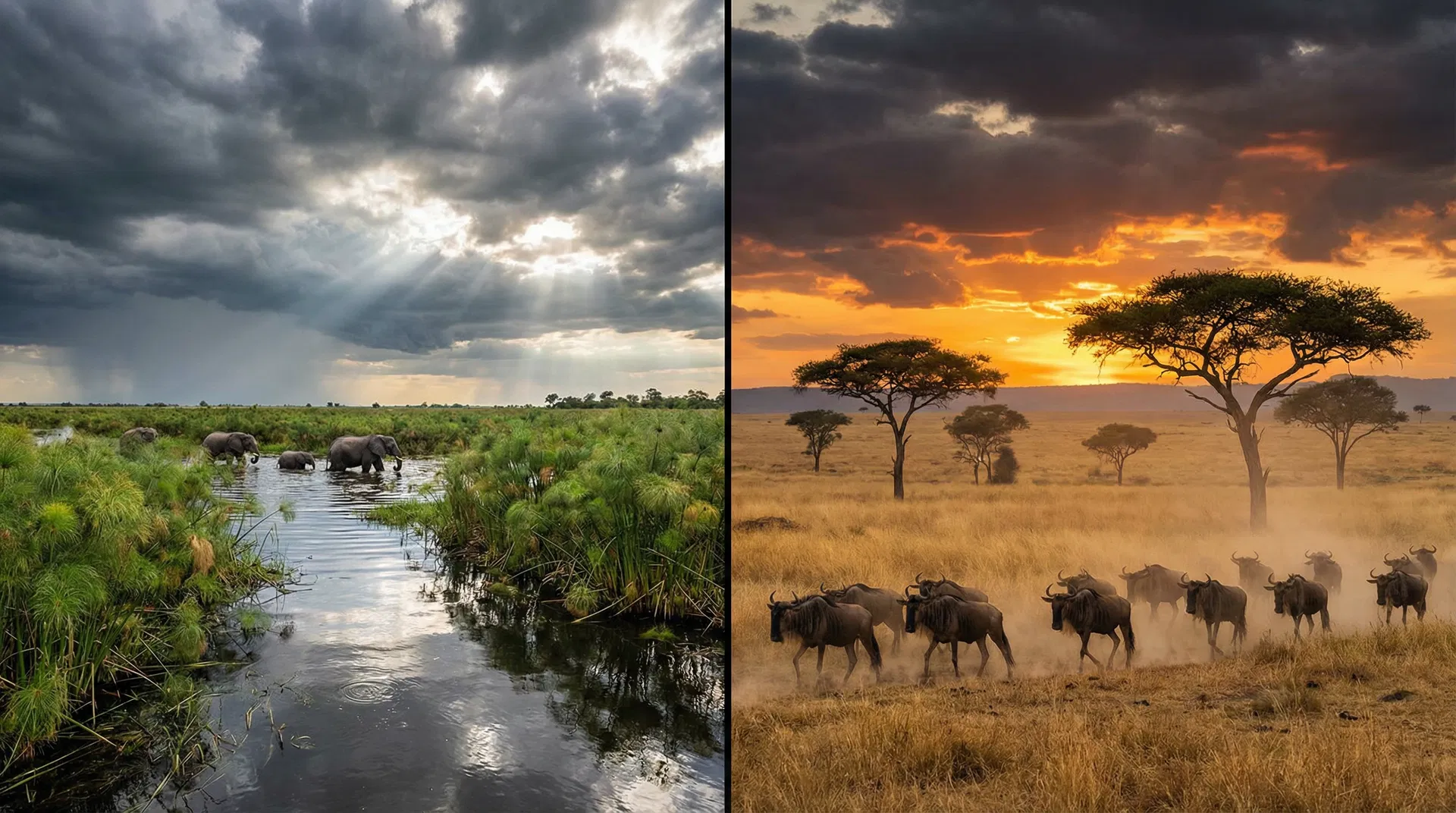 Safari Comparison Articles
Ngorongoro Crater vs Amboseli – Safari Comparison
Learn about ngorongoro crater vs amboseli – safari comparison in this comprehensive safari guide covering key insights and practical advice.
5 min read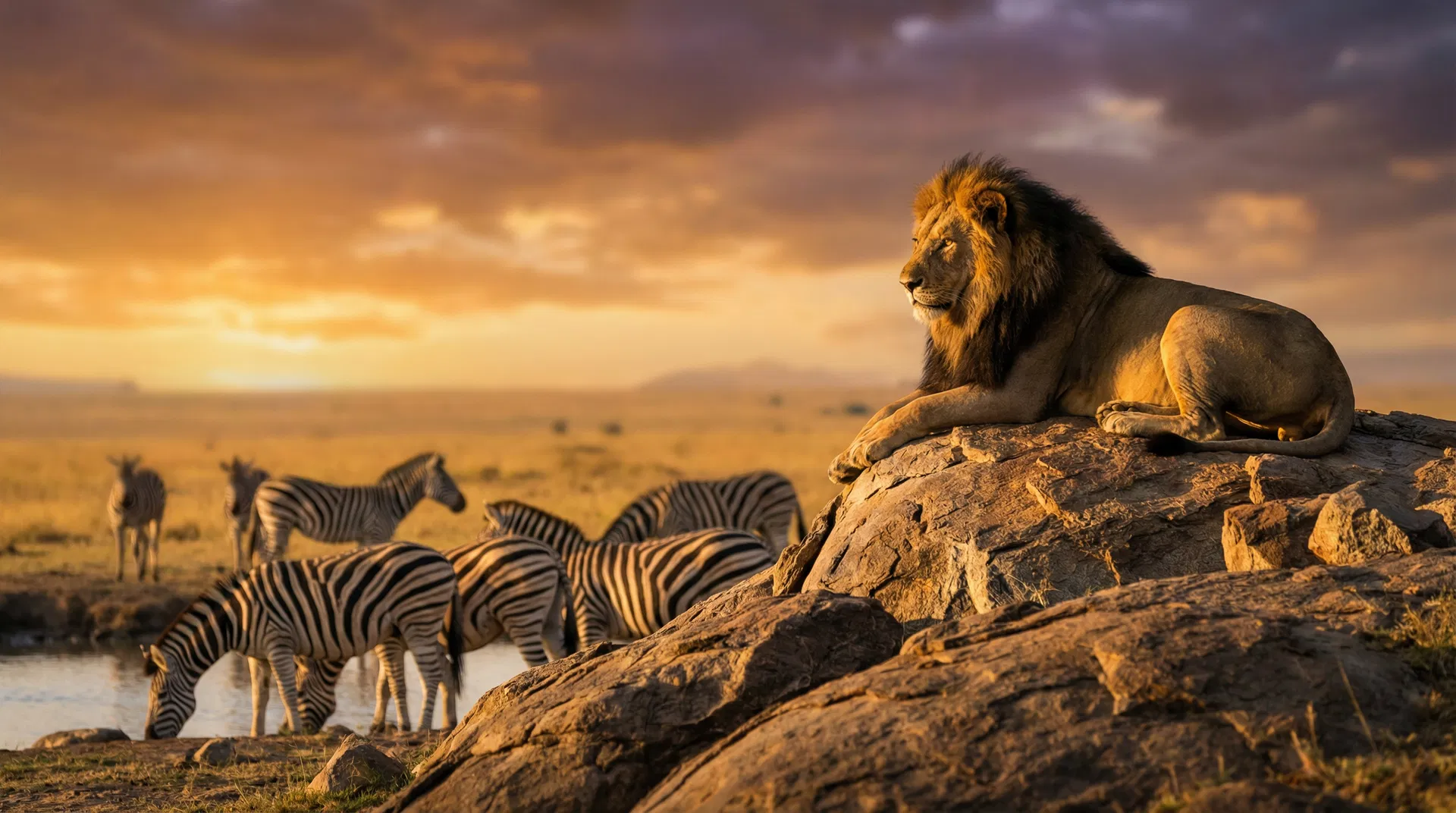 Wildlife Guides
Complete Guide to Black Rhinoceros Conservation
Learn all about Complete Guide to Black Rhinoceros Conservation in this comprehensive guide. Discover the best time to go, what to see, and how to plan your trip.
6 min read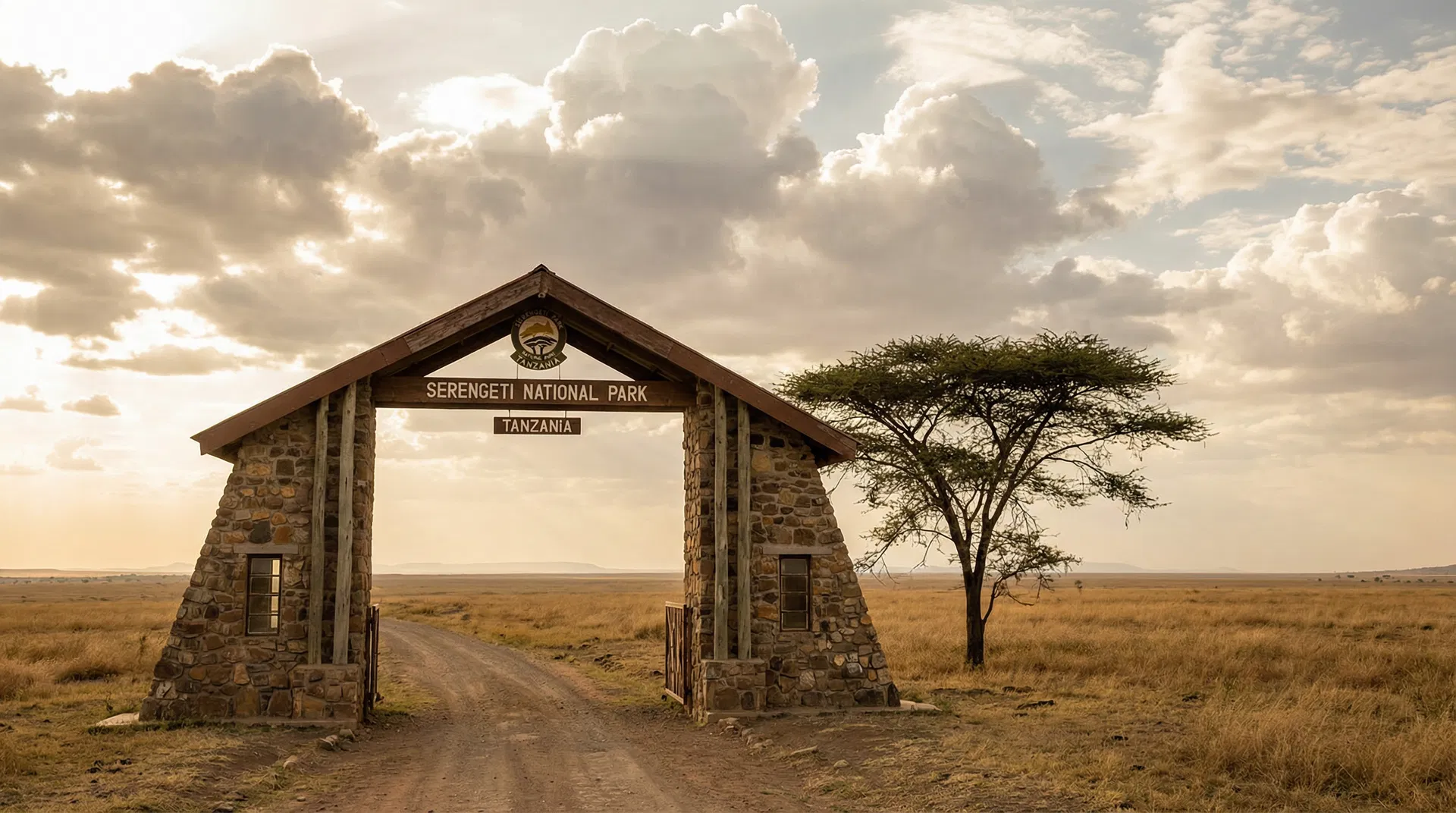 National Park Guides
Serengeti National Park Guide
Explore the wonders of Serengeti National Park with our expert guide. Learn about the Great Migration, wildlife, and planning your unforgettable Tanzanian safari.
8 min readNational Park GuidesTarangire National Park Guide
Discover the wonders of Tarangire National Park with our comprehensive guide. Learn about its famous elephant herds, diverse wildlife, and unique landscapes.
7 min readNational Park GuidesKidepo Valley National Park Guide
Discover the remote and rugged beauty of Kidepo Valley National Park. This guide covers wildlife, activities, and how to plan your safari to this wild frontier.
6 min readWildlife GuidesComplete Guide to Spotted Hyena Behavior
Learn all about Complete Guide to Spotted Hyena Behavior in this comprehensive guide. Discover the best time to go, what to see, and how to plan your trip.
5 min read