Expert guide on best time to visit ethiopia for safari with month-by-month conditions, pricing, and planning recommendations for safari travelers.
The Dry Season: October to June
The dry season is the best time to visit Ethiopia. The weather is dry and sunny, making it ideal for exploring the country's historical sites and trekking in the Simien Mountains. The dry season is also the best time to see the unique wildlife of Ethiopia, including the gelada baboon and the Ethiopian wolf. This is the peak season for tourism, so be sure to book your trip well in advance. Our destinations page has more on the historical and natural wonders of Ethiopia.
The Wet Season: July to September
The wet season in Ethiopia is a time of heavy rains, especially in the highlands. This can make travel difficult, and some areas may be inaccessible. However, the wet season can be a good time for birdwatching, and the landscape is lush and green. If you are an adventurous traveler and don't mind a bit of rain, the wet season can be a rewarding time to visit. Our knowledge center has more on the pros and cons of traveling to Ethiopia during the wet season.
Not Sure Where to Start?
Start HereThe Cradle of Humankind
Ethiopia is often referred to as the "cradle of humankind" because it is home to some of the oldest hominid fossils ever discovered. It is a country with a rich and ancient history, and a culture that is unlike any other in Africa. Our safari advisors can help you plan a journey through time to this fascinating and historic land.
Ethiopia's Unique Wildlife: Beyond the Big Five
While many African safari destinations focus on the "Big Five," Ethiopia offers a different kind of wildlife experience, centered on its remarkable collection of endemic species—animals found nowhere else on Earth. For the discerning traveler and wildlife enthusiast, this is Ethiopia's greatest allure. A safari here is a journey of discovery, revealing a cast of rare and fascinating creatures that have adapted to the country's unique highland ecosystems.
At the forefront of this exclusive list is the Ethiopian wolf, the world's rarest canid and Africa's most endangered carnivore. With its striking red coat and long legs, it is a specialized hunter of the high-altitude rodents that inhabit the Afro-alpine meadows. The best places to see the Ethiopian wolf are the Sanetti Plateau in the Bale Mountains National Park and the high-altitude grasslands of the Simien Mountains National Park. Seeing a pack of these elegant wolves on a hunt is a truly unforgettable and rare privilege.
Another of Ethiopia's iconic endemics is the gelada baboon, often mistakenly called the "bleeding-heart baboon" due to the patch of red skin on its chest. Geladas are the world's only grass-eating primates, and they form massive herds, sometimes hundreds strong, in the Simien Mountains. Watching a herd of geladas grazing peacefully on the cliff edges, with the males displaying their impressive manes, is a sight to behold. Our safari advisors can arrange for guided treks in the Simien Mountains that focus on close and responsible encounters with these fascinating primates.
Completing the trio of Ethiopia's most famous endemics is the Walia ibex, a large and handsome wild goat with magnificent, backward-curving horns. This critically endangered species is found only on the precipitous cliffs of the Simien Mountains. A trek along the escarpment, with its breathtaking views, is often rewarded with a sighting of these nimble climbers navigating the sheer rock faces. It's a testament to the incredible adaptability of wildlife in this rugged landscape.
> Expert Insight: Spotting Ethiopia's endemic wildlife requires patience and a knowledgeable guide. These animals are often found in specific, high-altitude habitats and are not as easily seen as the plains game of East Africa. A successful Ethiopian wildlife safari is less about checklists and more about immersing yourself in a unique environment and appreciating the rarity of what you are seeing.
Beyond these, Ethiopia is also home to other unique species like the mountain nyala, Menelik's bushbuck, and a staggering variety of birdlife, with over 850 species recorded, including 16 endemics. For a deeper dive into Ethiopia's biodiversity, our knowledge center offers detailed guides on the country's flora and fauna.
Ethiopia's Top Safari Parks and Reserves
Ethiopia's national parks protect some of the most dramatic landscapes and unique ecosystems in Africa. While the country's tourism infrastructure is still developing, these parks offer an unparalleled opportunity for adventure and discovery. Here are the top destinations for a wildlife-focused journey:
Simien Mountains National Park
A UNESCO World Heritage site, the Simien Mountains are a breathtaking tableau of jagged peaks, deep valleys, and high-altitude plateaus. This is the primary stronghold for the Walia ibex and the gelada baboon. The park is best explored on foot, through a series of treks that can range from a single day to over a week. The views from the escarpment are legendary, and the sense of space and solitude is profound. The best time to visit is during the dry season, from October to April, when the skies are clear and the trails are in good condition.
Bale Mountains National Park
This park is arguably the most important conservation area in Ethiopia, protecting a vast and diverse range of habitats, from lush forests to the otherworldly Sanetti Plateau. Bale is the best place in the world to see the Ethiopian wolf. The park is also a birdwatcher's paradise, with a host of endemic and near-endemic species. A visit to Bale typically involves a combination of driving and walking, exploring the different ecosystems and their unique inhabitants. As with the Simiens, the dry season is the ideal time to visit.
> Traveler's Tip: When planning a safari to the Bale Mountains, consider a stay at a high-altitude lodge on the Sanetti Plateau. This will maximize your chances of seeing the Ethiopian wolf and experiencing the unique Afro-alpine environment. Our team can recommend the best accommodation options based on your preferences and budget.
Awash National Park
Located in the Rift Valley, Awash offers a more traditional safari experience, with a landscape of acacia woodlands and grasslands. While it doesn't have the same concentration of large game as parks in Kenya or Tanzania, Awash is home to species like the beisa oryx, Soemmerring's gazelle, and a variety of birdlife. The Awash Falls, a series of powerful cascades on the Awash River, are a major highlight. The park is easily accessible from Addis Ababa and can be a good introduction to Ethiopia's wildlife.
Planning Your Ethiopian Safari: A Month-by-Month Guide
Timing is everything when planning a trip to Ethiopia. The country's climate is dominated by a long dry season and a shorter rainy season, which vary in their intensity and timing across the different regions. Here is a breakdown to help you decide on the best time for your journey:
- October to January (The Main Dry Season): This is the peak season for travel in Ethiopia. The skies are clear, the temperatures are pleasant, and the conditions are ideal for trekking in the Simien and Bale Mountains. This is the best time for wildlife viewing, as animals congregate around water sources and the vegetation is less dense. It is also a fantastic time for cultural festivals, including the vibrant celebrations of Timkat (Epiphany) in January.
- February to May (The 'Short Rains'): The dry season continues in the north, but the south begins to experience some light rains. This is still a good time to travel, with fewer crowds than the peak season. The landscapes begin to green up, which can be very beautiful. Wildlife viewing remains excellent.
- June to September (The 'Long Rains'): This is the main rainy season, particularly in the highlands. Heavy rains can make trekking difficult and some roads may become impassable. While travel is still possible, it requires a flexible itinerary and a willingness to embrace the occasional downpour. The advantage of traveling during this time is the lush, green scenery and the dramatic, cloud-filled skies. For a detailed cost-benefit analysis of traveling during the wet season, consult our cost calculator.
Integrating Cultural Experiences with Your Safari
An Ethiopian journey is incomplete without delving into its rich history and vibrant culture. The country's ancient Christian traditions, its unique tribal communities, and its archaeological treasures are as compelling as its wildlife. A well-planned itinerary should seamlessly weave these elements together.
Consider combining a trek in the Simien Mountains with a visit to the nearby city of Gondar, with its fairytale castles and palaces. From there, a short flight can take you to Lalibela, home to the extraordinary rock-hewn churches, a testament to medieval Ethiopia's faith and ingenuity. For those interested in the origins of humankind, a visit to the archaeological sites in the Awash Valley is a must.
In the south, the Omo Valley is home to a fascinating mosaic of tribal communities, each with its own unique customs, ceremonies, and traditions. A visit to this region is a powerful and eye-opening experience, but it must be done with sensitivity and respect. Our safari advisors work with local guides who have deep, long-standing relationships with the communities, ensuring that your visit is a positive and authentic exchange.
Ultimately, the magic of Ethiopia lies in this blend of the natural and the cultural, the ancient and the living. It is a country that engages all the senses and leaves a lasting impression on all who visit. To begin crafting your own journey of a lifetime, plan your safari with one of our experts today.
Not Sure Where to Start?
Take our guided safari quiz and get a personalized starting point based on your interests, budget, and travel style.
Ready to plan? Use our step-by-step system to turn your research into a real safari trip.
Start the Safari Planning SystemRelated Planning Guides
Recommended Reading
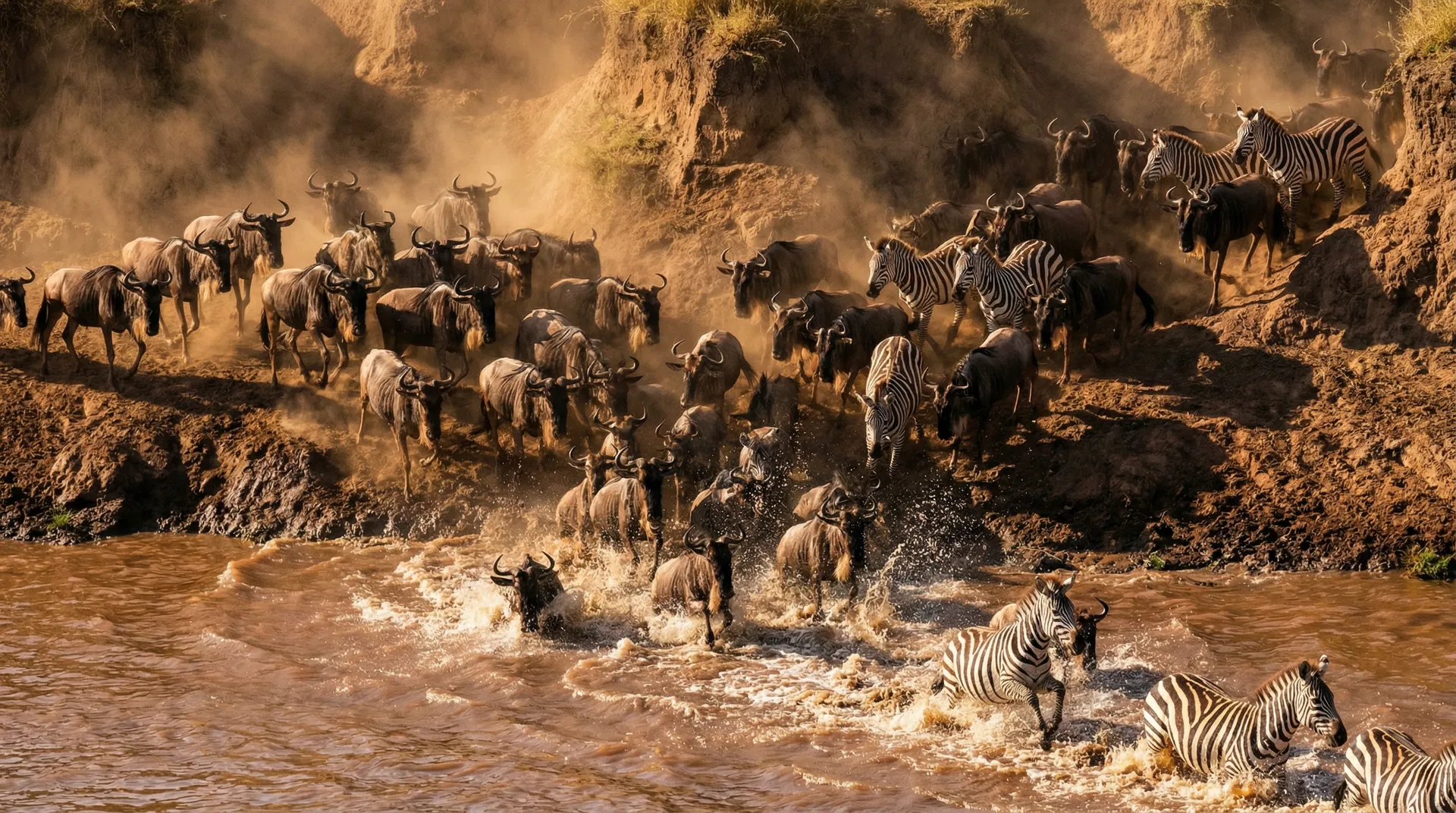 Season & Timing Guides
Best Time to Visit Tanzania for Safari
Expert guide on best time to visit tanzania for safari with month-by-month conditions, pricing, and planning recommendations for safari travelers.
Season & Timing GuidesBest Time to Visit Kenya for Safari
Expert guide on best time to visit kenya for safari with month-by-month conditions, pricing, and planning recommendations for safari travelers.
Season & Timing GuidesBest Time to Visit Botswana for Safari
Expert guide on best time to visit botswana for safari with month-by-month conditions, pricing, and planning recommendations for safari travelers.
 Safari Planning
Best Countries for First-Time Safari Travelers
Discover the best countries for a first-time safari. Our expert guide compares Tanzania, Kenya, South Africa, and more to help you plan your dream African adventure.
Safari PlanningBest Time of Year to Go on Safari
Discover the best time of year to go on an African safari. Learn about the wet and dry seasons, and find out the ideal months to visit top destinations.
 Safari Safety
Safari Safety Tips for First-Time Visitors
Planning your first African safari? Our expert guide provides essential safari safety tips for a worry-free adventure, from wildlife encounters to health advice.