Planning an elephant safari? Discover the best places to see elephants in Africa, from Chobe's massive herds to Amboseli's iconic landscapes. Your ultimate guide.
Elephants are not only the world's largest land animals, but they are also among the most intelligent and emotionally complex. Seeing them in their natural habitat is a truly unforgettable experience, and for many travelers, it is the primary reason for an African safari. From the vast, arid landscapes of Namibia to the lush floodplains of the Okavango Delta, Africa offers a remarkable diversity of settings in which to witness these gentle giants. This guide will walk you through the best places to see elephants in Africa, offering practical advice to help you plan a safari that is both awe-inspiring and respectful of these magnificent creatures.
Chobe National Park, Botswana
Often called the "Land of the Giants," Chobe National Park in Botswana is home to one of the largest concentrations of elephants in Africa. With an estimated population of over 120,000, your chances of seeing elephants here are incredibly high. The park is particularly famous for its massive herds that congregate along the Chobe River during the dry season (May to October).
The Chobe Riverfront
The Chobe Riverfront is the most accessible and game-rich section of the park. A river cruise offers a unique perspective, allowing you to watch elephants as they drink, bathe, and play in the water. You will often see entire families, from tiny calves to massive bulls, interacting along the riverbanks. The sight of hundreds of elephants crossing the river at sunset is a spectacle you will never forget.
Savuti Region
For a different kind of elephant experience, head to the remote Savuti region of Chobe. Here, the landscape is more open and arid, and the elephants have adapted to the harsh conditions. The Savuti Marsh is a hotspot for wildlife, and you can often see large bulls competing for dominance. The region is also known for its predator-prey interactions, and it is not uncommon to witness lions attempting to hunt young or weak elephants.
Amboseli National Park, Kenya
Amboseli National Park in Kenya is renowned for its iconic images of elephants against the backdrop of Mount Kilimanjaro, the highest peak in Africa. The park is home to a large and well-studied elephant population, and the open plains make for excellent game viewing. The elephants of Amboseli are known for their impressive tusks, a genetic trait that has been passed down through generations.
The Great Elephant Census
Amboseli is home to the Amboseli Trust for Elephants, a research organization that has been studying the park's elephants for over four decades. This long-term research has provided invaluable insights into elephant behavior, social structures, and conservation. As a visitor, you will benefit from this wealth of knowledge, as guides are often well-versed in the histories and personalities of the individual elephants you encounter.
Photography Opportunities
For photographers, Amboseli is a dream destination. The combination of stunning landscapes, beautiful light, and abundant wildlife creates endless opportunities for breathtaking images. The dry, dusty plains can be kicked up by the elephants, creating dramatic, backlit shots, especially during the golden hours of sunrise and sunset.
Planning a safari?
Start the Safari Planning System →Tarangire National Park, Tanzania
While the Serengeti and Ngorongoro Crater often steal the spotlight in Tanzania, Tarangire National Park is a hidden gem for elephant lovers. During the dry season, the Tarangire River becomes a vital water source, attracting vast numbers of elephants from the surrounding areas. The park is also famous for its ancient baobab trees, which create a surreal and beautiful landscape.
The Elephant Migration
Tarangire is part of a larger ecosystem, and its elephant population is highly migratory. From June to November, the park's elephant numbers swell as they congregate along the river. This is the best time to visit for guaranteed elephant sightings. You can expect to see large breeding herds, bachelor groups, and solitary bulls all sharing the same space.
A More Intimate Experience
Compared to the more crowded parks in northern Tanzania, Tarangire offers a more intimate and exclusive safari experience. The park is vast, and it is possible to spend hours with a herd of elephants without another vehicle in sight. This allows for a more personal and immersive connection with the animals and their environment.
Hwange National Park, Zimbabwe
Zimbabwe's largest national park, Hwange is a vast and wild expanse of Kalahari sand and teak forests. It is home to one of Africa's largest elephant populations, with estimates ranging from 45,000 to 60,000. The park is known for its large elephant herds and the unique experience of viewing them from "hides" or "blinds" overlooking waterholes.
Waterhole Spectacles
During the dry season, Hwange's elephants are heavily dependent on the park's man-made waterholes. This creates incredible game viewing opportunities, as hundreds of elephants can gather at a single waterhole in the late afternoon. Many safari camps have built hides near these waterholes, allowing you to get incredibly close to the action without disturbing the animals.
Walking Safaris
For the more adventurous traveler, Hwange offers the thrilling experience of a walking safari. Accompanied by an experienced guide, you can track elephants on foot, learning to read the signs of the bush and gaining a deeper appreciation for their size and power. This is an intense and humbling experience that will stay with you for a lifetime.
The Okavango Delta, Botswana
The Okavango Delta is a unique and pristine wetland ecosystem that offers a very different kind of elephant experience. Here, elephants have adapted to a semi-aquatic lifestyle, and you can often see them wading through the floodplains and swimming across the channels. The best way to explore the Delta is by mokoro (a traditional dugout canoe) or by boat.
A Water-Based Perspective
Gliding silently through the waterways of the Delta, you can approach elephants with minimal disturbance. This allows for incredibly close and personal encounters. Watching a herd of elephants feed on aquatic vegetation or cross a deep channel is a truly magical experience. The Delta is also a paradise for birdwatchers, with over 400 species recorded.
Exclusive and Remote Camps
The Okavango Delta is home to some of Africa's most exclusive and remote safari camps. These camps offer a high level of luxury and personalized service, as well as expert guiding. While a safari in the Delta can be expensive, the pristine wilderness and unparalleled wildlife experiences make it well worth the investment.
Etosha National Park, Namibia
Etosha National Park in Namibia is a stark and beautiful landscape dominated by a massive salt pan. The park is home to a healthy population of desert-adapted elephants, which are known for their large size and resilience. The best time to visit Etosha is during the dry season, when animals congregate around the park's waterholes.
Floodlit Waterholes
Many of the camps in Etosha have floodlit waterholes, which allow for 24-hour game viewing. This is a unique opportunity to see nocturnal animals, and you can often watch elephants interacting with rhinos, lions, and other predators. The waterholes at Okaukuejo and Halali are particularly famous for their incredible wildlife spectacles.
Self-Drive Safaris
Etosha is one of the best parks in Africa for a self-drive safari. The road network is well-maintained, and the open landscape makes it easy to spot wildlife. This is a great option for more independent travelers who want to explore at their own pace. Just be sure to follow the park rules and keep a safe distance from the animals.
In conclusion, Africa offers a wide range of incredible destinations for seeing elephants in the wild. Whether you are looking for massive herds, iconic landscapes, or intimate encounters, there is a perfect elephant safari out there for you. By choosing a reputable operator and respecting the animals and their environment, you can have a truly life-changing experience while contributing to the conservation of these magnificent creatures.
Explore Related Topics
Recommended Reading
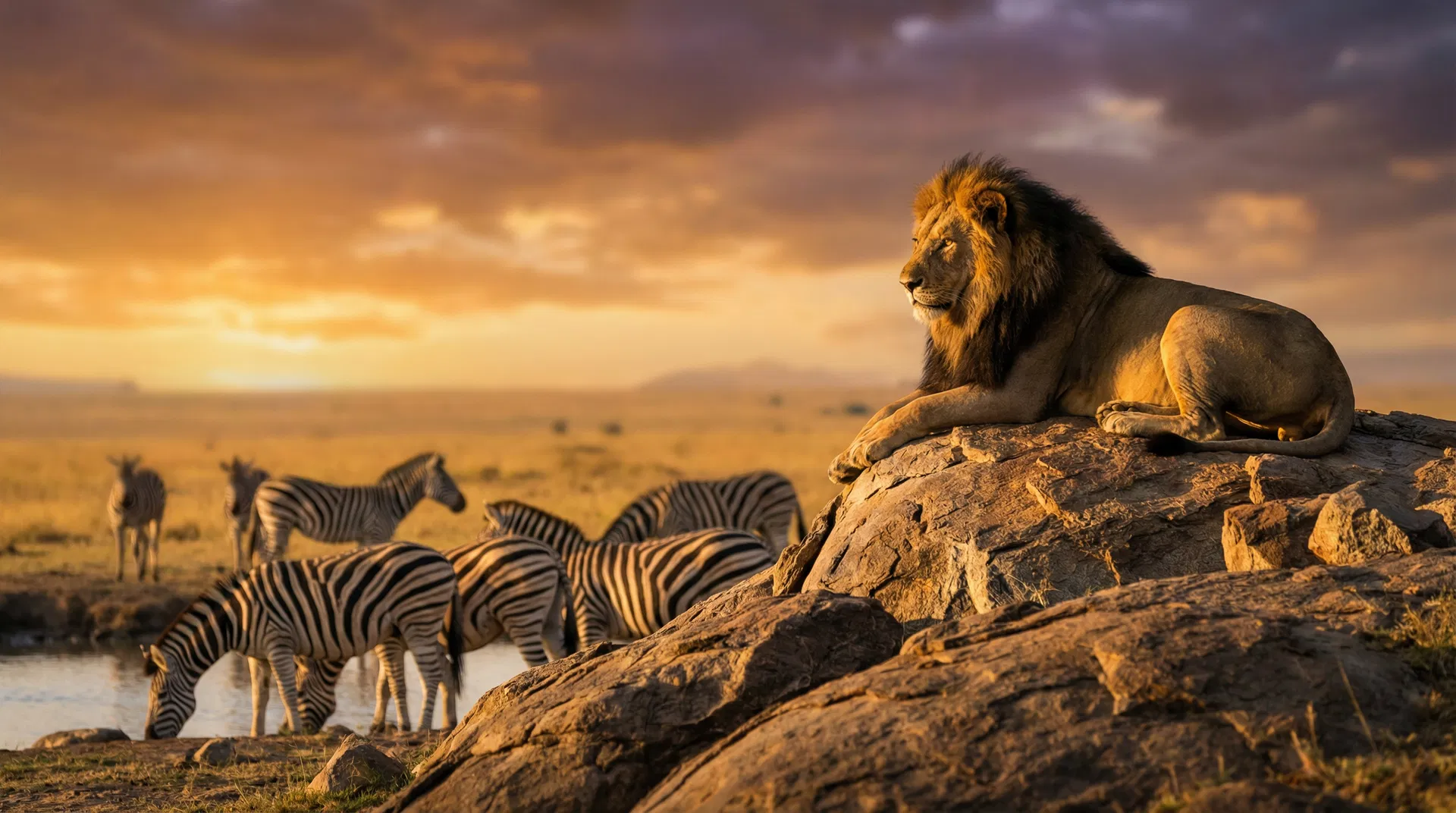 Wildlife Guides
Best Places to See Lions
Discover the best places to see lions in Africa, from the Serengeti to the Okavango Delta. This expert guide helps you plan your ultimate lion safari adventure.
6 min readWildlife GuidesBest Places to See Rhinos
Discover the best places to see rhinos in Africa, from South Africa's Kruger National Park to Namibia's desert-adapted rhinos. Plan your safari today!
7 min readWildlife GuidesBest Places to See Leopards
Discover the best places to see leopards in Africa. This guide covers top destinations like South Luangwa, Sabi Sand, and Moremi for incredible leopard sightings.
8 min read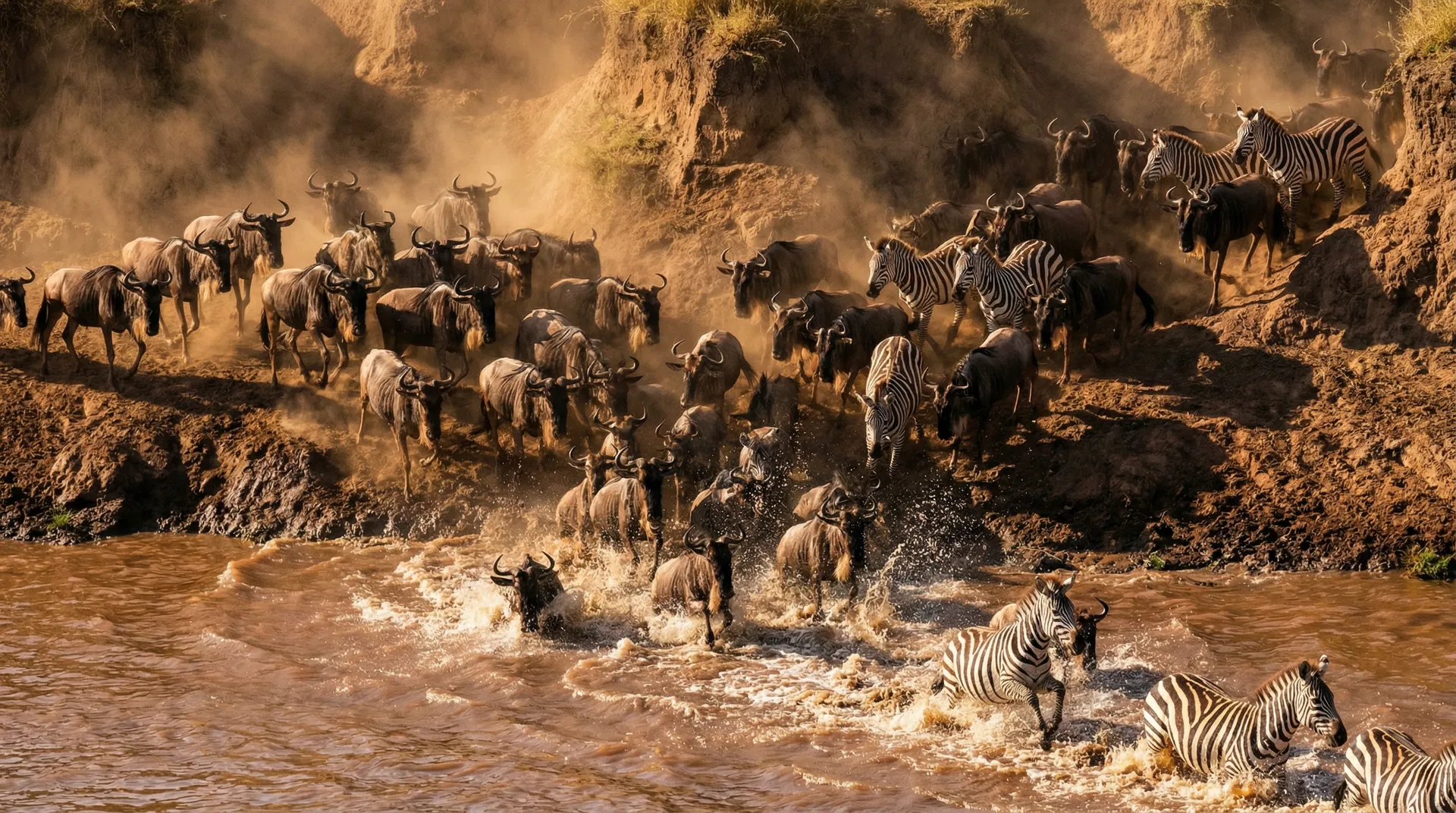 Season & Timing Guides
Best Time to See Elephants on Safari
Expert guide on best time to see elephants on safari with month-by-month conditions, pricing, and planning recommendations for safari travelers.
5 min read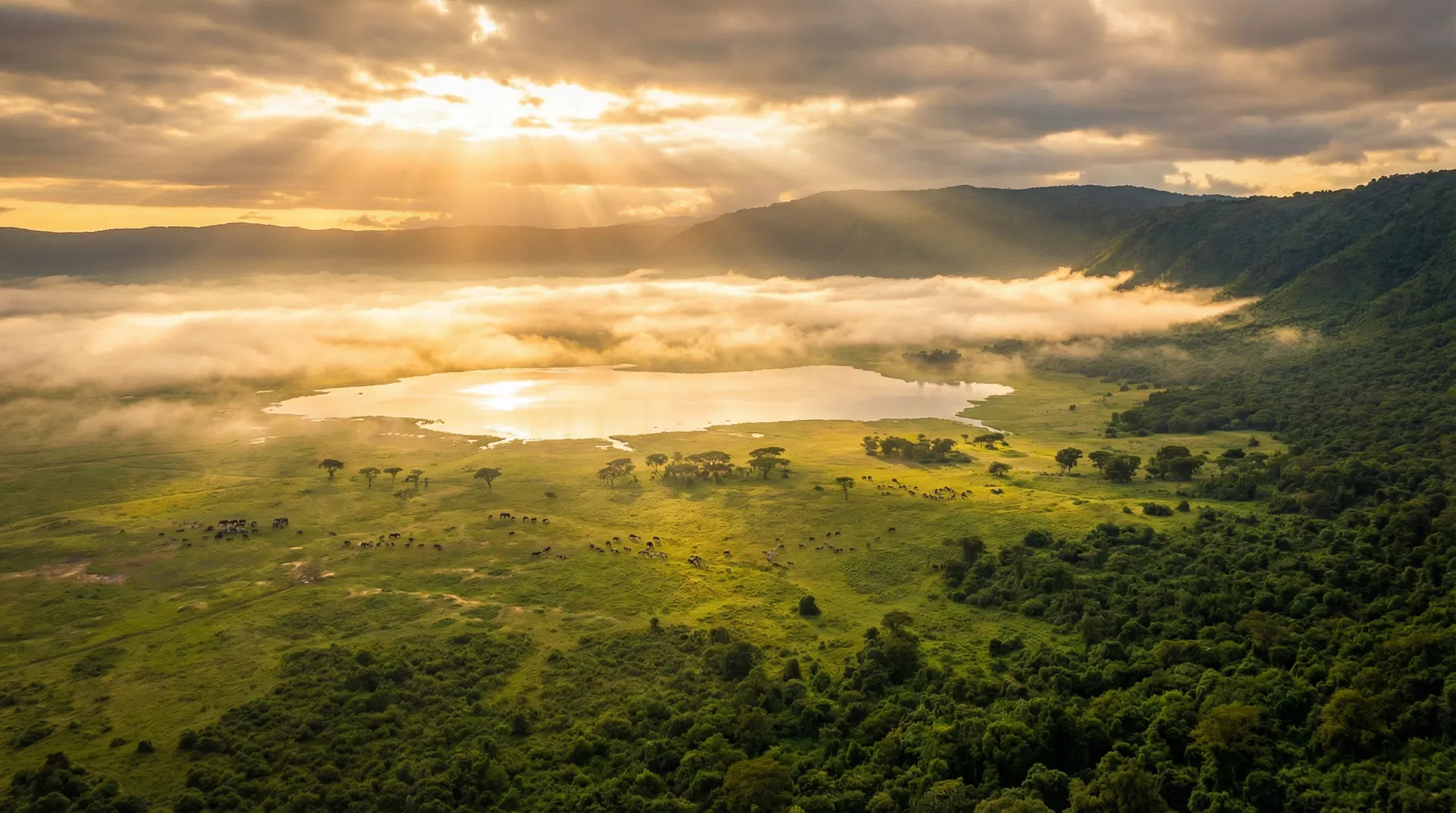 Destination Guides
Best Safari Destinations for Elephant Viewing
Your complete guide to Best Safari Destinations for Elephant Viewing. Find the best destinations, planning tips, and more for your next safari adventure.
4 min readSeason & Timing GuidesBest Time to See the Great Migration in Serengeti
Expert guide on best time to see the great migration in serengeti with month-by-month conditions, pricing, and planning recommendations for safari travelers.
11 min read