Destination Overview
Liwonde National Park, located in southern Malawi, is a testament to the power of conservation and a premier destination for river-based wildlife viewing. The park is defined by the Shire River, which flows along its western boundary, creating a vibrant ecosystem of floodplains, woodlands, and lagoons. This constant water source attracts a high concentration of wildlife, making Liwonde a captivating safari destination for travelers seeking an intimate and authentic African experience. Once plagued by poaching and human-wildlife conflict, the park has undergone a remarkable transformation under the management of African Parks, a non-profit conservation organization. Through significant investment in law enforcement, community engagement, and wildlife reintroductions, Liwonde has become a beacon of hope for conservation in Africa. Today, visitors to Liwonde can witness a thriving wildlife population in a stunning and diverse landscape, all while contributing to the park's ongoing success story.
Wildlife Highlights
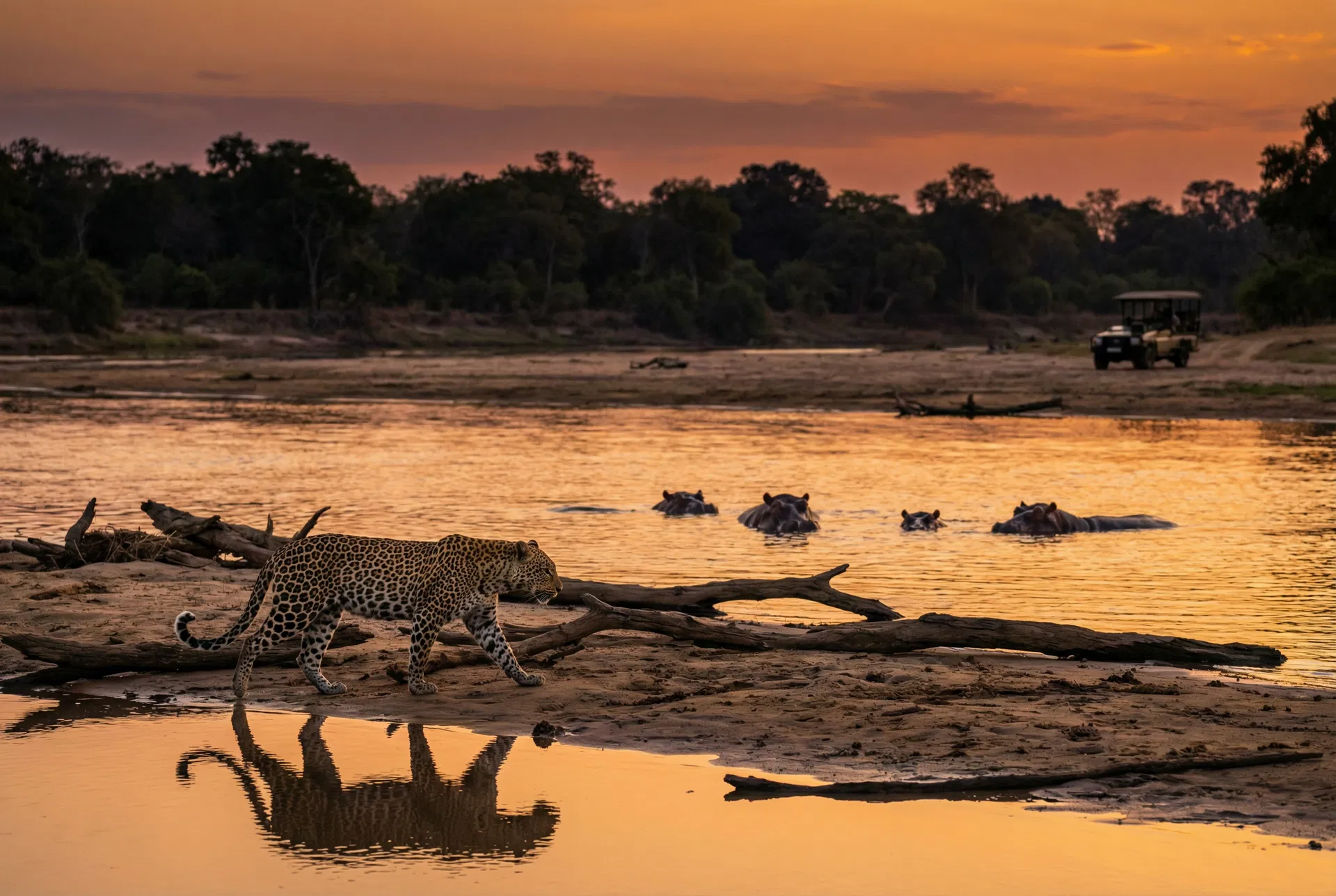
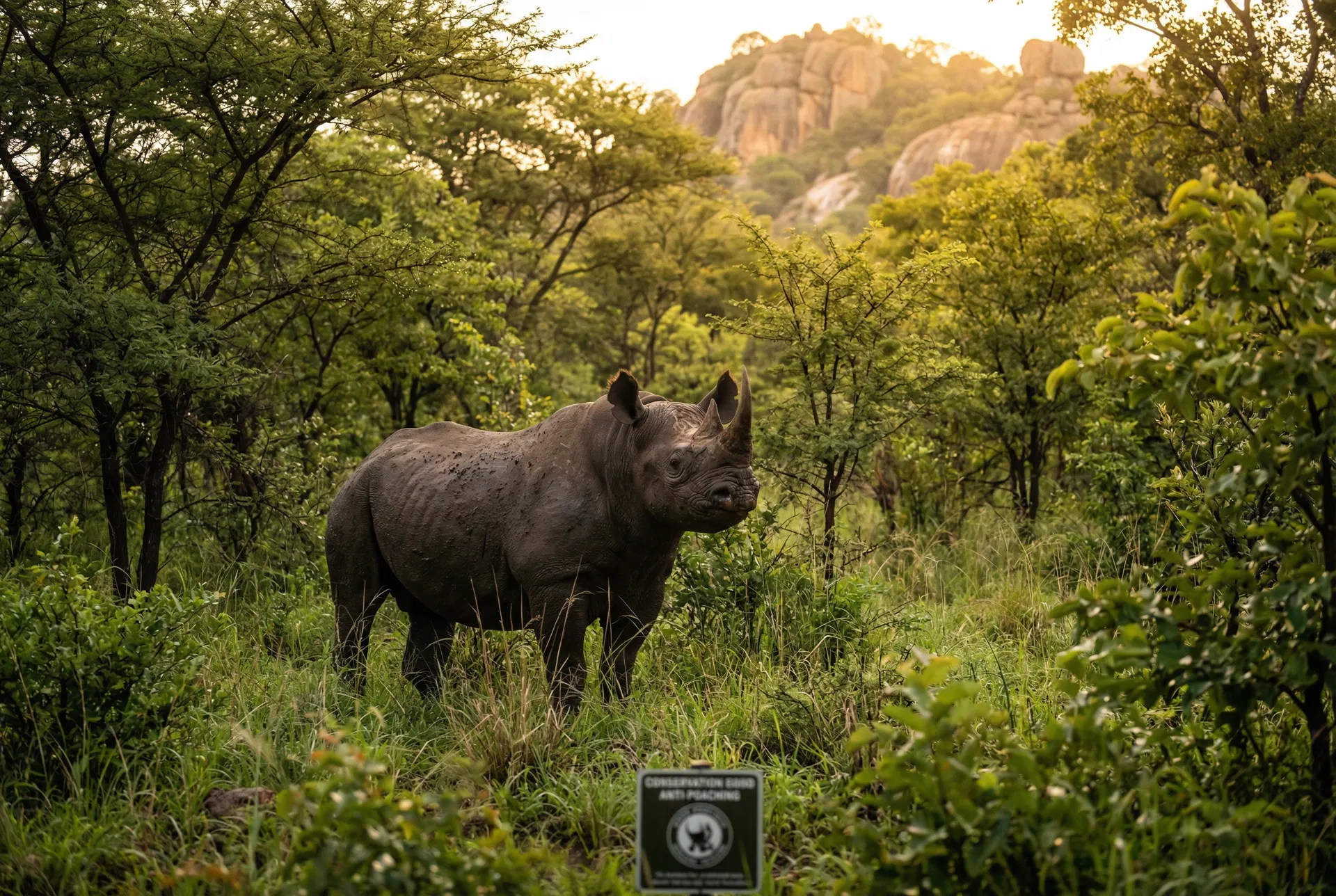
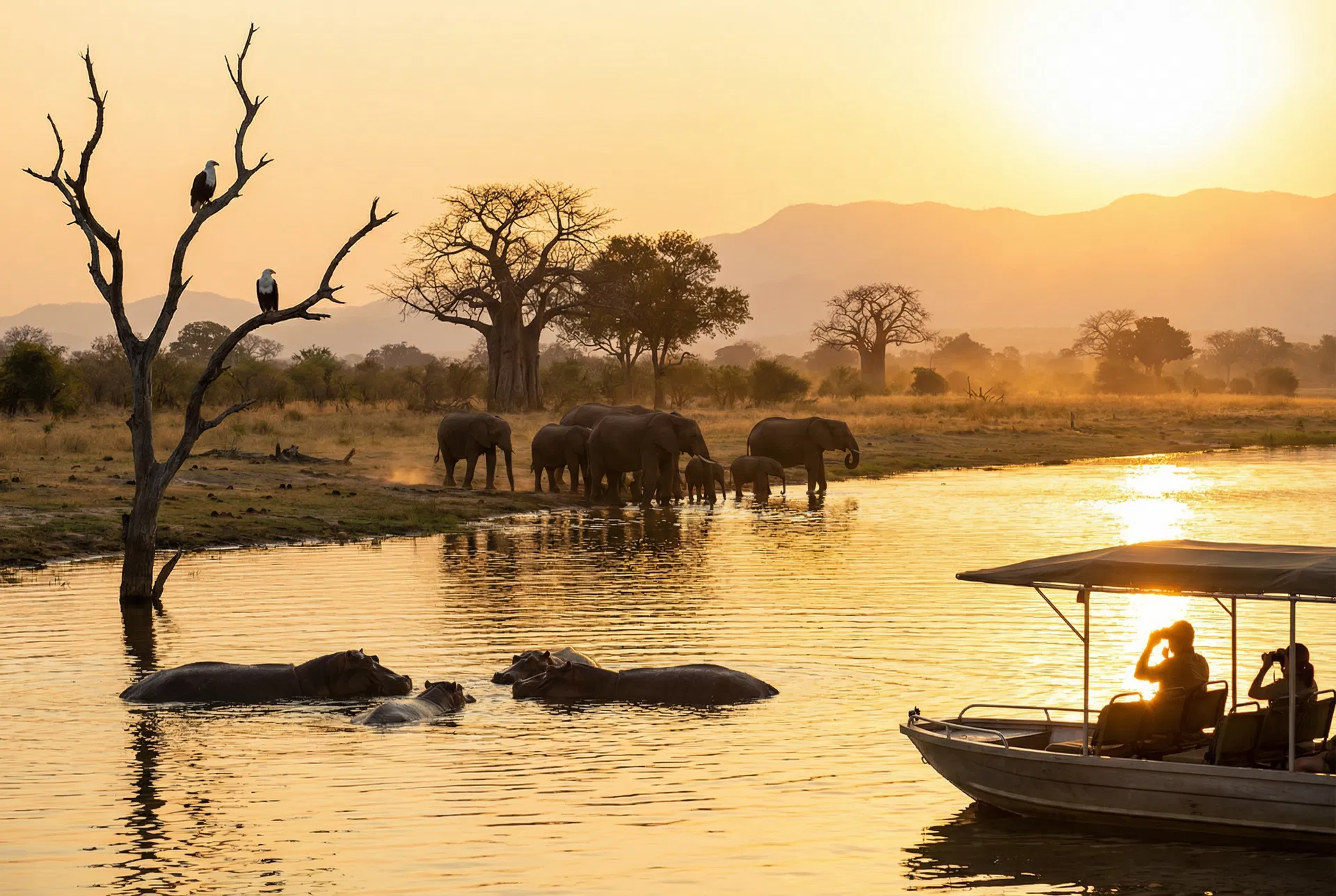
Liwonde National Park is renowned for its abundant elephant and hippopotamus populations, which are best observed from the water during a boat safari on the Shire River. The river is also home to some of the largest crocodiles in Africa, often seen basking on the sandy banks. The park's successful conservation efforts have led to the reintroduction of several key species, including lions, cheetahs, and black rhinos. While still elusive, the chances of spotting these iconic predators are steadily increasing. Other herbivores commonly seen in the park include large herds of sable antelope, impala, waterbuck, and the occasional greater kudu. The park is also one of the few places in Africa where bushpigs are regularly seen during the day. Birdwatching in Liwonde is exceptional, with over 400 recorded species. The river attracts a wide variety of waterbirds, including the iconic African fish eagle and the rare Pel's fishing owl.
Best Time to Visit
The best time to visit Liwonde National Park for wildlife viewing is during the dry season, from May to October. During these months, the vegetation is less dense, and animals congregate around the Shire River and other permanent water sources, making them easier to spot. The months of July to October are particularly rewarding, offering prime game viewing opportunities. The wet season, from November to April, transforms the park into a lush, green paradise. While wildlife viewing can be more challenging due to the dense vegetation and dispersed animal populations, this is an excellent time for birdwatching, as migratory birds flock to the park. However, some lodges and camps may close during the peak of the wet season due to impassable roads.
Safari Experience
The safari experience in Liwonde is unique and varied, offering a departure from the traditional 4x4 game drives found in many other African parks. The highlight of any visit is a boat safari on the Shire River. Gliding along the water provides an intimate and unparalleled perspective of the park's wildlife, from elephants drinking at the water's edge to hippos jostling for space in the river. In addition to boat safaris, visitors can also enjoy traditional game drives in open 4x4 vehicles, exploring the park's diverse landscapes and searching for its iconic wildlife. For a more immersive experience, guided walking safaris are available, allowing visitors to connect with the bush on a deeper level and learn about the smaller flora and fauna often missed from a vehicle. A particularly thrilling activity is the opportunity to track black rhinos on foot with experienced guides, a rare and unforgettable experience.
Landscape and Ecosystem
Liwonde National Park encompasses a diverse range of landscapes and ecosystems, all centered around the life-giving Shire River. The park's western section is dominated by the river and its associated floodplains, which are fringed with towering borassus palms and ancient baobab trees. These floodplains give way to mopane woodlands, which cover a large portion of the park's interior. The eastern part of the park is characterized by a series of hills and rocky outcrops, offering panoramic views of the surrounding landscape. This variety of habitats supports a rich and diverse array of flora and fauna, making Liwonde a microcosm of the wider African wilderness. The park's unique ecosystem, distinct from other protected areas in Malawi, is a key reason for its conservation importance.
Safari Activities
Liwonde National Park offers a wide range of safari activities to suit every interest and fitness level. The most popular activity is a boat safari on the Shire River, which provides exceptional opportunities for wildlife viewing and photography. Game drives, both during the day and at night, are also a staple of the Liwonde experience, offering the chance to see a variety of animals, including nocturnal species. For the more adventurous, guided walking safaris and rhino tracking on foot provide an exhilarating and intimate encounter with the African bush. Birdwatching is another major draw, with the park's diverse habitats attracting a plethora of bird species. Cultural visits to nearby villages can also be arranged, offering insights into the local culture and the relationship between the communities and the park.
Where It Is Located
Liwonde National Park is located in the southern region of Malawi, approximately 160 kilometers north of Blantyre, the country's commercial capital. The park is easily accessible by road from both Blantyre and Lilongwe, the capital city. The journey from Blantyre takes approximately three to four hours, while the drive from Lilongwe is around five to six hours. For those who prefer to fly, private charters can be arranged to a nearby airstrip, significantly reducing travel time. The park's main gate is located on its southern boundary, and there are several lodges and camps situated both inside and outside the park.
Who This Destination Is Best For
Liwonde National Park is an ideal destination for a wide range of travelers. Its intimate and uncrowded atmosphere makes it perfect for those seeking an authentic and off-the-beaten-path safari experience. The park's focus on conservation and its remarkable success story will appeal to travelers with an interest in wildlife conservation and sustainable tourism. The variety of activities, from boat safaris to walking safaris, makes it suitable for both first-time safari-goers and seasoned veterans. Birdwatchers and photographers will be in their element, with the park's diverse birdlife and stunning landscapes providing endless opportunities for capturing the perfect shot. Families will also enjoy the park's relaxed atmosphere and the chance to see a wide variety of wildlife in a safe and accessible environment. For those seeking a more adventurous and immersive experience, the opportunity to track rhinos on foot is a major draw. Liwonde is also a great addition to a longer Malawian itinerary, combining well with a visit to Lake Malawi or other national parks in the country.